
Reviewed · MUSEUMS
London: British Museum Highlights Guided Small Group Tour
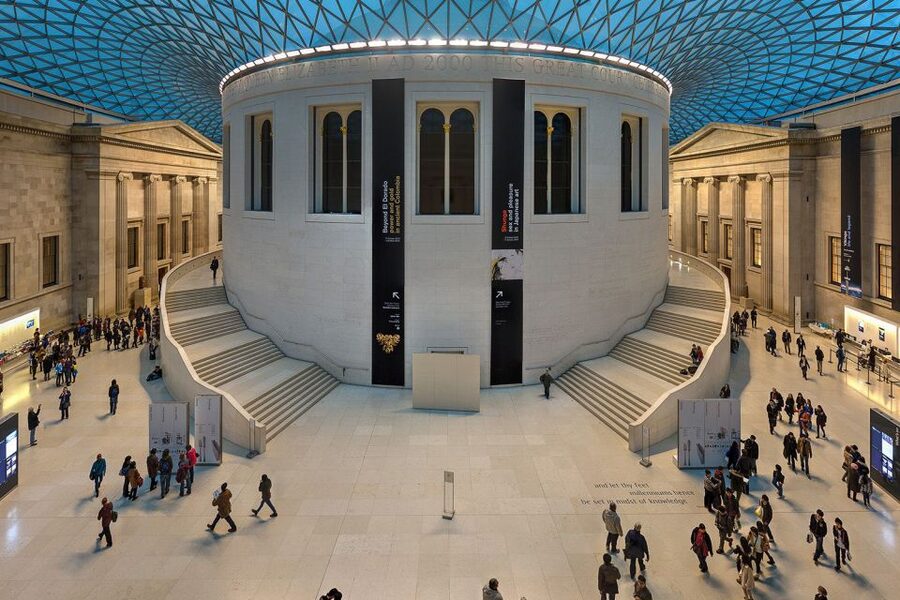
The British Museum can swallow an entire day and still leave you wondering what you just saw. This 2 to 2.5-hour highlights tour gives you a useful route through 6,000 years of human history, linking famous objects to the people, beliefs, and empires behind them.
I like the small maximum of eight people, which makes it easier to hear and ask questions. I also like the guides’ mix of serious history and humor. Guides including James, Andy, Sacha, Stef, Luis, and Matilda have been singled out for making the museum work for both history fans and children.
The trade-off is simple: this is an introduction, not a full museum visit. You may spend several minutes with one object and pass many others, and the advertised pieces can change if an item is on loan or being restored.
- The Rosetta Stone gives the tour a famous starting point: See the actual stone connected with deciphering Egyptian hieroglyphs.
- Small groups keep the experience personal: Semi-private tours are limited to eight people, while private tours give you the most control.
- The route crosses cultures and centuries: Expect Egyptian mummies, Assyrian reliefs, Japanese armor, Greek sculpture, ancient games, and medieval chess pieces.
- Stories matter as much as objects: Guides explain what you are seeing instead of leaving you to read labels and guess.
- The tour is built for first-time visitors: It helps you avoid wandering through millions of objects without a plan.
- Two hours goes quickly: Plan extra museum time afterward if you want to explore beyond the main route.
Why the British Museum Needs a Guided Route

The British Museum is not a tidy collection you can casually stroll through from one end to the other. Its holdings cover roughly 6,000 years and objects from many parts of the world, so the main problem is not finding something interesting. The problem is deciding what deserves your limited time.
That is where this tour earns its keep. Instead of treating the museum as a checklist, the guide selects major objects and explains why each one matters. You move from powerful empires to ordinary games, from royal art to personal funerary objects, and from military display to scientific discovery.
I especially like this approach for a first visit. You get a framework for the museum, then you can return to the galleries that caught your attention. Without that framework, it is easy to look at hundreds of objects and remember almost none of them.
The tour is conducted in English, with a professional local guide. Past guides have included historians and guides with advanced academic backgrounds, but the more important point is how they communicate. The strongest examples from this experience include James adding small historical details, Stef using humor to keep teenagers interested, and Andy building vivid connections between objects and the societies that made them.
The Rosetta Stone and the Power of One Object

The Rosetta Stone is an obvious highlight, but it is not merely famous because it is old. It carries the text of a decree in three scripts, which helped scholars work out Egyptian hieroglyphs. Seeing the actual stone gives you a useful reminder that museum objects can be evidence, not just decoration.
A guide can also help you look past the crowd around it. The stone attracts attention, so the time you spend there may depend on gallery conditions. You should expect an explanation of its importance rather than a long, quiet viewing with no one nearby.
This is one of the tour’s strengths: it puts a recognizable object into a larger story. You are not just told that the Rosetta Stone is important. You learn why it changed the study of ancient Egypt and why a single inscribed object can matter so much.
The tour may also include the Mummy of Katebet. This brings the subject back from grand monuments and royal power to an individual person. The object offers a more personal view of ancient Egyptian beliefs about death, identity, and the afterlife.
The exact balance between the Rosetta Stone and Katebet will depend on the guide and the day. Still, together they provide a good contrast: one object is famous for its role in modern scholarship, while the other helps you think about an ancient person and her burial traditions.
More Museum Tours in London:
- Tower of London and Crown Jewels Exhibition Ticket
★ 4.5 · 6,677 reviews - London: Chelsea Football Club Stadium and Museum Tour
★ 4.8 · 4,576 reviews - Chelsea FC Stadium Tours and Museum
★ 5.0 · 1,908 reviews
Assyrian Lion Hunt Reliefs and Imperial Power
The Assyrian Lion Hunt reliefs are among the most gripping objects on the route. They show royal hunts with a high level of detail, including the movement and suffering of the lions. They are visually dramatic, but the guide’s job is to explain what the scenes were meant to say about the king.
This was not simply a record of an afternoon outdoors. Royal hunting scenes could present the ruler as brave, powerful, and able to control danger. When you look closely, you can see how art served political purposes as well as artistic ones.
I like this stop because it gives you a way to read ancient art. You learn to ask who commissioned the work, who was meant to see it, and what message it carried. That habit is more useful than memorizing dates.
The reliefs also give the tour some visual energy. A long museum visit can become a parade of small objects and written labels. These large stone panels offer a change of scale and make the ancient Assyrian world easier to picture.
The Parthenon Sculpture and the Museum’s Difficult Questions
The Parthenon Sculpture brings ancient Greece into the route, but it also raises questions about ownership, removal, and the way museums acquired major works. The tour can discuss the art itself along with the less flattering parts of British collecting and history.
That honesty is valuable. One private-tour experience specifically praised a guide for explaining how some objects reached the museum instead of presenting every acquisition as simple or admirable. You should expect the subject to be treated as part of the story, not brushed aside.
The sculpture is also a chance to think about context. Removed from the Parthenon, the pieces are viewed in a museum rather than in their original architectural setting. A guide can help you understand both what the objects show and what is missing from the display.
Do not expect this 2 to 2.5-hour visit to settle the ownership debate. It gives you enough background to recognize the issue and think about it more clearly. If the Parthenon Sculpture is a personal priority, check the day’s arrangements because museum objects can occasionally be unavailable.
The Lewis Chessmen and Everyday Medieval Life
The Lewis Chessmen are a welcome change from monumental sculpture and royal reliefs. These small carved figures are memorable because they connect the museum to ordinary play, strategy, and human character.
Their faces and poses give them an almost theatrical quality. A good guide can use them to show that history is not only about rulers and battles. It is also about how people spent their leisure time, what they valued, and what they carried across long distances.
This stop works especially well with families. Children can engage with chess pieces more easily than with a lengthy inscription, and the figures invite questions. Guides such as Luis and Ivo have been praised for keeping younger visitors involved without reducing the subject to a children’s lesson.
The limitation is time. You may get a clear explanation of the chessmen, but not a full discussion of every theory about their origin and use. If this is your favorite part of the museum, ask your guide if there is room to linger.
More museums and galleries in London:
- London: British Museum Guided Tour
★ 4.3 · 1,182 reviews - Official tickets: Moco Modern & Contemporary Art Museum
★ 4.5 · 1,157 reviews - British Museum London Guided Tour Semi-Private 8ppl Max
★ 5.0 · 984 reviews - London: Jack the Ripper Museum Tickets
★ 4.2 · 894 reviews
The Oxus Treasure and the Reach of Ancient Trade
The Oxus Treasure shows another side of the collection: finely made objects connected with the ancient Persian world. It helps explain how wealth, craftsmanship, religion, and long-distance contact could meet in a single group of objects.
This is a good place to pay attention to materials and design. The treasure is not important only because it is valuable. It gives you clues about skilled metalwork, elite taste, and the movement of objects between cultures.
The route may also include the Royal Game of Ur, another useful reminder that ancient people played games, made choices, and competed for pleasure much as people do now. A game board can make a distant civilization feel surprisingly familiar.
Together, the Oxus Treasure and the Royal Game of Ur broaden the tour beyond the most famous rooms. You see luxury, play, belief, and daily life rather than only temples and tombs.
Samurai Armor and the Tour’s Wider Reach
The Samurai armor adds Japan to a route that already includes Egypt, Assyria, Greece, Persia, and medieval Europe. It is a strong visual stop, especially when the guide explains how armor worked and what it communicated about status and martial culture.
This variety is one of the best reasons to choose the tour. You are not spending two hours in one narrow period. Instead, the route shows how different societies solved problems, displayed power, remembered the dead, and created objects of beauty.
The range can also feel mentally crowded. Moving across continents and centuries means you will not receive a full lesson on each culture. The guide has to make quick choices, and some subjects will receive only a few minutes.
That is not a flaw if you understand the format. Think of the tour as a well-chosen introduction. It gives you several doors to open later, either during extra time at the museum or on a future visit.
How the Small Group Changes the Visit
The semi-private option allows up to eight people, with at least two people needed for the tour to operate. A private option is also available, which is the better choice if you want to shape the pace around your family or a particular interest.
A small group matters inside a crowded museum. You can usually stay closer to the guide, hear explanations more clearly, and ask questions without interrupting a large procession. It also makes it easier for the guide to notice if children are losing interest or if someone wants more detail.
Several guides have been praised for managing crowds and keeping the group moving. That practical skill is easy to overlook, but it matters in a huge museum. Seeing the main objects is only half the task. Reaching them without wasting much of your limited time is the other half.
The minimum booking rule is worth noting. You need at least two people, and a semi-private tour may be moved or refunded if the minimum number is not reached. If you are traveling alone, confirm the available option before paying.
Is $112 a Fair Price?
At $112 per person, this is not the cheapest way to enter the British Museum. The museum itself does not charge a standard admission fee for its permanent collection, so you are paying for the guide, the route, the time saved, and the interpretation.
For a first visit, I think the price can be fair if you value structure. A guide helps you avoid spending an hour in the wrong rooms, missing the major objects, or reading labels without understanding how the pieces connect. The smaller group also gives you a more personal experience than a large scheduled walk.
The value is weaker if you already know the museum well or want to wander independently. You may prefer to use the free collection access, choose your own galleries, and spend as long as you like with one subject.
The private option can make sense for a family or a group of friends sharing the cost. The semi-private option is a better fit if you want expert help but do not need control over every stop.
Food, drinks, hotel pickup, temporary exhibits, and drop-off are not included. You should also avoid bringing luggage or large bags. Bring a passport or ID card, as requested for the activity.
Timing, Access, and Who Should Book
The tour runs daily, with starting times subject to availability. Since the tour lasts no more than 2.5 hours, I would schedule it early enough to leave time afterward for the galleries you want to see again.
A small amount of walking is involved. Wheelchair tours can be arranged only as private tours on request, and the guide cannot provide the semi-private format for a wheelchair user. The general suitability information marks the activity as not suitable for wheelchair users, so you should confirm your needs before booking rather than relying on the standard tour option.
This experience is a strong fit for:
- First-time British Museum visitors who want a clear route.
- Families with older children or teenagers who need stories and variety.
- Adults with limited time in London.
- History fans who want context rather than a quick photo at famous objects.
- Visitors who prefer a small group to a large museum lecture.
It is less suitable if you want a quiet, self-directed visit, need to examine one department in depth, or plan to see temporary exhibitions. Those exhibitions are not included.
Should You Book This British Museum Tour?
Book it if the British Museum feels too large to tackle alone. The combination of the Rosetta Stone, Assyrian Lion Hunt reliefs, Parthenon Sculpture, Lewis Chessmen, Oxus Treasure, Royal Game of Ur, Katebet’s mummy, and Samurai armor gives you a strong first look at the collection without pretending you can see everything.
I would choose the private option for a family with specific needs, and the semi-private option for most couples or small groups. Ask about accessibility before booking, bring no large bags, and keep extra time afterward for the rooms that catch your eye.
Skip it if you are happy to wander or already have a precise museum plan. For everyone else, the $112 cost buys something the museum’s free admission does not: a human guide who helps you understand why these objects matter and how they fit together.
FAQ
How long does the British Museum highlights tour last?
The tour lasts between 2 and 2.5 hours. Starting times vary, so you need to check availability when booking.
What objects are included on the tour?
Highlights generally include the Rosetta Stone, Assyrian Lion Hunt reliefs, Parthenon Sculpture, Lewis Chessmen, Oxus Treasure, Royal Game of Ur, Mummy of Katebet, and Samurai armor. Objects may be unavailable if they are on loan or being restored.
Is the tour private or shared?
You can choose a private tour or a semi-private small-group tour. Semi-private groups have a maximum of eight people.
How many people are needed for a semi-private tour?
At least two people must book for the semi-private tour to operate. If the minimum is not reached, an alternative date or full refund is offered.
What language is the tour conducted in?
The live tour guide speaks English.
Is hotel pickup included?
No. Hotel pickup and drop-off are not included, and the meeting point can vary depending on the option you book.
Can I bring luggage?
Large bags and luggage are not allowed. Bring a passport or ID card as required.
Is the tour suitable for wheelchair users?
Wheelchair tours are available on request only as private tours. The guide cannot provide a semi-private tour for a wheelchair user, so you should confirm arrangements before booking.
Just added in London
- Westminster and National Gallery 3.5-Hour Tour in Italian★ 4.9 · 28 reviews
- London: Full Day Tower, St. Paul’s, Cruise & Eye Experience★ 4.6 · 168 reviews
- British Museum & Camden Town – Private Tour in Italian★ 4.8 · 26 reviews
- London: Westminster Abbey Guided Tour★ 4.5 · 445 reviews
- London: Medieval History Walking Tour from The Tower★ 4.9 · 318 reviews
- The Original London Street Art Tour (French)★ 4.9 · 64 reviews
- German London : The Ultimate Walking tour★ 4.8 · 400 reviews
- London: The Shard Entry Ticket with Champagne★ 4.5 · 147 reviews
Museums, compared.

Liverpool Football Club Museum and Stadium Tour
Read our review →
Tower of London and Crown Jewels Exhibition Ticket
Read our review →
Chelsea Football Club Stadium and Museum Tour
Read our review →


Browse the lists this tour appears in