
Reviewed · MUSEUMS
London Transport Museum Entrance Ticket
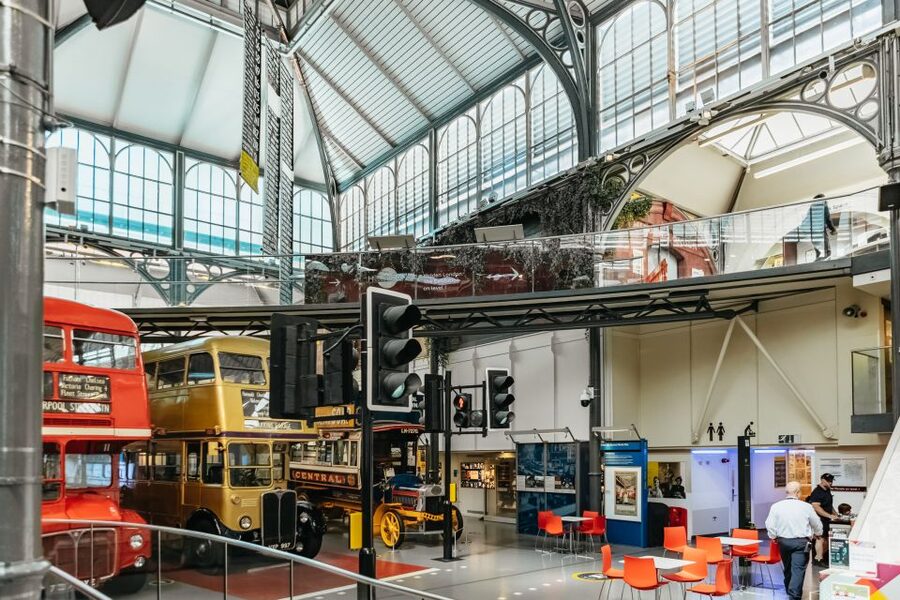
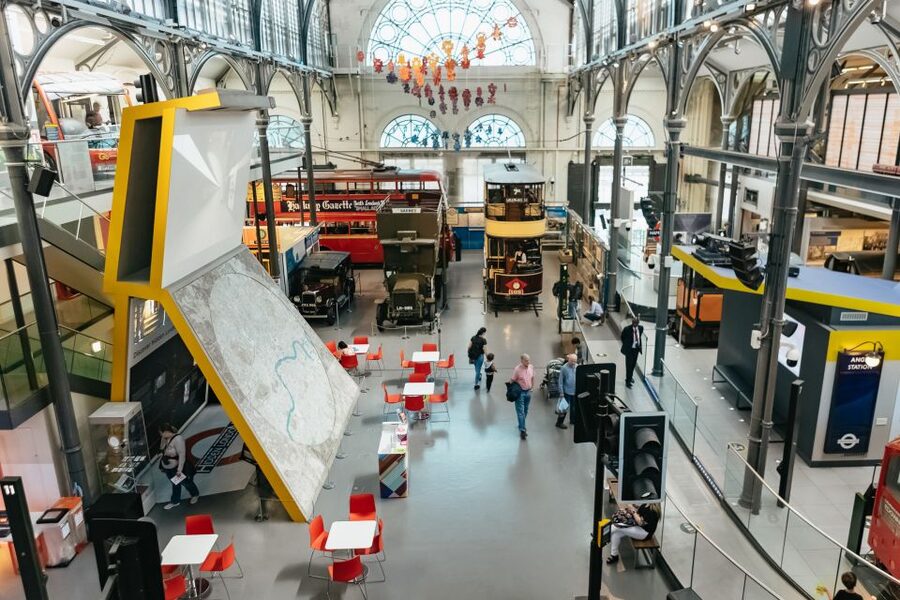
London Transport Museum tells London’s story through the machines that moved it. You’ll see the world’s first underground steam train, early electric Tube railway equipment, old buses, famous maps, and the design work that gave London transport its instantly recognisable look. I like the way the museum connects transport with the growth of the city, rather than treating vehicles as isolated objects.
I also like the mix of hands-on exhibits and serious historical material. You can try a modern Elizabeth line driving simulation, study the birth of the Underground map, and examine more than 100 poster artworks in the Global Poster Gallery. The main drawback is noise and crowding during weekends and school holidays, especially around the children’s play areas.
Key points to know before you go
- See the first Underground trains: Historic steam and electric railway exhibits explain how London changed after underground travel began.
- Try modern train controls: The Future Engineer’s area lets you drive a simulated Elizabeth line train.
- Study London’s graphic identity: The Global Poster Gallery includes more than 100 posters and a display on how posters were made before digital design.
- Plan for one to three hours: A quick visit takes about 1 to 1.5 hours, while a careful visit can fill three or four hours.
- Bring children, but choose your timing: Play areas and interactive exhibits work well for young visitors, though the museum can become loud and crowded.
- Use the Covent Garden location: The museum sits in the centre of London, so it fits neatly into a day around Covent Garden, theatres, and the West End.
Why London Transport Museum explains the city so well
Many transport museums are collections of old vehicles. This one goes a step further. It shows how buses, trams, trains, maps, signs, and posters helped London become the city you see today.
That makes the museum useful even if you are not especially interested in engines. London’s transport system changed where people lived, how they worked, and how quickly the city could grow. The Underground was not just a way to get from one station to another. It reshaped daily life.
You move through displays covering the period from horse-drawn buses to modern rail technology. Historic vehicles give the museum its visual appeal, but the surrounding material gives them meaning. You learn how London built underground railways, how electric Tube services developed, and how a transport network became part of the city’s identity.
I especially like the way familiar symbols are treated as design history. The red, blue, and white Tube branding, the roundel, and the diagrammatic Underground map are more than useful signs. They are pieces of public design recognised well beyond Britain.
More museums and galleries in Britain:
- Liverpool: Liverpool Football Club Museum and Stadium Tour
★ 4.8 · 10,764 reviews - Tower of London and Crown Jewels Exhibition Ticket
★ 4.5 · 6,677 reviews - London: Chelsea Football Club Stadium and Museum Tour
★ 4.8 · 4,576 reviews
Starting in Covent Garden
The museum is in the heart of Covent Garden, making it easy to combine with other central London plans. You meet at the museum itself, with no separate coach transfer or complicated meeting point.
The Covent Garden setting matters because the museum feels tied to the city around it. After seeing how public transport developed, you can step outside into one of London’s busiest historic districts and continue exploring on foot.
Allow a little extra time to arrive, particularly if you have young children, because large bags and luggage are not allowed inside. Stroller and buggy parking is available, which helps families who do not want to take a pushchair through every gallery.
Last entry is at 5:00 PM, and the museum closes at 6:00 PM. The ticket is described as a one-day admission, so you have plenty of time to set your own pace rather than rushing from one timed stop to another.
From horse-drawn buses to the Underground
The early galleries trace London’s transport story from horse-drawn buses through trams, buses, and underground railways. This gives you a clear sense of progression. The transport system did not appear fully formed. It developed through practical changes in vehicles, routes, power, and engineering.
Large historic vehicles are the main visual draw. You can see how the design of London buses and rail vehicles changed over time, and how each generation responded to the needs of a growing population.
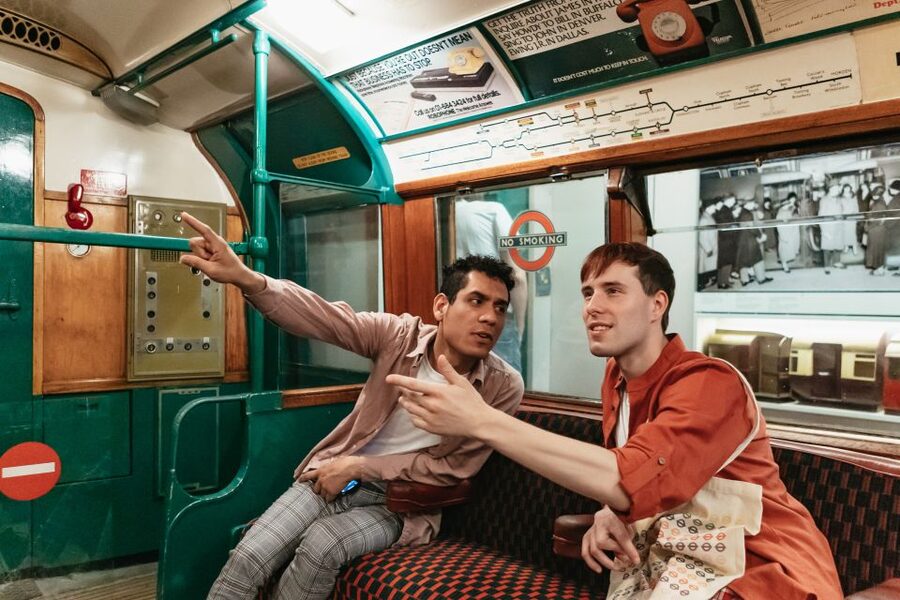
The Underground sections are particularly worthwhile if you want to understand how difficult early subway construction was. The world’s first underground steam train helps place London at the beginning of urban underground rail travel. Nearby material about the electric Tube railway shows how the system moved toward cleaner and more efficient operation.
You will not simply see old railway equipment and move on. The displays connect engineering choices with the wider city. Underground lines allowed London to spread, while buses and trams linked districts that railways did not reach as easily.
For adults, this part provides the historical framework. For children, the large vehicles offer an immediate way into the subject. The museum works well for mixed-age groups because you can read carefully while younger family members look, touch, and play.
The Underground map and London’s visual language

The London Underground map is one of the museum’s most important design subjects. Its simple diagram changed how people understood a complicated railway network.
The map does not try to show London exactly as it appears on the ground. Instead, it makes connections and routes easy to read. That idea is familiar now, but it was a major change in public information design.
You can also examine the famous Tube logo and other elements of London transport branding. These displays explain how a public service developed a consistent visual identity across stations, vehicles, posters, and printed material.
I find this especially useful if you are visiting London for the first time. Once you understand the map and the visual signs, using the Tube becomes less intimidating. The museum gives you the story behind symbols you will probably see repeatedly during your stay.
A few more things to do in Britain worth a look
- London: The London Eye Entry Ticket
★ 4.6 · 35,875 reviews - London: Tower Bridge Entry Ticket
★ 4.7 · 15,560 reviews - London: Westminster Abbey Entrance Ticket
★ 4.6 · 11,254 reviews - London: St Paul’s Cathedral Entry Ticket
★ 4.7 · 9,813 reviews
The Global Poster Gallery and pre-digital design
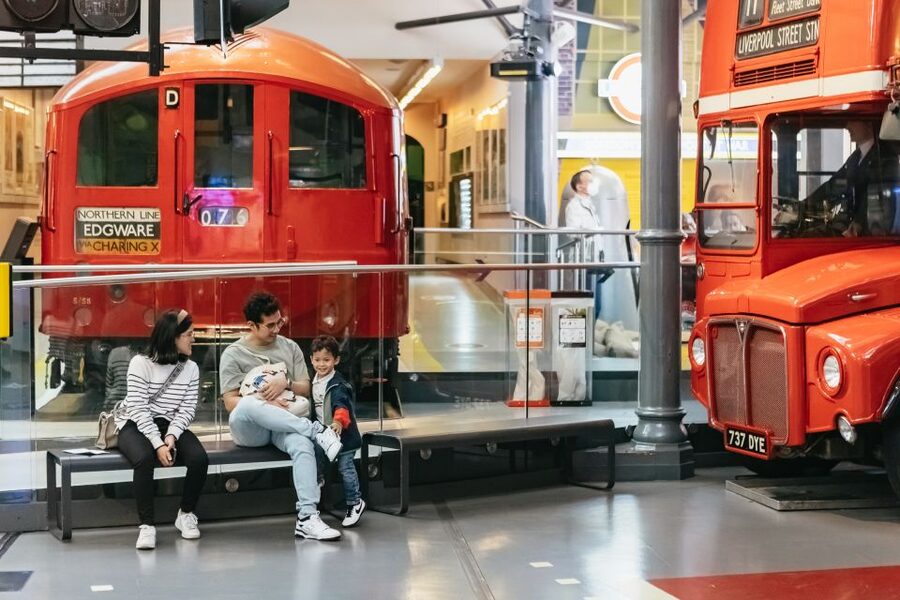
Admission also includes the Global Poster Gallery, a permanent gallery opened in October 2023. It focuses on commercial poster art and design, with more than 100 poster artworks and posters on display.
This is not just a collection of attractive old advertisements. The gallery looks at how posters were commissioned and made from around 1900, before digital design changed the process.
The exhibition How to Make a Poster explores the stages behind poster production. You can see how an idea moved from a commission to a finished public image, and how artists used colour, lettering, illustration, and layout to catch attention from a distance.
The gallery adds variety to the vehicle displays. If you enjoy graphic design, advertising, or London’s visual culture, you may spend longer here than expected. If you are visiting with restless children, it is a quieter section to save for when their attention returns.
The poster collection also helps explain why London transport became so recognisable. The vehicles carried people, but the posters and signs gave the network a shared public face.
Future Engineer’s simulation and family activities
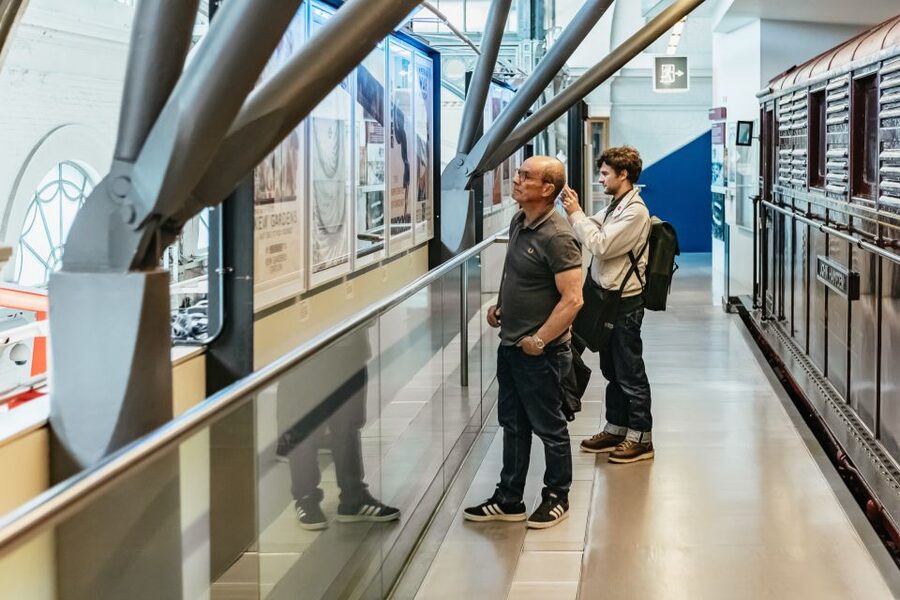
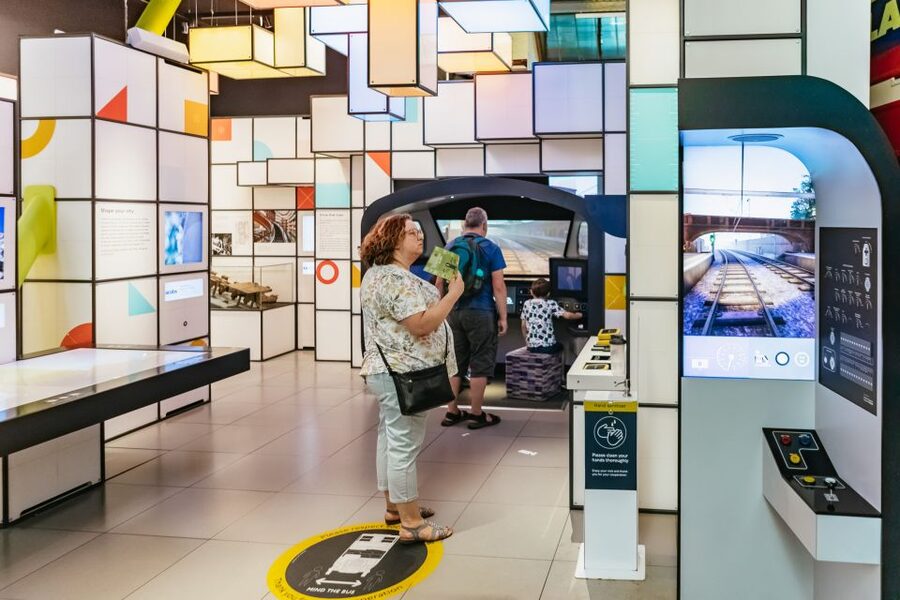
The Future Engineer’s area brings the subject into the present. You can drive a modern Elizabeth line train through a simulation, giving you a practical sense of the controls and decisions involved in operating a contemporary railway.
It is a useful contrast with the old steam train. The museum shows transport as a continuing process, not a story that ended with the first Underground line.
Other interactive features include activities connected with train operation, railway track switches, and maintenance tasks such as changing a brake pad. These displays give children something to do, but adults can also learn from them because they show the work behind a functioning transport system.
Families with very young children have additional play space and puzzles. Several age groups can find something to do at the same time, which is one reason the museum suits groups ranging from toddlers to grandparents.
The hands-on areas are also the main source of noise. During busy weekends and school holidays, the museum can feel loud, especially if several play areas are in use at once. If you prefer a calmer visit, go in the morning and avoid school breaks when possible.
How much time should you allow?
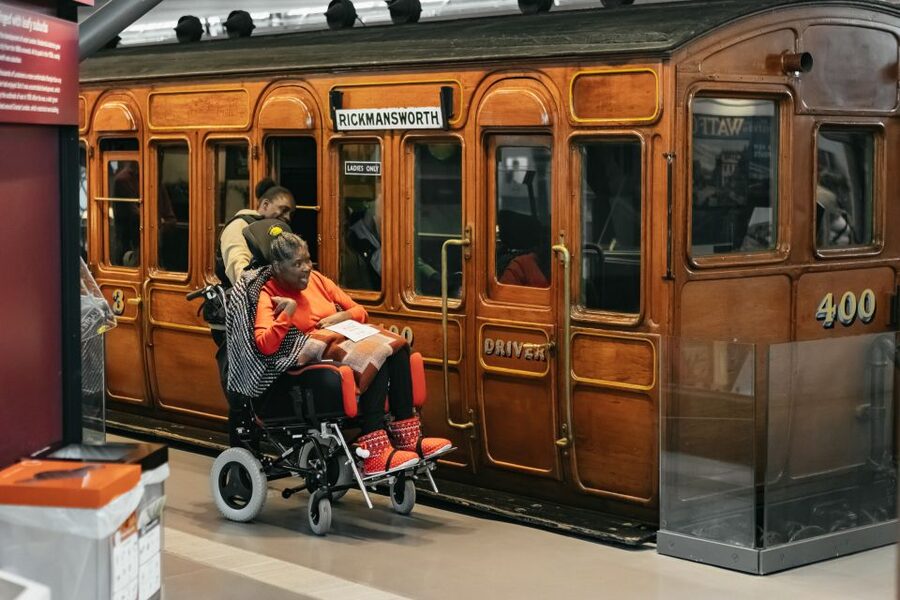
A quick visit can take around 1 to 1.5 hours if you focus on the main vehicles, the Underground story, and a few interactive displays. That works well if you are fitting the museum between other Covent Garden plans.
I would allow two to three hours for a relaxed family visit. This gives you time to read selected panels, try the train simulator, explore the poster gallery, and let children use the play areas without constant clock watching.
If you want to examine the collection carefully, three to four hours is realistic. The amount of time depends on how closely you read the information and how long you spend with the interactive sections.
The ticket is priced at about $33 per person. That is not a minor admission fee, so value depends on how you use it. For a short adult visit focused only on a few vehicles, it may feel expensive. For a family that spends several hours using the activities and galleries, it becomes easier to justify.
The one-day format gives you flexibility, but the museum’s central location is the bigger value advantage. You are not travelling across London for a single attraction. You can pair it with Covent Garden, nearby shops, restaurants, or a theatre plan.
Who will enjoy it most?
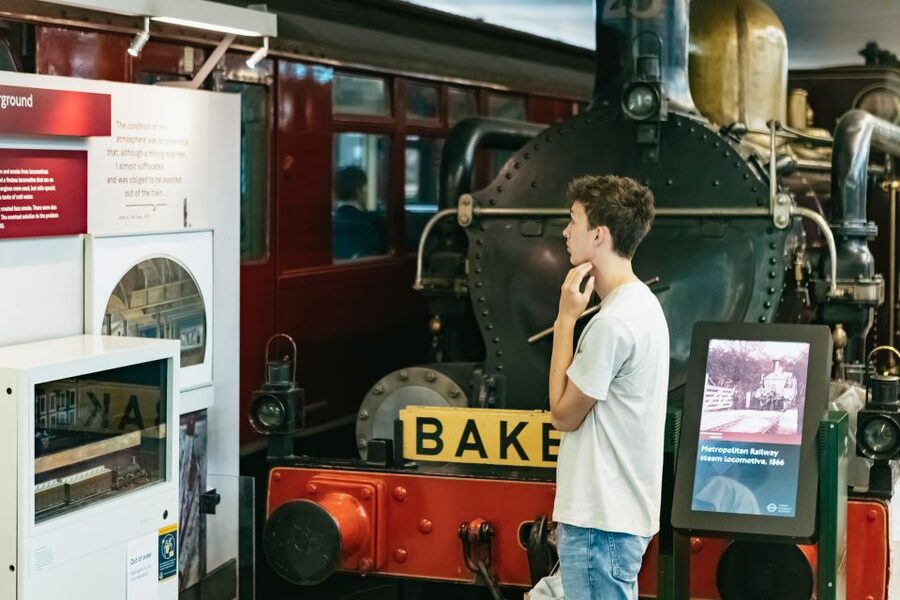
This is an excellent choice for families with children from toddler age through the early teenage years. Younger children have play areas and large vehicles, while older children can try interactive railway controls and learn how the Underground works.
It also suits adults who enjoy London history, public design, engineering, or transport. You do not need to be a train enthusiast. The museum’s strongest material connects vehicles with the city’s growth and daily life.
Grandparents and grandchildren can enjoy it together because the exhibits offer several entry points. Older visitors may remember London buses and Underground trains from earlier decades, while children can approach the same subject through simulations and games.
Couples and solo visitors should think about timing. The museum is not adults-only, and its family focus is clear. Visit outside weekends and school holidays if you want more time with the displays and less noise around the interactive areas.
The gift shop is also worth allowing a few minutes for. It carries London transport themed items, and the museum’s design material makes the shop feel connected to what you have just seen rather than tacked on at the end.
Practical details that affect your visit
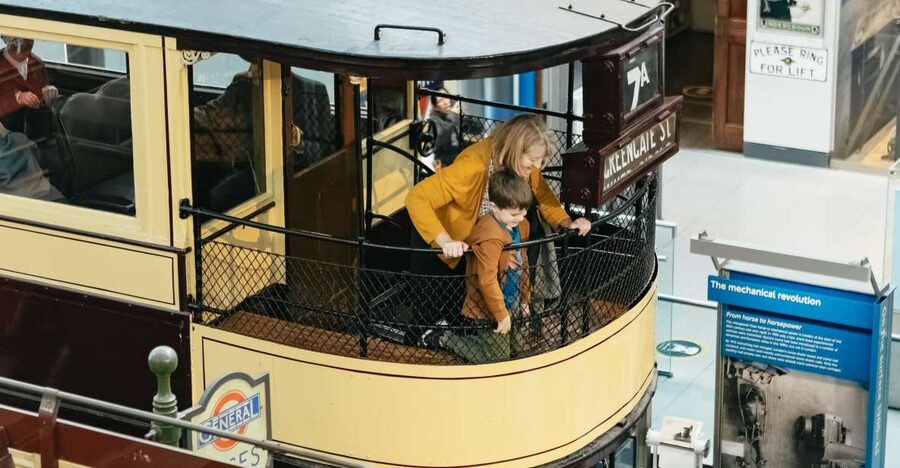
The museum is wheelchair accessible. Large bags and luggage are not allowed, so do not treat it as a place to store suitcases between hotel checkout and an evening train.
You can cancel up to 24 hours in advance for a full refund, and the reserve now, pay later option can help if your London schedule is still shifting. These booking terms are useful for a city break where weather, theatre plans, and transport delays can alter the day.
Entry includes temporary exhibitions as well as the main museum and the Global Poster Gallery. Check the final entry time carefully: you must arrive by 5:00 PM, with closing at 6:00 PM.
The museum is generally easy to follow, but a busy day can make the route feel less relaxed. Morning entry is the most practical choice if you want a quieter start. Families should also remember that the museum can be enjoyable without seeing every label. Choose a few sections and let the children set the pace.
Is the London Transport Museum worth booking?
I would book this museum if you want an activity that combines London history, design, engineering, and family entertainment in one central location. The strongest reasons are the first Underground railway displays, the map and branding material, the Global Poster Gallery, and the Elizabeth line simulation.
At about $33 per person, I would not plan it as a quick stop. Give yourself at least two hours, and preferably more if you have children. The value improves when you use the interactive areas and take time with the poster and map displays.
Skip it if your London schedule is already packed and you only have an hour for a very quick look. Otherwise, it is one of the more useful indoor attractions in Covent Garden, especially on a rainy day or when you need a break from sightseeing outdoors.
FAQ
Where is London Transport Museum?
London Transport Museum is in Covent Garden, in central London.
How long does a visit take?
A quick visit can take about 1 to 1.5 hours. If you study the displays and use the interactive exhibits, allow around three to four hours.
What are the museum’s opening and last entry times?
Last entry is at 5:00 PM, and the museum closes at 6:00 PM daily.
Is the museum suitable for children?
Yes. It includes interactive exhibits, a train driving simulator, play areas, puzzles, and activities for different ages.
Is London Transport Museum wheelchair accessible?
Yes, the activity information states that the museum is wheelchair accessible.
Can I bring luggage or a large bag?
No. Luggage and large bags are not allowed inside. Stroller and buggy parking is available.
Just added in Britain
- Cornwall: Guided Seal Safari by Boat★ 4.7 · 63 reviews
- Bristol: Air Raid Shelter & St. Nicholas Market Walking Tour★ 4.8 · 320 reviews
- Admission Ticket to Sick To Death in Chester★ 4.5 · 384 reviews
- Guided City Walking Tour of Newcastle★ 5.0 · 548 reviews
- Cambridge: Alumni-Led Walking & Punting Tour w/Kings College★ 4.6 · 418 reviews
- Torquay Coastal RIB Seafari★ 5.0 · 410 reviews
- Pilgrims’ Path walk across the sands to Holy Island★ 5.0 · 89 reviews
- Manchester: Media City & The Quays Guided Walking Tour★ 5.0 · 165 reviews
Museums, compared.

Liverpool Football Club Museum and Stadium Tour
Read our review →
Tower of London and Crown Jewels Exhibition Ticket
Read our review →
Chelsea Football Club Stadium and Museum Tour
Read our review →



Official tickets: Moco Modern & Contemporary Art Museum
Read our review →Browse the lists this tour appears in