
Reviewed · BEATLES TOURS
Liverpool Beatles Museum Entry Ticket
The Liverpool Beatles Museum puts you close to the objects behind the legend: John Lennon’s glasses, Hamburg-era instruments, Sgt. Pepper medals, and the white cello from Magical Mystery Tour. Spread across three floors of a Grade II listed building on Mathew Street, it tells the story in time order, from local Liverpool clubs to the band’s final years.
I like the large number of genuine personal items and the way the displays connect the Beatles with other musicians and the culture around them. I also like the freedom to set your own pace. The main drawback is simple: there is no lift, and the museum is better for people who want to read, watch, and study objects than for anyone seeking a hands-on attraction.
Key points
- More than 1,000 original items: See instruments, clothing, letters, photographs, film, and personal belongings across three floors.
- A clear time line: The displays move from Liverpool and Hamburg to worldwide fame and the experimental studio period.
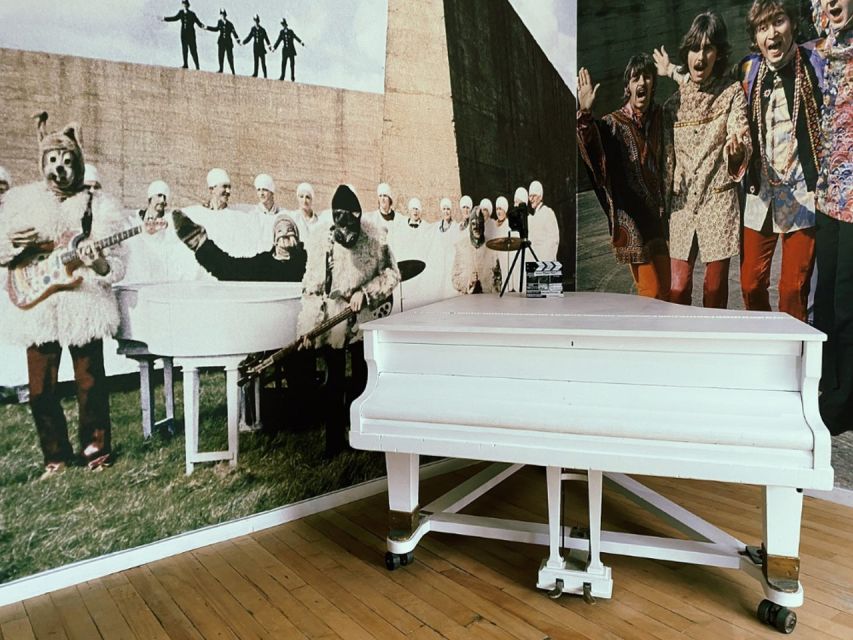
- Rare Beatles objects: Look for John Lennon’s glasses, Sgt. Pepper medals, the white Magical Mystery Tour cello, and Paul McCartney’s bass amp.
- A self-paced visit: Plan on roughly two hours, though dedicated fans may stay three hours or longer.
- Prime Mathew Street location: The museum is only yards from the Cavern Club and close to other Beatles sites.
- No lift access: You need to use the stairs between floors.
What the Liverpool Beatles Museum does best
This is not a small wall of framed photographs with a few replica guitars. The museum contains more than 1,000 authentic objects, arranged over three floors in a Grade II listed building at the heart of Liverpool’s Beatles quarter.
That scale matters. You can move past familiar photographs and album references, then suddenly find yourself looking at something physical that belonged to the story: an instrument from the Hamburg period, a handwritten letter, a piece of clothing, or an item tied to a famous performance.
The museum also gives you a useful local angle. The Beatles are presented not only as international stars, but as young musicians shaped by Liverpool, Hamburg, their friends, other artists, and the music scene around them. That makes the visit more than a greatest-hits display.
I especially like the chronological layout. You do not need to arrive with a strong grasp of Beatles dates or band changes. The order helps you follow the rise from local performers to recording pioneers without constantly checking a guidebook.
Other music history in Liverpool:
- Beatles Magical Mystery Tour
★ 5.0 · 9,266 reviews - Liverpool: “Blue Route” – City & Beatles Tour
★ 5.0 · 8,562 reviews - Liverpool: City & Beatles Tour with Live Guide & Live Music
★ 4.8 · 5,249 reviews
Starting in Liverpool and Hamburg
The early rooms focus on the years before worldwide fame. This is the part I would take slowly, even if you already know the broad outline of the Beatles story.
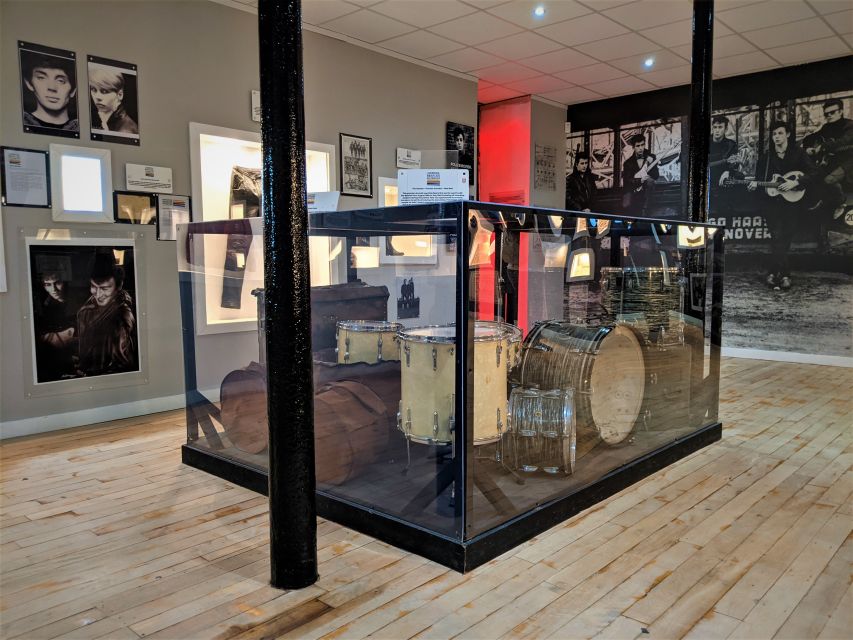
You will see material tied to Liverpool and Hamburg, including original guitars and drums from the band’s Hamburg days. Those objects help explain the Beatles as a working band, not yet the polished group seen on later album covers.
The displays also place the Beatles among other musicians of the period. That wider setting is one of the museum’s strengths. The group did not develop in isolation, and the collection gives you a better sense of the people and music around them.
If you know the band mainly through the later records, this opening section can be especially useful. It shows the rougher, busier years that came before Beatlemania. If you are already steeped in Beatles lore, look closely at the photographs, letters, and less familiar personal items. The early material is often where the museum feels most distinctive.
A small caution: the building is compact, so the early displays can feel closely packed. Take your time and avoid rushing from one case to the next. The amount of written information is considerable, and the visit rewards patience.
Following the rise to worldwide fame
The next stages trace the group’s jump from Liverpool success to international stardom. The chronological setup makes the change easy to follow. You can see how the band’s public image, working life, and music developed as the years moved on.
Photographs and personal objects fill out the story between the headline events. This is useful because a Beatles display can easily become a parade of famous album covers. Here, the supporting material gives you a fuller picture of the people behind the records.
The museum also includes exclusive interviews and previously unseen footage. These add movement and sound to an otherwise object-based visit. Music plays through the floors, helping the displays feel connected to the songs rather than frozen in a glass case.
An audio guide is available for an extra charge, reported by several visitors as about £1. It is not part of the basic entrance fee, so ask at the desk if you want it. I would consider paying for it if you are new to the Beatles or want more explanation about the early Liverpool years. If you prefer to read at your own speed, the labels and displays can carry much of the visit on their own.
One point to keep in mind is that the audio commentary may not suit everyone. One visitor found the computer-generated voice grammatically awkward and preferred a human narrator. For me, that makes the audio an optional aid, not an essential purchase.
The instruments and objects worth seeking out
Some of the best moments here come from knowing what to look for before you arrive. The collection includes several one-of-a-kind or highly personal pieces:
- John Lennon’s glasses
- Original guitars and drums connected with the Hamburg years
- John Lennon’s Sgt. Pepper medals
- The white cello from Magical Mystery Tour
- Paul McCartney’s bass amp
- Letters and other personal papers
- Photographs, clothing, and accessories
- Film footage and interviews
These objects matter because they bring scale to a story that has become almost too familiar. An album cover is easy to recognize. A personal belonging, an instrument, or a piece of stage equipment gives you a more direct sense of the people who used it.
The white cello is a good example. It is not simply another item from a famous period. Its connection with Magical Mystery Tour links a physical object to the band’s increasingly inventive visual and musical world.
The collection also reaches through the end of the Beatles in the 1960s. It does not focus heavily on the members’ solo careers after the split, so you should not come expecting a full post-Beatles survey. The museum’s main story is the group itself, from its local beginnings to its final years together.
More museums and galleries in Liverpool:
- Liverpool: Liverpool Football Club Museum and Stadium Tour
★ 4.8 · 10,764 reviews - Tower of London and Crown Jewels Exhibition Ticket
★ 4.5 · 6,677 reviews - London: Chelsea Football Club Stadium and Museum Tour
★ 4.8 · 4,576 reviews - Chelsea FC Stadium Tours and Museum
★ 5.0 · 1,908 reviews
Three floors, three stages of the story
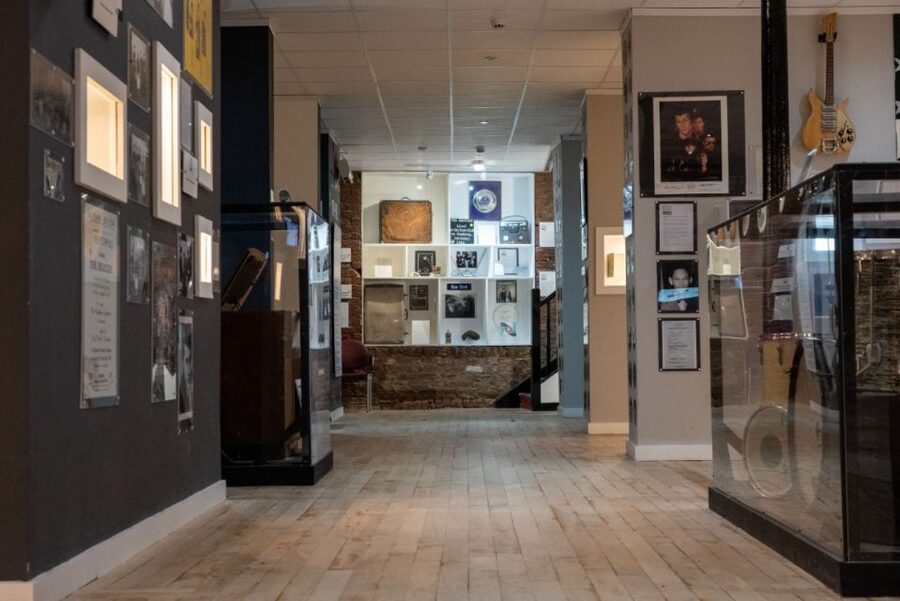
The museum divides the displays by time period, with different eras arranged on separate floors. That setup gives the visit a natural rhythm.
On the first level, expect the early Liverpool and Hamburg years, with emphasis on the group’s formation and first working period. The material here is particularly valuable for showing how much effort came before the global success.
The middle sections cover the rise to fame and the years when the Beatles became a worldwide cultural force. Photographs, clothing, instruments, and written material help connect the public image with the band’s day-to-day story.
The upper level moves into the later, more experimental period. One visitor singled out the third floor as especially strong, and this is likely where fans who enjoy the recording years will find the most rewarding material. The displays connect with the band’s studio work, changing style, and increasingly bold presentation.
You will use stairs between the floors. The listed building has no lift access, so this is an important practical point for anyone with limited mobility. The museum does not present itself as a fully interactive attraction, either. Its pleasure comes from looking closely, reading, listening, and making connections.
How long should you allow?
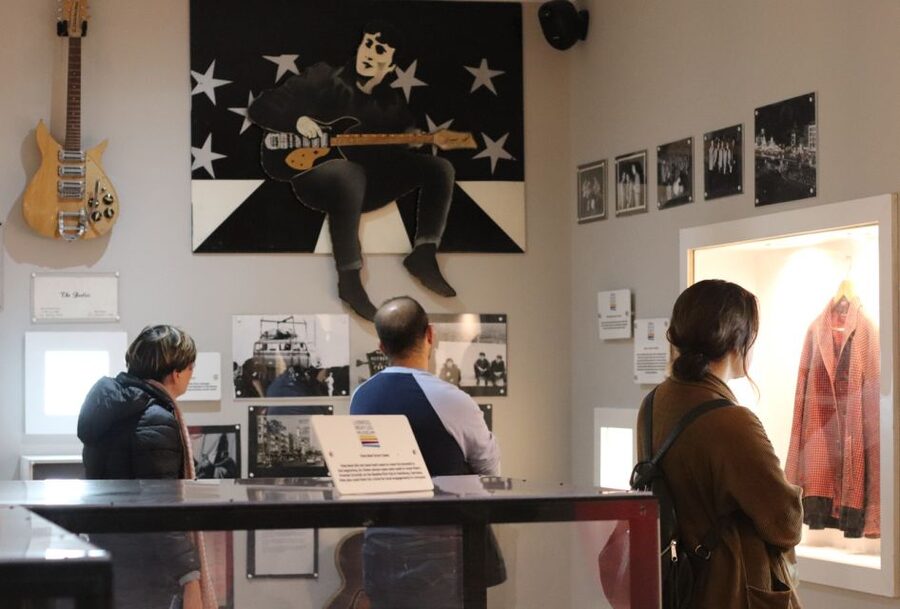
Give yourself at least two hours if you want to read the labels and watch the material without rushing. Many people spend two to three hours inside, and a serious Beatles fan could easily stay longer.
You can move through quickly in less time, but that would undercut the main value. The collection is too large for a brief photo stop. It is also easy to lose track of time, especially in the later rooms where instruments, footage, and music work together.
There are not many places to sit, so plan accordingly if you need regular breaks. One visitor specifically wished for more seating for listening and taking in the material.
The museum is self-guided. That is good news if you dislike being pushed along with a group. You can pause at a favorite object, skip material you already know, or return to a display that catches your eye.
A useful stop beside the Cavern Club
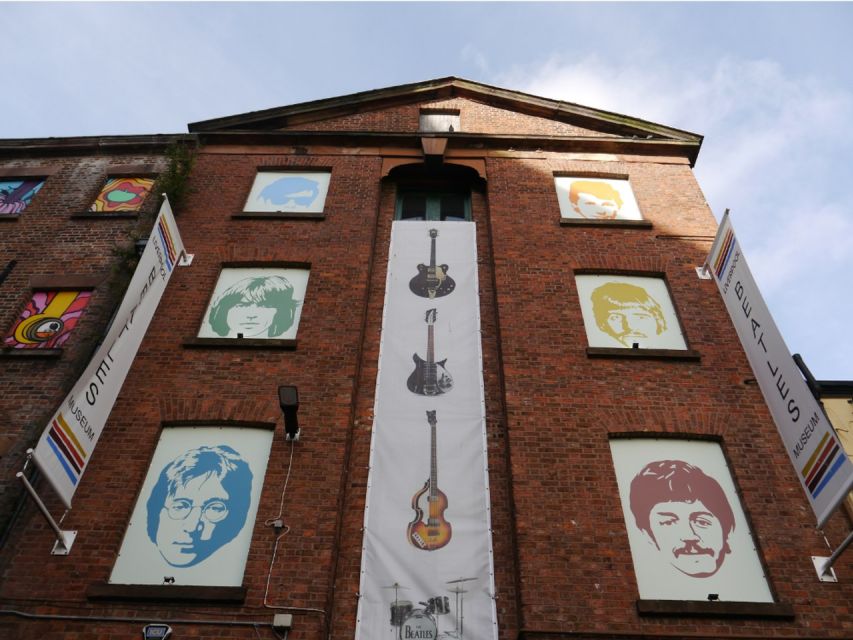
The location is one of the strongest practical reasons to add this museum to a Liverpool day. It is on world-famous Mathew Street, only yards from the Cavern Club and close to the Hard Days Night Hotel.
You can combine it with other Beatles-related stops without building a separate cross-city outing. Visit the museum first for the background, then see the Cavern Club nearby with a clearer sense of why the early Liverpool years mattered. Or do it the other way around and use the museum to fill in the story afterward.
The museum’s central location also makes it a sensible choice if your time in Liverpool is limited. You do not need to commit to a long guided excursion or transport across the city. Go directly to the museum and spend as much time as your schedule allows.
The setting is atmospheric, but do not confuse location with the whole attraction. Mathew Street provides the context. The real substance is inside, in the objects and the careful time line.
Is the $26 admission good value?
At about $26 per person, the ticket is fair value if you have a real interest in the Beatles or music memorabilia. The admission covers the museum entrance, and the collection is large enough to fill a substantial part of a day.
The value comes from the number and quality of original items. You are not paying simply to enter a themed room. You are paying to see a broad collection of instruments, personal belongings, letters, photographs, footage, and period material.
For casual visitors, the price requires a little more thought. If you only want a quick Beatles photo opportunity, this may feel like too much time and money. The museum is at its best when you are prepared to spend two hours or more with the displays.
Compare it with the Beatles Story attraction near the docks only in terms of style, not as a direct substitute. The Beatles Museum is more focused on memorabilia and is less interactive. That makes it a stronger choice for fans who enjoy objects and detail, while first-time visitors seeking hands-on presentation may prefer a more staged format elsewhere.
You can also reserve now and pay later, and cancellation is free up to 24 hours before the visit for a full refund. Check the available starting times when booking, since the ticket is valid for one day rather than for a fixed multi-day period.
Who will enjoy this most?
I would choose this museum for:
- Dedicated Beatles fans who want rare objects and personal details
- Families with older children or teenagers who already know the music
- Visitors building a Beatles day around Mathew Street and the Cavern Club
- Music lovers interested in instruments, performance, and recording history
- People who prefer to explore alone rather than follow a timed group tour
It can also work well for a mixed-age family. One parent may study the labels while younger visitors focus on the instruments, photographs, music, and film.
I would be more cautious if you have little interest in the Beatles, dislike reading-heavy museums, or have difficulty with stairs. The displays are engaging, but they are not built around rides, touch screens, or large interactive set pieces.
Small details that improve the visit
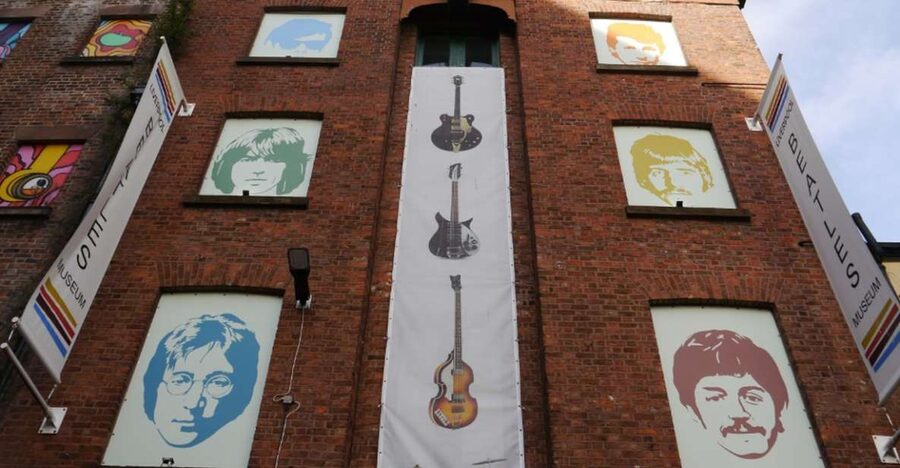
Go earlier in the day if you want more time to examine the cases without feeling hurried. Arriving late can leave you wishing for another hour, especially if you want to use the audio guide.
Read beyond the headline objects. The lesser-known letters, local photographs, and links to other artists often provide the most personal sense of the period.
If you already know the Beatles well, do not skip the labels. The museum includes material from the 1950s through the band’s breakup at the end of the 1960s, and even experienced fans may find unfamiliar details.
Allow extra time for the gift shop if you like music souvenirs. It is described as a small shop with a broad selection of reasonably priced gifts, but the main value of the visit remains the collection upstairs.
The museum is run by Roag Best and his family, adding a direct connection to the early Liverpool story. That background helps explain the strong attention given to the formative years and the local setting.
Should you book the Liverpool Beatles Museum?
Book it if you want real Beatles objects, a clear time line, and a self-paced visit in the middle of Liverpool’s most famous Beatles district. The collection is large, the location is convenient, and two to three hours here can feel like good value at $26.
Skip it if you want a short, highly interactive attraction or a full account of the members’ solo careers. Also check the stair access before booking.
For most Beatles fans, I would make this a priority and pair it with the nearby Cavern Club. The museum gives you the objects and the chronology. Mathew Street supplies the setting. Together, they make the band’s Liverpool story far easier to picture.
FAQ
Where is the Liverpool Beatles Museum?
The museum is on Mathew Street in Liverpool, Merseyside, only yards from the Cavern Club and close to the Hard Days Night Hotel.
How much does admission cost?
The listed price is $26 per person. Food and drink are not included.
How long is the museum ticket valid?
The ticket is valid for one day. Check availability for the starting times offered when you book.
How long should I spend inside?
Plan for at least two hours if you want to read the displays and take your time. Dedicated Beatles fans may spend three hours or longer.
Is the museum accessible by lift?
No. The Grade II listed building does not have lift access, so you need to use the stairs between floors.
Is there an audio guide?
An audio service is available for an extra charge. Several visitors reported paying about £1 at the entrance, but it is not included in the standard admission.
Can I cancel my booking?
Yes. You can cancel up to 24 hours in advance for a full refund. Reserve now and pay later is also available.
Just added in Liverpool
- Downtown Liverpool Walking Tour – In Spanish★ 5.0 · 591 reviews
- Liverpool City Explorer 24 hour hop-on hop-off Bus Tour★ 4.6 · 584 reviews
- Liverpool: British Music Experience Ticket★ 4.7 · 686 reviews
- North Wales Adventure Sightseeing Day Trip from Liverpool★ 5.0 · 678 reviews
- Beatles Famous Walking Tour Of Liverpool- Fully Guided★ 5.0 · 751 reviews
- Liverpool: Beats Tours★ 4.5 · 799 reviews
- A Walk Through Time: History of Liverpool Walking Tour★ 5.0 · 911 reviews
- Ciy Explorer: Hop On Hop Off Liverpool Sightseeing Bus Tour★ 5.0 · 915 reviews
Beatles Tours, compared.
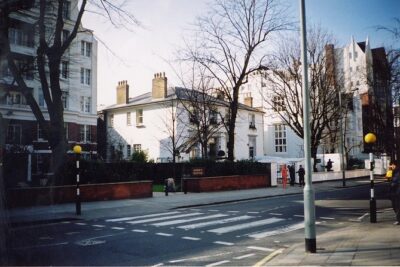
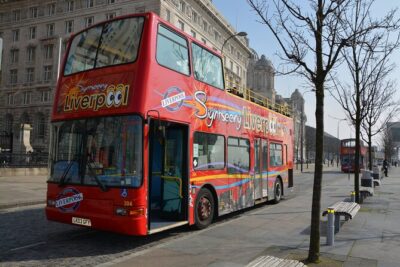

City & Beatles Tour with Live Guide & Live Music
Read our review →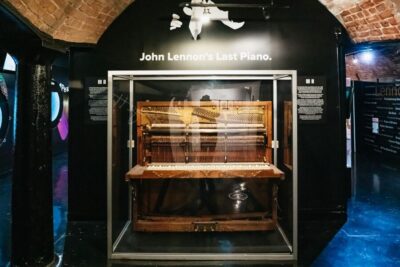

Private 3-Hour Guided Beatles Classic Tour of Liverpool
Read our review →

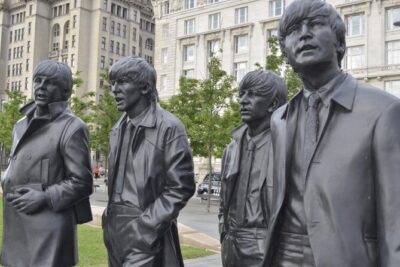
Beatles Famous Walking Tour Of Liverpool- Fully Guided
Read our review →Browse the lists this tour appears in