
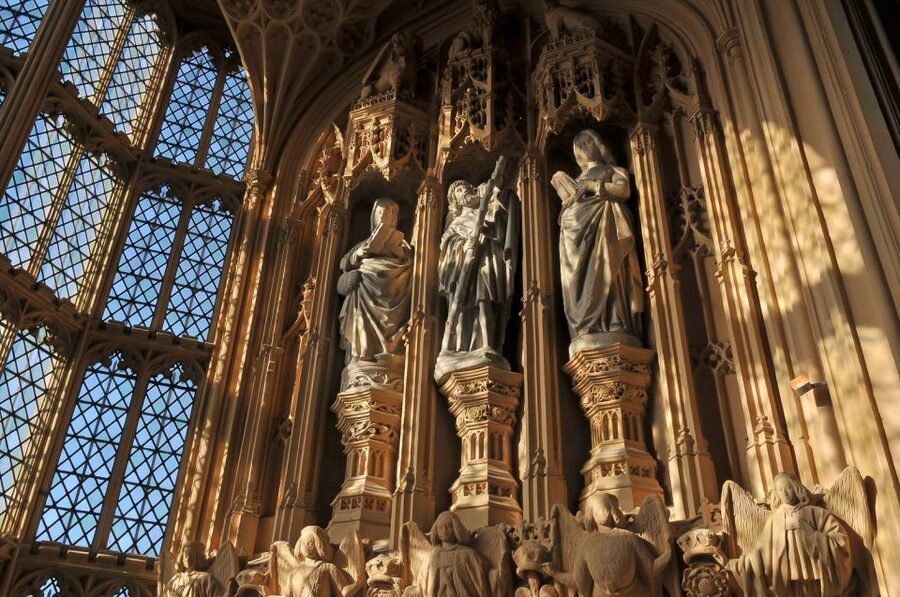
Reviewed · WESTMINSTER AND BIG BEN TOURS
London: Westminster Abbey Entrance Ticket
Westminster Abbey is one of those places where the building and the people remembered inside compete for your attention. You can look up at the Gothic vaults, then look down at the tomb of a monarch, poet, scientist, or politician. The Coronation Chair gives the visit a direct link to British royal ceremony, while Poets’ Corner brings you close to some of the country’s best-known writers.
I like the freedom to set my own pace, and I like the well-organized multimedia guide, which is available in 12 languages. The main catch is simple: this ticket does not skip the line, and the Abbey can close for worship or special events. At $41, it is a serious ticket price, but the building offers enough to occupy two hours, and often longer if you read the memorials carefully.
Key points to know before you go
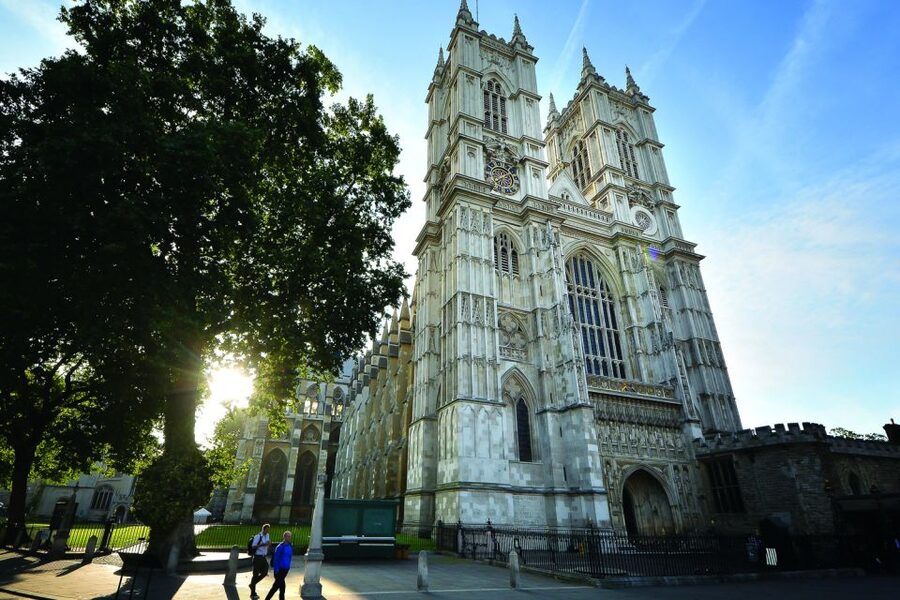
- The Coronation Chair is still used for coronations, and every British monarch’s coronation since 1066 has taken place at Westminster Abbey.
- Poets’ Corner is a highlight, with memorials and burial places connected to writers such as Shakespeare, Dickens, and Austen.
- The multimedia guide is included in English, Arabic, Chinese, Dutch, French, German, Italian, Japanese, Polish, Portuguese, Russian, and Spanish.
- Allow two hours at minimum, though you may want longer if you stop at the tombs and memorials.
- Enter at the North Door on North Green, where you present your voucher at the ticket office.
- Queues can be unpredictable, even with a booked ticket, and large bags, luggage, smoking, pets, alcohol, drugs, and audio recording are not allowed.
Why Westminster Abbey feels different from an ordinary museum
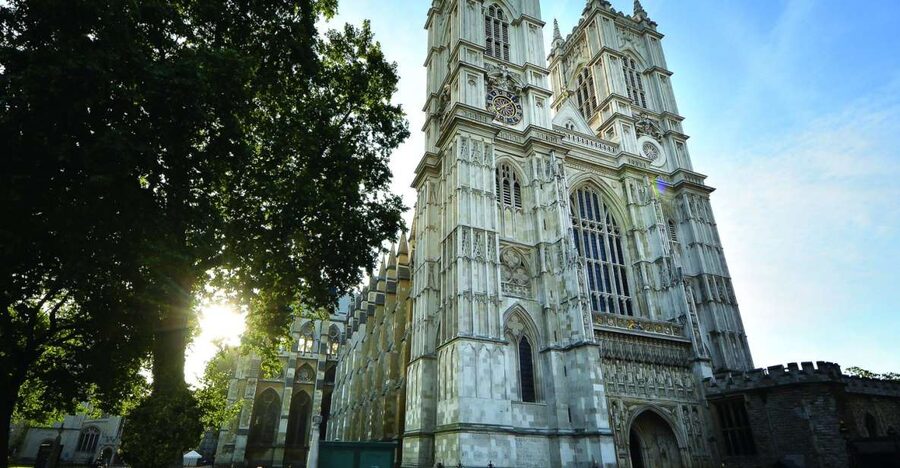
Westminster Abbey is a working church, not simply a historic attraction. That matters. You are walking through a place still used for worship, prayer, ceremonies, and major national events. At certain moments, the atmosphere feels quiet and solemn, even with other people moving along the visitor route.
The Abbey’s importance comes from several layers at once. It is a royal church, a burial place, a memorial hall, and a remarkable piece of Gothic architecture. You can see where monarchs were crowned, then turn toward a memorial to a playwright or scientist. The result is not a tidy timeline. It is a dense collection of people and events packed into one building.
I find that this makes the visit rewarding but demanding. There is so much to notice that a quick walk through can leave you with only a blur of names and stonework. The audio guide helps you choose what deserves attention, but you should still give yourself time to pause.
More of political London:
- London: Westminster to Tower Bridge River Thames Cruise
★ 4.5 · 6,127 reviews - Westminster to Greenwich Sightseeing Thames Cruise in London
★ 4.5 · 2,969 reviews - London: Westminster and Changing of the Guard Tour
★ 4.5 · 2,171 reviews
Entering through the North Door on North Green
Your practical starting point is the ticket office at the North Door, on North Green. Present your voucher there, then go through the entry checks before entering the Abbey. This is worth knowing because arriving at the wrong side of the building can waste time, particularly if you have a timed plan for the rest of your day.
Do not treat the $41 ticket as a fast-track pass. It is a standard entry ticket, and the information provided specifically warns that a long queue may form. Some people have entered quickly, while others have spent around 20 minutes exchanging an online voucher for a physical ticket. Your experience may depend on the day, the time, and the number of people arriving together.
An early start is a sensible choice. Several visitors found morning entry easier, and arriving around midday sometimes meant only a short wait, but there is no promise of a quiet entrance. Bag checks and ticket scanning are generally handled quickly when the queue is moving.
Large bags and luggage are not allowed. You also cannot bring pets, except assistance dogs, and smoking, alcohol, drugs, and audio recording are prohibited. Pack lightly so the entry process does not become your first major stop.
Gothic architecture that rewards looking up
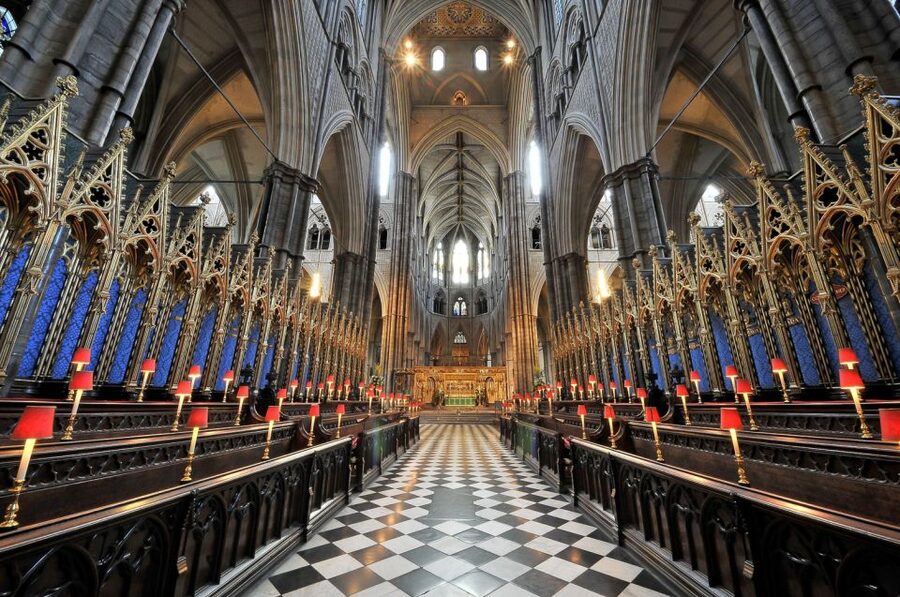
Once inside, give yourself a moment before following the route. The first impact comes from the scale of the interior, with pointed arches, soaring ceilings, carved details, stained glass, and stonework that can keep your eyes busy for the entire visit.
The ceiling is especially worth watching. Several people have spent much of their time photographing or simply studying the patterns overhead. You may find that the most memorable parts are not always the grandest monuments, but small carvings, worn lettering, and details tucked into corners.
The architecture is not just decoration. It creates the setting for the Abbey’s ceremonial role. Coronations, royal weddings, state funerals, and services all gain weight from the height and darkness of the space. Even if British history is not your main interest, the building itself gives you plenty to see.
Photography may be tempting, but remember that this is a working church. Move carefully, follow staff instructions, and be prepared for areas where the atmosphere calls for quiet rather than constant picture taking.
The Coronation Chair and the royal story
The Coronation Chair is one of the clearest reasons to visit. It is described as the oldest piece of furniture in the country still used for its original purpose. Since 1066, Westminster Abbey has hosted the coronation of every British monarch, including Queen Victoria and Elizabeth II.
The chair makes a long stretch of history feel physical. Instead of hearing only about royal succession, you are looking at an object connected to repeated ceremonies across centuries. It is easy to rush past it as one more display, but I recommend stopping and considering how many monarchs have sat there.
The royal tombs and memorials add another layer. You will encounter the burial places of monarchs and members of royal families, including Elizabeth I and Mary, Queen of Scots. The Abbey also connects to the story of the young princes Edward V and Richard, Duke of York, whose resting place has particular interest for visitors familiar with the complicated history of the English crown.
You may find the inscriptions difficult to read. Some are in Latin, and a self-guided visit cannot always explain every name or dynasty in enough detail. If royal genealogy is your main reason for coming, prepare to spend extra time with the guide and printed information, and do not expect every tomb to tell its story in plain English.
More cathedrals and abbeys near London:
- London: St Paul’s Cathedral Entry Ticket
★ 4.7 · 9,813 reviews - Leeds Castle, Cliffs of Dover and Canterbury Day Trip from London with Guided Cathedral Tour
★ 4.5 · 2,820 reviews - London: Westminster Abbey, Big Ben & Buckingham Guided Tour
★ 4.8 · 2,170 reviews - Westminster Guided Walking Tour with Abbey Entry
★ 5.0 · 1,282 reviews
Poets’ Corner and the memorials inside
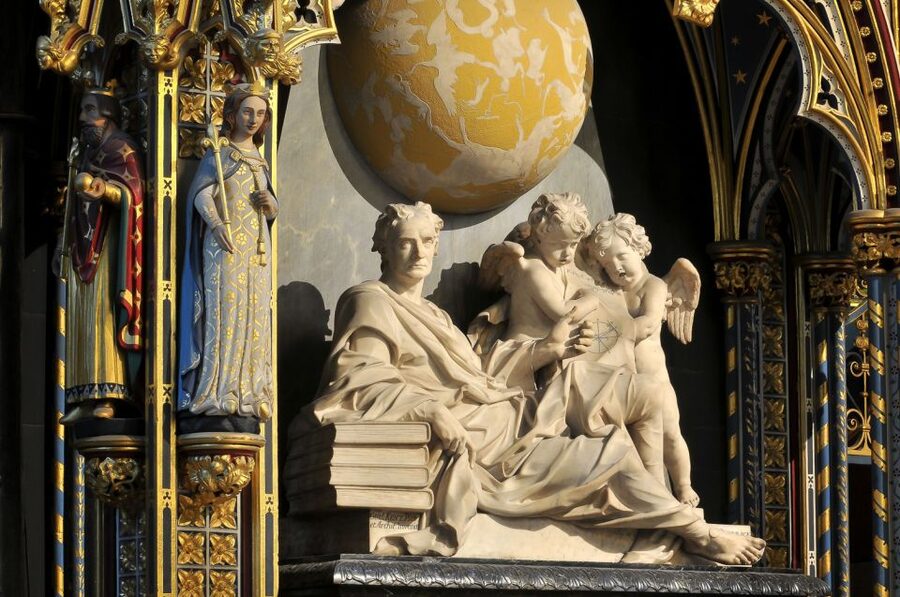
Poets’ Corner is one of the most popular areas because it shifts attention from kings and queens to writers. The name comes from the concentration of poets and authors buried or remembered there. Shakespeare, Dickens, and Austen are among the literary names associated with the Abbey, although not every famous writer has a tomb in the same form.
This section works best if you arrive with a few names in mind. Look for the writers you know, then allow yourself to notice authors and memorials that are less familiar. The Abbey’s literary connections include both actual burial places and commemorative plaques, so the experience is broader than a simple graveyard visit.
The same is true elsewhere in the building. Scientists, musicians, politicians, and other major figures are represented among the tombs and memorials. I like this part of the visit because it shows how Britain has chosen to remember achievement in many fields, not only royal power.
The drawback is crowding. Poets’ Corner and the tombs can become slow-moving areas, especially when several people stop to read or take photographs. The flow is usually manageable, but you may need patience and a little courtesy. Stand aside if you want to study an inscription rather than blocking the route.
How the multimedia guide shapes the visit
Your ticket includes a multimedia guide on arrival. It is available in 12 languages: English, Arabic, Chinese, Dutch, French, German, Italian, Japanese, Polish, Portuguese, Russian, and Spanish.
The guide provides structure without forcing you into a group. You can follow the numbered points, listen to the explanation, and move on when you are ready. This works well for families, couples, and anyone who dislikes being tied to a guide’s pace. Parents have also found that children can engage with the visit more easily when the route has clear stops and short explanations.
I appreciate the guide most when the building’s inscriptions become hard to read. It gives you context that a quick glance at a Latin inscription cannot provide. It also helps connect the Coronation Chair, royal burials, Poets’ Corner, and architectural features into a story rather than a series of unrelated objects.
Still, the audio content may feel less detailed than a full live tour. Some visitors wanted more explanation, and one person found another London audio tour more thorough. The guide is best viewed as a solid overview, not a personal historian who can answer follow-up questions.
You may also find that listening changes the mood. The narration gives useful information, but some people prefer to pause the audio and experience the quiet of the church. I suggest using it selectively. Listen at the major points, then remove the headset for a few minutes and look around without commentary.
Two hours is a sensible plan, but do not rush
The advertised duration is two hours, and that is a practical minimum for a first visit. You can see the main areas in that time if you keep moving and use the guide efficiently. A shorter visit is possible, but you will probably miss smaller memorials and details in the architecture.
Many people stay two and a half hours or longer. The extra time goes quickly when you stop at royal tombs, read inscriptions, listen to more guide points, and look up at the ceiling. If you have a strong interest in literature, royal history, architecture, or church interiors, I would protect more time than the advertised two hours.
A sensible route is:
- Start with the main architectural spaces and get your bearings.
- Follow the guide to the Coronation Chair.
- Spend time with the royal tombs and memorials.
- Continue to Poets’ Corner.
- Finish with the scientists, musicians, politicians, and other memorials that catch your attention.
The route may not feel completely empty or quiet. The Abbey is one of London’s major sights, and parts of it can become crowded. Staff and officiants help keep people moving, and the visitor flow is generally clear, but you should not expect a private visit.
What the $41 price really buys you
At $41 per person, this is not a casual add-on. You are paying for access to one of London’s most important historic buildings, along with the multimedia guide. The value depends on what you want from a sightseeing stop.
I think the price is easier to justify if you care about architecture, British monarchy, literature, or historic churches. The building contains enough major sights to fill two hours, and the guide gives useful structure. A repeat visit can also make sense because the Abbey changes depending on what catches your eye. On one visit you might focus on royal tombs, while another could center on Poets’ Corner and the architecture.
The value is less clear if you want a quick photo stop or a guaranteed fast entrance. This is not skip-the-line admission, and an occasional closure for a special service or event can affect your plans. You should also know that some areas or displays may involve an extra charge. One visitor chose not to pay separately for the Queen Elizabeth section, feeling that the photographs and objects were not worth the added cost.
Flexible booking helps reduce the risk. You can cancel up to 24 hours in advance for a full refund, and the reserve-now, pay-later option lets you hold a place without paying at the time of booking. Those policies are useful when your London schedule is still shifting, but they do not remove the need to check for closures.
Who will enjoy this self-guided visit most
I would choose this experience if you like setting your own pace and stopping where your interest leads. It suits adults with a clear interest in British history, but it can also work well for families because the route is organized and the guide gives children something to follow.
It is also a good fit for people who prefer audio commentary to a live group. You are not waiting for a guide to gather everyone or moving on before you are ready. Some sessions may include staff or guides who offer extra help, and two named guides, Sarah and Pacino, were praised for making a visit engaging, but you should book this ticket expecting a self-directed experience rather than a guaranteed live tour.
The Abbey can accommodate visitors who need mobility help. A wheelchair was offered to one visitor whose husband could not walk long distances. Because the information does not describe every route or facility, contact the Abbey directly if you have specific access needs.
I would be more cautious if you dislike crowds, cannot stand in a possible entry queue, or want detailed explanations for every inscription. The building is magnificent, but it asks you to share the space and do some of the work yourself.
Practical tips for a smoother visit
Arrive with your voucher ready at the North Door ticket office on North Green. Check the location before setting out, since entering from the wrong direction can add unnecessary walking.
Try for an earlier time if your schedule allows. Morning visits may have shorter queues, though no time is guaranteed to be quiet. Leave room in your plan for security checks and the possibility of a delay.
Wear shoes suitable for standing and walking. The visit may last two hours, and you will probably spend extra time in front of the tombs and memorials.
Use the multimedia guide, but do not let it control every minute. Listen to the main explanations, then take a few quiet minutes to study the architecture and sense the church as a place of worship.
Finally, check the Abbey’s opening information close to your visit. Special services and events can cause occasional closures, and this is a working church first.
Should you book Westminster Abbey?
Book it if you want more than a quick exterior view of Parliament Square. The Coronation Chair, Poets’ Corner, royal tombs, and Gothic interior give you several strong reasons to enter, while the multilingual guide makes the visit easy to follow without joining a group.
Skip it if your London schedule cannot absorb a possible queue, or if $41 feels too high for a self-guided church visit. For most first-time visitors with an interest in British history, architecture, or literature, I think the ticket earns its place in the itinerary. Arrive early, pack lightly, allow at least two hours, and treat the Abbey as a living church as well as a historic sight.
FAQ
How long does the Westminster Abbey visit take?
The stated duration is two hours. You can see the main areas in that time, but you might want two and a half hours or longer to study the tombs, memorials, architecture, and guide commentary.
Is skip-the-line entry included?
No. This is not a skip-the-line ticket, so you may face a long queue before entering.
Where do I enter Westminster Abbey?
Present your voucher at the ticket office at the North Door entry point on North Green.
Is an audio guide included?
Yes. A multimedia guide is provided on arrival. It is available in English, Arabic, Chinese, Dutch, French, German, Italian, Japanese, Polish, Portuguese, Russian, and Spanish.
Can I see the Coronation Chair?
Yes. The visit includes the famous Coronation Chair, which has been used for British coronations since 1066.
Is Poets’ Corner part of the visit?
Yes. You can explore Poets’ Corner, an area known for its many poets and writers, including memorials connected with major literary figures.
Can Westminster Abbey close after I book?
Yes. Westminster Abbey is a working church and may occasionally close because of special services or events. The ticket allows free cancellation up to 24 hours in advance for a full refund.
Just added in London
- Camden Pub Crawl in London★ 5.0 · 238 reviews
- Eating London: Twilight Soho VIP Food & Drinks Tour★ 5.0 · 590 reviews
- Heathrow Airport to Central London Private Transfers★ 4.5 · 402 reviews
- London Pub Crawl★ 5.0 · 247 reviews
- Highlights of Royal London Bike Tour including Hyde Park★ 5.0 · 543 reviews
- Shared Arrival Transfer London Airport to Hotel Accommodation★ 4.0 · 446 reviews
- Sherlock: The Official Live Game★ 4.5 · 460 reviews
- James Bond Shooting Locations 2-Hour Walking Tour of London★ 4.7 · 332 reviews
Westminster and Big Ben Tours, compared.
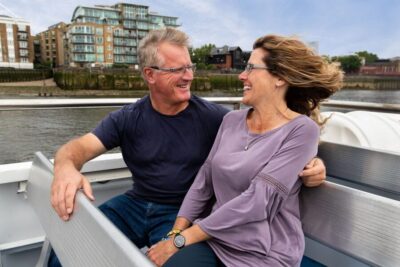
Westminster to Tower Bridge River Thames Cruise
Read our review →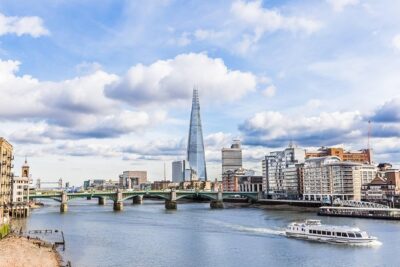
Westminster to Greenwich Sightseeing Thames Cruise in London
Read our review →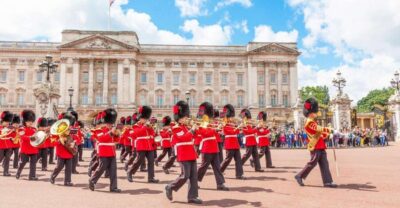
Westminster Abbey, Big Ben & Buckingham Guided Tour
Read our review →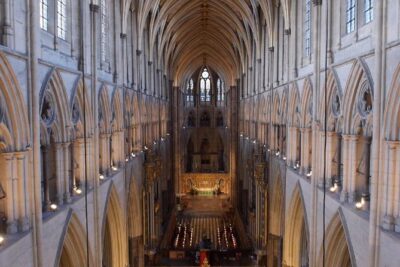
Westminster Guided Walking Tour with Abbey Entry
Read our review →
Walking Tour of London Westminster Abbey, Big Ben, Buckingham
Read our review →
Westminster 3 Hour Walking Tour and Visit of Churchill War Rooms
Read our review →
Westminster WW2 Tour & Churchill’s War Rooms Ticket
Read our review →Browse the lists this tour appears in