
Reviewed · MUSEUMS
London: British Museum Guided Tour
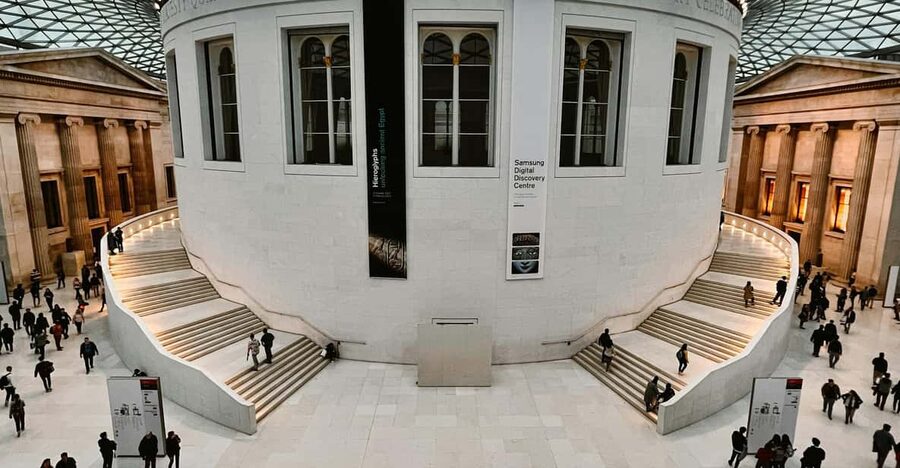
The British Museum is so large that a first visit can feel like opening ten history books at once. This two-hour tour gives you a clear route through the biggest stories, from the Rosetta Stone and Egyptian relics to the Parthenon sculptures, Roman art, Sutton Hoo, and a moai from Easter Island.
I like the way the tour saves you from wandering past major objects without understanding why they matter. I also like the guides’ strong personal touch: Filomena, Stuart, Tara, Lucia, and others have been praised for their clear explanations, humor, care, and ability to adjust the pace. The main drawback is sound. The museum can be noisy, and at least one visitor found it hard to hear a soft-spoken guide.
Key points to know before booking
- The Rosetta Stone anchors the Egyptian section: Learn how one inscribed stone helped scholars read Egyptian hieroglyphics.
- The route covers several civilizations: Expect Egypt, Greece, Rome, Anglo-Saxon England, Easter Island, and additional world cultures.
- Two hours means highlights, not every gallery: This is a smart introduction to a huge museum, not a full-day study visit.
- Guides make a major difference: Filomena and Stuart received especially warm praise for their detail, humor, and care.
- The tour raises ownership questions: Expect discussion of disputed objects such as the Elgin Marbles and Benin Bronzes.
- Plan around the meeting instructions: Meet inside, after security, on the stairs near the pillars, with tickets sent by WhatsApp or email before the tour.
Why a guide helps inside this enormous museum
The British Museum is free to enter, but free does not mean simple. Its galleries cover thousands of years and many parts of the world. You can easily spend half an hour admiring an object without knowing its purpose, its date, or the reason it is displayed among more famous pieces.
That is where this tour earns its fee. At $39 per person, you are paying for a route, interpretation, and someone who can point out the objects worth your limited time. The guide does not just lead you from room to room. The strongest guides connect objects across time, explaining how writing, religion, power, art, and daily life changed from one society to another.
I would think of this as a first-visit orientation. You get the famous pieces and a usable sense of the museum. Afterward, you can return on your own to spend longer with the Egyptian mummies, Greek sculpture, or another collection that caught your attention.
The current rating is 4.5 from 267 bookings, and the praise is remarkably consistent around the guides. Filomena is repeatedly described as warm, energetic, attentive, and keen to involve the group. Stuart is praised for detailed explanations, a dry British sense of humor, and his ability to include less visited objects. Tara gave one group so much information that it was almost overwhelming, which is a useful warning for anyone who prefers a lighter presentation.
More Museum Tours in London:
- Tower of London and Crown Jewels Exhibition Ticket
★ 4.5 · 6,677 reviews - London: Chelsea Football Club Stadium and Museum Tour
★ 4.8 · 4,576 reviews - Chelsea FC Stadium Tours and Museum
★ 5.0 · 1,908 reviews
Meeting the guide and getting through security
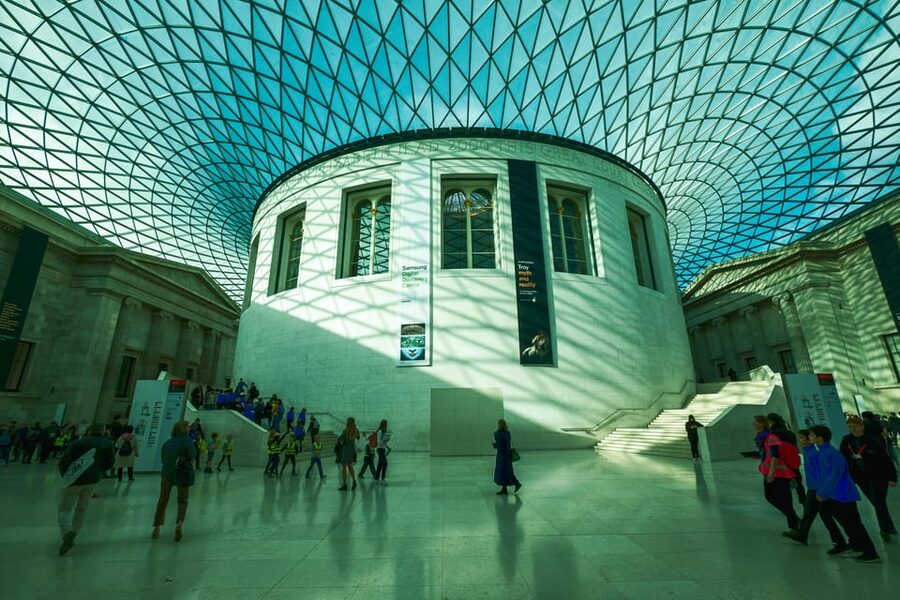
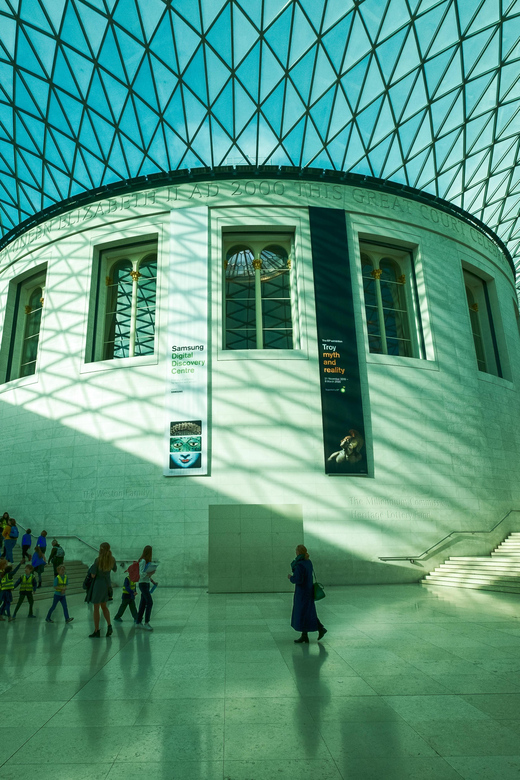
Your meeting point is inside the museum, not outside the gates. First pass through security, then look for your guide on the stairs near the pillars in front of the museum portals. This detail matters. If you wait outside, you may miss the group.
Entry tickets are supplied around one to two hours before the tour. The usual method is WhatsApp, though you can request delivery by email if you do not use WhatsApp. Keep an eye on your phone before setting off, and allow enough time to find the entrance and pass security.
The tour includes an express security check, but transportation is not included. You make your own way to the British Museum in South East England. Wear comfortable shoes and clothing suited to the weather, especially since you may wait outside before security or walk around London before and after the visit.
Tours are offered in English, French, and Italian. Depending on demand, two languages may be used during the same tour. If you need every explanation in one language, confirm the arrangement before booking.
Egypt and the Rosetta Stone
The Egyptian section gives the tour a strong opening because it combines spectacular objects with a clear story about how modern scholars began reading the ancient language.
The Rosetta Stone is the key stop. Its importance comes from the same text appearing in different scripts, allowing scholars to compare the versions and begin deciphering Egyptian hieroglyphics. Your guide can turn what might look like a dark slab covered in writing into a practical lesson about translation and discovery.
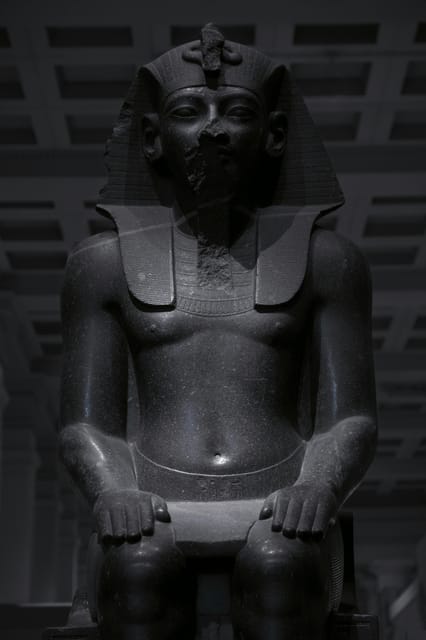
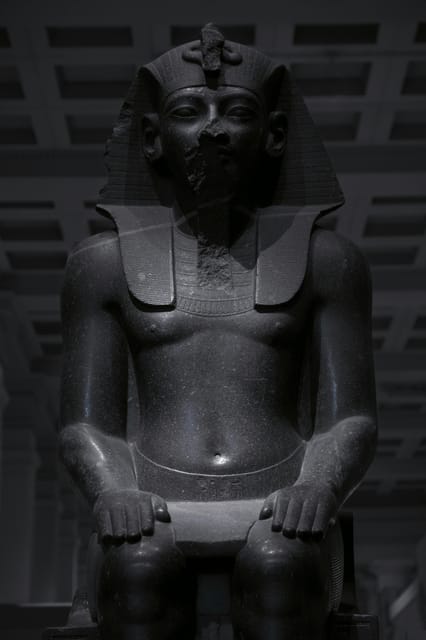
You will also see relics connected with pharaohs and ancient Egyptian life. The value here is not just the age of the objects. It is the chance to understand how writing, kingship, religion, and burial customs fit together. A guide can give you the links quickly, rather than leaving you to pick isolated facts from small gallery labels.
The Egyptian rooms can attract plenty of attention, so stay close to the guide and listen for the meeting instructions at the start. A two-hour visit will not allow a slow reading of every display. If Egypt is your main interest, note the rooms you want to revisit after the tour.
Greek sculpture and the Elgin Marbles
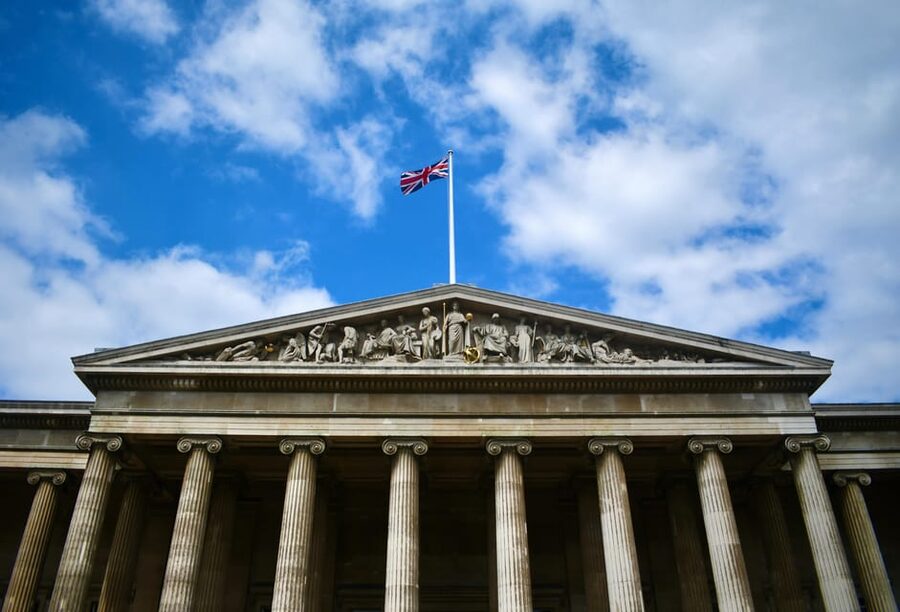
The Greek section brings a different kind of power. Here, the focus shifts from writing and royal authority to architecture, sculpture, philosophy, and the ideals that shaped later Western art.
The Parthenon sculptures, often called the Elgin Marbles, are among the museum’s best-known objects. You will see carved figures and architectural pieces once connected with the Parthenon in Athens. The guide can explain their artistic role and the dispute over how they came to be in London.
This is one of the tour’s most useful features. The museum is not simply a parade of beautiful objects. Some displays raise difficult questions about colonial collecting, ownership, and the return of cultural property. The Greek marbles are an obvious example, and the discussion helps you look at the collection with more care.
The tour may also touch on marble inscriptions and the ideas associated with ancient Greek thought. Do not expect a full course in philosophy in one room, but you should come away with a better sense of how sculpture, public buildings, writing, and civic life worked together.
The galleries can be crowded and noisy. If your guide has a quiet voice, it may be difficult to catch every sentence. Stay near the front of the group, and ask the guide to repeat important points if needed.
More museums and galleries in London:
- London: British Museum Guided Tour
★ 4.3 · 1,182 reviews - Official tickets: Moco Modern & Contemporary Art Museum
★ 4.5 · 1,157 reviews - British Museum London Guided Tour Semi-Private 8ppl Max
★ 5.0 · 984 reviews - London: Jack the Ripper Museum Tickets
★ 4.2 · 894 reviews
Roman mosaics, statues, and engineering
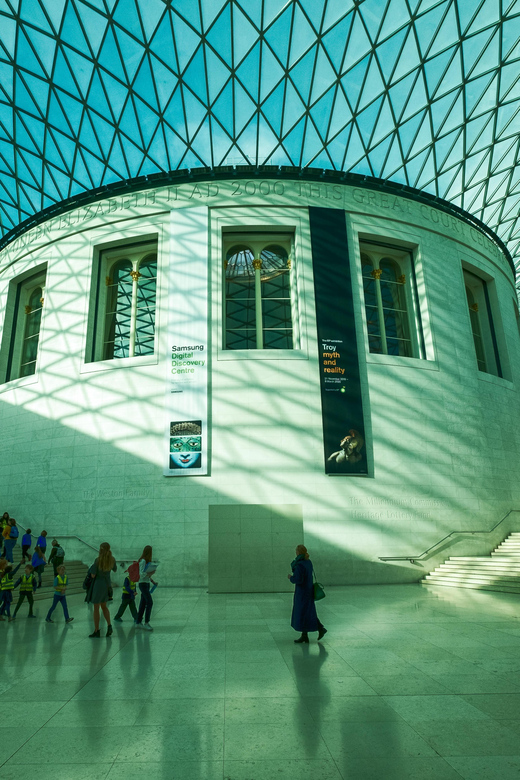
The Roman collection adds scale and variety. After Greek sculpture, you move into a world of emperors, gods, heroes, decorated floors, and engineering skill.
Mosaics reward a close look. From a distance they can seem like patterns, but the small pieces create images and scenes with careful detail. Roman statues, meanwhile, show how rulers and gods were represented in public and private life.
A good guide helps you compare Rome with Greece rather than treating the two cultures as separate boxes. Roman art often borrowed from Greek models, while Roman power spread those styles across a much larger empire. The tour’s sequence makes that relationship easier to follow.
You will not see every Roman room in two hours. That is not a flaw, as long as you understand the purpose of the visit. The guide is selecting important examples and keeping the wider story moving. If Roman engineering or daily life interests you most, ask which rooms are worth exploring later.
Sutton Hoo and early English life
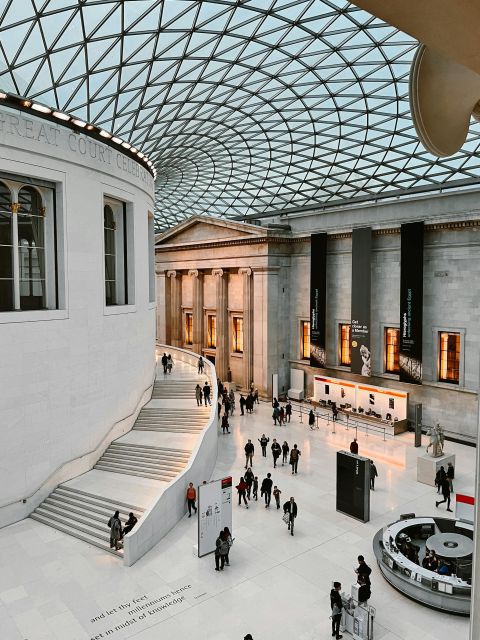
Sutton Hoo offers a welcome change of pace. The treasures come from an Anglo-Saxon burial site and give you a glimpse of early English society, its craftsmanship, status, and links with the wider world.
The display is valuable because it puts English history into a broader setting. After seeing Egyptian, Greek, and Roman objects, you can compare how another society expressed rank and belief through burial goods and decoration.
Look for the fine workmanship rather than expecting a single showstopper to carry the entire section. The guide can explain what the objects suggest about the person or community connected with the burial and why Sutton Hoo matters to the story of early England.
This is also a good reminder that the British Museum is not only about the ancient Mediterranean. Its collections include material from Britain and many other regions, so the route keeps shifting in time and place.
Hoa Hakananai’a and the wider world
Hoa Hakananai’a, a moai from Easter Island, gives the tour one of its most memorable changes in scale. The figure embodies the spiritual importance of monumental sculpture in a distant culture, far from the Egyptian, Greek, and Roman worlds that often dominate first-time museum visits.
The moai helps you think about what a museum can do well and what it cannot fully reproduce. You can see the carving, its shape, and its presence, but the object originally belonged to a particular island society, landscape, and belief system. A guide can provide enough context to keep it from becoming just another impressive statue.
The tour closes or broadens into objects from around the world. This final section reinforces the main idea: human societies have created different answers to similar questions about power, death, faith, identity, and beauty.
The route can feel fast at this point. You are moving across continents and centuries, so do not expect equal time at every display. The benefit is range. The cost is that some objects will leave you wanting more.
The guides: Filomena, Stuart, Tara, and others
The strongest part of this experience is the human guide. Filomena has been singled out for her enthusiasm, care, and ability to make a broad tour feel personal. She has also been praised for helping people who were less confident in English and for keeping groups comfortable and involved.
Stuart is another frequently praised guide. His style combines detailed explanations with understated humor. He has also been careful to discuss the disputed origins of objects such as the Benin Bronzes and Greek marbles, rather than presenting the museum’s collection as politically neutral.
Tara is described as generous with information and good at showing people what else to see. Lucia and Maya have also been praised for making the visit interesting, with Maya especially good at engaging both children and adults.
Small groups can change the experience. Several bookings became almost private tours when other participants did not arrive. That can mean more questions and a more flexible pace, but you should not book expecting a private guide. Group size can vary with demand.
The only repeated practical concern is hearing the guide. The museum is large, and the sound of other visitors can make a soft voice hard to follow. Stay close, avoid drifting behind, and tell the guide if you cannot hear. A radio headset or microphone is not listed as included, so do not assume one will be provided.
Is $39 good value for two hours?
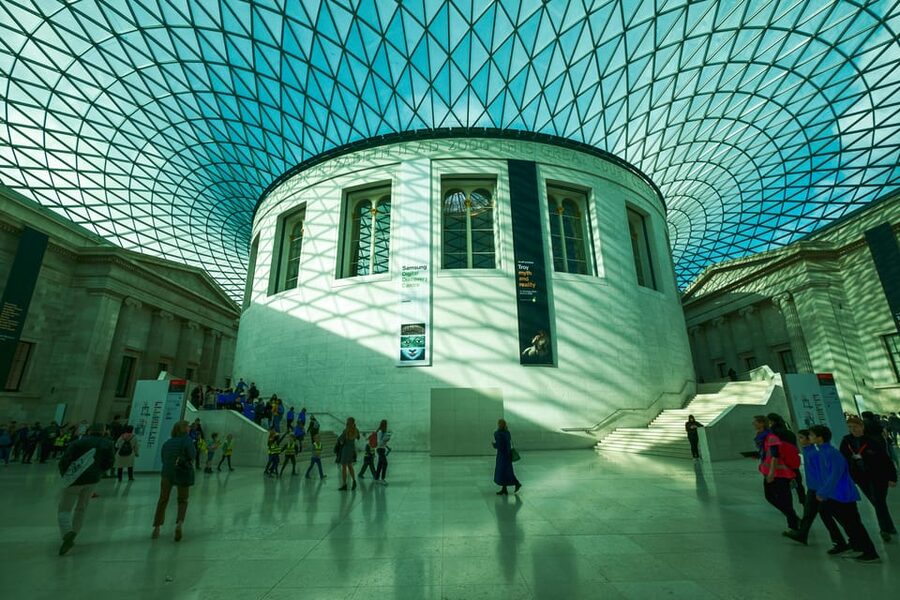
At $39, this is not the cheapest way to enter the British Museum, since general museum admission is free. The real question is how much you value structure and interpretation.
I think the price is reasonable for a first visit if you want to see the major objects without spending hours planning a route. You are also buying context, which is often the difference between looking at an ancient object and understanding why it matters.
The value is strongest for:
- First-time visitors with limited time
- Families who need a clear route
- People who prefer explanations to reading dozens of labels
- Visitors who want to see famous highlights across several cultures
- Anyone who feels intimidated by very large museums
The value is weaker if you enjoy wandering, reading every label, and choosing your own pace. One booking specifically described the tour as ideal for seeing important exhibits quickly, while noting that independent visitors may prefer the process of exploring alone.
The museum remains available to you after the guided portion, so you can continue on your own if opening hours and your plans allow. The two-hour tour should be treated as a foundation, not the entire British Museum experience.
Practical advice for a smoother visit
Arrive early enough to pass security and reach the indoor meeting point. Keep the ticket message available on your phone, and contact the provider by email ahead of time if WhatsApp is not suitable for you.
Wear shoes you can walk in comfortably. The museum route includes standing and moving between galleries, and the experience is not designed as a seated lecture.
If you have children, the tour can work well because the guide provides a story and a visible sequence of objects. Maya was particularly praised for engaging children and adults together. Still, two hours of museum explanation may feel long for very young children, so keep expectations realistic.
If you have hearing difficulties, stand close to the guide and mention it at the beginning. This is especially important during busy periods. If you speak English as a second language, guides such as Filomena have been praised for taking care with clarity, but a large room can still make listening harder.
The tour is wheelchair accessible. Cancellation is free up to 24 hours before the start, and you can reserve now while paying later, useful if your London schedule is still shifting.
Should you book this British Museum tour?
Book it if you want a focused introduction to one of London’s most demanding museums. The route gives you major Egyptian, Greek, Roman, Anglo-Saxon, Easter Island, and global highlights in two hours, with a guide to explain the connections and the ownership debates.
I would especially choose it for a first visit, a short London stay, or a family that needs direction. Try for an off-peak time if possible, since a quieter museum makes it easier to hear and gives the guide more room to talk.
Skip it if your pleasure comes from wandering slowly and following your own interests. The museum is free, and independent exploration may suit you better. For everyone else, $39 is a fair trade for a clear route through an otherwise overwhelming collection, provided you stay near the guide and accept that this is an introduction rather than the final word on the museum.
FAQ
How long does the British Museum guided tour last?
The tour lasts two hours. You can check available starting times when booking.
How much does the tour cost?
The listed price is $39 per person.
Where do I meet the guide?
Meet inside the British Museum, after passing security, on the stairs near the pillars in front of the museum portals. Do not wait outside the gates.
How will I receive my entry ticket?
Tickets are normally sent through WhatsApp one to two hours before the tour. If you do not use WhatsApp, contact the provider by email so the tickets can be sent there.
What languages are available?
The live guide may conduct the tour in English, French, or Italian. Depending on demand, two languages may be used during the same tour.
Is the tour wheelchair accessible?
Yes, the activity is listed as wheelchair accessible.
Can I cancel or pay later?
You can cancel up to 24 hours before the tour for a full refund. The reserve now and pay later option lets you hold a place without paying immediately.
Just added in London
- Westminster and National Gallery 3.5-Hour Tour in Italian★ 4.9 · 28 reviews
- London: Full Day Tower, St. Paul’s, Cruise & Eye Experience★ 4.6 · 168 reviews
- British Museum & Camden Town – Private Tour in Italian★ 4.8 · 26 reviews
- London: Westminster Abbey Guided Tour★ 4.5 · 445 reviews
- London: Medieval History Walking Tour from The Tower★ 4.9 · 318 reviews
- The Original London Street Art Tour (French)★ 4.9 · 64 reviews
- German London : The Ultimate Walking tour★ 4.8 · 400 reviews
- London: Royal Hampton Court Guided Tour with Afternoon Tea★ 5.0 · 67 reviews
Museums, compared.

Liverpool Football Club Museum and Stadium Tour
Read our review →
Tower of London and Crown Jewels Exhibition Ticket
Read our review →
Chelsea Football Club Stadium and Museum Tour
Read our review →


Browse the lists this tour appears in