
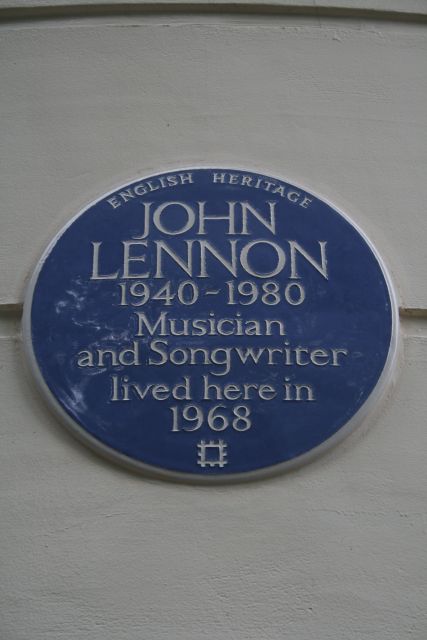
Reviewed · BEATLES TOURS
A Ticket to Ride: Beatles in London Tour
London’s Beatles story comes alive best when you connect the famous places with the small addresses in between. This 2.5-hour evening minibus tour takes you from Mayfair and Soho to St. John’s Wood, mixing major landmarks with less obvious sites tied to the band’s clubs, homes, work, and friendships.
I like the Abbey Road crossing, where the guide helps you get a proper photo, and the sheer range of stops, from Decca Records to the rooftop concert building and film locations. I also like the evening timing, since you can spend the day elsewhere and see London lit up at night. The drawback is that traffic, rain, and passing cars can make the Abbey Road photo rushed, and there is no meal or refreshment stop built into the tour.
Key points at a glance
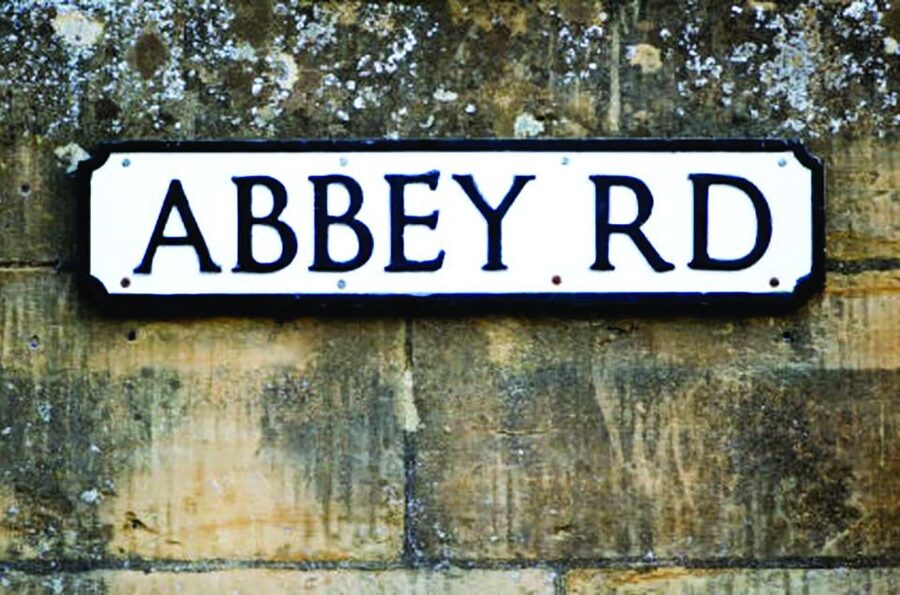
- Abbey Road photo stop: Walk across the famous zebra crossing near Abbey Road Studios, with the guide available to take your picture.
- More than the usual Beatles highlights: See Decca Records, former homes, Apple sites, clubs, film locations, and the building linked to the rooftop concert.
- Strong guide-led experience: Ian, Clive, Colin, Jim, and other guides are praised for stories, humor, music knowledge, and help with photos.
- Evening city tour: Travel through Mayfair, Marylebone, St. John’s Wood, and the edge of Soho as London lights come on.
- Good value for serious fans: At $66 per person, the tour covers a wide area that would be tiring and time-consuming to connect independently.
- Bring comfortable shoes: You leave the minibus at several points, and the experience is not suitable for wheelchair users.
Why a minibus is the right way to follow the Beatles

The Beatles did not leave their story in one neat corner of London. Their years in the capital spread across clubs, offices, recording studios, private homes, galleries, pubs, streets, and concert sites.
That is why I like the minibus format. You get a guided ride between districts instead of spending your evening figuring out complicated public transport connections. The vehicle also lets you cover a large amount of ground in a short time, though traffic can slow the schedule.
The bus is air-conditioned, and music plays during the ride. One particularly appealing detail is the sing-along atmosphere that can develop in the vehicle. This is not a silent sightseeing transfer. It is a Beatles-focused outing where the soundtrack helps hold the evening together.
The tour covers the main Beatlemania period from 1962 to 1969, then carries the story into the band members’ solo years. You also get some related rock history, with guides sometimes discussing artists such as Jimi Hendrix, Donovan, Bob Dylan, Eric Clapton, the Rolling Stones, and Pink Floyd.
That wider context is useful, but the focus remains firmly on the Beatles. If you want a tour devoted only to album recording techniques or band trivia, this may feel too broad. If you want to understand how the Beatles fitted into London’s music and social scene, the wider references add value.
Other music history in London:
- London: Beatles and Abbey Road Tour with Richard Porter
★ 4.6 · 543 reviews - London: Beatles In My Life Walking Tour with Richard Porter
★ 4.7 · 215 reviews - Liverpool and The Beatles Day Tour from London
★ 4.4 · 157 reviews
Starting at the Duke of York Column
The meeting point is the Duke of York Column Monument at the junction of Waterloo Place and Carlton House Terrace in St. James’s. You wait at the base of the monument, near the top of the steps leading from The Mall, for the London Rock Tour guide.
From Piccadilly Circus Underground Station, take the Regent Street St James’s exit. Walk straight, cross Pall Mall, and continue until the road ends at the monument. Give yourself enough time to find the column, since a busy central London meeting point is easier when you are not arriving at the last second.
The location places you near the West End and Mayfair, which suits the tour’s subject. The Beatles’ London was a city of clubs, studios, offices, shops, galleries, and late-night meeting places. You begin near the districts where much of that story unfolded.
The exact guide varies. Ian has led the tour with a strong sense of humor and detailed Beatles stories. Clive is known for helping with Abbey Road photos and adding stories about Brian Epstein and other music acts. Colin, Jim, and other guides have also brought musical experience and plenty of extra facts to the route.
Mayfair clubs, Soho edges, and the Beatlemania years
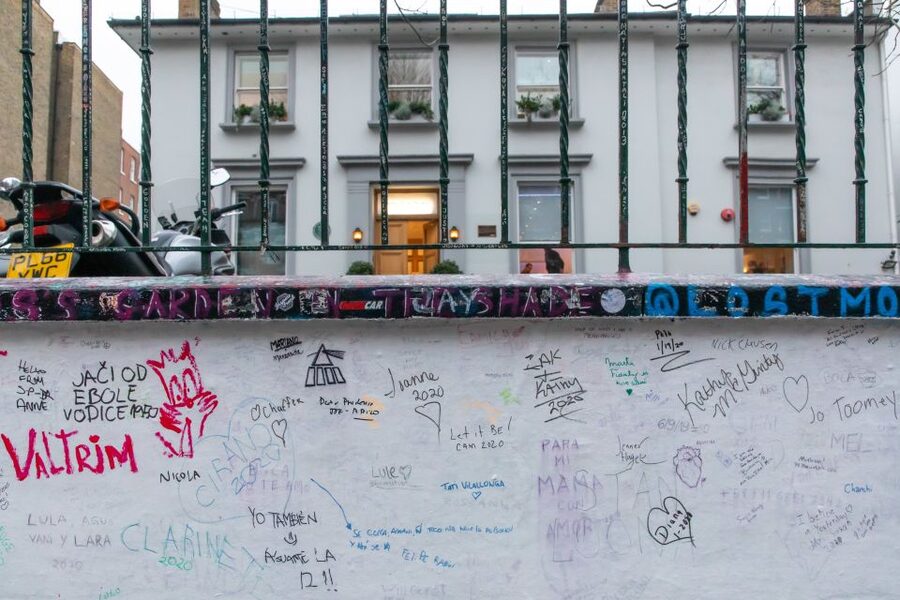
The opening part of the tour introduces the Beatles’ London through Mayfair, Marylebone, and the edge of Soho. These areas connect with the band’s nightlife, early success, social circles, and professional growth.
You pass places linked with clubs and pub haunts, including the Scotch of St James Club. Such stops matter because the Beatles’ rise was not just a sequence of recording sessions. Clubs were where musicians met, played, built contacts, and became part of London’s changing cultural scene.
The tour also points out places where the Beatles met girlfriends and wives, spent time with friends, and moved through the art and music worlds of the period. That gives the story a more human scale. Instead of seeing only famous names and concert dates, you begin to picture the ordinary streets where their private and professional lives overlapped.
Some stops are viewed from the vehicle rather than treated as long visits. That is worth understanding before you book. You are not entering every building, and the value often comes from the guide explaining what happened there while you look at the present-day street.
Homes, offices, and the people behind the band
The route includes former homes and offices associated with the Beatles and their manager Brian Epstein. You also see places connected with the band’s Apple businesses.
These sites help explain how the Beatles’ world expanded after their early club years. By the middle and late 1960s, they were not simply four musicians traveling between gigs. They had businesses, staff, managers, homes, artistic projects, and a complicated public life.
The Brian Epstein material can be especially interesting. The tour includes a stop outside the home where Epstein died, along with background about his role in guiding the Beatles’ career. That part of the story adds useful context, since Epstein was central to the group’s professional rise even though he was not one of the musicians on stage.
You should expect storytelling rather than a museum display. The guide supplies the connection between the address and the event, so the experience works best if you enjoy listening and asking questions. Guides have also answered general London questions, which can make the ride useful beyond the Beatles theme.
A few more things to do in London worth a look
- London: Tower Bridge Entry Ticket
★ 4.7 · 15,560 reviews - London: Westminster Abbey Entrance Ticket
★ 4.6 · 11,254 reviews - London: St Paul’s Cathedral Entry Ticket
★ 4.7 · 9,813 reviews - London: London Eye and Madame Tussauds Combo Ticket
★ 4.7 · 7,428 reviews
Decca Records and the roads not taken
One of the more unusual stops is Decca Records, associated with the Beatles’ failed audition. It is a good reminder that the band’s success was not guaranteed.
Most Beatles sightseeing focuses on triumphs: the hit records, major concerts, famous photographs, and Abbey Road. Decca adds a small but important piece of the story because it shows how close the group came to being passed over by a major record company.
The tour also points out photo locations used for album covers and publicity shots. You may recognize some places from images connected with the Beatles, while others may be less obvious without a guide’s explanation.
This is where the tour earns much of its $66 price. You are not only being taken to the most famous crossing in London. You are being shown a sequence of addresses that would be difficult to research, locate, and connect in one evening on your own.
Film locations and the Beatles on the move
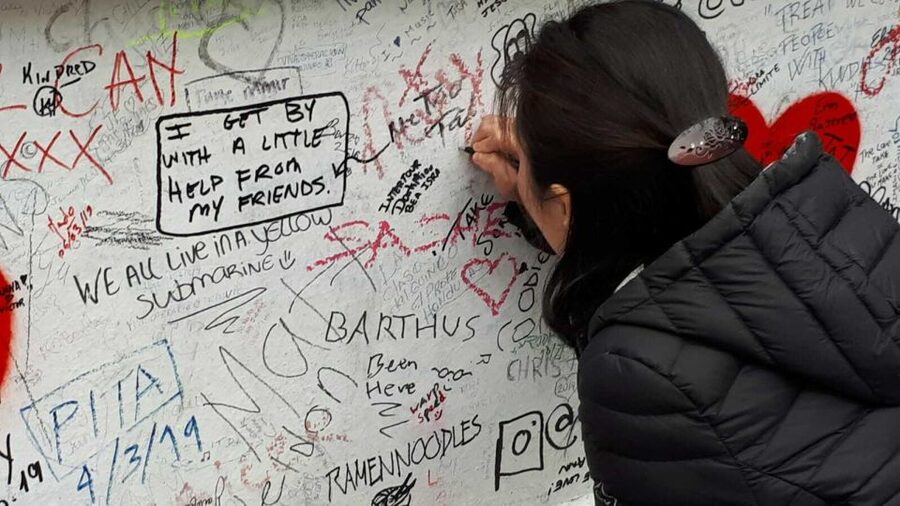
The Beatles’ films gave London another role. Streets, stations, alleys, and public spaces became part of the band’s visual world.
The tour includes locations connected with A Hard Day’s Night, including a train station and an alleyway. These stops appeal to fans who enjoy the films as much as the records. They also show how the Beatles’ public image was built through movement, comedy, fashion, and carefully chosen London settings.
The guide may point out the difference between a famous image and the place as it looks today. That contrast is part of the fun. A location can seem ordinary until you understand what happened there, and then the same street takes on a new meaning.
Because you remain on a moving route, not every film site becomes a long walking stop. Keep your camera ready, listen closely, and expect the guide to fill in details while the vehicle moves through the city.
The rooftop concert building and Apple London
The building connected with the Beatles’ famous rooftop concert is another high point. The concert became one of the band’s defining public moments, and seeing the building helps turn a piece of film and music history into a physical place.
The tour also covers Apple-related locations. Together, these stops show the Beatles in their later period, when the group was running its own ventures and experimenting with new ways to work.
I find this later chapter important because many Beatles tours stop after the early fame and touring years. Here, you follow the story into the more complicated period of business, changing musical directions, and the band’s final public years.
The building itself may not look dramatic from street level. That is normal for this kind of sightseeing. The interest comes from knowing what took place there and hearing the guide connect the address to the band’s final years.
Abbey Road: the photo stop that makes the tour
Abbey Road is the emotional center of the evening for many people. You leave the minibus and walk across the famous crossing near Abbey Road Studios.
The guide usually helps organize the photo. Clive and Jim, among others, have been praised for taking pictures so that everyone in a pair or group can appear in the frame. That practical help matters, since you do not want to choose between crossing the road and operating your camera.
Keep your expectations realistic. Abbey Road remains an active public road, with traffic and other people using the crossing. Rain can make the crossing less comfortable, and cars may prevent you from recreating the album cover perfectly. One participant described wanting a more realistic walk but finding the weather and traffic difficult.
Still, the point is not to produce an exact copy of the album cover. The pleasure is standing in the same place, making your own attempt, and hearing the group react as everyone gets a turn. Wear comfortable shoes, stay alert, and follow the guide’s instructions around traffic.
The nearby studio is another important part of the stop, even if you are mainly seeing it from outside. The crossing and studio together make Abbey Road a satisfying finale because they connect an everyday London street with one of the most recognizable images in popular music.
How much does the $66 price buy you?
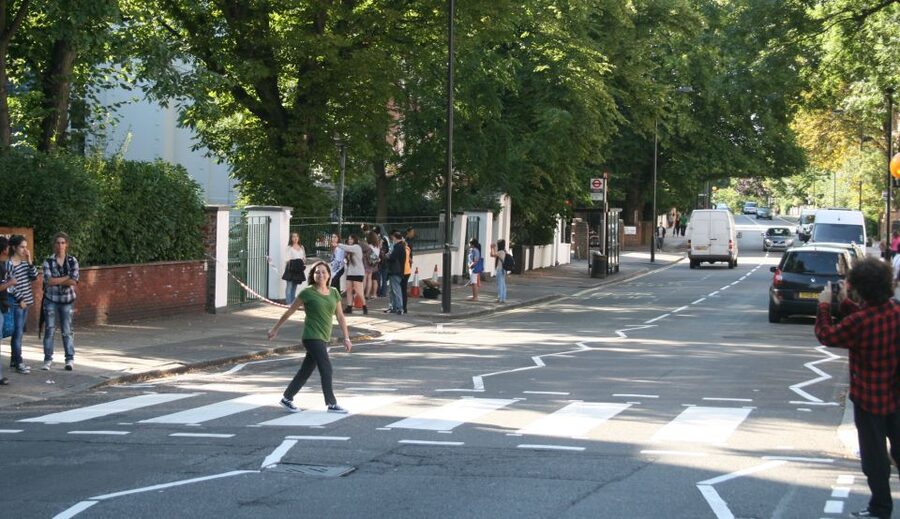
At $66 per person, this is not the cheapest way to see one Beatles site. If Abbey Road is your only goal, you can reach the crossing independently for much less.
But the tour is not really selling one photo stop. It combines transportation, a live English-speaking guide, music, stories, and a route through several parts of London. You see clubs, homes, offices, record-company sites, film locations, concert history, and Abbey Road in one 2.5-hour evening.
I consider that fair value for a Beatles fan who wants the full London connection. You would need to research each place, work out the route, and use a mixture of public transport and walking to reproduce the same evening. The tour also saves energy, especially if you have already spent the day sightseeing.
The value drops if you are only mildly curious about the Beatles or dislike guided commentary. Some addresses are viewed from the bus, and the evening can feel information-heavy if you have no interest in music history.
There is also no included snack or planned coffee stop. Because the tour often runs through dinner hours, eat beforehand or plan food for after the experience.
Who should book this London music tour?
I would book it for a dedicated Beatles fan, a couple looking for a themed evening, or a parent and adult child sharing a long-held interest. It also suits someone who wants to see less familiar parts of London while learning how the Beatles lived and worked in the city.
You do not need to know every album to enjoy it. The mix of music, film sites, clubs, and London history gives newcomers enough to follow. One useful feature is the guide’s willingness to discuss other bands and answer broader questions about London.
I would hesitate if you need step-free access or cannot comfortably get in and out of a minibus. The activity is not suitable for wheelchair users. I would also choose another plan if you want extended time inside museums, studios, or historic buildings, since this is mainly a ride with selected walking stops.
Book with the weather in mind. The tour runs in the evening, and the Abbey Road crossing is outdoors. Comfortable shoes are essential, and a rain jacket can make the final stop much easier.
Final verdict: a strong choice for Beatles fans
This tour works because it joins the grand Beatles story to ordinary London streets. You get the famous Abbey Road crossing, but you also hear about Decca Records, Brian Epstein, Apple, clubs, film locations, former homes, and the rooftop concert site.
I especially like the combination of moving through several neighborhoods and stopping for a few memorable walks. The guides are the main reason the route succeeds, so names such as Ian, Clive, Colin, and Jim are worth noting when you see them available. Their humor, music knowledge, and willingness to take photos can shape the evening.
Book it if you want a broad, story-led look at the Beatles in London and value having the transport arranged. Skip it if you only want Abbey Road, need full wheelchair access, or prefer to explore at your own pace without a guide.
FAQ
How long does the Beatles London tour last?
The tour lasts 2.5 hours.
How much does the tour cost?
The listed price is $66 per person.
What transportation is provided?
You travel by air-conditioned minibus.
Is the Abbey Road crossing included?
Yes. The tour includes a walk across the famous Abbey Road crosswalk.
What language is the tour conducted in?
The live tour guide speaks English, and English is the listed tour language.
Where does the tour meet?
Meet at the Duke of York Column Monument in St. James’s, at the junction of Waterloo Place and Carlton House Terrace. Wait at the base of the monument near the top of The Mall steps.
Is the tour suitable for wheelchair users?
No. The activity is not suitable for wheelchair users. Comfortable shoes are recommended because the tour includes walking stops.
Just added in London
- Westminster and National Gallery 3.5-Hour Tour in Italian★ 4.9 · 28 reviews
- London: Full Day Tower, St. Paul’s, Cruise & Eye Experience★ 4.6 · 168 reviews
- British Museum & Camden Town – Private Tour in Italian★ 4.8 · 26 reviews
- London: Westminster Abbey Guided Tour★ 4.5 · 445 reviews
- London: Medieval History Walking Tour from The Tower★ 4.9 · 318 reviews
- The Original London Street Art Tour (French)★ 4.9 · 64 reviews
- German London : The Ultimate Walking tour★ 4.8 · 400 reviews
- London: Royal Hampton Court Guided Tour with Afternoon Tea★ 5.0 · 67 reviews
Beatles Tours, compared.

City & Beatles Tour with Live Guide & Live Music
Read our review →
Private 3-Hour Guided Beatles Classic Tour of Liverpool
Read our review →
Browse the lists this tour appears in