
Reviewed · MUSEUMS
London: Postal Museum Entry Ticket and Underground Rail Ride
London’s Postal Museum hides one of the city’s most unusual rides: a short train journey through the old underground Mail Rail tunnels. You travel in a miniature carriage beneath the streets, with projected films, commentary, and stops that explain how letters moved across London.
I like the way the museum makes postal history active rather than dusty. You can try sorting mail on a carriage with a wobbly floor, and you can see the Penny Black, the world’s first postage stamp. The main caution is simple: the train ride lasts about 15 minutes, and the museum’s child-friendly displays may feel light if you want a large, traditional collection.
Key points to know before you go

- The Mail Rail ride is the main event: Expect about 15 minutes underground in a small train, with commentary and projected films.
- The museum suits families especially well: Children can play educational games, dress up, design stamps, and try hands-on postal activities.
- You can see genuine postal history: Displays include the Penny Black, Victorian equipment, postal boxes, and flintlock pistols once used to protect the mail.
- Allow more than the advertised 1.5 hours: You can see the essentials quickly, but two to three hours gives the galleries room to breathe.
- The ride has physical limits: The small carriage may not suit very tall people or anyone uncomfortable in enclosed spaces.
- The $24 price is fair for a London attraction: It includes museum admission and the underground railway ride, with free cancellation up to 24 hours before the visit.
Why London’s postal system makes a good museum subject

At first glance, the history of letters may sound less thrilling than royal palaces or ancient ruins. The Postal Museum proves otherwise by showing how mail shaped daily life, business, communication, and the growth of London.
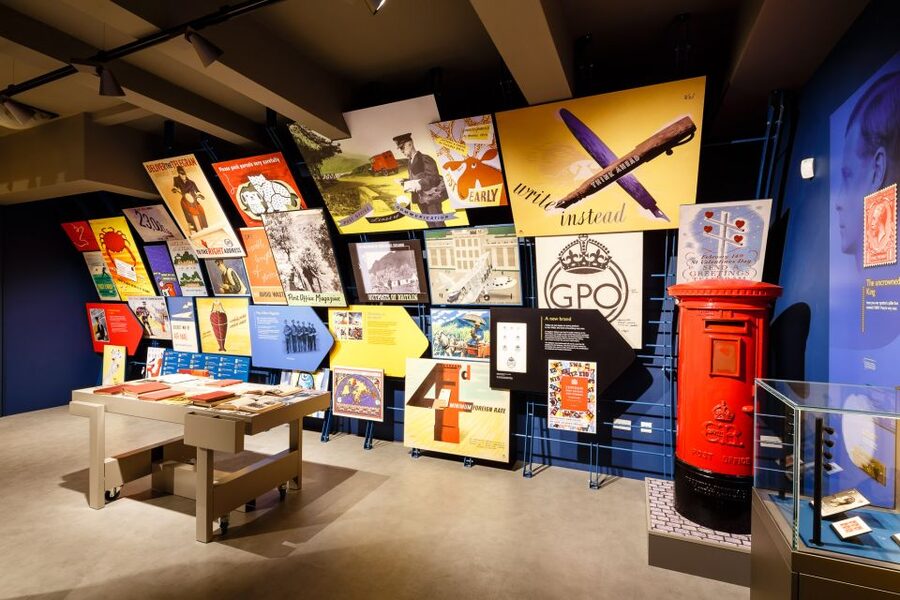
You move through more than 500 years of postal history, from early delivery systems to the technology and routines that made mass communication possible. The displays also connect postal services with familiar objects, including post boxes, telephone boxes, stamps, uniforms, and sorting equipment.
I like this practical approach. Instead of asking you to read long blocks of text, the museum gives you things to handle and try. You can see how workers sorted letters, learn how the network developed, and picture the people who kept the system running.
The subject also works well for mixed-age groups. Adults may remember rotary telephones, old mail routines, or post boxes from their own childhood. Children get games, costumes, moving displays, and the chance to create a stamp. You can explain how communication changed from handwritten letters to modern methods without turning the visit into a classroom lecture.
More Museum Tours in London:
- Tower of London and Crown Jewels Exhibition Ticket
★ 4.5 · 6,677 reviews - London: Chelsea Football Club Stadium and Museum Tour
★ 4.8 · 4,576 reviews - Chelsea FC Stadium Tours and Museum
★ 5.0 · 1,908 reviews
Start with the Mail Rail ride
The underground railway is the experience’s strongest feature. The Post Office built its own railway more than 100 years ago to move mail beneath London, avoiding traffic on the streets above. You board a miniature train and travel through the former tunnels for roughly 15 minutes.
The carriages are small, so do not expect a full-size Underground train. The confined setting is part of the appeal, but it also matters if you are very tall or uncomfortable in tight spaces. One part of the route includes a blackout experience, which may feel exciting to some children and slightly unsettling to others.
The ride is not simply a loop through dark tunnels. Audio commentary and films projected onto the walls explain the railway’s purpose and its place in postal history. Stops along the way help tell the story, so the short journey feels like a moving exhibition rather than a simple amusement ride.
I would treat the ride as an introduction to Mail Rail, not a long railway trip. Around 10 to 15 minutes goes quickly. If you want an extended underground tour, this may feel brief, but the presentation makes good use of the limited time.
The staff handle the practical side carefully. Bags are left in separate lockers in the train, and the lockers are secured by a staff member before the ride. They are opened again when you return. That arrangement keeps the small carriages clear and removes the worry of carrying a large bag into the tunnel.
Follow the train with the interactive galleries
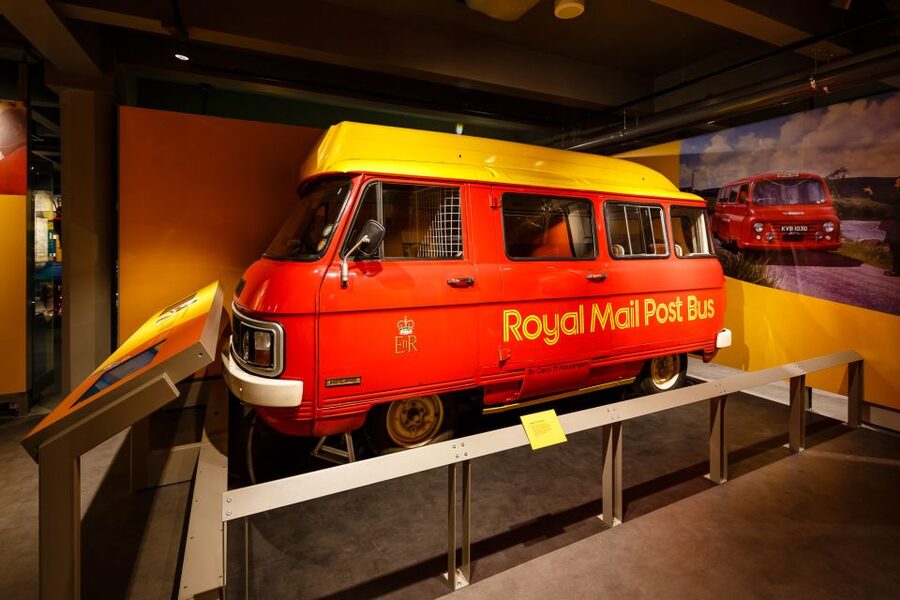
After the railway, continue into the main museum. The displays explain how postal systems developed and how staff, vehicles, sorting offices, and machines worked together.
One of the most enjoyable areas lets you try sorting mail on a mock-up train carriage. The floor wobbles as you work, showing how difficult it was for postal workers to sort letters while a moving train was in motion. It is a clever demonstration because you understand the physical challenge in a few seconds.
You can also see a Victorian miniature rail car that operated on London’s streets. It helps connect the underground railway to the broader story of urban transport and postal delivery. The museum does not present mail as an abstract institution. It shows the equipment and working conditions that made the service function.
Look for the flintlock pistols used to defend mail from theft. They are a striking reminder that transporting letters once involved real danger. Mail coaches and postal routes were targets, and the people carrying important correspondence had to protect themselves and their cargo.
The galleries include films, projected timelines, research material, and hands-on activities. Some displays focus on famous objects, while others tell the stories of ordinary workers. That mix gives you a better sense of how large systems depend on many people doing repetitive jobs well.
See the Penny Black and other memorable objects

The Penny Black is the museum’s most famous small object. Issued in 1840, it was the world’s first postage stamp, and it changed the way people paid for letters. Before this system, the cost and method of delivery could be complicated. The stamp helped make prepaid postage simple and recognizable.
The stamp is tiny, so give it a proper look rather than rushing past. It is easy to miss how important a small piece of printed paper can be when surrounded by larger displays.
The museum also covers the development of post boxes and telephone boxes. These familiar objects once changed how people sent messages and used public communication. The displays are useful for older visitors who remember them in everyday use, and they give younger children a clear picture of a world before mobile phones.
Old films and projected information add movement to the galleries. A projected timeline helps place postal changes in order, making it easier to understand how one innovation led to another. The museum also includes unusual stories connected with mail delivery, including an account of a mail stagecoach horse being attacked by a lioness.
That kind of detail keeps the visit from becoming a list of dates. You begin to picture postal workers facing bad roads, unreliable transport, theft, and unusual hazards simply to keep letters moving.
More museums and galleries in London:
- London: British Museum Guided Tour
★ 4.3 · 1,182 reviews - Official tickets: Moco Modern & Contemporary Art Museum
★ 4.5 · 1,157 reviews - British Museum London Guided Tour Semi-Private 8ppl Max
★ 5.0 · 984 reviews - London: Jack the Ripper Museum Tickets
★ 4.2 · 894 reviews
Why children usually get the most from the visit
The museum is designed to involve children, and that is a benefit if you are planning a family day out. Young visitors can use educational games, try sorting letters, design their own stamp, and explore displays that respond to movement or touch.
Dress-up activities add another layer of play. Children can connect the uniforms and equipment they see in the displays with the work of postal staff. The activities are not just decoration. They give younger visitors a reason to pay attention to the jobs behind the service.
The museum works particularly well for families with children around primary-school age, though older children can also find the railway and working equipment interesting. The hands-on approach helps explain how communication developed through different generations.
There is one tradeoff. On busy weekends, young children can crowd around the interactive displays, making it hard for adults to use every activity at their own pace. If you want a quieter look at the exhibits, try visiting outside the busiest family periods.
The separate Sorted! Postal Play Space is available for children aged eight, but it is not part of the standard admission described here. You need to book that activity separately through The Postal Museum.
How much time should you allow?
The listed duration is 1.5 hours, which is enough for the railway and a brisk look at the galleries. I would not plan your day too tightly, though.
A visit of two hours gives you time for the ride, the key displays, and several interactive areas. Families may need closer to three hours, especially if children stop at each activity. Adults who read the labels carefully can also use the extra time.
Some visitors find they have not finished the main exhibition when their planned visit ends. That is not a bad problem, but it matters if you are fitting the museum between other London sights. The attraction is not only a train ride followed by a small room. The galleries contain enough material to reward a slower pace.
The ticket remains valid for a year according to the information provided, which can make a return visit useful if you do not see everything in one afternoon. Confirm the current terms when booking, since attraction policies can change.
Is the $24 ticket good value?
At $24 per person, the ticket is reasonable for London, particularly because it includes the Postal Museum and the Mail Rail ride. The train provides the distinctive part of the experience, while the galleries give you enough content to justify staying longer.
The value is strongest for families. Several people can take part in different ways, and children are not expected to stand quietly in front of cases for the whole visit. The café, shop, and accessible layout also make it easier to spend a relaxed afternoon here.
For adults who mainly want the underground railway, the price still makes sense if you appreciate transport history and unusual London stories. If you are interested only in riding a train, the 15-minute journey may feel short for the admission cost.
You can cancel up to 24 hours in advance for a full refund, and the reserve-now, pay-later option keeps your plans flexible. These terms are useful when you are arranging a London itinerary around changing weather or family schedules.
Practical details that affect your visit
The Postal Museum is in South East England, and the meeting point is at the museum itself. The experience is listed as wheelchair accessible, which makes it a practical choice for many visitors with mobility needs.
Bring only what you need for the train. Larger bags are placed in lockers, which are secured by staff during the ride. You do not need to worry about carrying them into the carriage, but you may want easy access to essentials before boarding.
The café is family-friendly and serves snacks and refreshments. It gives you a place to pause after the ride or during a longer museum visit. At busy times, tables may need clearing more quickly, so do not count on finding an open, spotless table immediately.
The shop focuses on communication and postal themes. It is a pleasant final stop if you want a small reminder of the visit, especially for children who have designed stamps or enjoyed the sorting activity.
Who should book this experience?
I would recommend it most strongly to families with children, anyone interested in transport, and visitors who enjoy unusual London museums. The combination of an underground railway, real postal objects, and hands-on exhibits gives the visit a clear purpose.
It also suits adults who want something different from the standard London circuit. You will not get grand architecture or a huge collection, but you will learn how a major city moved its mail beneath the streets.
I would be more cautious if you dislike small spaces, are very tall, or want a long train journey. The Mail Rail carriage is compact, and the ride is short. I would also set lower expectations if you prefer quiet, traditional galleries with detailed displays and few children.
For most people, the best plan is to take the train, spend time with the sorting activity and historic objects, then stop for a drink. That gives you the main experience without racing through the museum.
Should you book the Postal Museum and Mail Rail?
Book it if you want a well-priced family attraction with a genuinely unusual ride. The Mail Rail journey is short, but it leads into a museum that explains why the railway mattered and how the postal service changed everyday life.
You should also book if you enjoy hands-on history. Sorting letters on a moving-floor carriage, seeing the Penny Black, and examining the old defensive pistols give the subject a human and practical edge.
Skip it if you want a major museum with hundreds of famous objects or a long underground expedition. For everyone else, especially families and curious adults with a free afternoon, the Postal Museum offers a memorable piece of London that most standard sightseeing plans miss.
FAQ
How long does the Postal Museum experience last?
The advertised duration is 1.5 hours. You can spend two to three hours if you want time for the interactive galleries, exhibits, café, and family activities.
How long is the Mail Rail ride?
The underground ride lasts about 15 minutes. It includes commentary, projected films, and stops explaining the former Post Office railway.
Is the train ride suitable for people who dislike enclosed spaces?
The train travels through underground tunnels in a small carriage. Anyone who is uncomfortable in enclosed spaces should consider this before booking.
Is the Postal Museum suitable for children?
Yes. The museum includes educational games, hands-on activities, dress-up opportunities, mail sorting, and a train ride. The interactive areas are aimed especially at families.
Is Sorted! Postal Play Space included?
No. Sorted! Postal Play Space for children aged eight is bookable separately through The Postal Museum website.
Is the museum wheelchair accessible?
Yes. The experience is listed as wheelchair accessible.
What can I see at the museum?
You can see the Penny Black, a Victorian miniature rail car, flintlock pistols used to defend the mail, postal equipment, and displays about the development of post boxes, telephone boxes, and communication.
Can I cancel my booking?
You can cancel up to 24 hours in advance for a full refund. A reserve-now, pay-later option is also available.
Just added in London
- Private Guided Tour of Harry Potter Locations – English/ Italian★ 5.0 · 33 reviews
- 3-Day Stonehenge*, Glastonbury, Bath & the South West Coast Tour from London★ 4.5 · 32 reviews
- Private Tour London Highlights, entries Westminster Abbey, The Tower of London★ 5.0 · 93 reviews
- 2 Hour Walking Tour from Buckingham Palace to Big Ben★ 5.0 · 32 reviews
- 30 Major London Attractions Walking Tour With Photos★ 4.5 · 51 reviews
- 007 Shadow Of Spectre★ 5.0 · 135 reviews
- Private Guided Tour of the British Museum – Tickets Included★ 5.0 · 193 reviews
- Bath, Avebury and Lacock Village Small-Group Day Tour from London★ 4.5 · 121 reviews
Museums, compared.

Liverpool Football Club Museum and Stadium Tour
Read our review →
Tower of London and Crown Jewels Exhibition Ticket
Read our review →
Chelsea Football Club Stadium and Museum Tour
Read our review →

Browse the lists this tour appears in