
Reviewed · MUSEUMS
London: Museum of Brands Skip-the-Line Ticket
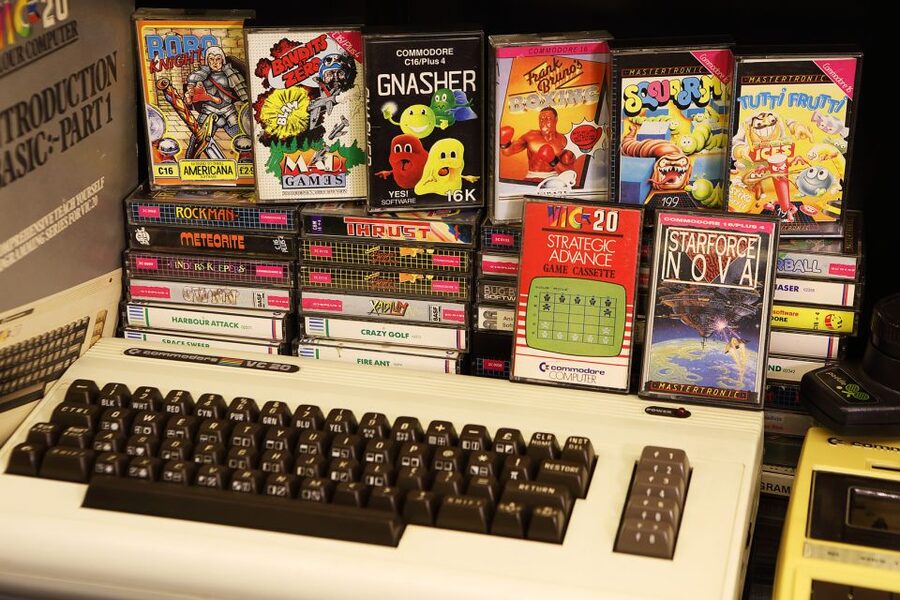
The Museum of Brands turns everyday shopping into a history lesson. Inside its Time Tunnel, you move from Victorian packaging to the digital age, passing the brands, adverts, toys, and household items that helped shape daily life.
I like the clear timeline and the way major events sit beside ordinary products. I also like the garden at the end, a quiet place for cake or coffee after the busy displays. The main drawback is focus: if old packaging and advertising do not interest you, the museum may feel narrow rather than essential.
Key points
- A 200-year timeline: Follow consumer culture from Victorian times through two world wars, royal coronations, the moon landing, and the digital age.
- More than 12,000 objects: See familiar brands in old forms, along with packaging, toys, adverts, and household products.
- Transport changed shopping: Railway travel, the motor car, and the airplane help explain how products and people began to move differently.
- Entertainment gets its own story: Cinema, radio, television, and past adverts show how leisure changed at home.
- Near Portobello Road: The museum sits on Lancaster Road, about five minutes from the famous market.
- A calm finish: The award-winning memorial garden offers space for a drink, cake, or a quiet pause.
Why the Museum of Brands is more than a collection of old boxes
At first glance, this may sound like a museum of tins and wrappers. It is that, but only partly. The larger subject is how people live, shop, travel, relax, and communicate.
A familiar brand can be a useful time marker. A packet design may show changing ideas about taste, family life, or status. An old advert can reveal what companies thought would persuade the public. Put together, these small objects create a picture of social change without requiring a long lecture.
The museum is in Notting Hill, five minutes from Portobello Road Market. That location makes it easy to pair with a market visit, though you should allow enough time for both. Portobello Road can be busy, so the museum provides a quieter change of pace nearby.
Your ticket costs about $18 per person and is valid for one day from first activation. That is a fair price if you enjoy design, advertising, social history, or nostalgia. It is less compelling if you are looking for grand architecture, famous paintings, or a large set of interactive attractions.
More Museum Tours in London:
- Tower of London and Crown Jewels Exhibition Ticket
★ 4.5 · 6,677 reviews - London: Chelsea Football Club Stadium and Museum Tour
★ 4.8 · 4,576 reviews - Chelsea FC Stadium Tours and Museum
★ 5.0 · 1,908 reviews
Entering the Time Tunnel from Victorian Britain
The main route is chronological, which helps you understand the collection instead of seeing it as one long shelf of objects. You begin with Victorian-era consumer culture and move forward through two centuries of change.
This order matters. You see how products, packaging, and advertising respond to new technology and new habits. The story is not only about what people bought. It is also about how goods reached homes and how companies learned to present them.
The collection contains more than 12,000 items. You will not study every piece closely in one visit, but the scale gives the museum plenty of detail. I would plan on reading some labels and then stepping back to take in the larger patterns.
The route also puts familiar brands into their historical setting. That can be more revealing than seeing an isolated old packet in a shop window. A product becomes part of a period, linked to changing transport, entertainment, family routines, and public events.
Railways, motor cars, and airplanes change daily life
One useful thread in the Time Tunnel is transport. The invention of the railway, the motor car, and the airplane changed how products moved and how people thought about distance.
Rail travel helped connect towns and markets. Motor cars encouraged new forms of shopping, travel, and leisure. Airplanes made international movement more visible and helped turn foreign places into part of modern consumer culture.
You do not need to be a transport enthusiast to follow this section. These inventions are used as practical markers for social change. They show why brands grew beyond local markets and why packaging had to attract attention in new places.
This is one of the museum’s better ideas: it links ordinary objects with major shifts in society. You are not only looking at an old label. You are considering how that label reached a wider public.
Coronations, wars, and the moon landing
The collection places consumer culture beside major public events. Royal coronations, two world wars, and the first moon landing appear as part of the same timeline.
That combination gives the displays useful context. A nation’s public mood can affect advertising, product design, and popular taste. Major events also leave traces in packaging, souvenirs, toys, and promotional material.
The museum does not present these events as a separate political history course. Instead, they act as signposts. You see how brands and household products existed alongside moments that changed the way people understood their country and the wider world.
This approach should suit you if you enjoy social history at an everyday level. It is less suited to anyone seeking detailed military, political, or royal analysis. The museum’s subject remains consumer culture, with public events used to explain the period around each object.
More museums and galleries in London:
- London: British Museum Guided Tour
★ 4.3 · 1,182 reviews - Official tickets: Moco Modern & Contemporary Art Museum
★ 4.5 · 1,157 reviews - British Museum London Guided Tour Semi-Private 8ppl Max
★ 5.0 · 984 reviews - London: Jack the Ripper Museum Tickets
★ 4.2 · 894 reviews
Cinema, radio, television, and the age of home entertainment
Entertainment gets special attention as the timeline moves forward. Cinema, radio, and television changed how people spent evenings and how advertisers reached them.
Cinema brought new images and stories to a mass audience. Radio made entertainment and information part of home life. Television then added a visual sales pitch, giving companies a powerful way to show products in use.
After completing the Time Tunnel, you can watch television adverts from earlier periods. This is a useful finish because the adverts bring the printed material to life. You hear and see how brands once spoke to the public, rather than only viewing static packaging.
The advertising section may be one of the most enjoyable parts for anyone interested in media. It also helps younger visitors understand how different the pre-digital world was. There were no social media feeds or online shopping pages, yet companies were already competing for attention through memorable design and repeated messages.
Temporary displays add a changing reason to return
Alongside the main route, the museum presents temporary displays. Past subjects have included 1950s toys, the London punk scene, chocolate brands, and biscuit tins.
These themes show how broad the collection can be. A toy display may appeal to families and anyone interested in postwar childhood. A punk display shifts the focus to music, style, and youth culture. Chocolate and biscuit tins connect packaging with food, gifting, and domestic habits.
Because temporary subjects change, the exact experience depends on your visit date. The permanent Time Tunnel provides the main structure, while the temporary material adds a more focused look at one corner of consumer culture.
I would check what is currently on display before booking if one subject matters to you. The museum’s general theme is consistent, but the temporary section can change the balance of your visit.
The objects work best when nostalgia has meaning
Nostalgia is a major part of the appeal. Familiar colors, logos, tins, and adverts can bring back childhood memories quickly. A short visit may prompt you to remember a favorite snack, a television commercial, or a toy from home.
One current score of 4.7 from 53 ratings reflects how well this personal connection works for many people. The strongest response comes from the feeling of recognizing items from the past, including childhood products and old packaging.
Still, nostalgia alone is not the whole reason to go. The museum gives those memories a wider setting. You can ask why a design looked that way, which new technology helped it spread, and what the product says about the period.
If you are visiting London with family members of different ages, this can create an easy conversation across generations. Older relatives may recognize products that younger people have never seen. Younger visitors can compare older advertising with the brands they see online today.
A practical visit near Portobello Road
The museum is on Lancaster Road in the heart of Notting Hill, around five minutes from Portobello Road. This makes it a sensible addition to a west London day, especially if you already plan to visit the market.
You can visit the museum before the market for a quieter start, or use it as a break after walking the stalls. Portobello Road has its own strong character and can take more time than expected, so avoid treating both places as a rushed stop.
Opening hours are Monday through Saturday from 10:00 AM to 6:00 PM. On Sundays and bank holidays, it opens from 11:00 AM to 5:00 PM. It is closed on August 27, 28, and 29, December 24, 25, and 26, and January 1.
The ticket is valid for one day from first activation. That gives you flexibility around the rest of your Notting Hill plans, but it does not mean the ticket works over several separate days.
The museum is wheelchair accessible. English is the listed language, and an English-speaking host or greeter is available. No guide name is provided, and this is not described as a timed guided tour, so expect to follow the museum displays at your own pace.
Cake, coffee, and the memorial garden
The visit finishes with a chance to relax in the award-winning memorial garden. This is an important part of the experience because the Time Tunnel asks you to look closely at a large number of objects and labels.
You can buy cake with coffee or have a glass of Prosecco, though food and drinks are not included in the ticket. Personal expenses are also separate. Think of the garden as an optional pause, not part of the admission price.
The garden may be especially welcome after a visit to Portobello Road. You can sit down, sort through what you have seen, and decide if you still have energy for more Notting Hill sightseeing.
There is also a gift shop with souvenirs connected to the collection. You may find products and tasty treats that echo the museum’s focus on packaging and consumer culture. The shop is worth a look if you want a small reminder of the visit, but it will add to your spending.
How much time and money should you allow?
The advertised duration is one day because the ticket remains valid for that period, not because you must spend a full day inside. The museum works well as part of a larger outing rather than as your only London plan.
At $18, the admission is good value for the right audience. You are paying for access to the main collection, the temporary displays, and the garden. You are not paying for food, drinks, or a personal guide.
I would choose this museum if you like design, old advertising, packaging, social change, or childhood memories. It is also useful on a rainy day because the main experience takes place indoors, with the garden offering an extra outdoor pause.
I would skip it if your London priorities are major art museums, royal buildings, or large-scale historical collections. The subject is focused, and the museum’s charm depends on your interest in everyday consumer objects.
The skip-the-line ticket adds convenience, especially if you prefer to have admission arranged before reaching Notting Hill. Since the visit is self-paced, you can spend extra time with subjects that catch your eye and move quickly through displays that do not.
Who should book the Museum of Brands?
I recommend this for adults who enjoy social history in small details, families comparing old and new products, and anyone with an interest in advertising, design, music, entertainment, or popular culture.
It is also a good choice for repeat London visitors who want something different from the major museums. The Portobello Road location helps you combine it with shopping and street life rather than making a separate journey across the city.
You should book with realistic expectations. This is not a grand national museum with huge galleries. It is a compact, specialized visit built around packaging, branding, and the way consumer habits reflect society.
Free cancellation up to 24 hours before the activity and a reserve now, pay later option make it easier to fit into a changing schedule. Just check the closure dates before you set out, especially around late August and Christmas.
Should you book it?
Book the Museum of Brands if old adverts, familiar products, and the story of modern shopping sound more interesting to you than another famous painting collection. The best parts are the chronological Time Tunnel, the links between consumer culture and major events, and the gentle finish in the memorial garden.
Skip it if packaging and advertising leave you cold. For the right visitor, $18 buys a thoughtful and pleasantly unusual London stop, with Portobello Road close enough to turn it into a half-day plan.
FAQ
Where is the Museum of Brands?
The museum is on Lancaster Road in Notting Hill, in South East England. It is about five minutes from Portobello Road Market.
What does the ticket include?
Admission includes the Museum of Brands, Packaging and Advertising, temporary displays, and the memorial garden.
How long is the ticket valid?
The ticket is valid for one day from first activation.
What are the opening hours?
From Monday to Saturday, the museum is open from 10:00 AM to 6:00 PM. On Sundays and bank holidays, it is open from 11:00 AM to 5:00 PM.
Is the museum wheelchair accessible?
Yes. The activity information states that the museum is wheelchair accessible.
Are food and drinks included?
No. Food, drinks, and personal expenses are not included. You can purchase cake, coffee, or Prosecco separately in connection with the garden visit.
Just added in London
- 3-Day Stonehenge*, Glastonbury, Bath & the South West Coast Tour from London★ 4.5 · 32 reviews
- Private Guided Tour of Harry Potter Locations – English/ Italian★ 5.0 · 33 reviews
- Private Tour London Highlights, entries Westminster Abbey, The Tower of London★ 5.0 · 93 reviews
- 2 Hour Walking Tour from Buckingham Palace to Big Ben★ 5.0 · 32 reviews
- 30 Major London Attractions Walking Tour With Photos★ 4.5 · 51 reviews
- 007 Shadow Of Spectre★ 5.0 · 135 reviews
- Private Guided Tour of the British Museum – Tickets Included★ 5.0 · 193 reviews
- Bath, Avebury and Lacock Village Small-Group Day Tour from London★ 4.5 · 121 reviews
Museums, compared.
Liverpool Football Club Museum and Stadium Tour
Read our review →
Tower of London and Crown Jewels Exhibition Ticket
Read our review →
Chelsea Football Club Stadium and Museum Tour
Read our review →

Browse the lists this tour appears in