
Reviewed · MUSEUMS
London: Florence Nightingale Museum Ticket
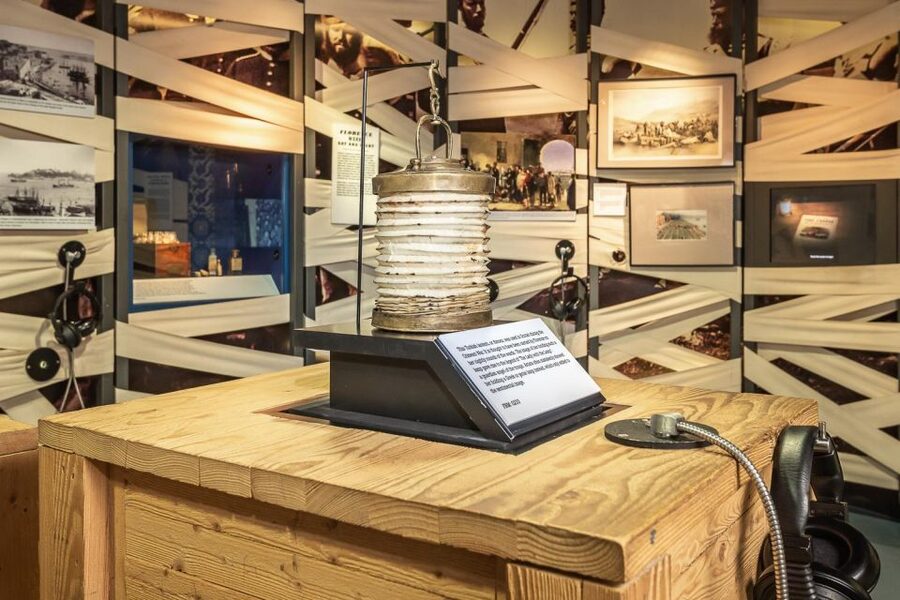
Florence Nightingale’s old lamp is the star here, but the personal artifacts tell the bigger story. At this small museum inside St Thomas’ Hospital, you follow her from a wealthy childhood to the Crimean War and her campaign for better care for ordinary people. I like the medicine chest and Athena, her pet owl, just as much as the famous lamp because they make her feel like a real person, not only a name from a schoolbook.
I also like the museum’s clear focus on nursing and medical reform. The displays explain what Nightingale actually changed, including the work behind her public image. The main consideration is the size of the museum: at $16, this is a focused visit rather than a full-day attraction, so you should pair it with nearby sights such as the Houses of Parliament or London Eye.
Key points to know before you go
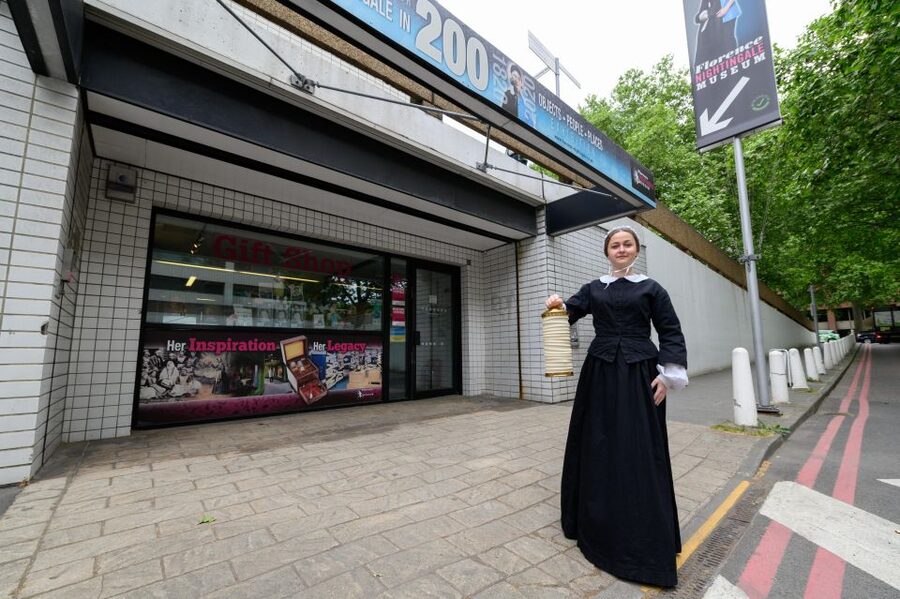
- See the original lamp linked to The Lady with the Lamp: This is the museum’s best-known object and the centerpiece of Nightingale’s wartime story.
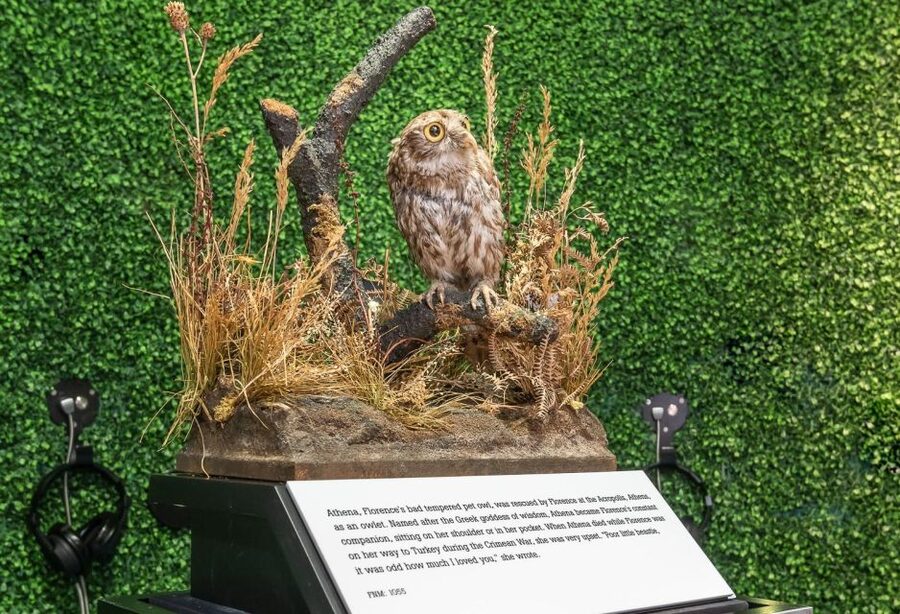
- Meet Athena, her pet owl: The owl adds an unusual, human detail to a serious account of nursing reform.
- Trace her life from privilege to public service: You learn about her family, childhood, resistance to her parents’ wishes, and later work.
- Visit inside St Thomas’ Hospital: The location beside the Thames makes it easy to combine with central London sightseeing.
- Allow a flexible visit on your booked date: Entry is available during opening hours, with no fixed start time listed.
- Use the late Thursday opening when possible: On the last Thursday of the month, the museum remains open until 8pm, except in December.
Why Florence Nightingale’s story still works in a small museum
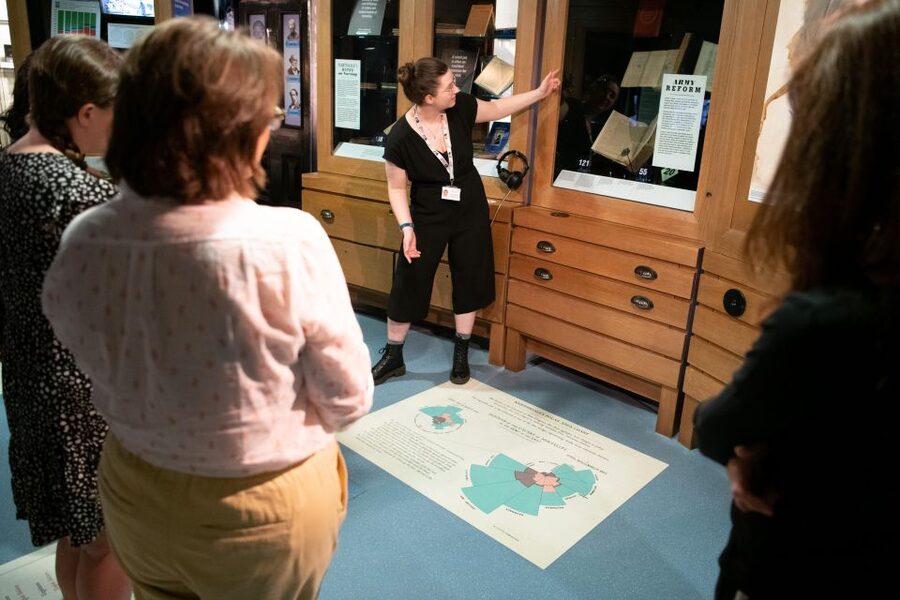
The Florence Nightingale Museum does not rely only on the famous image of a woman carrying a lamp through a dark hospital ward. That image is here, but the museum uses it as a starting point for a wider account of discipline, political pressure, and practical reform.
You begin with Nightingale’s privileged upbringing. Her family background gave her opportunities, but it also brought expectations. Nursing was not viewed as a suitable path for a woman of her social position, and the museum explains how she pushed against her parents’ wishes to pursue it.
That conflict gives the story useful tension. Nightingale did not begin with the approval of everyone around her. Her decision required persistence, and the displays help you see nursing as a calling she chose rather than a role handed to her.
I find this part especially useful for visitors who know only the nickname The Lady with the Lamp. You get the family and childhood context needed to understand what she risked by choosing nursing. The story becomes less about one heroic night and more about years of effort.
More Museum Tours in London:
- Tower of London and Crown Jewels Exhibition Ticket
★ 4.5 · 6,677 reviews - London: Chelsea Football Club Stadium and Museum Tour
★ 4.8 · 4,576 reviews - Chelsea FC Stadium Tours and Museum
★ 5.0 · 1,908 reviews
The lamp, the medicine chest, and Athena
The lamp is the obvious object to seek out. It connects directly with Nightingale’s work during the Crimean War and with the image that made her famous. Seeing the actual object gives the story a physical anchor, even if you already know the broad outline.
The medicine chest adds another practical layer. It points to the daily work of care, where nursing involved supplies, observation, organization, and judgment. This is one reason the museum appeals to people with an interest in medical history. You are not looking only at a symbolic object. You are also seeing tools connected with the work itself.
Then there is Athena, Nightingale’s pet owl. An owl in a nursing museum is not what you expect, which is exactly why it helps. Small personal details like this break up the formal story and remind you that Nightingale had private interests and an unusual life outside her public reputation.
The collection includes authentic objects once owned by Nightingale. That matters at a museum of this size. Rather than filling a large building with general Victorian material, the museum keeps bringing you back to one person’s decisions, work, and belongings.
Following the story from childhood to the Crimean War
The visit moves through the main stages of Nightingale’s life. The early material covers her family and childhood, then her decision to become a nurse despite opposition at home.
From there, the focus turns to the Crimean War. This is where the lamp becomes more than a famous prop. You can connect the object to the wider account of Nightingale’s nursing work and the conditions she confronted.
The museum also gives attention to her campaign for better healthcare for ordinary people. That broader goal is important. Nightingale was not remembered only because she cared for wounded soldiers. Her work helped push nursing and healthcare toward better standards and wider public benefit.
I would pay attention to the medical information here. It is one of the strongest reasons to visit, particularly if you work in healthcare, study nursing, or have a personal connection to medicine. One recent visitor with medical experience found the extent of that information especially meaningful, including the displays showing Florence’s interaction with very young children.
The museum’s approach should suit you if you prefer a compact, readable account rather than a large institution with dozens of unrelated rooms. You can concentrate on the main subject without spending half your visit searching for her among general exhibits.
A focused look at nursing reform
The museum’s greatest value is its explanation of Nightingale’s contribution to the art and practice of nursing. You learn that her influence reached beyond bedside care. Her work also involved standards, training, organization, and arguments for better healthcare.
That makes the visit more useful than a simple biography. You are encouraged to think about why nursing needed reform and why Nightingale’s methods had lasting importance. The museum presents her as someone who combined compassion with firm ideas about how care should be delivered.
I would not expect a long lecture or a formal guided tour with a named specialist. The activity information identifies an English-speaking host or greeter, but the experience is primarily a museum visit with time to move through the collection at your own pace. That suits independent visitors who want to pause over the medical displays, though anyone seeking a detailed live talk should keep expectations modest.
The small group limit of nine gives the booking a quieter feel than a large coach excursion. Still, the ticket is for museum access, not an all-day guided London tour. You will need to make your own way around the displays and manage your time.
More museums and galleries in London:
- London: British Museum Guided Tour
★ 4.3 · 1,182 reviews - Official tickets: Moco Modern & Contemporary Art Museum
★ 4.5 · 1,157 reviews - British Museum London Guided Tour Semi-Private 8ppl Max
★ 5.0 · 984 reviews - London: Jack the Ripper Museum Tickets
★ 4.2 · 894 reviews
St Thomas’ Hospital and the central London setting
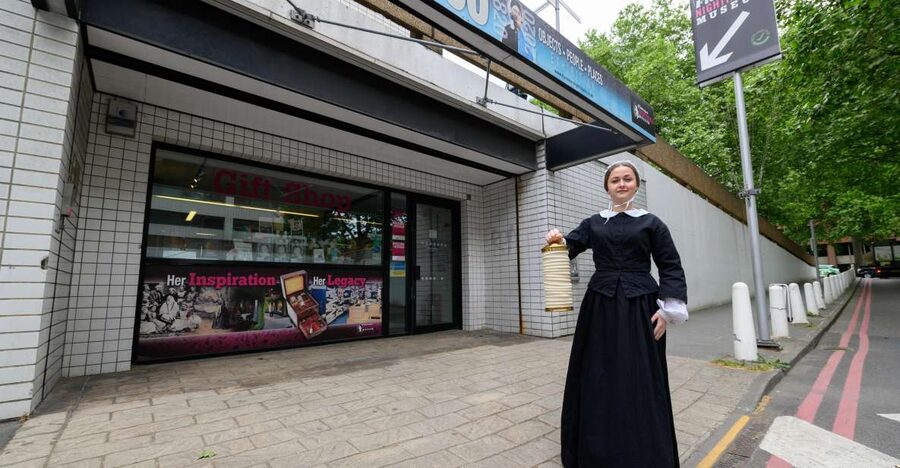
The museum is located at parking level in the grounds of St Thomas’ Hospital. Look for hospital signs directing you to the Florence Nightingale Museum. This location can be slightly less obvious than a museum entrance on a major street, so allow a little time to find the correct area.
The setting is practical rather than grand. You are visiting a museum connected to a working hospital, which gives the subject an appropriate home. It also makes the museum easy to fit into a day around central London.
The Houses of Parliament and London Eye are a short walk away. That makes the $16 ticket easier to justify if you combine it with other stops instead of making a special journey only for the museum. You could visit the museum in the morning, then continue toward Westminster, or use it as a quieter stop after the busier attractions nearby.
The location also works well in poor weather. You get an indoor historical stop close to major sights, without committing to a large block of your day.
How long to allow and when to visit
The ticket is valid for one day, and you can enter anytime during the opening hours on your booked date. No fixed start time is given, so you have useful flexibility if your London schedule changes.
The museum is open Tuesday through Sunday from 10am to 5pm, with last entry at 4:30pm. It is closed on Mondays according to the supplied opening schedule, so check your date carefully before booking.
The last Thursday of each month brings a later closing time of 8pm, with last admission at 7:30pm. From 5pm on that evening, the museum shop has a cash and card bar. There is no late opening in December.
I would allow enough time to read the displays rather than rushing in for a quick photograph of the lamp. The museum is compact, but the medical information and personal story reward a slower pace. If you have only a tight window before another London booking, the flexible entry time lets you choose a practical slot. If you have a full free day, pair this visit with nearby sights rather than expecting the museum itself to occupy the whole day.
Is $16 a fair price?
At $16 per person, this is a reasonable ticket for a specialist London museum, provided you have a real interest in Nightingale, nursing, or social reform. You are paying for access to authentic personal objects and a focused collection, not for a long attraction with rides, grand rooms, or hours of entertainment.
The value improves when you care about the subject. Nursing students, medical workers, school-age children studying Nightingale, and visitors interested in women’s history will find more to take from the exhibits than someone looking for a general London attraction.
For a casual sightseeing day, I would compare the ticket with your other planned stops. The museum is close to the London Eye and Houses of Parliament, so it can work well as a short cultural addition. I would not book it expecting a major tourist attraction on the scale of the British Museum.
The option to reserve now and pay later is useful if your schedule is still taking shape. You can also cancel up to 24 hours in advance for a full refund. Those terms reduce the risk of booking a small museum too early in a busy London itinerary.
Who will enjoy this museum most
I would recommend the Florence Nightingale Museum to:
- Nursing and healthcare professionals: The medical information and discussion of nursing practice give the visit professional relevance.
- Students and families: The story of a young woman challenging family expectations offers a clear, accessible lesson in determination and public service.
- Women’s history enthusiasts: Nightingale’s career shows how she used persistence and social position to press for change.
- History fans who prefer original objects: The lamp, medicine chest, and other personal belongings give the story a direct physical connection.
- Visitors already sightseeing near Westminster: The central location makes the museum easy to add without a long detour.
I would be less likely to recommend it if you have no interest in nursing, Victorian social history, or Florence Nightingale herself. Its narrow subject is its strength, but it also limits the appeal for visitors who want a broad survey of London.
The museum is wheelchair accessible, which is helpful for visitors planning a central London day. Food and drinks are not allowed inside, so plan to eat before or after your visit.
Practical booking advice
Choose a Tuesday through Sunday date and check the opening hours before you pay. If you want the latest possible visit, select the last Thursday of the month, but remember that December has no late opening.
The English-speaking host or greeter can help with the arrival point, but do not confuse this with a fully guided walking tour. You are booking entry to the Florence Nightingale Museum, with time to explore the collection yourself.
Use St Thomas’ Hospital signage to locate the museum at parking level. Since the museum is close to the Houses of Parliament and London Eye, place it alongside those sights in your plan. That approach makes better use of both your time and the ticket price.
The overall rating is 4.7 from 54 reviews, and the most praised qualities are easy to understand: the booking process is simple, reminders arrive on time, and the museum provides strong medical information. Those points matter when you have a crowded London schedule and want a straightforward, well-organized stop.
Should you book the Florence Nightingale Museum?
Book it if you want a short, thoughtful museum visit built around authentic objects and a powerful personal story. The lamp is memorable, but the medicine chest, Athena the owl, childhood displays, Crimean War material, and nursing reforms give you a fuller picture of Nightingale’s achievements.
Skip it if you want a large museum with many unrelated collections or a guided tour lasting most of the day. For the right visitor, the $16 ticket offers a focused look at a woman who challenged family expectations and helped reshape healthcare. Add it to a Westminster sightseeing day, arrive with time to read, and the museum should earn its place in your London plans.
FAQ
Where is the Florence Nightingale Museum located?
The museum is at parking level in the grounds of St Thomas’ Hospital in London. It is a short walk from the Houses of Parliament and the London Eye. Follow the hospital signage for directions to the museum.
What are the museum’s opening hours?
The museum is open Tuesday through Sunday from 10am to 5pm, with last entry at 4:30pm. On the last Thursday of each month, it stays open until 8pm, with last admission at 7:30pm. There is no late opening in December.
What does the ticket include?
The ticket includes entry to the Florence Nightingale Museum. You can access the museum anytime during its opening hours on your booked date.
Is the Florence Nightingale Museum wheelchair accessible?
Yes. The museum is wheelchair accessible.
Can I cancel the booking?
Yes. You can cancel up to 24 hours in advance for a full refund. You can also reserve now and pay later, which keeps your plans flexible.
Are food and drinks allowed inside?
No. Food and drinks are not allowed in the museum.
Just added in London
- 3-Day Stonehenge*, Glastonbury, Bath & the South West Coast Tour from London★ 4.5 · 32 reviews
- Private Guided Tour of Harry Potter Locations – English/ Italian★ 5.0 · 33 reviews
- Private Tour London Highlights, entries Westminster Abbey, The Tower of London★ 5.0 · 93 reviews
- 2 Hour Walking Tour from Buckingham Palace to Big Ben★ 5.0 · 32 reviews
- 30 Major London Attractions Walking Tour With Photos★ 4.5 · 51 reviews
- 007 Shadow Of Spectre★ 5.0 · 135 reviews
- Private Guided Tour of the British Museum – Tickets Included★ 5.0 · 193 reviews
- Bath, Avebury and Lacock Village Small-Group Day Tour from London★ 4.5 · 121 reviews
Museums, compared.

Liverpool Football Club Museum and Stadium Tour
Read our review →
Tower of London and Crown Jewels Exhibition Ticket
Read our review →
Chelsea Football Club Stadium and Museum Tour
Read our review →


Browse the lists this tour appears in