
Reviewed · MUSEUMS
London: British Museum Guided Tour
The British Museum’s sheer size is the reason to take this tour. In two hours, a guide leads you to major pieces such as the Rosetta Stone, Egyptian mummies, the Parthenon Sculptures, Sutton Hoo, and the Winged Bulls from Khorsabad, while explaining how they fit into the wider story of human culture.
I like two things here: the guide gives shape to an overwhelming museum, and the route brings together objects from very different places and periods. Guides such as Joe, Denise, Paul, and Filomena have been praised for clear storytelling, humor, patience, and the ability to adjust the visit for children or guests who need more time.
The catch is simple: two hours can only provide an introduction. You may spend little time at exhibits that interest you most, and meeting instructions need careful attention because the location can vary by booking option and the museum entrance queue may take time.
Key Points At A Glance
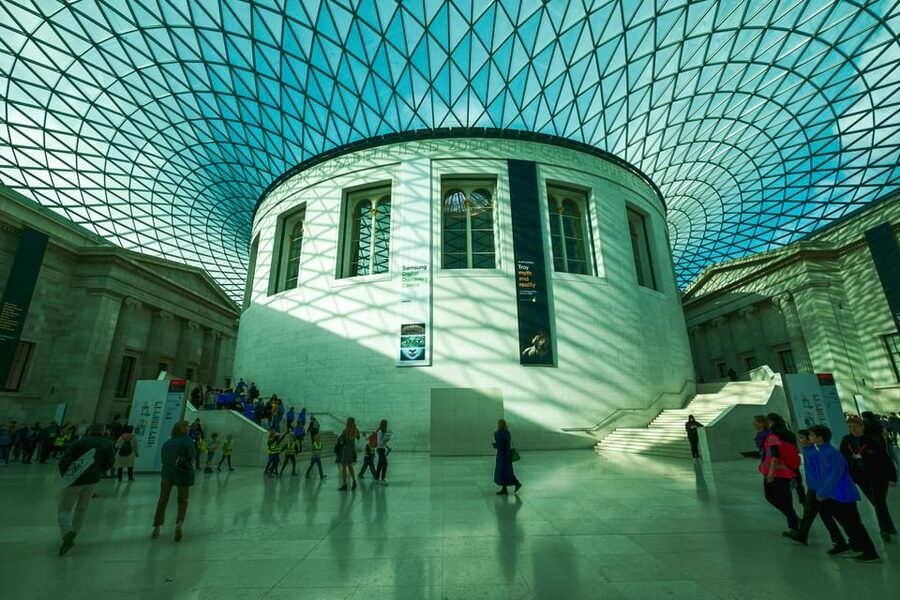
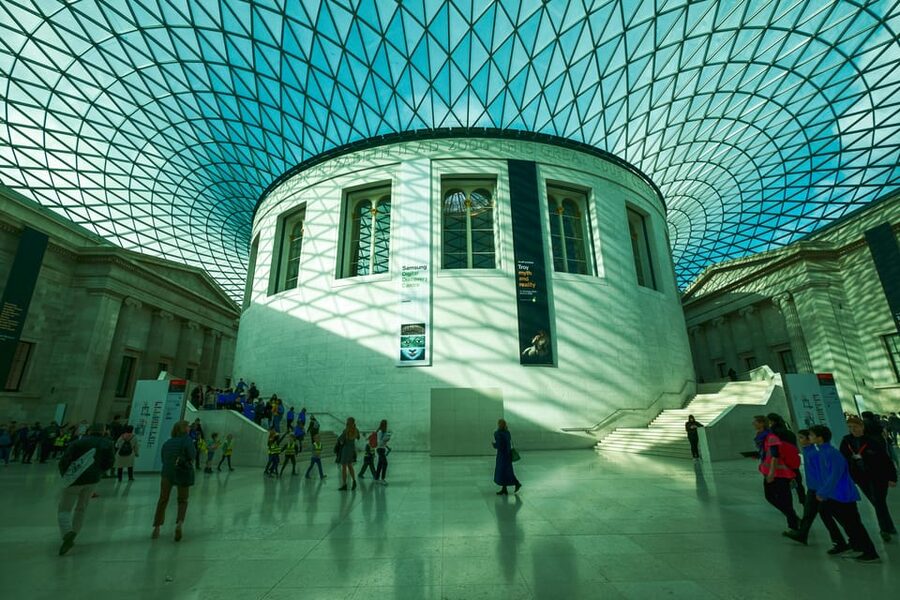
- The Great Court gives you an impressive first look: Its glass roof and central Reading Room create a dramatic opening to the visit.
- The Rosetta Stone is the tour’s essential stop: Your guide explains why this object helped scholars read Egyptian hieroglyphics.
- Ancient Egypt gets serious attention: Mummies, including a 5,000-year-old human body, make the past feel immediate.
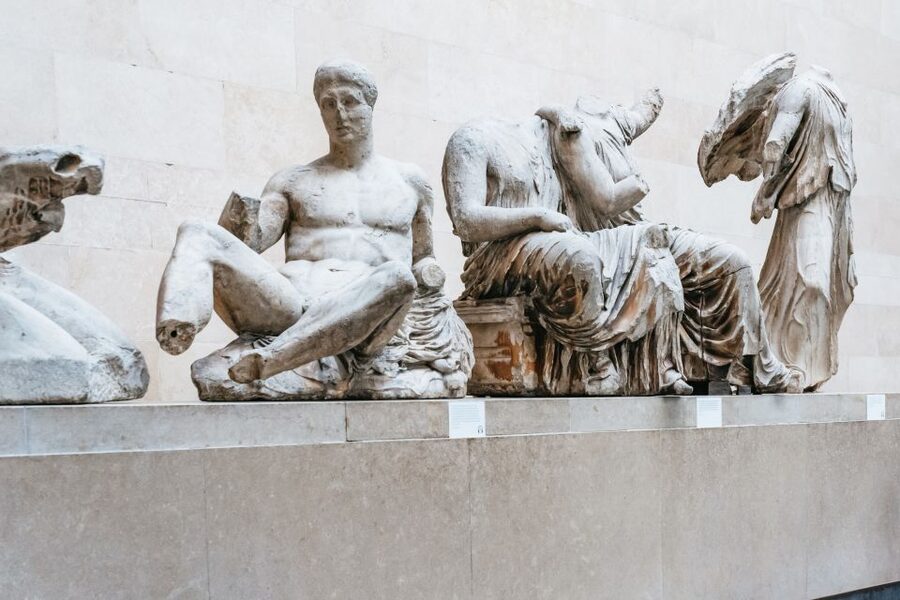
- The Parthenon Sculptures bring modern debate into the museum: You hear about their removal from Athens by Lord Elgin and the dispute surrounding them.
- A guide saves you from wandering without a plan: The museum is vast enough that a focused route has real value.
- The $23 price is reasonable for a first visit: You are paying for direction, context, and two hours of live explanation, not admission to a private collection.
Why The British Museum Needs A Guided Route
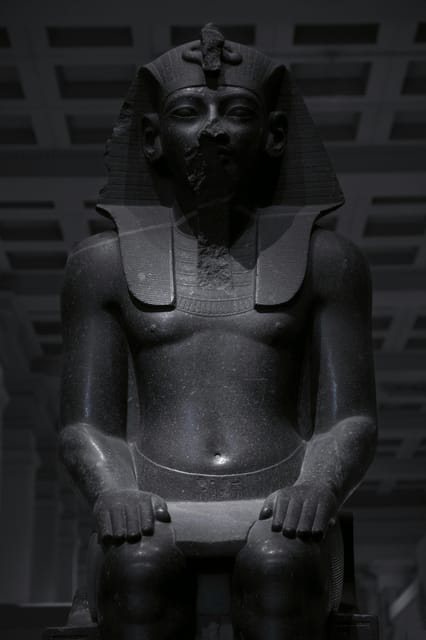
The British Museum is not a place you casually check off in half an hour. Its galleries cover thousands of years and many parts of the world, with famous objects spread through a large public building.
That size can be thrilling, but it can also work against you. Without a plan, you might spend too long in one room and miss the pieces you came to see. A good guide keeps the visit moving and links the objects together instead of treating each display as an isolated stop.
I especially like the way this tour uses a broad idea, human culture, to connect the galleries. You move from Egyptian writing to Greek sculpture, from Anglo-Saxon burial objects to Assyrian palace art. The point is not to see everything. It is to understand why a handful of objects matter.
Several guides have earned praise for making this approach work. Joe is often described as an energetic storyteller who explains Greek and Egyptian subjects clearly. Denise is known for a warm, funny manner and strong command of the collection. Paul has been praised for clear communication, organization, and the ability to keep a group moving. Filomena has also been noted for explaining major objects with care and good humor.
The guide you receive will vary, so do not book on the assumption that you will get a particular person. The useful thing to expect is a live, human explanation rather than a fixed audio route.
More Museum Tours in London:
- Tower of London and Crown Jewels Exhibition Ticket
★ 4.5 · 6,677 reviews - London: Chelsea Football Club Stadium and Museum Tour
★ 4.8 · 4,576 reviews - Chelsea FC Stadium Tours and Museum
★ 5.0 · 1,908 reviews
Starting Beneath The Great Court Glass Roof
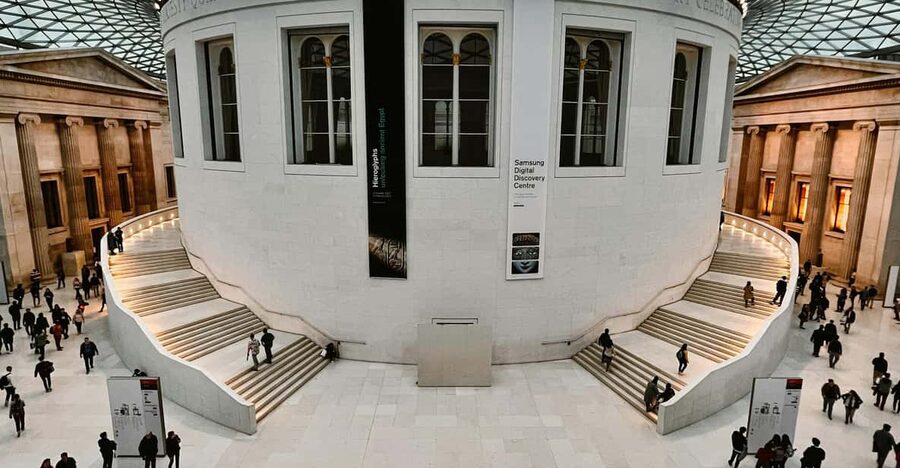
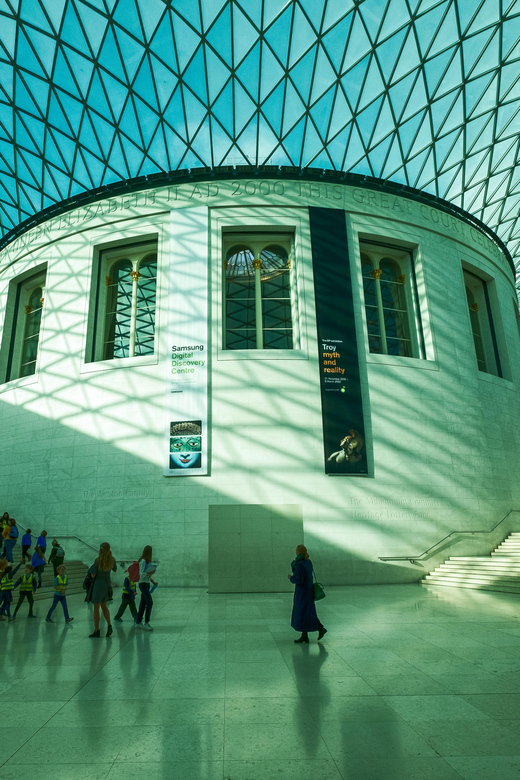
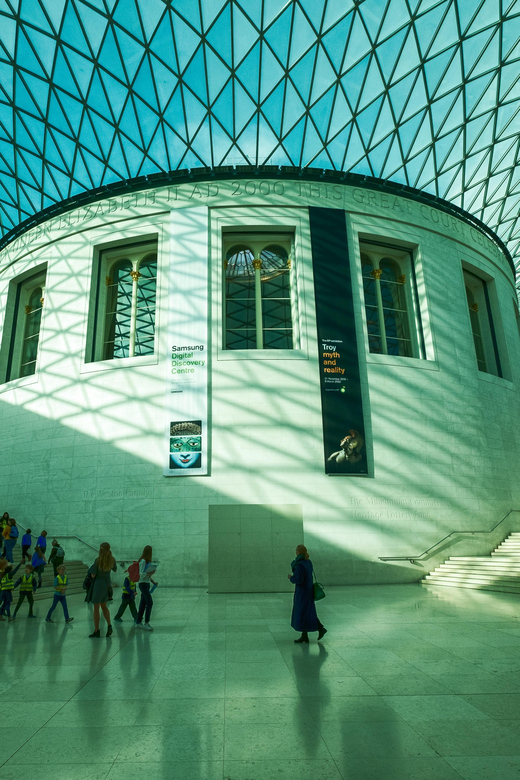
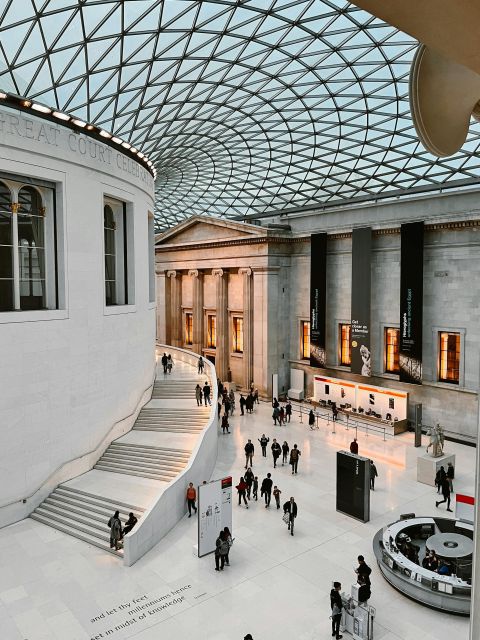
The Great Court is a sensible place to begin. Its sweeping glass ceiling changes the feel of the old museum, filling the central space with light and giving you a quick sense of the building’s scale.
The Reading Room sits at the heart of the court. Even if you are not visiting it as a working reading space, it provides a striking focal point beneath the roof. Your guide may use this first stop to explain the museum itself before leading you to the collections.
That opening matters because the British Museum can feel confusing at first. A short orientation helps you understand where you are and why the galleries are arranged as they are. It also lets you look up and take in the architecture before concentrating on cases and labels.
Do not expect a long architectural tour here. The Great Court is an opening view, not the main subject of the experience. The real value comes from using it as a starting point for the collections.
The Rosetta Stone And The Power Of Writing
The Rosetta Stone is one of the clearest examples of why a single object can matter far beyond its physical appearance. The stone carries the same decree in more than one script, allowing scholars to compare the known writing with Egyptian hieroglyphics.
Your guide explains how this comparison helped make Egyptian writing readable to modern scholars. That is far more useful than simply being told that the stone is famous. You begin to see it as a practical key to an entire written world.
The stone can be surrounded by other visitors, and you may not get a long, quiet look. A guide helps by pointing out what to focus on and by giving the object a clear place in the story of ancient Egypt.
This is also a good stop for children and teenagers who prefer a puzzle to a long lecture. The basic idea is easy to grasp: one text, several writing systems, and a breakthrough in understanding.
Ancient Egypt, Mummies, And A Very Direct Encounter
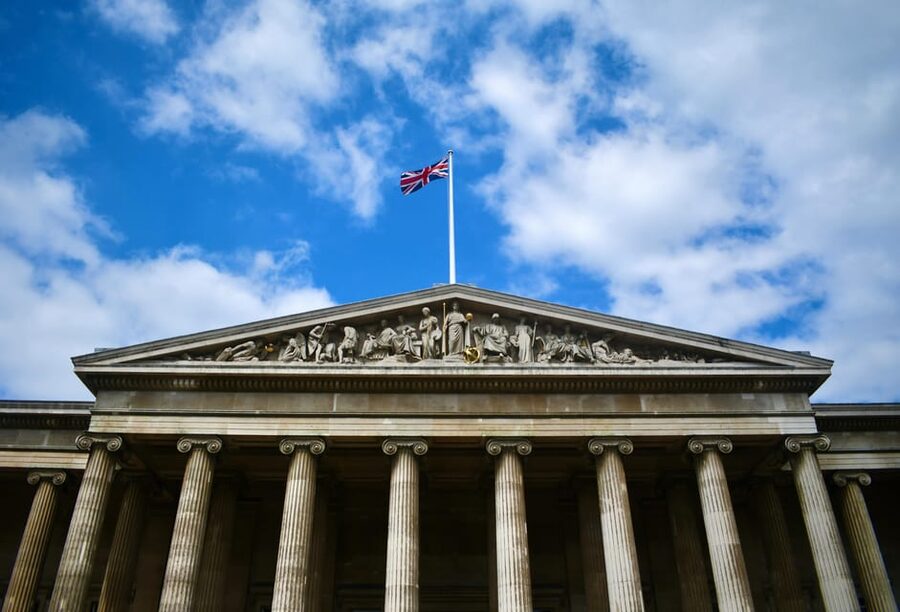
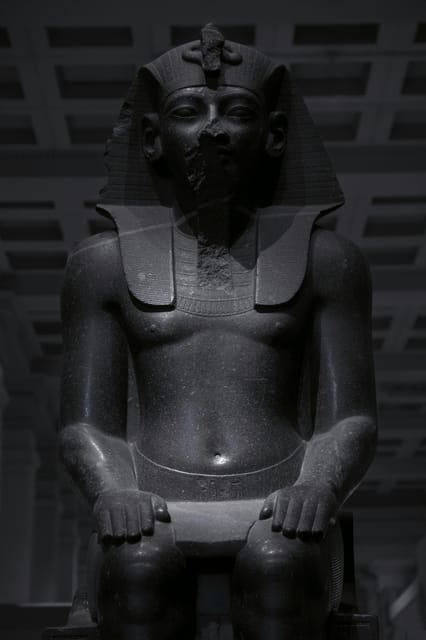
The Ancient Egypt galleries are among the tour’s most memorable sections. You can expect to see mummies and learn about the beliefs and practices connected with burial in ancient Egypt.
One family visit described a 5,000-year-old body as the moment that caught everyone’s attention, including children who had found other parts of the museum harder to follow. That detail says something useful about planning a family visit: the tour may not hold every young child’s interest at every stop, but the physical remains and unusual objects can create strong points of connection.
The guide’s role is important here. A mummy can become just another glass case if you only read a label. With context, you can consider why bodies were preserved, what burial objects reveal, and how museums present human remains.
This section may not suit every child or adult. Some people find preserved bodies uncomfortable, and the tour moves at a group pace. Still, if Egyptian culture is high on your list, this is one of the places where a live guide adds real value.
More museums and galleries in London:
- Official tickets: Moco Modern & Contemporary Art Museum
★ 4.5 · 1,157 reviews - British Museum London Guided Tour Semi-Private 8ppl Max
★ 5.0 · 984 reviews - London: Jack the Ripper Museum Tickets
★ 4.2 · 894 reviews - London: Tour of the British Museum
★ 4.1 · 678 reviews
The Parthenon Sculptures And The Question Of Ownership
The Parthenon Sculptures, often called the Elgin Marbles, are not just celebrated works of Greek art. They also raise difficult questions about removal, ownership, and the right place for cultural objects.
The sculptures were taken from the Parthenon in Athens by Lord Elgin, who served as the British ambassador to the Ottoman Empire. Your guide introduces that background and explains why the pieces remain controversial.
This is one of the strongest parts of the route for visitors who want more than dates and names. The objects are beautiful, but their story is unsettled. A short tour cannot cover every argument in the dispute, yet it can help you understand why the display is politically and culturally sensitive.
You should not expect the tour to settle the debate for you. A good guide gives you the basic facts and lets you look closely at the sculpture. I appreciate that combination. You get art, ancient history, and a modern question about museums in one stop.
Sutton Hoo And The Anglo-Saxon World
The Sutton Hoo material shifts the focus away from the Mediterranean and Egypt. These Anglo-Saxon burial relics show the wealth, craft, and connections of an early medieval society in England.
The objects are useful because they challenge the lazy idea that early medieval Britain was a simple or isolated place. Burial goods can tell you about status, belief, metalworking, trade, and the way people wanted to be remembered.
A guide can make this section easier to appreciate because the objects may not be as instantly recognizable as the Rosetta Stone or the mummies. You may need a little explanation to understand why a burial site and its contents have such importance.
For visitors interested in British archaeology, Sutton Hoo may become a favorite part of the tour. For others, it is a welcome change of pace after the better-known Egyptian and Greek displays.
The Winged Bulls From Khorsabad
The Winged Bulls from Khorsabad bring monumental Assyrian art into the route. These imposing figures were made to guard an ancient palace, and their size gives you a different experience from smaller objects in display cases.
Your guide may point out how the figures combine human and animal features and explain their role in the palace setting. That extra context helps you read them as political and religious symbols rather than simply large stone sculptures.
This stop also shows why the British Museum can feel like a journey across continents without leaving one building. In a single visit, you can move from Egypt to Greece, England, and ancient Assyria.
The limitation is time. The museum contains far more from these cultures than a two-hour tour can cover. If Assyrian art becomes your main interest, note the location and return after the guided portion ends.
The Value Of A $23 Guided Visit
At $23 per person, this is a modest cost for a focused introduction to one of London’s major museums. The British Museum is public, so the value is not in paying for exclusive access. You are paying for a route, explanations, and help deciding what deserves your attention.
That distinction matters. If you are already familiar with the museum, have a clear gallery plan, and enjoy reading labels at your own pace, you may prefer to explore independently. If this is your first visit, the guide can prevent hours of aimless walking.
The price is especially fair for a short London stay. Two hours gives you a foundation, and you can continue on your own afterward if you want more Egyptian galleries, Greek sculpture, or other collections.
I would not book this expecting an exhaustive visit. You will see selected highlights, not every major room. The best way to use the tour is as a first pass, then stay in the museum afterward and return to the sections that caught your attention.
Timing, Groups, And Meeting Instructions
The advertised duration is two hours, with starting times depending on availability. The experience does not include transportation, so you need to reach the museum yourself.
Meeting details can vary with the option you book. Read them closely. The entrance process has caused confusion for some people, particularly when the stated meeting time falls before the museum opens or when guests must first wait in the entry queue.
Allow extra time for security and entry. One practical suggestion is to have your guide’s contact details available and make sure you can connect if needed. Museum Wi-Fi may help, but relying on a last-minute connection is not ideal.
Group size can vary. One visit had six people, which allowed the guide to cover a lot while still answering questions. Larger groups may feel less personal, though headsets are provided when there are more than six people.
The tour is wheelchair accessible. If you use a cane or need regular places to sit, mention that when arranging your visit if possible. One guide made a point of ensuring a guest with a cane had somewhere to sit during explanations, but this should not replace asking about your own needs in advance.
Language Options And Guide Style
The activity details identify English and Italian as the live guide languages. The included information also lists commentary in German, French, Spanish, Italian, Russian, Portuguese, and English, so check the exact option before booking if language is important to you.
The strongest part of the experience is the guide’s ability to explain without turning the visit into a dry lecture. Joe has been praised for repeating key themes so the route remained easy to follow. Other guides have been appreciated for adapting explanations for teenagers, children, and mixed-interest groups.
That flexibility can make a big difference. One guide managed to draw a reluctant teenager into the visit by connecting the material to her interests. Another adjusted the route when parts of the museum were closed and offered directions to galleries the group had missed.
Still, this is a group tour. You may need to move on while you are still studying an object. If you like to spend twenty minutes with one sculpture, plan to return on your own afterward.
Who Should Book This British Museum Tour?
I would recommend it to first-time visitors, families with older children, and anyone who wants a clear introduction without doing hours of research first. It is also useful if your London schedule is tight and you want to see the museum’s main names quickly.
History fans will get plenty from it, especially if you enjoy Egypt, Greece, archaeology, and ancient cultures. Teenagers may respond well to the Rosetta Stone, mummies, dramatic myths, and stories of power and loss.
You may want to skip it if you already know the museum well or if you strongly prefer independent wandering. The fixed pace and selected route will not suit everyone.
For most first visits, though, the $23 cost is sensible. The museum is too large to absorb casually, and a strong guide can turn a pile of famous objects into a connected story.
Should You Book It?
Book this tour if you want a focused first look at the British Museum rather than a full-day examination of its collections. The Rosetta Stone, Egyptian mummies, Parthenon Sculptures, Sutton Hoo, and Winged Bulls give you a solid spread of major sights.
Before paying, check the meeting point, language, start time, and cancellation terms attached to your exact option. The supplied booking details give different cancellation windows, one saying 24 hours and another saying 72 hours, so confirm the rule shown at checkout.
If those details work for your schedule, I would choose the guided visit, then stay afterward for the galleries the tour could only introduce.
FAQ
How long is the British Museum guided tour?
The tour lasts two hours.
How much does the tour cost?
The listed price is $23 per person.
What will I see during the tour?
The route may include the Great Court and Reading Room, the Rosetta Stone, the Parthenon Sculptures, Ancient Egypt galleries with mummies, Sutton Hoo burial relics, and the Winged Bulls from Khorsabad.
Is transportation included?
No. Transportation is not included, so you must make your own way to the museum.
What languages are available?
The live guide options are listed as English and Italian. The included information also lists commentary in German, French, Spanish, Russian, and Portuguese. Check the specific option before booking.
Is the tour wheelchair accessible?
Yes, the activity is listed as wheelchair accessible.
Are headsets provided?
Headsets are provided for groups of more than six people.
Can I cancel the booking for a refund?
The booking information says cancellation up to 24 hours in advance can qualify for a full refund. Another section states cancellation up to 72 hours before the tour without penalty, so check the exact terms for your chosen option.
Does the tour include museum admission?
The supplied details describe a guided tour of the British Museum but do not clearly state separate admission arrangements. Check the booking instructions and meeting details before arrival.
Just added in London
- Highlights of Royal London Bike Tour including Hyde Park★ 5.0 · 543 reviews
- Shared Arrival Transfer London Airport to Hotel Accommodation★ 4.0 · 446 reviews
- Sherlock: The Official Live Game★ 4.5 · 460 reviews
- James Bond Shooting Locations 2-Hour Walking Tour of London★ 4.7 · 332 reviews
- Camden Pub Crawl in London★ 5.0 · 238 reviews
- Eating London: Twilight Soho VIP Food & Drinks Tour★ 5.0 · 590 reviews
- Heathrow Airport to Central London Private Transfers★ 4.5 · 402 reviews
- London Pub Crawl★ 5.0 · 247 reviews
Museums, compared.

Liverpool Football Club Museum and Stadium Tour
Read our review →
Tower of London and Crown Jewels Exhibition Ticket
Read our review →
Chelsea Football Club Stadium and Museum Tour
Read our review →



Official tickets: Moco Modern & Contemporary Art Museum
Read our review →Browse the lists this tour appears in