
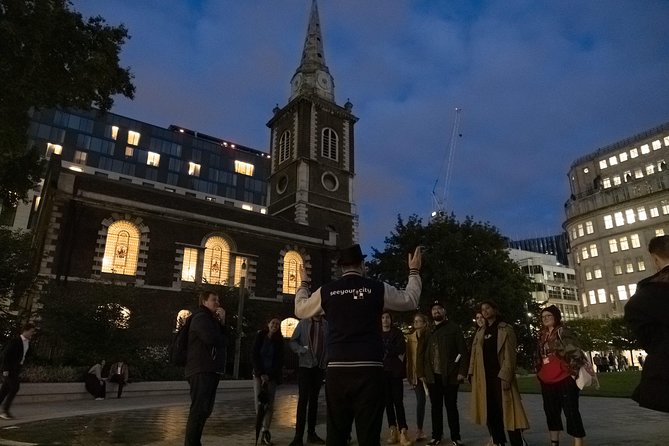
Reviewed · JACK THE RIPPER TOURS
The Original Jack the Ripper : Guided Tour
Jack the Ripper’s murders become far more unsettling when you leave the documentary behind and walk the narrow streets where the crimes unfolded. This two-hour tour moves through Whitechapel, visits the site linked to Catherine Eddowes, passes St Botolph Church, and finishes near The Ten Bells pub.
I like the focus on the victims and the way guides such as Gabby, Marc, Nick, Arne, and Martin bring the period to life with clear storytelling and images on an iPad. I also like the reasonable $22.19 price, which makes this an easy add-on for a London day. The main concern is the walking route and group size: narrow streets can feel crowded, and a late evening start may be less comfortable for some people.
Key points to know before you book
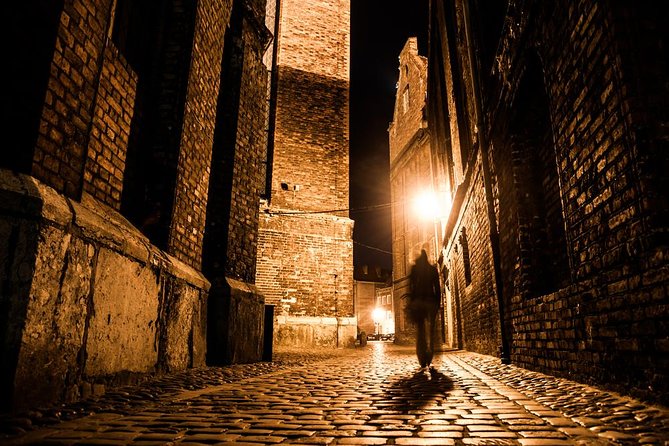
- A two-hour walk through Whitechapel: The route connects Victorian streets, murder sites, St Botolph Church, and The Ten Bells area.
- Victim-centered storytelling: Guides explain who the women were and how social conditions shaped their lives, not just the identity theories surrounding the killer.
- Period images and interactive material: Some guides use an iPad to show photographs and visual evidence during the walk.
- A low-cost London experience: At $22.19 per person, the tour offers a focused slice of local history without taking up a full day.
- A group of up to 25 people: Smaller departures can be easier to hear, while a full group may be awkward on crowded pavements.
- Arrive 15 minutes early: The route is difficult to join once it has started, and hotel pickup is not included.
What this Jack the Ripper walk is really about
This is not simply a search for dark alleys and grisly details. At its best, the tour gives you a picture of Whitechapel in 1888, when poverty, overcrowded housing, casual labor, alcohol, and limited support left many women exposed to danger.
That social setting matters. Without it, the murders become a string of names and dates. With it, you begin to understand the victims as women with complicated lives, not just figures in a famous unsolved case.
The guides take different approaches, but the strongest ones keep the story grounded. Gabby is praised for putting the victims first. Marc places the crimes within the social life of late 19th-century London. Benitta and Arne are noted for their storytelling and clear explanations, while Nick combines energy, visual material, and detailed knowledge of the case.
You should expect theories and speculation. You should not expect a final answer about who Jack the Ripper was. The case remains unsolved, and a good guide makes a clear distinction between evidence, later claims, and guesswork.
Other dark-history walks in London:
- London: The Original Jack the Ripper Walking Tour
★ 4.7 · 7,833 reviews - London Jack the Ripper Guided Tour with Ripper-Vision
★ 4.5 · 4,840 reviews - London: Jack the Ripper Small Group Tour
★ 4.7 · 3,159 reviews
Starting at St Mary’s Whitechapel Church
The meeting point is at the St Mary’s Whitechapel Church Memorial on Unnamed Road, London E1 1FE. You need to arrive at least 15 minutes before the stated start time.
That early arrival is not a minor suggestion. Once the group has moved into the streets, catching up can be hard. The tour is conducted on foot, and the guide may already be several turns away by the time a late arrival reaches the first stop.
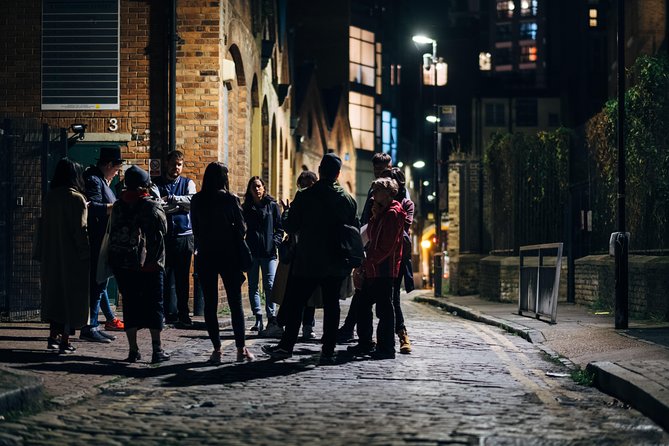
The starting area gives you an immediate sense of the East End setting. You are not beginning inside a museum or a warm visitor center. You meet outdoors, then move through the working streets of Whitechapel as the guide builds the story around the places themselves.
The walk is offered at several times, which helps you fit it around a day of sightseeing. Still, timing affects the experience. One departure at 5 p.m. may offer a more comfortable balance of daylight and atmosphere than a 7 p.m. start. The later option adds darkness, but some parts of the neighborhood can feel less welcoming after dark.
Catherine Eddowes’ murder site
One named stop is the site associated with Catherine Eddowes, where the guide spends about 15 minutes. This is one of the places where the tour shifts from general Victorian background to the details of a particular victim and crime.
The value of a stop like this is not the appearance of the site itself. Modern London has changed, and you should not expect an untouched crime scene. The point is to understand how the location fits into the route taken by the police, the victim, and the person responsible for the murder.
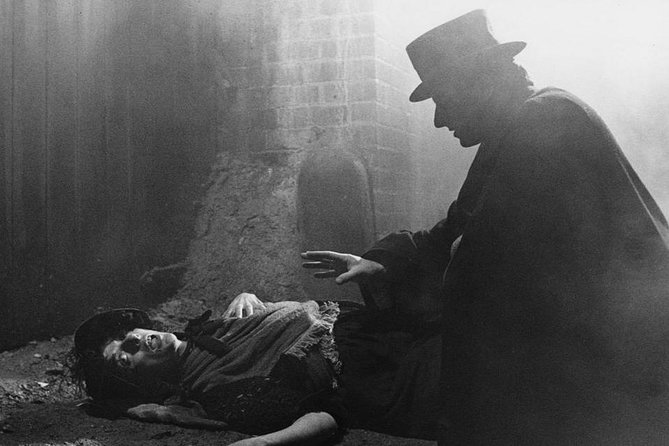
A guide may use images or maps to connect the present street with the older setting. Several guides use an iPad to show photographs and visual material, which is useful when buildings have changed or when the original scene is difficult to picture.
This is also where the tone matters most. The strongest version of the tour explains what is known about Catherine Eddowes and separates hard evidence from later storytelling. You may hear disturbing details, but the presentation does not need to turn the victim into a spectacle.
If you prefer to avoid graphic material, pay attention to the guide’s pacing and stay near the edge of the group. The tour includes gruesome information, and the guide can explain the case in detail. It is not presented as a frightening ghost walk, but some content is plainly upsetting.
St Botolph Church and the social world of 1888
St Botolph Church is another named stop. It is also known as the Prostitutes Church, a label that reflects the way the area and its women were described in the Victorian period.
This part of the walk helps explain the world surrounding the murders. The church is not just another photo stop. It gives the guide a place to discuss poverty, sex work, religion, respectability, and the limited choices available to women living on the edge of London society.
I find this context more useful than another round of killer theories. It explains why police records and newspapers often described the victims through moral judgment rather than through their work, friendships, and family ties.
The exact balance depends on your guide. Benitta, Gabby, and Marc are especially associated with a victim-centered and social approach. Other guides may spend more time on theories and forensic details. The experience can change in tone from one departure to another, even though the route remains broadly similar.
A few more things to do in London worth a look
- Magical London: Harry Potter Guided Walking Tour
★ 4.7 · 22,044 reviews - London: Emirates Stadium Entry Ticket and Audio Guide
★ 4.7 · 5,513 reviews - Stonehenge, Windsor Castle and Bath Full Day Guided Tour
★ 4.5 · 5,346 reviews - Original Harry Potter Locations Tour – Guided Tour of London
★ 5.0 · 4,117 reviews
Whitechapel streets, narrow pavements, and real city life
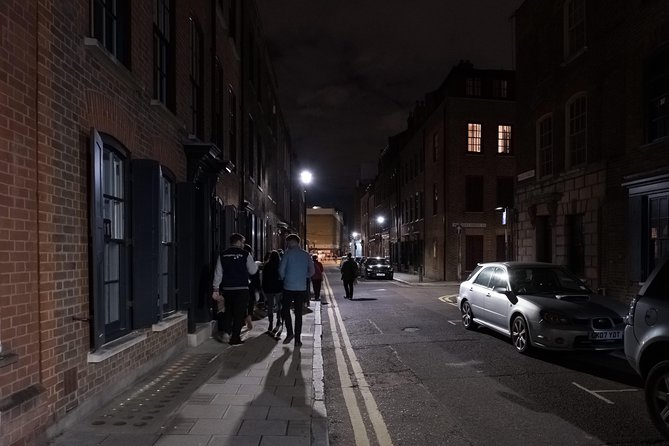
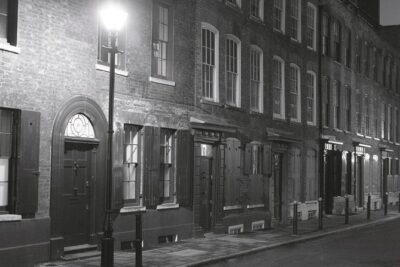
The walk covers historic streets in Whitechapel and parts of the City of London. This is a living part of London, not a preserved historical set. You will encounter modern shops, traffic, residents, uneven pavements, bicycles, and other people moving through the neighborhood.
That is part of the appeal. You can see how the old crime sites fit into the modern city instead of viewing them as isolated museum exhibits. The contrast between present-day London and the streets described by the guide gives the story weight.
It also creates practical problems. A full group can stretch across narrow pavements, and it may be hard to hear if you are at the back. One poor experience involved a group that felt much larger than expected, with people struggling to keep up and navigate uneven surfaces. This is not a reason to reject the tour, but it is a reason to stay close to the guide and wear steady walking shoes.
The stated maximum is 25 people. Some departures may be smaller, with one group reported at about 11 people, while other groups can feel crowded. If hearing every word matters to you, position yourself near the guide at the start and avoid drifting backward during photo stops.
Smoking in the group can also affect comfort, since the route takes place outdoors and close together. If that bothers you, a smaller departure may be preferable, though the available booking information does not promise a particular group size below the 25-person maximum.
The Ten Bells finish
The tour ends at The Ten Bells, 84 Commercial Street, London E1 6LY. The pub is a fitting final point because it connects the modern East End with the enduring public memory of the case.
You do not need to treat the pub as a required final activity. It simply gives you a useful place to end the walk, gather your thoughts, or continue into the neighborhood. Brick Lane is nearby, and dinner before or after the tour can make the outing feel like a fuller East End evening.
Ending here also gives you a chance to discuss the case while the details are fresh. You may leave with a favorite theory, but you should be cautious about anyone who presents an answer as certain. The tour is strongest when it encourages questions rather than pretending to solve a mystery that has resisted a definitive solution.
How the guides shape the experience
The guide is the most important variable in this tour. The route alone cannot carry two hours of walking and difficult subject matter. You need someone who can speak clearly, hold a group together, and explain the limits of the evidence.
Several guide names receive especially warm attention:
- Gabby is praised for clear delivery, strong organization, and her emphasis on the women who were killed.
- Marc focuses on Victorian social life and gives detailed explanations of the period.
- Nick uses enthusiasm, case knowledge, and an iPad with photographs.
- Arne is noted for a clear voice, detailed information, and a calm approach to the victims and theories.
- Martin brings humor and an outgoing style to the subject.
- Benitta is described as a strong storyteller who keeps the victims at the center.
- Mariana connects each victim’s life to the circumstances that led to the murder sites.
You cannot choose your guide from the information provided, so book this as a guided experience rather than a guaranteed performance by one specific person. The positive descriptions suggest a strong standard, but the lower ratings show that delivery can vary. An accent that is easy for one person to follow may be harder for another, and a guide who enjoys gruesome detail may not suit someone seeking a more restrained historical walk.
Price, timing, and overall value
At $22.19 per person, this is inexpensive by London tour standards. You receive a professional guide and an interactive walking experience lasting about two hours. Hotel pickup and drop-off are not included, but that omission is not a major drawback for a central London walking tour.
The value comes from the guide’s interpretation. You are not paying simply to see a few streets, since you could walk through Whitechapel on your own. You are paying for the connections between the sites, the period background, the victim biographies, the photographs, and the competing theories.
I would consider the price fair for someone interested in true crime, local history, or unusual London walks. It is also a manageable choice for a first evening in the East End because it does not consume half a day.
The tour is booked, on average, about 25 days ahead. That suggests you should reserve early if your London dates are fixed, especially if you want a particular time. Free cancellation is available until 24 hours before the start time. Cancellations or changes made inside that window are not refunded.
Who should book this walk
You will likely get the most from this experience if you enjoy:
- Unsolved crime and historical mysteries
- Walking tours that connect places with personal stories
- Victorian London and social history
- Detailed explanations of evidence and competing theories
- Evening activities that do not require a full meal or theater ticket
- A little atmosphere without a staged haunted-house presentation
It can also work well for older children and teenagers who are comfortable with disturbing material. One family brought teenage girls, who found the tour absorbing. That does not mean the walk is suitable for every young person. The murders and descriptions can be graphic, so parents should make that call carefully.
You may want to skip it if you dislike gruesome subjects, have trouble walking for two hours, or need a quiet, highly controlled tour setting. The streets can be crowded, and the largest groups may be difficult to hear.
Practical ways to make the walk better
Arrive early and stand close to the guide from the beginning. This gives you the best chance of hearing the story and avoids the stress of trying to catch up.
Wear comfortable shoes with dependable grip. The route includes city pavements, narrow streets, and uneven sections. Bring weather protection, since the walk continues in rain and there is no hotel pickup or indoor shelter built into the experience.
Think about the time of day. A 5 p.m. start may be preferable if you want more daylight while walking through Whitechapel. A 7 p.m. tour can create a stronger eerie mood, but the neighborhood may feel less comfortable to you after dark.
Keep an open mind about the case. The guide may present several suspects and theories, but the important question is why those ideas have or have not held up. Treat certainty as a warning sign.
Plan food around the finish. Brick Lane is a practical choice for a meal before or after the walk, and ending near The Ten Bells gives you a clear landmark for continuing your evening.
Should you book The Original Jack the Ripper Guided Tour?
I would book it if you want a reasonably priced, place-based history walk and you can handle grim subject matter. The best parts are the victim-focused storytelling, the use of period images, and the chance to see how the case fits into modern Whitechapel.
I would be more cautious if you are sensitive to crowded groups or expect a polished museum-style presentation. The maximum group size is 25, some streets are tight, and guide quality matters a great deal.
For most people interested in Jack the Ripper, Victorian London, or true crime, this is a good-value two-hour outing. Choose an earlier departure if you want a more comfortable walk, arrive 15 minutes ahead, stay near the guide, and save time for Brick Lane afterward.
FAQ
How long does the tour last?
The walking tour lasts approximately two hours.
How much does the tour cost?
The price is $22.19 per person.
Where does the tour start?
It starts at the St Mary’s Whitechapel Church Memorial on Unnamed Road, London E1 1FE, United Kingdom.
Where does the tour end?
The walk ends at The Ten Bells, 84 Commercial Street, London E1 6LY.
Is hotel pickup included?
No. Hotel pickup and drop-off are not included.
What language is the tour offered in?
The tour is offered in English.
How large can the group be?
The maximum group size is 25 people.
Just added in London
- James Bond Shooting Locations 2-Hour Walking Tour of London★ 4.7 · 332 reviews
- Camden Pub Crawl in London★ 5.0 · 238 reviews
- Eating London: Twilight Soho VIP Food & Drinks Tour★ 5.0 · 590 reviews
- Heathrow Airport to Central London Private Transfers★ 4.5 · 402 reviews
- London Pub Crawl★ 5.0 · 247 reviews
- Highlights of Royal London Bike Tour including Hyde Park★ 5.0 · 543 reviews
- Shared Arrival Transfer London Airport to Hotel Accommodation★ 4.0 · 446 reviews
- Sherlock: The Official Live Game★ 4.5 · 460 reviews
Jack the Ripper Tours, compared.
London Jack the Ripper Guided Tour with Ripper-Vision
Read our review →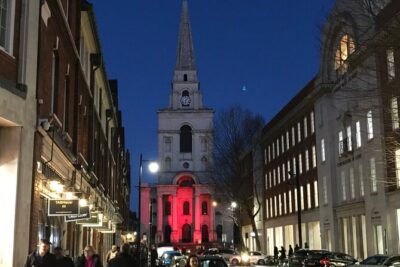

German Language : Original Jack the Ripper Tour
Read our review →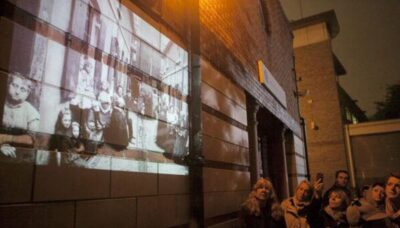
Jack the Ripper Walking Tour – Ripper Vision Tours
Read our review →
Ultimate Jack the Ripper : Guided Tour of London
Read our review →
Browse the lists this tour appears in