
Reviewed · TOURS IN NORTHERN IRELAND
Peace Wall Taxi Tour
Belfast’s Peace Wall Taxi Tour is most useful when you want the city’s political past explained by someone who lived through it. Guide Dan, also called Danny in some bookings, takes you from the Bobby Sands mural to Shankill Road, then across both sides of the Peace Wall. His account includes Irish Nationalist and British Unionist viewpoints, along with stories from growing up during the Troubles.
I like two things right away: the private format lets you ask direct questions without a busload of strangers listening, and the route can be adjusted to suit your interests. I also like the practical pickup and drop-off choices, especially for families or anyone working around a busy Belfast day. The main caution is that this is a personal taxi tour, not a polished museum presentation. One poor review raised concerns about off-topic political discussion and an old vehicle, so you should be comfortable with a guide-led experience shaped by the driver’s own viewpoint.
Key points to know before you book
- Personal stories from Dan: Expect an explanation of Belfast through lived experience, not only dates and political labels.
- Both sides of the divide: The tour visits Nationalist and Unionist areas, including the Bobby Sands mural and Shankill Road.
- A real Peace Wall visit: You see both sides of the barrier and learn why it still separates nearby communities.
- Flexible private route: You can ask questions, request reasonable changes, and stop for photos along the way.
- Good for families: The guide has been especially attentive with children, older relatives, and a wheelchair user.
- Short and focused: The tour lasts about one to two hours and costs $55.56 per person.
Why a private taxi helps you understand Belfast
Belfast’s political murals can be confusing at first. A painted portrait, flag, memorial, or slogan may carry a meaning that is not obvious to an outsider. A private taxi gives you a guide who can explain the symbols while you are looking at them, then answer the question that comes to mind five minutes later.
That personal pace matters here. The subject is serious, and you may want to pause rather than race from one wall to the next. The planned stops allow roughly 30 minutes at the Bobby Sands mural, 30 minutes on Shankill Road, and 30 minutes at the Peace Wall, with about 10 minutes passing Crumlin Road Gaol. In practice, the driver can adjust the conversation and photo stops to your group.
The private setup also makes this a better choice for a family or small group than a large coach tour. Children can ask simple questions without feeling self-conscious. One family found Dan especially good with children aged 7 and 12, while another praised the way he spoke with teenagers and offered an encouraging word to a child starting secondary school.
That does not mean every moment will feel light. Belfast’s past includes killings, imprisonment, fear, and divided neighborhoods. Dan’s style includes personal memories, direct answers, and at times black humor. You should expect a frank account rather than a gentle sightseeing ride.
Other tours people book in Belfast:
- Titanic Belfast Entrance Ticket: Titanic Visitor Experience Including SS Nomadic
★ 4.5 · 3,698 reviews - Cab Tours Belfast Famous Black Taxi Tours
★ 5.0 · 3,633 reviews - A History of Terror – Belfast City Centre Walking Tour
★ 5.0 · 2,883 reviews
Bobby Sands mural: starting with the Nationalist story
The first major stop is the Bobby Sands mural. This introduces the Irish Nationalist side of the Troubles and gives you a visual starting point for the political divide.
The mural is not simply a colorful wall to photograph. It is tied to Bobby Sands, the Republican prisoner who died during the 1981 hunger strike. The tour uses the site to explain why Sands became such an important figure to Irish Nationalists and why the image remains politically charged.
This is a good place to ask basic questions. What did Nationalists want? How did identity, religion, British rule, and Irish unity fit together? What did the Republican movement claim to be fighting for, and how did Unionists view it? The value of having Dan nearby is that you can ask about the human side of these issues instead of trying to decode a mural on your own.
You should also allow for a personal interpretation. Dan’s strongest quality, based on the way the tour is described, is his willingness to connect public history with his own childhood and adult experience. That can make the subject feel immediate. It can also mean the presentation is less standardized than what you would receive in a museum.
Take your time with photographs, but remember that this is a working neighborhood, not a stage set. The purpose of the stop is to understand what the mural means and how Nationalist memory is displayed in Belfast.
Shankill Road: seeing the Unionist side
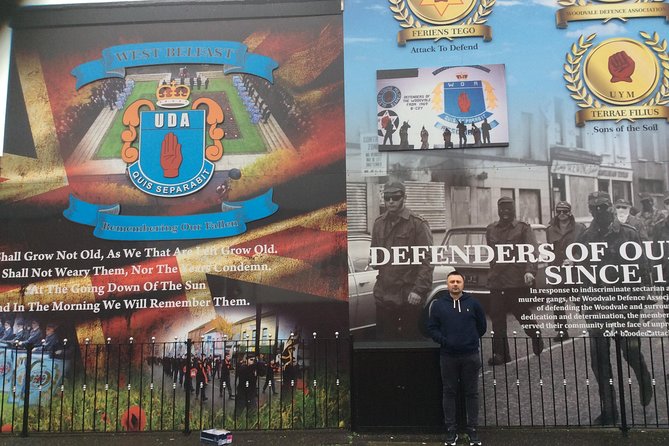
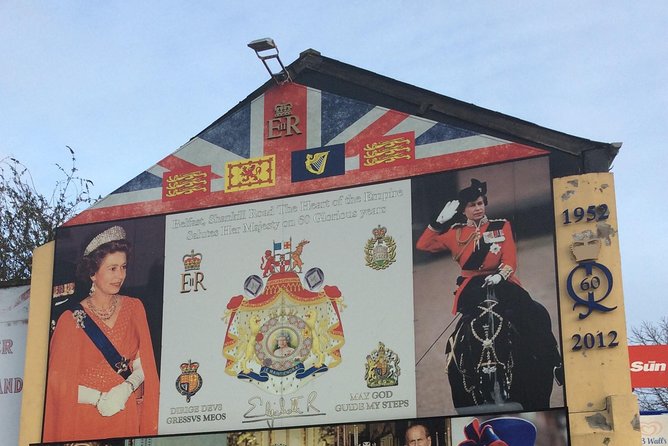
The tour then crosses to Shankill Road, where Dan explains the British Unionist viewpoint. This is essential. A Belfast tour that shows only one side can leave you with a neat but misleading story.
Shankill Road is associated with the Protestant Unionist and Loyalist community. Here the guide explains why many people wanted Northern Ireland to remain part of the United Kingdom, how community identity shaped daily life, and how Unionist fears differed from Nationalist hopes.
The short distance between the areas is part of the lesson. Belfast’s communities can be physically close while carrying very different memories of the same events. A mural or memorial on one street may honor people whom residents on the next street remember in an entirely different way.
I like the balance built into this route. You begin with Bobby Sands and the Nationalist account, then hear the Unionist position on Shankill Road before visiting the Peace Wall. That order encourages you to compare the stories instead of accepting one explanation as the whole truth.
Ask Dan to explain terms as you go. Nationalist, Republican, Unionist, and Loyalist are not interchangeable, and the distinctions matter. The tour is short, so it cannot cover every organization or turning point. Still, the driver can help you understand the basic framework and the local impact of the conflict.
The setting may feel more intimate than a standard attraction. You are not entering a large visitor center with exhibits and labels. You are looking at streets where families lived through the Troubles and where political identity remains visible. That directness is one of the tour’s strengths, though it also makes the experience more dependent on the individual guide.
The Peace Wall: seeing both sides of the barrier
The Peace Wall is the emotional center of the tour. Dan takes you to both sides and explains how the barrier separates nearby Nationalist and Unionist communities.
The name can sound reassuring, but the wall also shows that peace in Belfast remains complicated. The barrier helped reduce direct conflict, yet its continued presence is a reminder that separation has not vanished. Some gates have opening and closing times, and one part of the tour’s appeal is learning how ordinary movement can still be shaped by the divide.
You should plan to leave room for questions here. This is where the earlier stops begin to connect. The Bobby Sands mural showed Nationalist memory. Shankill Road showed Unionist identity. At the Peace Wall, you see the physical result of communities that lived through violence and still do not fully share the same political future.
Many people choose to write on the wall, and pens have been provided for children on some tours. That small act can make the stop personal, but keep your message respectful. The wall is not just a photo background. It carries memories of loss and conflict for people who live nearby.
The tour also gives you a chance to discuss present-day Belfast. Dan has been willing to answer questions about everyday life, current politics, and the imperfect peace that followed the Troubles. This is useful because the story does not end with a peace agreement or a mural. Belfast today is calmer, but the wall and the community boundaries show that peace can be real while tensions remain.
Same city, a very different afternoon:
- Game of Thrones and Giant’s Causeway Full-Day Tour from Belfast
★ 5.0 · 2,291 reviews - Private Black Taxi Belfast City Tour
★ 5.0 · 2,188 reviews - City Sightseeing Belfast Hop-On Hop-Off Bus Tour
★ 4.5 · 2,012 reviews - Giants Causeway & Castles Tour from Belfast: Guided tour
★ 5.0 · 1,432 reviews
Crumlin Road Gaol and the stories behind it
The final listed stop is Crumlin Road Gaol, which you pass for about 10 minutes. You do not receive a long prison visit as part of this taxi tour. Instead, Dan points out the gaol and shares stories about people who spent time there.
That brief stop works as a closing piece. The murals and walls show public memory, while the prison represents the personal cost of the conflict. People were arrested, held, sentenced, and separated from their families. Hearing about the gaol after visiting both communities helps connect political ideas with human consequences.
If you want a full visit inside Crumlin Road Gaol, you would need to arrange that separately. This tour only passes the building and discusses its role. That distinction matters when you compare this experience with a longer Belfast history tour.
What the guide’s style adds, and where it may not suit you
Dan’s greatest strength is his personal approach. The strongest accounts describe him as warm, patient, frank, and attentive. He has taken extra care with children, older family members, and a wheelchair user. He has also stopped for photographs, supplied umbrellas in bad weather, and helped with pickup arrangements when plans changed.
That flexibility can make the tour feel more like a conversation than a fixed script. You can ask about a mural, a neighborhood, a political term, or life in Belfast now. Dan also offers local suggestions after the tour, including pub recommendations.
The tradeoff is consistency. A private taxi tour depends heavily on the person driving you. One low-rated account described an old minivan and a discussion that moved too far into international politics and religion. That is important feedback to consider. Most of the praise centers on the Belfast focus, but you may want to state clearly at the start that you booked to learn about the Troubles and ask for the tour to stay centered on Belfast.
Another guest felt the experience was less detailed than tours using traditional black cabs. That comparison is fair. A classic black cab tour may offer a more established vehicle, a familiar route, and a presentation built around Belfast sightseeing. This private taxi tour offers something different: direct conversation, flexible stops, and Dan’s own memories.
Price, time, and practical value
At $55.56 per person, the value depends on your group size and what you want from a Belfast tour. The price buys about one to two hours in a private vehicle, with the main mural and Peace Wall stops included. Admission to the listed stops is free, so you are paying primarily for the driver-guide, transport, interpretation, and flexibility.
For a couple or small family, that can be good value if you want a focused introduction without spending half a day. The tour can also help you orient yourself before visiting other Belfast sites. Pickup is available around Belfast and the surrounding area for an additional charge, and the driver can drop you anywhere in Belfast. Ask about the exact extra cost before booking.
The timing is especially useful on a tight schedule. Belfast’s city center is the stated starting point, and the tour operates from 8 a.m. to 8 p.m. You can fit it around other plans, though the experience is more thoughtful when you are not rushing to the next appointment.
This is not the right choice if you want a long academic lecture, a formal museum program, or a full prison visit. It is a compact introduction with room for conversation.
Who should book the Peace Wall Taxi Tour?
I would choose this tour if you want the following:
- A short introduction to the Troubles with a local guide
- A private setting for sensitive questions
- Both Nationalist and Unionist viewpoints
- Flexible pickup, drop-off, and photo stops
- A tour that works well for families
- Personal stories rather than a strictly scripted presentation
It is also a practical option for an older relative or a group with mobility concerns. The taxi format reduces walking between distant areas, and the guide has shown care toward a wheelchair user. Still, you should confirm your exact vehicle and accessibility needs before booking, since the information provided does not promise a wheelchair-accessible taxi.
You may prefer a traditional black cab tour if the vehicle itself matters to you, or if you want a more standardized Belfast route. You may also prefer a longer museum or walking tour if you want more detail on the political parties, peace process, and chronology of the Troubles.
Should you book it?
Book the Peace Wall Taxi Tour if you want Belfast explained by a local who can connect murals and barriers with personal memories. The combination of Bobby Sands, Shankill Road, both sides of the Peace Wall, and Crumlin Road Gaol gives you a clear structure in a short time.
I especially recommend it for families, first-time visitors, and anyone who values an honest conversation over a polished script. Go in ready for difficult material and a guide’s personal perspective. If you want a formal, tightly controlled presentation or a full black cab experience, choose another format.
The tour has a 4.9 rating from 135 reviews, with 97 percent recommending it, but the smaller number of critical comments is worth remembering. Confirm your pickup charge, keep the conversation focused on what you want to learn, and allow time for questions. Cancel at least 24 hours before the start time for a full refund.
FAQ
How long does the Peace Wall Taxi Tour last?
The tour lasts about one to two hours. The planned stops allow around 30 minutes each at the Bobby Sands mural, Shankill Road, and the Peace Wall, plus about 10 minutes passing Crumlin Road Gaol.
What places are included?
The route includes the Bobby Sands mural, Shankill Road, the Peace Wall, and a pass by Crumlin Road Gaol. At the Peace Wall, you visit both sides and hear about the history of each community.
Does the tour explain both sides of the Troubles?
Yes. The tour covers the Irish Nationalist viewpoint at the Bobby Sands mural and the British Unionist viewpoint on Shankill Road. The guide then explains how the Peace Wall separates the two communities.
Can I choose the pickup and drop-off points?
The tour starts in Belfast city center and can drop you off anywhere in Belfast. Pickup anywhere in Belfast and the surrounding area is available for an additional charge. Ask if you need a pickup outside the stated area.
Is this a private tour?
Yes. Only your group participates. The route is flexible, and you can make requests or ask questions during the tour.
What is the cancellation policy?
You can cancel up to 24 hours before the experience for a full refund. Cancellations or changes made less than 24 hours before the start time are not accepted for a refund.
Just added in Belfast
- World Famous Belfast City Centre Black Cab/Taxi Tour 2 Hours★ 4.5 · 177 reviews
- Black Taxi Tour and Crumlin Road Gaol tour Combo★ 5.0 · 170 reviews
- The Troubles and iconic award winning taxi 2hr private cab tour★ 5.0 · 28 reviews
- Belfast Music and Street Art Small Group Guided Experience★ 4.5 · 62 reviews
- 2 hours Belfast Original Drivers The Troubles Black Taxi Tour★ 5.0 · 227 reviews
- Private Shore Excursion From Belfast Cruise Terminal★ 5.0 · 26 reviews
- Iconic Belfast Black Cab Tour★ 5.0 · 449 reviews
- Black Taxi Mural “Tour Like A Local”★ 5.0 · 125 reviews
Tours in Northern Ireland, compared.

Titanic Belfast Entrance Ticket: Titanic Visitor Experience Including SS Nomadic
Read our review →

A History of Terror – Belfast City Centre Walking Tour
Read our review →
Game of Thrones and Giant’s Causeway Full-Day Tour from Belfast
Read our review →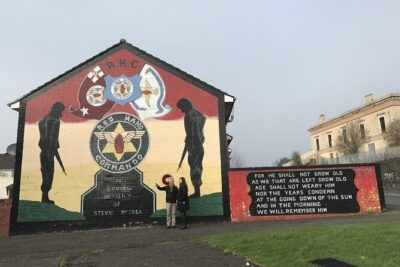
City Sightseeing Belfast Hop-On Hop-Off Bus Tour
Read our review →
Giants Causeway & Castles Tour from Belfast: Guided tour
Read our review →
Browse the lists this tour appears in