
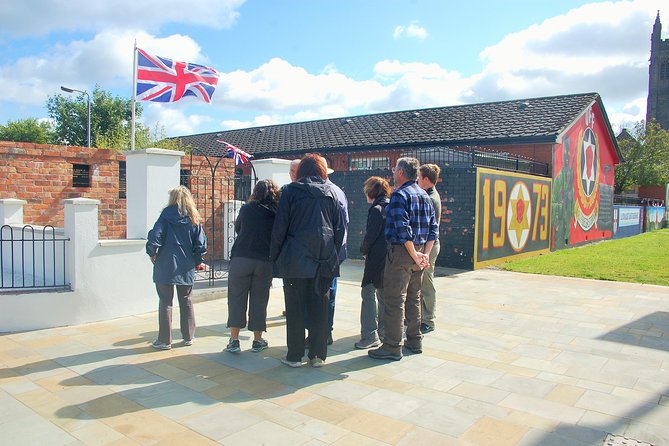
Reviewed · CITY TOURS
World Famous Belfast City Centre Black Cab/Taxi Tour 2 Hours
Belfast’s past is painted across its walls, and this private black cab tour puts you right beside the murals, peace lines, and streets shaped by The Troubles. You’ll hear how Catholic and Protestant communities remember the conflict, often from guides who lived through it themselves.
I like the easy hotel or port pickup, and I like that you can stop for photos without being herded through a large group. The main consideration is that two hours goes quickly, and the experience depends heavily on your guide. Some guides offer a careful balance, while others may spend too much time on one political viewpoint.
Key points to know before booking
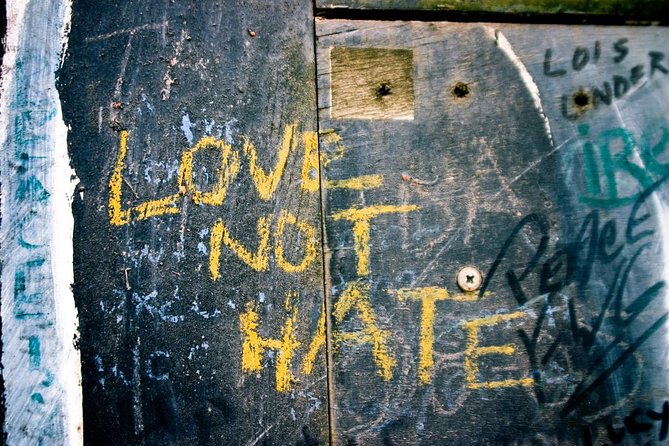
- Personal history from local guides: Guides including Ricky, Brendan, Patrick, Kevin, John, and Davy have shared firsthand memories of Belfast during The Troubles.
- A private cab for your group: You ride with only your own party, with hotel, port, or other agreed pickup and drop-off.
- The main political landmarks: The route covers Falls Road, Shankill Road, Divis, Clonard Monastery, the International Mural Wall, and the peace walls.
- A serious, sometimes emotional subject: This is not just a street-art outing. Expect discussion of violence, imprisonment, segregation, religion, politics, and the Good Friday Agreement.
- A useful early-start tip: An early departure can mean quieter roads and more time with the murals before the streets fill up.
- Check port charges carefully: Port pickup and drop-off are advertised as included, but one recorded experience involved a disputed extra charge of £50.
Why a black cab is a good way to see Belfast
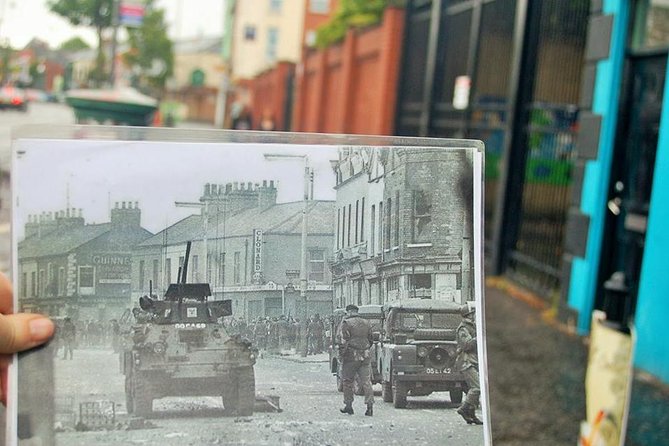
Belfast is easy to explore in pieces, but the story of The Troubles is harder to grasp without seeing how close the communities are to one another. A black cab gives you a moving classroom, with a local driver explaining the streets as you pass through them.
The private format matters. You are not sharing the cab with strangers, so you can ask direct questions about religion, politics, murals, imprisonment, or the peace process. You can also ask to pause for photographs. The vehicle is air-conditioned and includes Wi-Fi, though the real benefit is the driver’s ability to connect each stop to the next.
The tour is listed at $111.11 per person. That is not a cheap taxi ride, but it can be fair value for a small group that wants a focused introduction to Belfast’s political past. You are paying for private transport, hotel or port transfers, and about two hours of guiding.
For one person, the price may feel steep. For a couple or family, the private arrangement becomes more attractive, especially if you would otherwise need separate taxis and a guided walk. The value rises further when your guide gives the kind of personal context that several visitors praised from guides such as Brendan, Patrick, Ricky, and Kevin.
More City Tours in Belfast:
- A History of Terror – Belfast City Centre Walking Tour
★ 5.0 · 2,883 reviews - Private Black Taxi Belfast City Tour
★ 5.0 · 2,188 reviews - City Sightseeing Belfast Hop-On Hop-Off Bus Tour
★ 4.5 · 2,012 reviews
Divis and the narrow streets of West Belfast
The route begins at Divis, at the foot of the Republican Falls Road. Divis flats were used as a British Army base after the Army occupied the top two floors in 1969. The base remained there for more than 25 years, making this a useful place to begin a discussion of military presence and daily life in the neighborhood.
You also pass through a narrow street associated with scenes from the film In the Name of the Father. The detail is small, but it helps connect Belfast’s real streets with the way the conflict was presented to audiences outside Northern Ireland.
Allow about 15 minutes here. There is no separate admission charge listed. The stop is mainly about seeing the setting and listening to the explanation, so the quality of the guide matters more than any formal attraction.
Falls Road and the Bobby Sands mural
Falls Road is the heart of the Republican side of the route. It stretches for several miles and carries layers of Irish political, cultural, and community history. The Bobby Sands mural is the best-known landmark here, and it introduces the story of the Provisional IRA and the Catholic community’s view of the conflict.
The guide explains the murals as local political statements, not just decoration. That distinction is important. You are seeing how a community recorded loss, identity, prisoners, international causes, and political demands in public space.
This is scheduled for about 30 minutes, making it the longest listed stop. You should have time to look, take photographs, and ask questions. The subject can be painful, especially when the account includes the guide’s own memories or family experiences.
The route is not designed to give you a detached university lecture. It is a personal explanation of streets where people lived through fear, military patrols, imprisonment, and violence. I find that useful, but you should listen with care and remember that personal experience can shape political interpretation.
The International Mural Wall on Divis Street
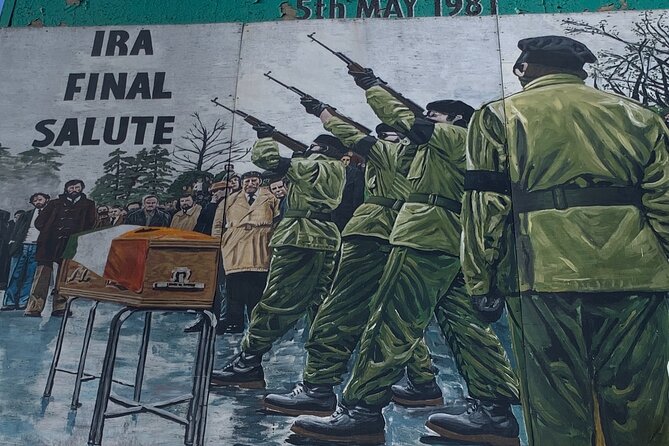
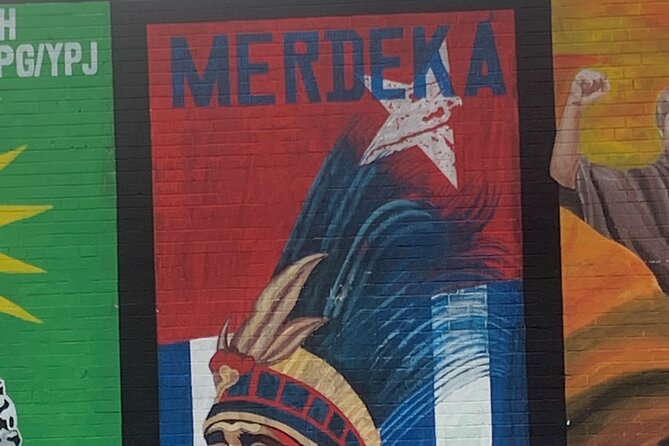
The International Mural Wall adds a broader political layer to the tour. More than 40 murals appear here, with subjects that have included Palestine, Cuba, and Kurdish causes. The collection changes, so the exact images you see can vary.
Your guide connects these international themes to Republican politics and the local struggle. This is one of the more visually interesting sections of the route, but the murals can also be dense with symbols and references that are easy to miss if you are looking alone.
The scheduled stop is about 15 minutes. That is enough for a clear explanation and some photos, though not enough to study every mural in detail. If political art interests you, ask questions rather than simply taking pictures. The meaning is the point.
Other city tours around Belfast:
- Belfast Eclectic Walking City Center Experience, The Marti Way
★ 5.0 · 348 reviews - Shore Excursion from Belfast: Including Giants Causeway and Belfast City.
★ 4.0 · 192 reviews - Giant’s Causeway and Belfast City Murals Tour inc Game of Thrones Dark Hedges
★ 4.0 · 180 reviews - The Real Eclectic Belfast City Walking Tour/Experience.
★ 5.0 · 152 reviews
Shankill Road and the loyalist viewpoint
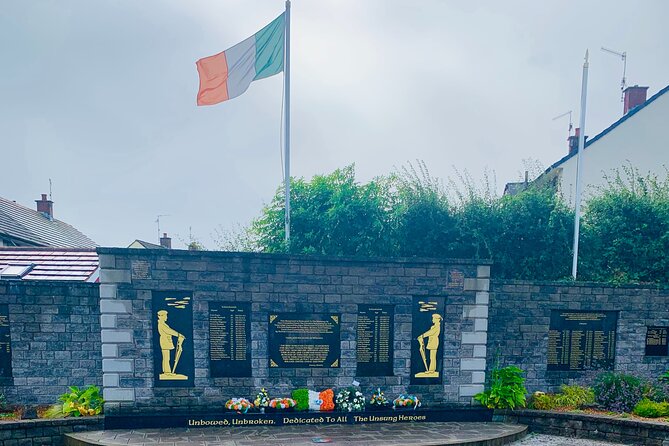
Crossing to Shankill Road changes the tone and political viewpoint. Shankill is associated with loyalism and with the UDA and UVF. Here, the murals, flags, and references to the Twelfth of July bonfires tell a Protestant and British identity story.
This stop is important because Belfast cannot be understood from Falls Road alone. A guide who explains only the Republican experience leaves out half of the city’s conflict. The best version of this tour gives you a chance to hear how loyalist communities viewed the IRA, the British state, their own sense of threat, and their fight to remain connected to the United Kingdom.
The stop lasts about 20 minutes. The guide should explain the symbolism rather than merely point at painted walls. Several guides have been praised for offering a balanced account rooted in personal experience, but one recorded experience felt too focused on a single opinion and missed listed attractions. That is a fair warning: ask for both perspectives if the explanation starts to feel one-sided.
The old 1800s jail and the cost of the conflict
The route also includes an old jail built in the 1800s. It served as a prison and a hanging gaol, and it held members of the IRA, UVF, UFF, and INLA until it closed in the 1990s.
This stop brings the conflict indoors. Murals show public memory, but a prison shows how the state and armed groups dealt with people behind locked doors. The connection to the Good Friday Agreement is also important, since prisoners were released as part of the peace process.
The supplied route information does not give a stop number or a separate time allocation for the jail, so expect the guide to fit it into the two-hour circuit rather than treat it as a long visit. Admission is not listed as included. The experience appears to be an exterior or drive-by explanation rather than a full prison tour, so confirm expectations if entering the jail is important to you.
Clonard Monastery and the peace talks
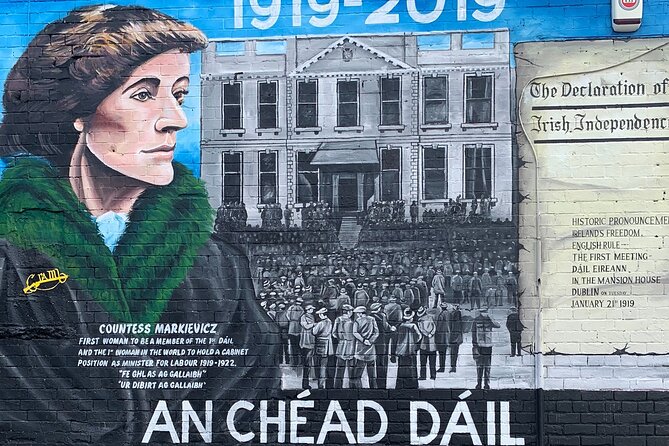
Clonard Monastery provides a quieter pause in a tour that can feel heavy. The Gothic monastery was created by Italian craftsmen and local workers. Its most important connection here is Father Alex Reid, who hosted secret peace talks between Gerry Adams and John Hume.
You get about 10 minutes at the monastery. That is enough to understand its role as a meeting place, but not enough for an extended architectural visit. The stop works best as a reminder that the peace process depended not only on politicians in official buildings, but also on private conversations held in trusted places.
This is one of the tour’s strongest links between the conflict and the Good Friday Agreement. You see that peace did not arrive in a single moment. It grew from meetings, negotiations, prisoner releases, and years of pressure from people who wanted the violence to end.
Belfast’s peace walls
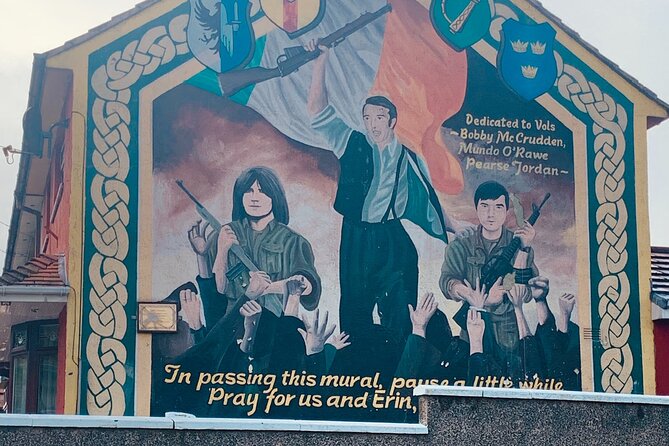
The peace walls are the final major stop, with about 15 minutes scheduled. Built in 1969 to keep loyalist and Republican communities apart, they remain one of Belfast’s clearest signs that the past is not simply confined to a museum.
The walls stretch through changing parts of the city. They were built as security barriers, but they have also become places where people leave messages for peace. Names associated with public life, including President Clinton, Tiger Woods, and Morgan Freeman, have left quotes on the wall.
Do not expect a polished monument. The point is the contradiction: a wall intended to prevent violence can also become a public symbol of hope, while still reminding you that communities remain divided.
Your guide may use the wall to explain what changed after the Good Friday Agreement and what did not. This is a good place to ask about the present rather than focusing only on the period from the late 1960s through the 1990s.
The guide makes or breaks the two hours
The strongest part of this experience is the human explanation. Guides named in the supplied material include Ricky, Brendan, Patrick, Kevin, John, Sean, Jerry, Jim, Davy, and George. You may not receive a particular guide, but the repeated praise for personal storytelling shows what the company is aiming for.
A guide such as Brendan may give patient answers and allow you to stop for photographs. Patrick has been praised for mixing history with humor. Kevin has been described as approachable and compelling, while Ricky has been noted for vivid personal stories. John R. has been credited with offering a balanced perspective rooted in his own experience.
That range also points to the main risk. A local guide’s viewpoint can make the tour moving and authentic, but it can also make the account feel political. I would not book this expecting a perfectly neutral script. I would book it expecting a personal account, then listen for how carefully the guide explains both Republican and loyalist experiences.
You can improve the experience by asking direct, respectful questions. Ask how the guide’s account relates to the wider community, what changed after 1998, and which issues remain unresolved. The tour is strongest when it gives you context rather than asking you to adopt a position.
Timing, pickup, and practical details
The tour lasts about two hours and is offered in English. Pickup and drop-off are available from hotels and the port, and one group was dropped at the Titanic Museum. That flexibility can save time, especially on a short Belfast visit or a port day.
The stated operating hours are 8 a.m. to 4 p.m., every day, across the listed operating periods. An early start is a smart choice if available. You should find quieter roads and fewer people around the murals, which makes it easier to hear the guide and take photographs.
Children must be accompanied by an adult. Service animals are allowed, and most people can take part. The activity is private, so only your own group joins the cab.
The booking terms allow free cancellation up to 24 hours before the local start time. Poor weather or failure to meet the minimum number can lead to a new date, another experience, or a full refund.
One practical issue deserves attention: port pickup and drop-off are listed as included, yet one experience involved a disputed £50 port charge, and another person spent much of the tour trying to resolve a similar problem. I would confirm the exact port arrangement and any possible surcharge in writing before you go.
Who should book this Belfast black cab tour?
I would choose this tour if you want a fast, personal introduction to The Troubles and prefer sitting in a cab to joining a larger walking group. It suits history fans, first-time visitors, families with older children, and anyone with limited time in Belfast.
It is also a good choice if you want to see both Falls Road and Shankill Road in one outing. The private vehicle lets you cover more ground than a short central walking tour, while the guide fills in the political meaning behind the murals.
I would think twice if you want a fully neutral academic presentation, a long museum visit, or a slow examination of every mural. Two hours is enough for an overview, not a complete study of Northern Ireland’s past. The tone can also be emotional and, at times, visceral.
Should you book it?
Yes, if you approach it as a serious local history lesson rather than a casual sightseeing ride. The route covers the key places, pickup is convenient, and the private format gives you room to ask questions and stop for photographs.
Book it with realistic expectations. Confirm port fees, ask for a balanced presentation, and consider an early departure. If you want to understand why Belfast’s walls, murals, and neighborhoods still matter, this is a worthwhile use of two hours.
FAQ
How long is the Belfast black cab tour?
The tour lasts approximately two hours.
Is the tour private?
Yes. Only your own group takes part in the activity.
Is hotel or port pickup included?
Hotel and port pickup and drop-off are listed as included, along with transport in a private vehicle. Because a port charge has been disputed in one experience, confirm the arrangement before departure.
Which parts of Belfast does the tour visit?
The route includes Divis, the Falls Road and Bobby Sands mural, the International Mural Wall on Divis Street, Shankill Road, an old 1800s jail, Clonard Monastery, and the peace walls.
Is the tour offered in English?
Yes. The tour is offered in English.
Can children take the tour?
Yes, but children must be accompanied by an adult.
What is the cancellation policy?
You can cancel up to 24 hours before the experience start time for a full refund. Changes or cancellations made less than 24 hours before the start time are not accepted for a refund.
Just added in Belfast
- Black Taxi Tour and Crumlin Road Gaol tour Combo★ 5.0 · 170 reviews
- The Troubles and iconic award winning taxi 2hr private cab tour★ 5.0 · 28 reviews
- Belfast Music and Street Art Small Group Guided Experience★ 4.5 · 62 reviews
- 2 hours Belfast Original Drivers The Troubles Black Taxi Tour★ 5.0 · 227 reviews
- Private Shore Excursion From Belfast Cruise Terminal★ 5.0 · 26 reviews
- Iconic Belfast Black Cab Tour★ 5.0 · 449 reviews
- Black Taxi Mural “Tour Like A Local”★ 5.0 · 125 reviews
- Shore Excursion from Belfast: Including Giants Causeway and Belfast City.★ 4.0 · 192 reviews
City Tours, compared.
City Sights Hop-On Hop-Off Bus & Bookable Extras
Read our review →
City & Beatles Tour with Live Guide & Live Music
Read our review →
University and City Walking Tour with Alumni Guide
Read our review →
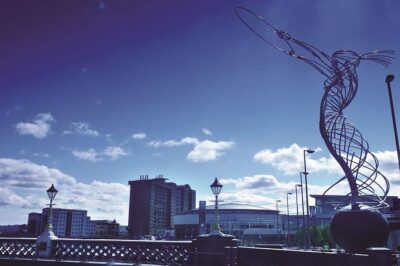
A History of Terror – Belfast City Centre Walking Tour
Read our review →
City Sightseeing Edinburgh Hop-On Hop-Off Bus Tour + Kids Go Free
Read our review →
Liverpool City Sights Hop On Hop Off City Tour – 24hr Ticket
Read our review →Browse the lists this tour appears in