
Reviewed · WARTIME AND CHURCHILL TOURS
London: Winston Churchill and London in WWII Walking Tour
The most compelling part of this Westminster walk is the way it turns familiar sights into wartime places. Big Ben, Whitehall, Downing Street, and Parliament are not just grand photo stops here. They become the setting for Britain’s wartime decisions, air raids, public service, and daily strain. I love the human stories, especially accounts of pilots, Churchill, and ordinary Londoners. I also like that the route ends at Churchill’s War Rooms, giving you the option to continue the story underground.
The main consideration is time. At $39 per person, the tour is fair value if you want a strong introduction and a lively guide, but the included walk is listed as 1.5 hours, and several available times may run only a little longer. This is more of a talking walk than a museum tour, so serious Churchill fans should budget separately for the War Rooms admission.
Key points at a glance
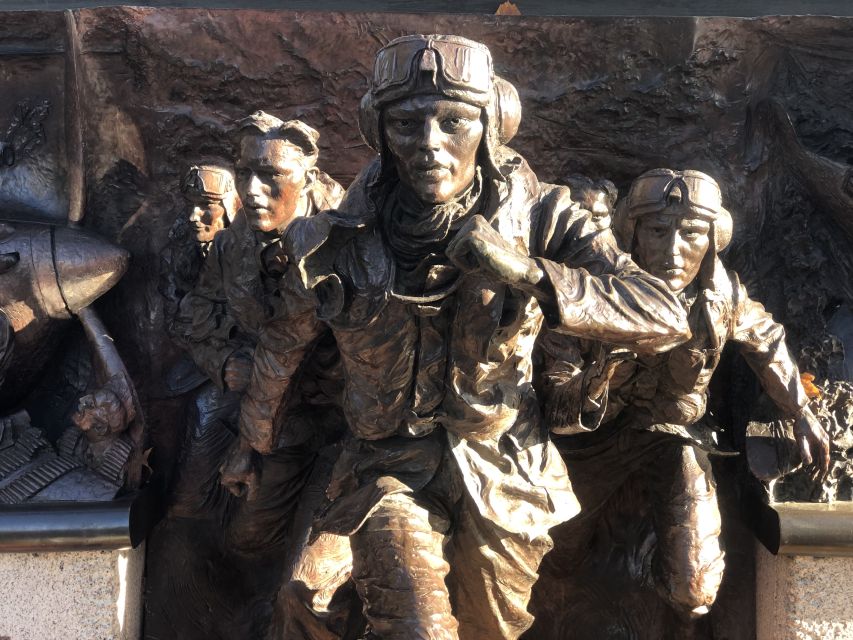
- Starts at the Battle of Britain memorial: Meet by the Monument to the RAF near Westminster Station and begin with the airmen who defended Britain in 1940.
- Follows a central Westminster route: See Big Ben, Westminster Abbey, Whitehall, the Cenotaph, the Ministry of War, Downing Street, and Parliament from the outside.
- Storytelling is the main event: Guides such as Nathan, Richard, Francis, Babs, and Rosie are praised for clear explanations, humour, and memorable personal stories.
- Ends at Churchill’s War Rooms: The guide leaves you outside the bunker museum, where you can buy admission and continue on your own.
- Shared or private formats: You can choose the social feel of a group walk or the greater flexibility of a private tour.
- Plan for city walking: Wear comfortable shoes, leave large luggage behind, and note that the tour is not suitable for wheelchair users or people with mobility impairments.
Starting beside the Battle of Britain memorial
Your meeting point is outside Westminster Station, by the Boadicea and Her Daughters Statue on Victoria Embankment. Use Exit 2, marked Victoria Embankment, then take the stairs to street level. Look for the guide holding an Urban Saunters orange tour sign.
The route begins near the Monument to the RAF, which commemorates the people who took part in the Battle of Britain during the Second World War. That is a fitting opening. Before you reach Churchill’s underground headquarters, you first meet the air war that shaped London’s fears and Britain’s sense of danger.
I like this beginning because it sets a clear frame for the walk. You are not simply hearing a general account of the war. You are looking at Westminster through the pressure of 1940s decisions, military defence, government work, and civilian life.
The meeting point is easy to reach by Underground, but give yourself time to find Exit 2. Westminster Station has several exits and the area can be confusing when you first arrive. Since the group gathers at the top of the stairs, arrive with your hands free and ready to walk.
More Walking Tours in London:
- Magical London: Harry Potter Guided Walking Tour
★ 4.7 · 22,044 reviews - London: The Original Jack the Ripper Walking Tour
★ 4.7 · 7,833 reviews - Tour for Muggles The Ultimate Harry Potter Walking Tour in London
★ 5.0 · 4,684 reviews
Westminster landmarks with wartime meaning
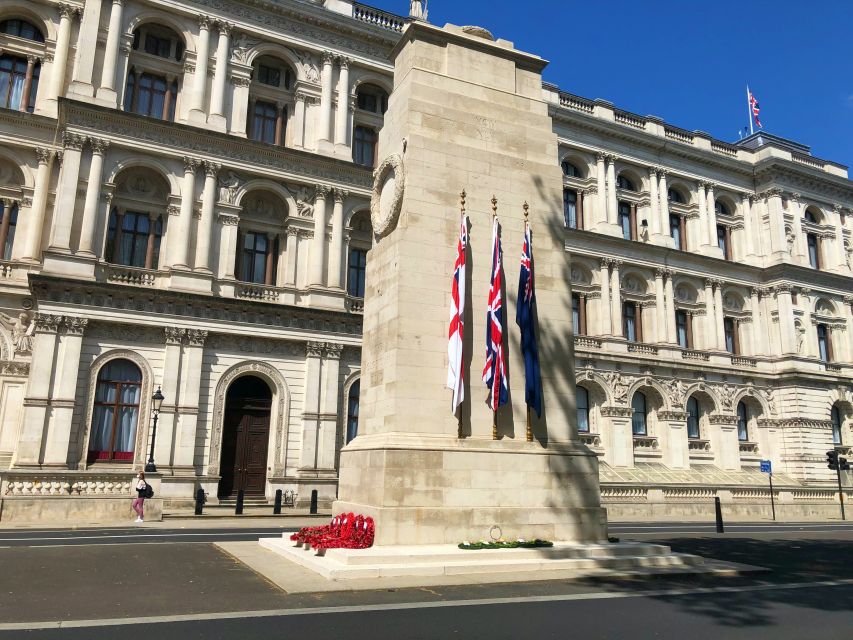
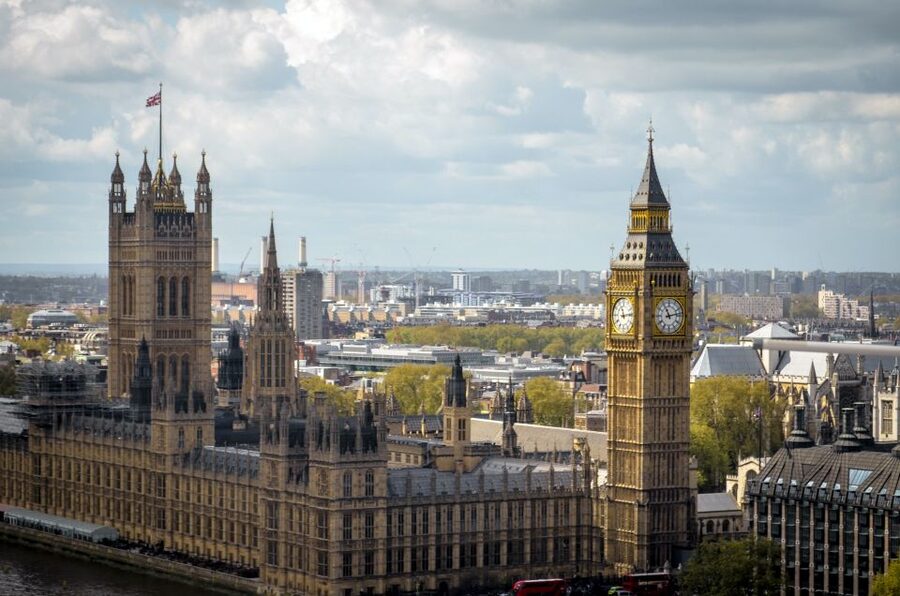
The route takes you through one of London’s most familiar districts. You will see the Houses of Parliament and Big Ben, then continue toward Westminster Abbey, Whitehall, the Cenotaph, the Ministry of War, and Downing Street.
The buildings themselves are not entered on this walk, so you should think of the tour as an outdoor history lesson rather than a collection of interior visits. Your guide provides the context that a casual stroll misses. A place that looks ceremonial today can be linked to wartime government, public duty, military planning, or the weight of national decisions.
Big Ben is an especially useful point of reference. It gives you the grand public face of Westminster, while the stories explain what this part of London meant when the country was under attack. Westminster Abbey adds another layer, with its role in Britain’s national life and its place among the landmarks people associate with the country.
The Cenotaph brings the focus back to remembrance. It is not just a monument to photograph. On a WWII-focused walk, it helps connect the war being planned in government offices with the people who served and died.
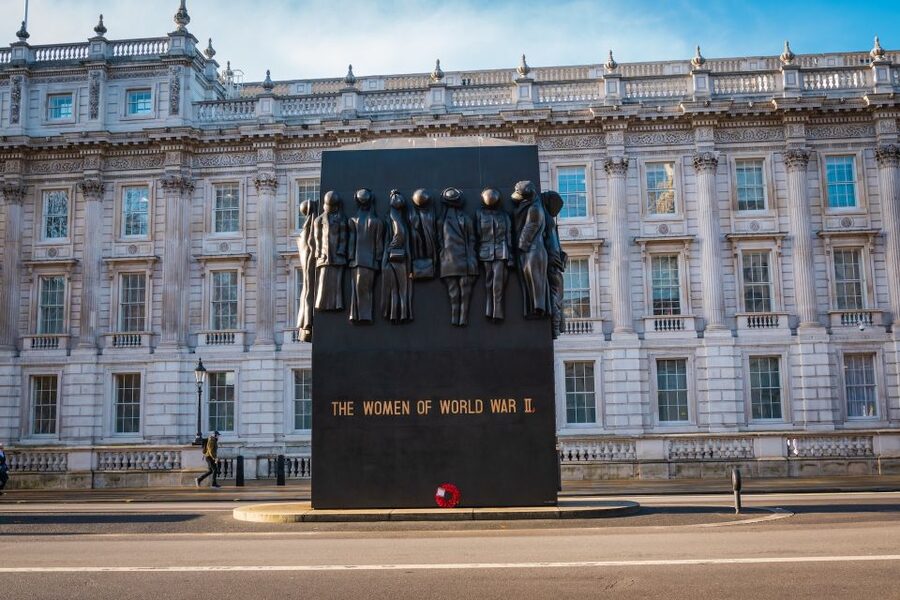
Whitehall and Downing Street make the political side of the story more immediate. You will be standing in the area where the machinery of government operated while Britain faced military crisis. The guide’s job is to make those decisions understandable without turning the walk into a list of dates.
Why the guide matters more than the route
The Westminster route is compact and easy to recognize. The real value comes from the person leading it.
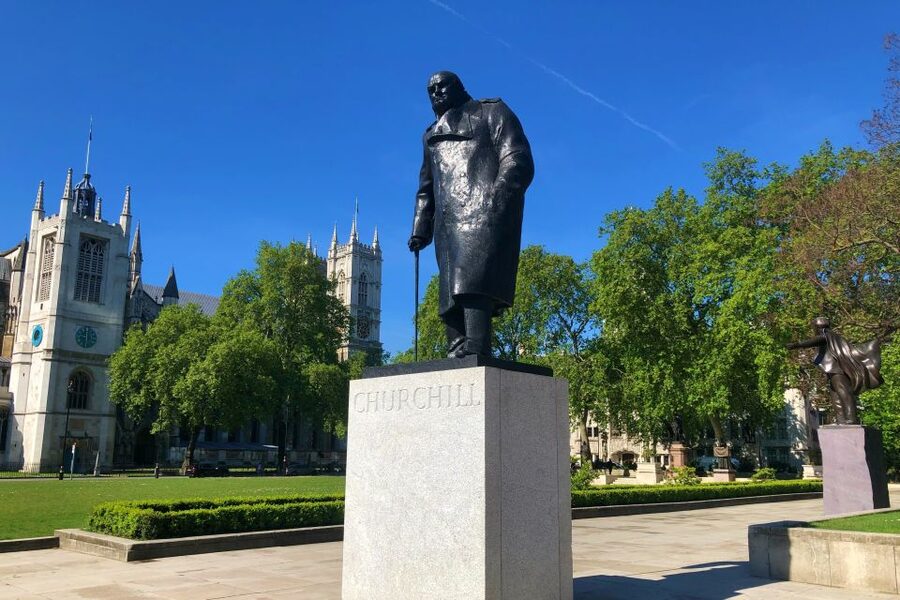
Nathan receives especially strong praise for combining war knowledge with stories about people who rarely appear in standard school accounts. He is also described as punctual, witty, and good at keeping a 15-year-old interested, which tells you something useful if you are bringing a family member who is not usually eager to hear about politics and military history.
Richard is another guide associated with an entertaining, personal approach. His stories cover Churchill, London, and the people of the WWII era, with British humour mixed into the explanation. Francis is noted for keeping the group moving without making it feel hurried, while Babs brings obvious enthusiasm to the subject.
Other guides named by participants include Rosie and Amber. Rosie is described as funny and energetic, and Amber as lively and engaging. Guide assignments can change, so you should not book on the assumption that one particular person will lead your departure. Still, the repeated pattern is clear: the quality depends heavily on storytelling, and the available guides are expected to do more than recite facts.
This also explains why the walk can suit people who are not military history specialists. The best parts are likely to be biographies, anecdotes, and explanations of how wartime events affected everyday citizens. You get names and personalities, not just troop movements and political speeches.
A talking walk, not a museum visit
One practical point deserves emphasis: this experience is mainly a talking tour. You will walk through Westminster, but the route is compact, and much of the time is spent listening at or near major landmarks.
That format is useful if you want a focused introduction without spending half a day on your feet. One participant described the walking as limited, with plenty of facts to absorb. Another found that the hour and a half passed quickly and wished for more time.
The trade-off is that you will not see wartime interiors during the guided portion. The Parliament buildings, Abbey, Downing Street, and other named sites are viewed from outside, and entrance tickets are not included. If you want a longer, more physical walking tour with many stops, this may feel short. If you prefer an expert explanation tied to a manageable route, the compact format works well.
The pace also matters. Francis, in particular, is praised for keeping people moving without rushing them. That balance is important in central London, where crowded pavements, traffic, and frequent stops can easily make a group feel scattered.
Other wartime history near London:
- Westminster 3 Hour Walking Tour and Visit of Churchill War Rooms
★ 5.0 · 967 reviews - WW2 London Walking Tour & Churchill War Rooms Entrance Ticket
★ 4.5 · 933 reviews - London: Westminster WW2 Tour & Churchill’s War Rooms Ticket
★ 4.5 · 925 reviews - London in WW2 Walking Tour with Churchill War Rooms Visit
★ 5.0 · 721 reviews
Ending at Churchill’s War Rooms
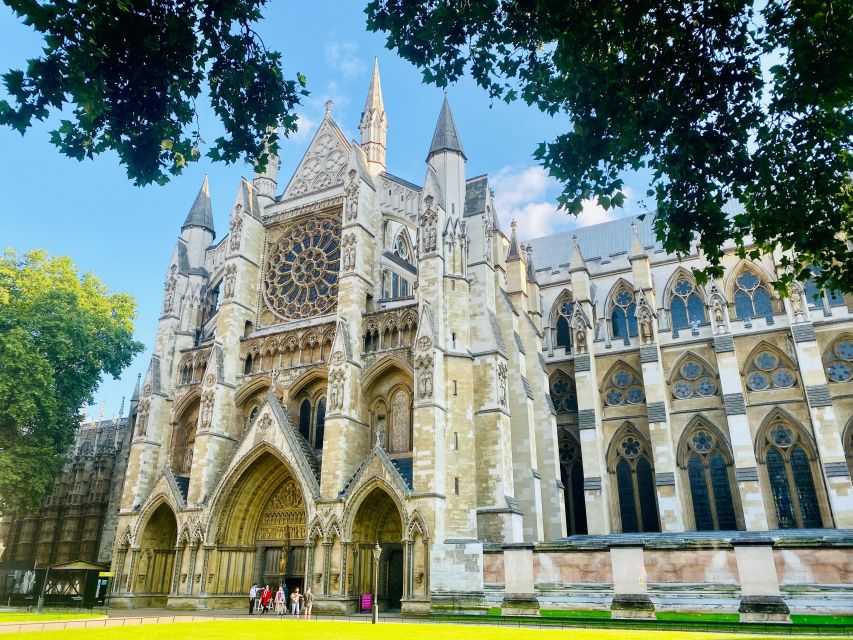
The walk finishes outside Churchill’s War Rooms. This is one of the strongest practical features of the experience because the guided route gives you a clear introduction before you enter the museum on your own.
Inside, you can explore the underground rooms used by Winston Churchill and his cabinet during WWII. The preserved bunker setting adds something the street walk cannot provide. On the pavement, you learn how Westminster functioned above ground. In the War Rooms, you see the strategic headquarters where wartime leadership worked below ground.
Admission is not included, so treat the $39 as the price of the guided introduction, not a combined ticket. If Churchill or wartime government is a major reason for your visit, set aside extra time and money for the museum. The guide does not accompany you through the War Rooms, and the experience ends outside its entrance.
I would avoid scheduling a tight appointment immediately afterward. The guided walk is listed at 1.5 hours, while the full activity window can extend to three hours depending on the selected departure. Add museum time only if your day allows it.
Is $39 a fair price?
At $39 per person, this is not the cheapest way to see Westminster. You can walk past Parliament, Big Ben, and Whitehall without paying anything. The question is what you want from the outing.
You are paying for an English-speaking local guide, a focused WWII theme, and the stories that connect the landmarks. If your visit would otherwise be a quick photo circuit, the guide adds real value. The strongest feedback centres on clear explanations, humour, biographies, and anecdotes that make Churchill and wartime London feel less remote.
The price is harder to justify if you only have 90 minutes and already know the subject well. It is also worth noting that the War Rooms cost extra, and none of the named monuments are entered. I see this as a good-value orientation walk for history-minded visitors, but not as a complete Churchill experience by itself.
A private tour may offer more flexibility and a better chance to ask questions. A shared group tour is likely the sensible choice if you want to keep the cost down and enjoy hearing the guide address several people. The activity allows both formats, so check the exact option before booking.
Who should book this Westminster walk?
I would recommend it most to:
- First-time London visitors who want to connect famous Westminster sights with WWII.
- Adults and older children interested in Churchill, military history, or government.
- People who prefer stories and conversation over a long, strenuous walk.
- Visitors planning to see Churchill’s War Rooms and wanting useful background first.
- Anyone who appreciates a guide who can add humour and personal detail to serious history.
It can also work for a mixed-interest group. One participant joined because a spouse loved history and ended up finding the experience engaging, even without being a history enthusiast. That is a good sign for couples or families with different levels of interest.
I would be more cautious if you need step-free access, use a wheelchair, or have difficulty with stairs and city pavements. The tour is specifically not suitable for wheelchair users or people with mobility impairments. Large bags and luggage are not allowed, and comfortable shoes are essential.
Practical ways to get more from the tour
Read a brief outline of Churchill and the Battle of Britain before you arrive. You do not need to study military history. A little preparation will help you place the guide’s stories in order and use your question time well.
Keep your schedule open after the walk if you plan to enter Churchill’s War Rooms. The route ends there for a reason. You can continue the subject while the locations and names are still fresh.
Bring water and dress for London weather, but keep your belongings light. You will be outdoors, and the meeting point involves stairs from the station exit. Since food and drinks are not included, handle those before or after the walk rather than expecting a stop during it.
Pay attention to the guide’s anecdotes. The most memorable material is likely to be about pilots, civil servants, Churchill’s character, and the experience of ordinary people. Those details give the landmarks meaning long after you have left Westminster.
Should you book it?
Book this tour if you want a focused, human account of WWII in Westminster and plan to see Churchill’s War Rooms afterward. At $39, it offers good value when the guide is doing what this experience is designed for: linking famous places with clear explanations, personal stories, and a little British humour.
Skip it if you want interior access to Parliament or the Abbey, a long walking route, or a ticket bundle that includes the War Rooms. The walk is short, mostly outdoors, and built around conversation. For the right visitor, that is its strength. You get the setting, the wartime frame, and a guide who can make the history feel personal before you head underground.
FAQ
Where does the Winston Churchill and London in WWII Walking Tour meet?
Meet by the Boadicea and Her Daughters Statue outside Westminster Station, Exit 2. Follow signs for Exit 2, Victoria Embankment, then take the stairs to street level. The guide will hold an Urban Saunters orange tour sign.
How long does the tour last?
The guided walking tour is listed as 1.5 hours. The activity duration may range from 1.5 to 3 hours depending on the selected starting time and option, so check availability when booking.
What landmarks will I see?
The route includes Big Ben, the Houses of Parliament, Westminster Abbey, the Cenotaph, the Ministry of War, Downing Street, and Whitehall. These sites are viewed from outside.
Does the tour include Churchill’s War Rooms admission?
No. The guided walk ends outside Churchill’s War Rooms, and entrance tickets are not included. You can choose to explore the War Rooms independently after the tour.
Is the tour available as a private experience?
Yes. You can choose between a shared group walking tour and a private walking tour.
Who leads the tour?
The tour is led in English by a local expert guide. Guides named for this experience include Nathan, Richard, Francis, Babs, Rosie, and Amber. The assigned guide depends on the departure.
What should I bring?
Wear comfortable shoes. You should not bring luggage or large bags.
Is the tour suitable for wheelchair users?
No. The activity is listed as unsuitable for wheelchair users and people with mobility impairments.
Can I cancel the booking?
Yes. You can cancel up to 24 hours in advance for a full refund. A reserve-now-and-pay-later option is also available.
Just added in London
- 3-Day Stonehenge*, Glastonbury, Bath & the South West Coast Tour from London★ 4.5 · 32 reviews
- Private Guided Tour of Harry Potter Locations – English/ Italian★ 5.0 · 33 reviews
- Private Tour London Highlights, entries Westminster Abbey, The Tower of London★ 5.0 · 93 reviews
- 2 Hour Walking Tour from Buckingham Palace to Big Ben★ 5.0 · 32 reviews
- 30 Major London Attractions Walking Tour With Photos★ 4.5 · 51 reviews
- 007 Shadow Of Spectre★ 5.0 · 135 reviews
- Private Guided Tour of the British Museum – Tickets Included★ 5.0 · 193 reviews
- Bath, Avebury and Lacock Village Small-Group Day Tour from London★ 4.5 · 121 reviews
Wartime and Churchill Tours, compared.
Westminster 3 Hour Walking Tour and Visit of Churchill War Rooms
Read our review →
WW2 London Walking Tour & Churchill War Rooms Entrance Ticket
Read our review →
Westminster WW2 Tour & Churchill’s War Rooms Ticket
Read our review →
London in WW2 Walking Tour with Churchill War Rooms Visit
Read our review →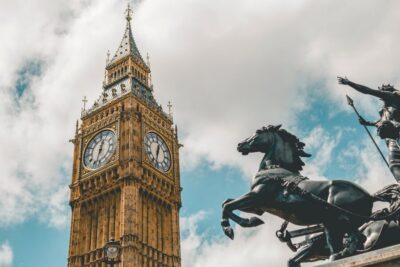
Churchill War Rooms Ticket & Political London Audio
Read our review →
Big Ben, Churchill War Rooms & Buck’ham Palace Tour
Read our review →Browse the lists this tour appears in