
Reviewed · WARTIME AND CHURCHILL TOURS
London: London in WW2 and Churchill War Rooms Entrance
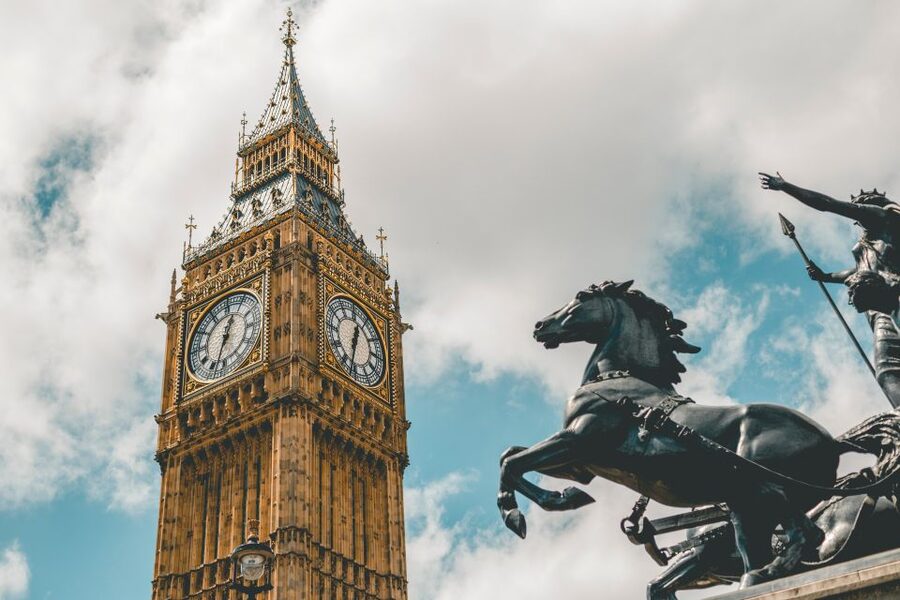
London’s wartime story comes alive best when you connect the famous sights above ground with the command bunker below. This tour does exactly that, linking Westminster Abbey, Big Ben, Downing Street, the Cenotaph, and Whitehall to the decisions made inside Churchill’s War Rooms during World War II.
I like the small group size, capped at 15 people, and the way a live guide gives the walking portion energy and context. I also like the handoff from guided Westminster to the preserved underground rooms, where an audio guide lets you move at your own pace.
The main consideration is time. Three hours sounds generous, but the walking tour and War Rooms can easily fill it. The museum may feel crowded, and the afternoon schedule can leave you wanting more time underground. The route also is not suitable for wheelchair users or people with mobility impairments.
Key points to know before booking
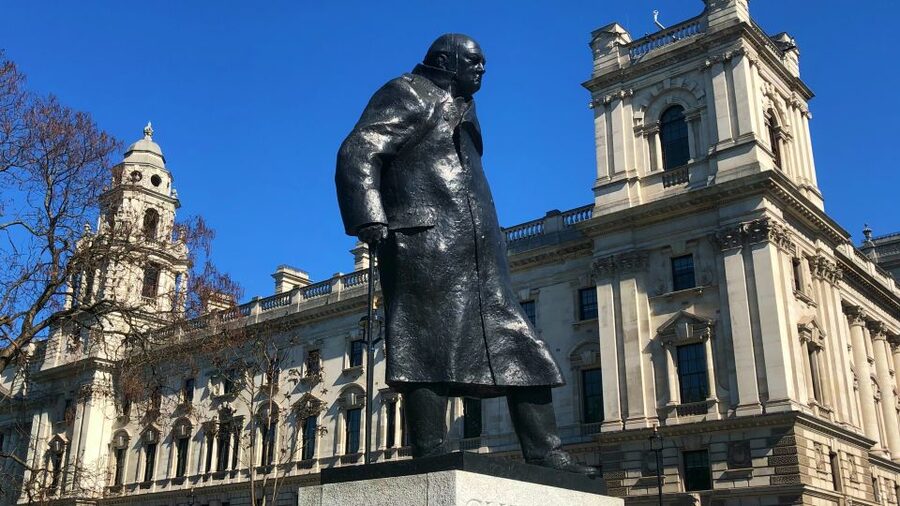
- The walking route is compact but packed with wartime context: You see major Westminster landmarks while learning what they meant during the war.
- Guides are the heart of the experience: Babs, Nathan, Richard, Jeremy, and others are praised for lively storytelling, humor, and strong command of the subject.
- Churchill’s War Rooms are explored independently: Your ticket includes entry and an audio guide rather than a guide-led museum visit.
- Groups are limited to 15 people: That makes it easier to hear the guide and ask questions than on a large coach tour.
- The $96 price covers two connected experiences: You get a guided Westminster walk and entrance to one of London’s major World War II museums.
- Plan for outdoor weather and security checks: Wear comfortable shoes, bring water and an umbrella, and leave large bags and luggage behind.
Starting beside Westminster Station
The meeting point is convenient if you are using the Underground. Meet your guide by the Boadicea and Her Daughters statue outside Westminster Station, Exit 2. Follow the signs for Exit 2, marked Victoria Embankment, then take the stairs up to street level. The guide will be near the statue with an orange Urban Saunters sign.
This is worth taking seriously. Westminster Station has several exits, and the wrong one can put you on the opposite side of a busy road from the group. Give yourself a few extra minutes, especially if you are unfamiliar with the station.
The tour takes place rain or shine. London weather can change quickly, so an umbrella and comfortable clothing are sensible. You will be on your feet for the walking portion, and the route is not designed for wheelchair users or people with mobility limitations.
The group may be shared or private, depending on the booking you choose. Shared groups have a maximum of 15 people, a useful middle ground between a private guide and a large sightseeing crowd.
Other wartime history near London:
- Westminster 3 Hour Walking Tour and Visit of Churchill War Rooms
★ 5.0 · 967 reviews - WW2 London Walking Tour & Churchill War Rooms Entrance Ticket
★ 4.5 · 933 reviews - London: Westminster WW2 Tour & Churchill’s War Rooms Ticket
★ 4.5 · 925 reviews
Westminster in wartime
The first part is a guided walk through the City of Westminster. It is not a long-distance walk, but it covers places that carry enormous political and symbolic weight.
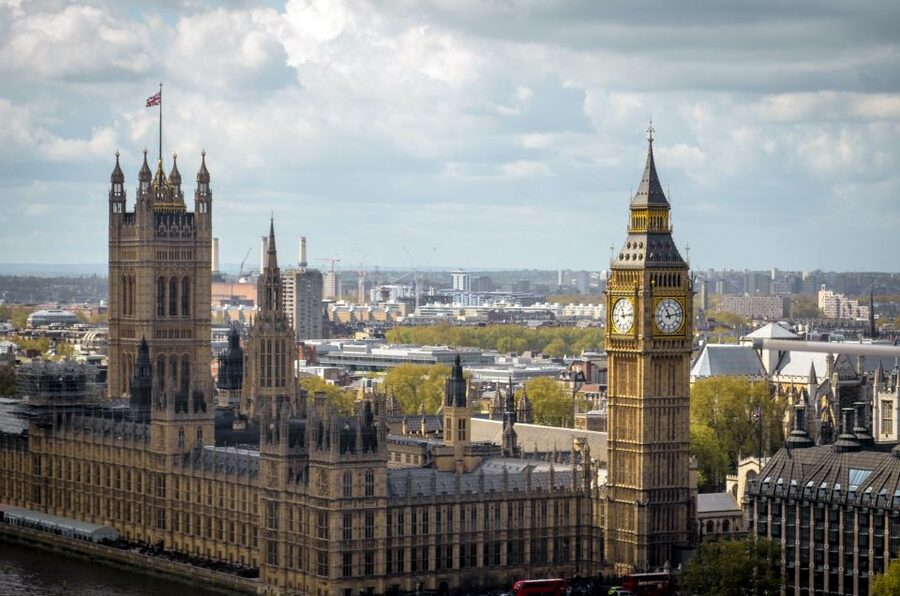
The guide sets the scene with a London under blackout restrictions, rationing, air raid sirens, and German bombing raids after dark. Big Ben, now one of the city’s most familiar sounds, no longer rings as normal. That simple detail helps you picture how different daily life felt during the war.
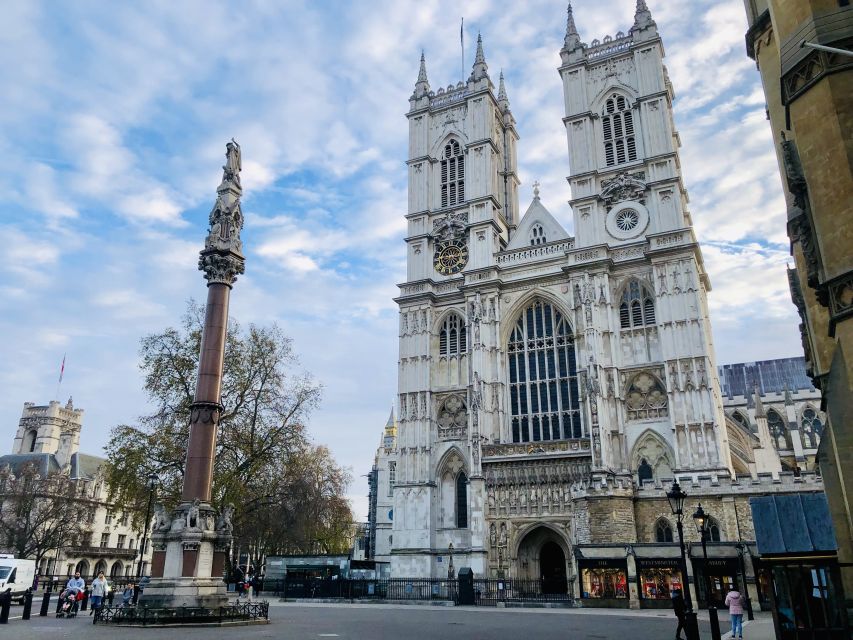
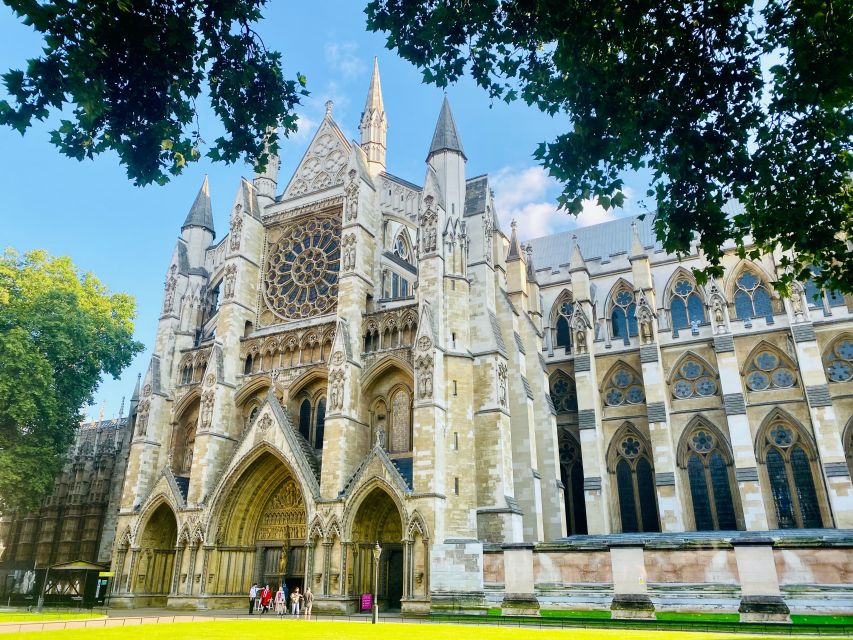
You pass the Houses of Parliament and Westminster Abbey, two landmarks that most people see as part of a standard London sightseeing circuit. Here, the focus shifts to their wartime role and to the wider question of how Britain’s government continued to function under threat.
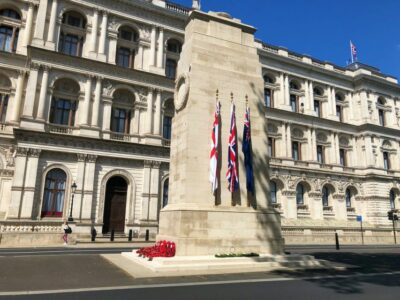
The guide then brings the story toward the Cenotaph, the Ministry of War, Whitehall, and 10 Downing Street. These stops are useful because they turn a broad subject into a physical route. You are not simply hearing dates and names. You are seeing where government, military planning, public mourning, and national leadership met.
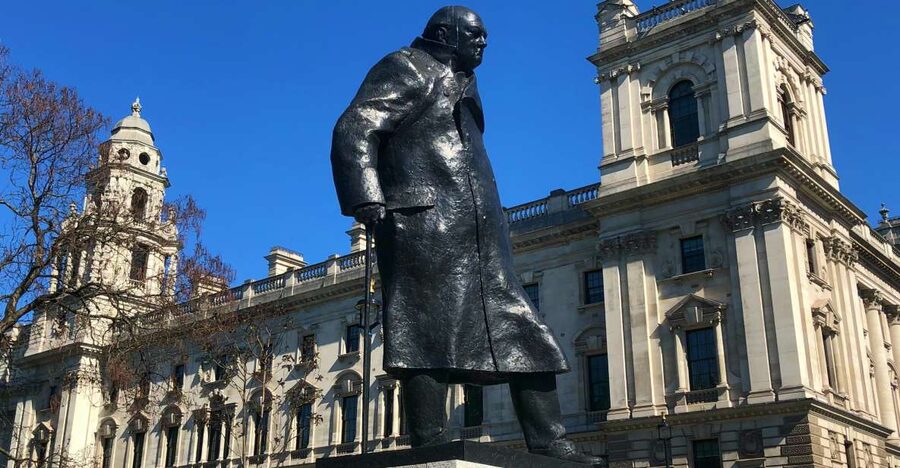
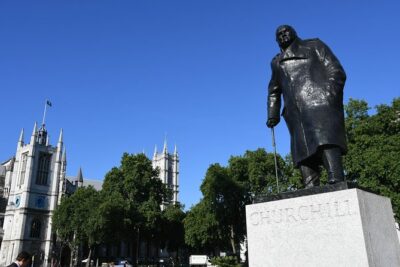
The walk also gives you a better introduction to Winston Churchill. The emphasis is not only on his speeches or public image, but on the people around him and the enormous workload involved in directing a country at war. A strong guide can show you how decisions made in offices and underground rooms affected soldiers and civilians far beyond Westminster.
Why the guide makes such a difference
The biggest strength of this experience is the live guide. The best guides use the monuments as prompts, then add the human stories that are easy to miss when you explore alone.
Babs is repeatedly praised for her enthusiasm, warmth, and love of the subject. Nathan is noted for his storytelling, humor, detail, and ability to draw a group into the lives of people from the period. Richard is described as engaging and especially keen to share what he knows about Churchill. Jeremy is praised for high energy, patience, and clear explanations. Other named guides, including Paul and Peter, also receive strong approval for bringing personal interest to the walk.
You should not assume you will get a particular guide unless your booking confirms it. Still, the pattern is clear: the guide is not just there to point out buildings. You can expect stories, anecdotes, explanations of monuments, and a presentation that aims to work for different ages.
That matters if you are traveling with family. One particularly useful detail is that the tour has held the attention of a group ranging from a senior citizen to a tween. Children will not get a separate program, but the human stories and the guide’s energy can make the subject easier to follow than a museum label or textbook.
The walking portion also seems to suit people with different levels of interest. You do not need to arrive as a Churchill expert. If you already know the basic story, the added detail around monuments, lesser-known figures, and wartime decisions gives the route more depth.
The Cenotaph and the people behind the war
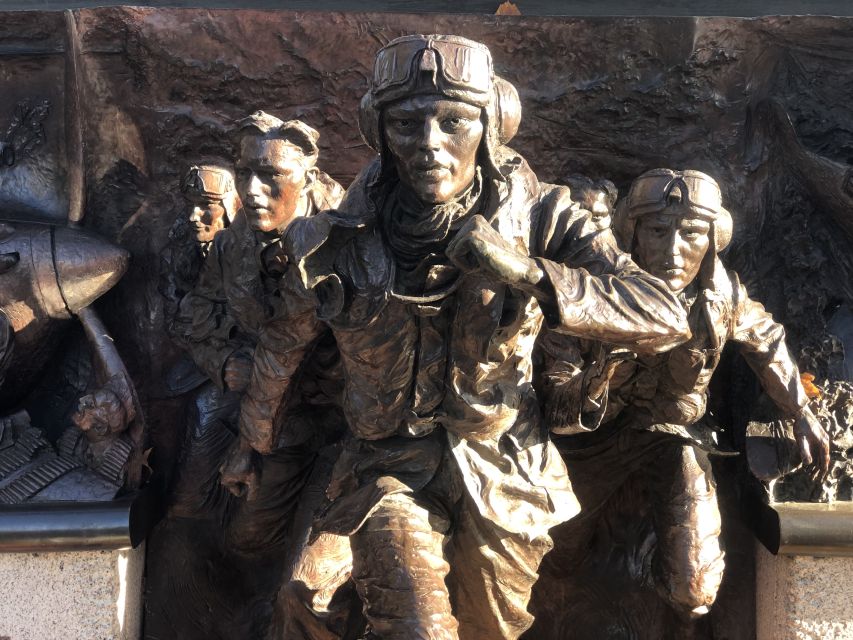
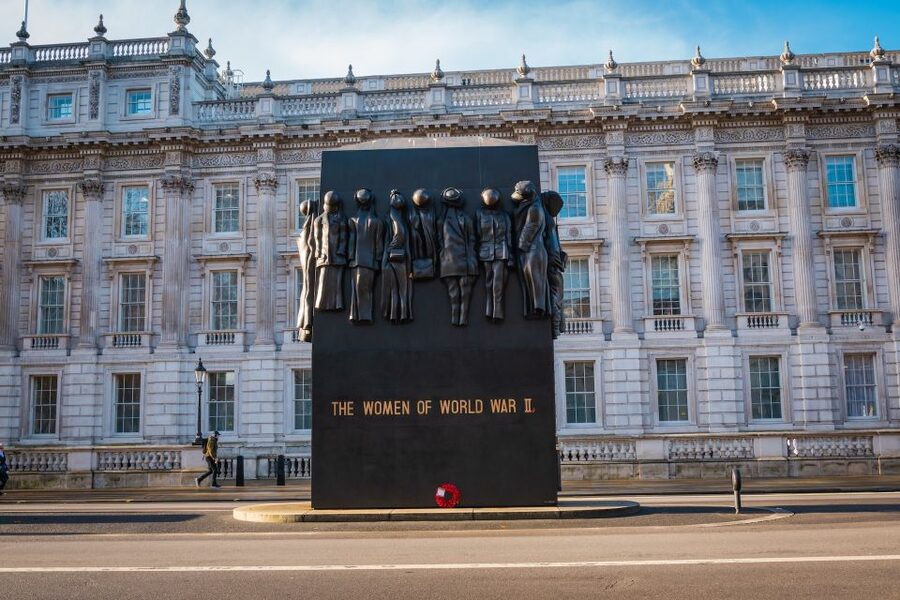
The Cenotaph is one of the most important stops because it shifts the focus from government leaders to sacrifice and remembrance. The monument is familiar, but a guide can explain why it carries such emotional force in the middle of a wartime route.
This is also where the tour appears to make its strongest human connection. The subject is not treated as a parade of military facts. The guide discusses people, choices, fear, duty, and the cost of the conflict. One guide was praised for showing respect for those who served, while another was singled out for telling moving stories connected with the Battle of Britain.
That balance is useful. Churchill is central to the tour, but the experience is not only a portrait of one famous man. It also considers the people who worked alongside him and the wider population dealing with restrictions and danger at home.
You will hear the familiar phrase keep calm and carry on in spirit, but the walk gives it a more serious setting. Wartime resilience was not a slogan floating above ordinary life. It involved shortages, uncertainty, exhausting work, and the constant possibility of loss.
Same city, a very different afternoon:
- From London: Harry Potter Warner Bros Studio Tour
★ 4.7 · 26,588 reviews - Magical London: Harry Potter Guided Walking Tour
★ 4.7 · 22,044 reviews - London: Madame Tussauds London
★ 4.6 · 20,915 reviews - Stonehenge, Windsor Castle, and Bath from London
★ 4.5 · 18,662 reviews
Entering Churchill’s War Rooms
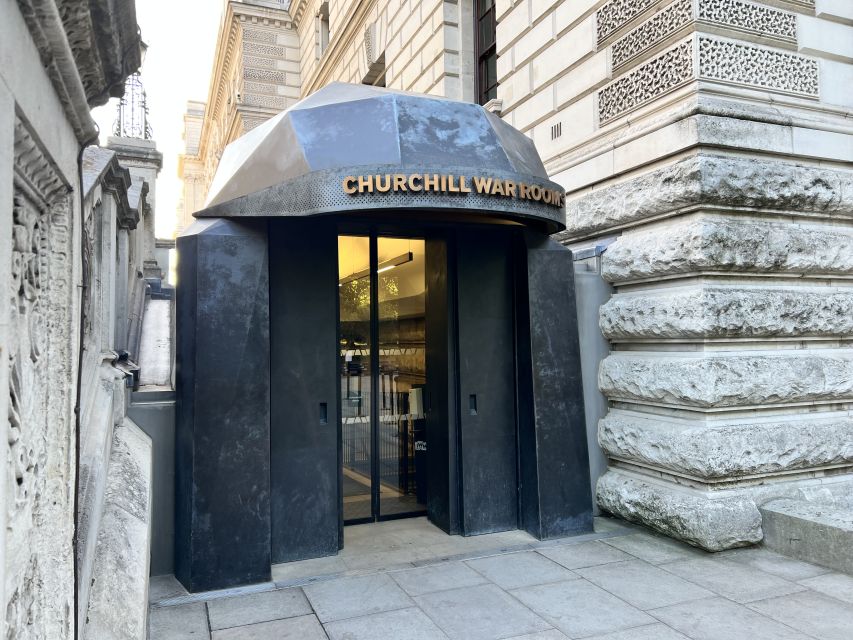
After the walk, you say goodbye to the guide and enter Churchill’s War Rooms. This is the point where the experience changes from a live outdoor tour to a self-guided museum visit.
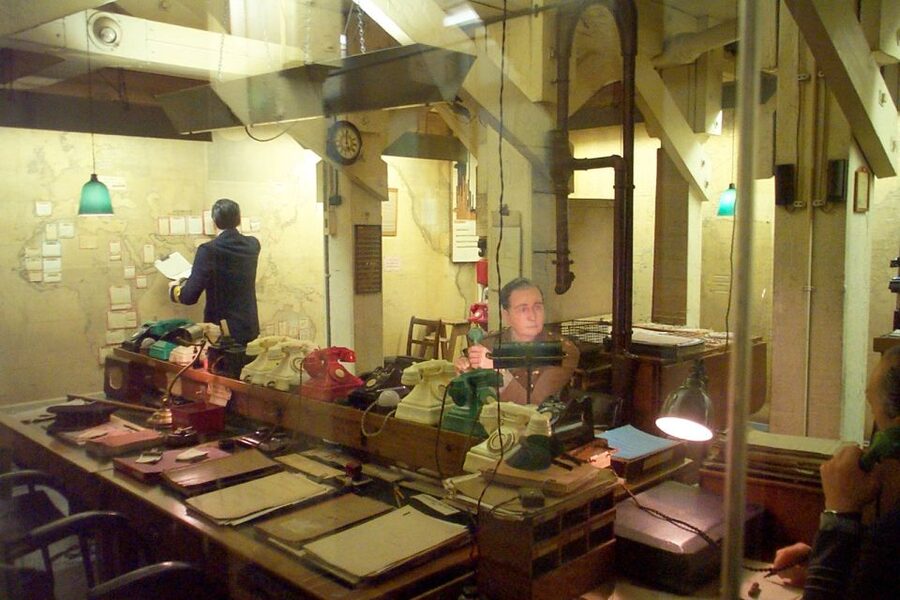
The War Rooms are preserved underground bunkers used by Churchill and his cabinet during World War II. Their value lies in the physical setting. You can walk through the network of rooms where strategic work continued while London faced bombing raids above.
The displays are designed to be explored with an audio guide, which is included. You can listen as you move through the rooms, stop at exhibits, and spend longer on sections that interest you most. This is a good contrast to the walking tour, where the pace is set by the group.
The rooms are described as being frozen in time, and that is a major reason to include them. You get a sense of the practical working environment behind the public speeches and official announcements. The setting helps connect Churchill’s public leadership with the staff, officials, and military planners who kept the operation running.
Allow yourself enough time to take in the museum. A few hours may not be enough if you want to hear every audio segment and study every exhibit closely. Some departures, particularly in the afternoon, can leave you with less time than you would like before the museum visit ends.
The War Rooms can also become crowded. That does not cancel out their importance, but it can make it harder to stand in front of an exhibit or listen without interruption. If you prefer a quiet museum experience, be prepared to move patiently and accept that some areas may take longer.
Guided storytelling versus an audio guide
The two parts of the tour have different strengths. The Westminster walk gives you a person to respond to. You can ask questions, hear a story shaped for the group, and learn why a particular statue or building matters.
The War Rooms give you control. The audio guide lets you pause, skip ahead, or spend more time with a section. It also means the second half is not a continuation of the live guide’s presentation.
That change is worth knowing before you book. One visitor specifically wished the bunker portion had a live guide and felt that the audio format was less informative than the first half. If your main goal is a fully guided experience from start to finish, this tour may not match your preference.
For many people, the format works well. The guide provides the necessary background before you enter, so the museum is not a cold start. You arrive knowing who Churchill was, what Westminster represented, and why the underground rooms mattered.
Is the $96 price fair?
At $96 per person, this is not a bargain activity, but the price needs to be judged against what is included. You receive a small-group guided walk, an English-speaking local guide, entrance to Churchill’s War Rooms, and the museum’s audio guide.
The War Rooms are a major London attraction with a separate admission value of their own. Adding a focused Westminster walk gives you more than a basic museum ticket. You are paying for the connection between the streets above and the bunker below.
The value is strongest if you want help making sense of the setting. You could visit the War Rooms independently, but you would miss the live context around Downing Street, the Cenotaph, Whitehall, and the other stops. A good guide can also save you from walking past important monuments without understanding their wartime meaning.
The value is weaker if you only want a quick look at the bunker or if you dislike guided walking tours. You may feel rushed at the museum, and food, drinks, transport, and hotel pickup are not included.
I would consider the price reasonable for a first London visit, especially if World War II and Churchill are high on your list. It is less compelling for a repeat visitor who has already taken a detailed Westminster tour and visited the War Rooms.
Timing, comfort, and practical details
The total duration is three hours. Check the available start times before booking, since the amount of time you have inside the War Rooms can depend on when the tour begins.
There is no scheduled food or drink included. Bring water, particularly on a warm day. One guide was praised for looking for shady places to stop while explaining the sights, but you should still prepare for time outdoors.
Wear comfortable shoes. The walking route is not described as long, but you will be standing and moving through central London before entering an underground museum.
Security screening is required for all visitors entering the War Rooms. Do not bring luggage or large bags, and note that baby strollers are not allowed. These rules can affect families and visitors arriving directly from a hotel or train station.
The tour runs in all weather. An umbrella is not optional in London unless you are willing to take your chances.
Free cancellation is available up to 24 hours before the tour for a full refund. You can also reserve now and pay later, which helps if your schedule is still changing.
Who should book this Westminster experience?
I would recommend it to you if you want a focused introduction to London’s World War II story without spending a full day on military museums. It is especially suitable for first-time visitors who want to combine famous sights with a serious historical theme.
Families may find the format useful because the live storytelling keeps the walking section moving, while the War Rooms provide visual material and an audio guide. The experience can work across age groups, though younger children may need help staying engaged during the bunker exhibits.
It also suits visitors who enjoy Churchill but want more than a collection of famous quotations. The route gives attention to the government machinery, public memorials, and the people working around him.
You may want to choose another option if you need step-free access, want a fully guided museum visit, or prefer to explore at a very slow pace. The walking portion is outdoors, the bunker can be crowded, and the three-hour schedule may not leave enough time for every exhibit.
Should you book it?
Book this tour if you want the story before the museum. The live guide gives Westminster shape and meaning, then the War Rooms let you see the working world beneath the speeches and monuments.
The strongest reason to choose it is the quality of the storytelling. Guides such as Babs, Nathan, Richard, and Jeremy are praised for humor, clarity, passion, and memorable detail. The main caution is that the second half is self-guided and may feel short or crowded.
For most first-time visitors with an interest in World War II, Churchill, or London’s political center, the combination is worth the $96. Bring good shoes, keep your bag small, and protect enough time for the War Rooms. You will get the most from the tour if you treat the walking route as the introduction and the bunker as the part that deserves your unhurried attention.
FAQ
Where does the tour meet?
Meet by the Boadicea and Her Daughters statue outside Westminster Station, Exit 2. Follow signs for Exit 2, Victoria Embankment, then take the stairs to street level. The guide will be at the top of the stairs with an orange Urban Saunters tour sign.
How long does the experience last?
The total duration is three hours. Starting times vary, so check availability when booking.
Is the tour guided in English?
Yes. The walking portion has a live English-speaking guide, and the War Rooms include an English audio guide.
Is the group private or shared?
You can choose a private or small-group option. Shared groups have a maximum of 15 people.
Does the price include Churchill’s War Rooms?
Yes. Entrance to Churchill’s War Rooms and the audio guide are included.
Are food and drinks included?
No. Food and drinks are not included, so bring water and make your own arrangements before or after the tour.
Can I bring luggage or a stroller?
No. Large bags, luggage, and baby strollers are not allowed.
Is the tour suitable for wheelchair users?
No. The experience is not suitable for wheelchair users or people with mobility impairments.
What happens if it rains?
The tour runs rain or shine. Bring an umbrella and wear comfortable clothing suitable for outdoor walking.
Just added in London
- 3-Day Stonehenge*, Glastonbury, Bath & the South West Coast Tour from London★ 4.5 · 32 reviews
- Private Guided Tour of Harry Potter Locations – English/ Italian★ 5.0 · 33 reviews
- 2 Hour Walking Tour from Buckingham Palace to Big Ben★ 5.0 · 32 reviews
- 30 Major London Attractions Walking Tour With Photos★ 4.5 · 51 reviews
- Private Tour London Highlights, entries Westminster Abbey, The Tower of London★ 5.0 · 93 reviews
- 007 Shadow Of Spectre★ 5.0 · 135 reviews
- Private Guided Tour of the British Museum – Tickets Included★ 5.0 · 193 reviews
- Bath, Avebury and Lacock Village Small-Group Day Tour from London★ 4.5 · 121 reviews
Wartime and Churchill Tours, compared.
Westminster 3 Hour Walking Tour and Visit of Churchill War Rooms
Read our review →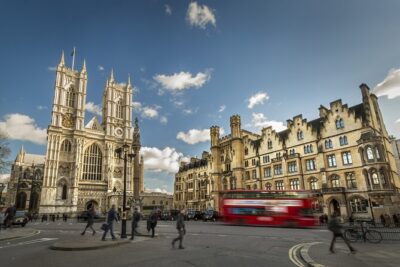
WW2 London Walking Tour & Churchill War Rooms Entrance Ticket
Read our review →
Westminster WW2 Tour & Churchill’s War Rooms Ticket
Read our review →
London in WW2 Walking Tour with Churchill War Rooms Visit
Read our review →
Churchill War Rooms Ticket & Political London Audio
Read our review →
Winston Churchill and London in WWII Walking Tour
Read our review →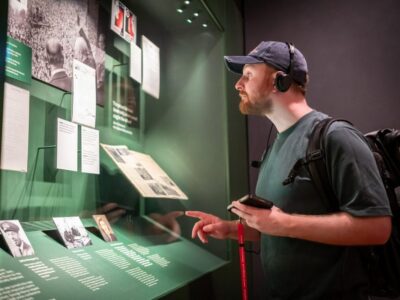
Big Ben, Churchill War Rooms & Buck’ham Palace Tour
Read our review →Browse the lists this tour appears in