
Reviewed · MUSEUMS
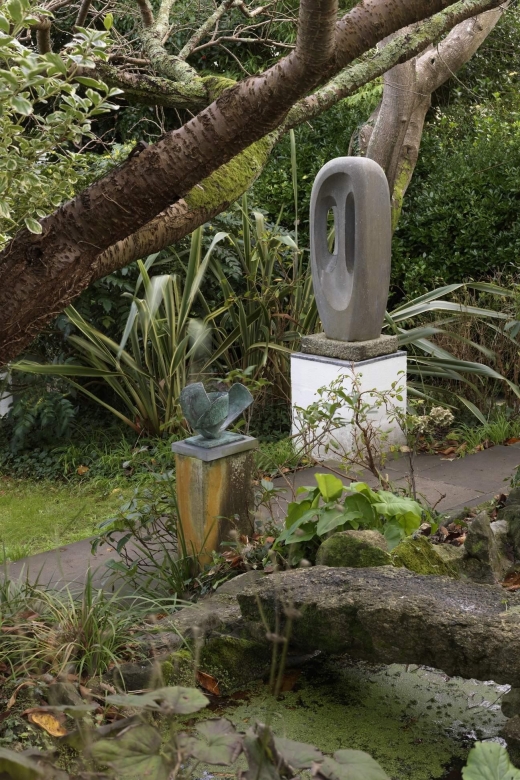
Barbara Hepworth Museum & Sculpture Garden: entry to site.
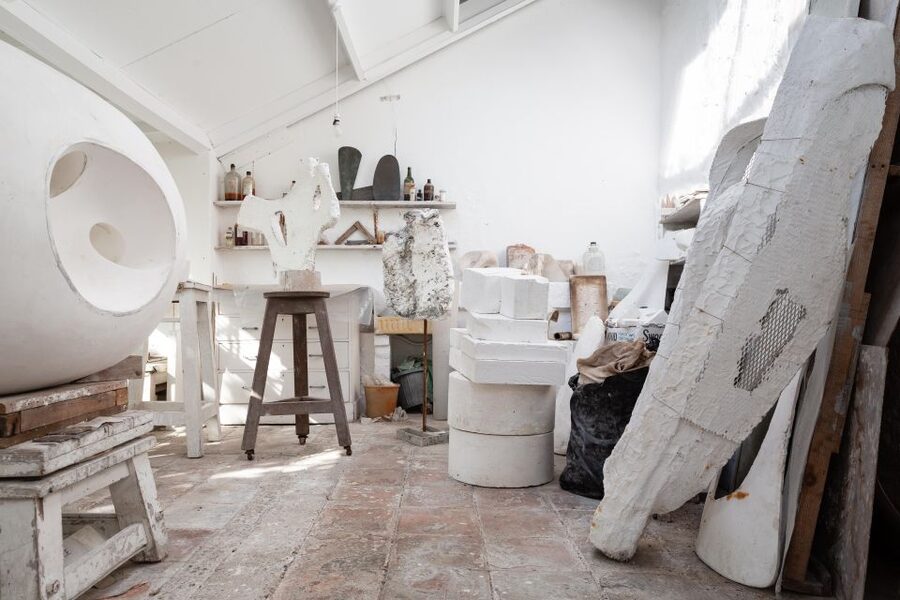
Barbara Hepworth’s former home in St Ives gives you something a large gallery cannot: the artist’s own working setting. You move from archive photographs and career material into her living spaces, then outside among bold sculptures placed in a small sub-tropical garden.
I like the close link between the art and the place where Hepworth made it. I also like the garden, where planting softens the hard forms of the sculptures without turning the visit into a formal garden tour. The main drawback is that the site is compact, with no café, limited souvenirs, and only one toilet.
The museum suits anyone interested in modern art, sculpture, gardens, or St Ives itself. Staff are described as friendly and able to explain Hepworth’s life and work clearly. Allow about an hour for a focused visit, or longer if you want time to study the archive and garden.
Key points to know before visiting
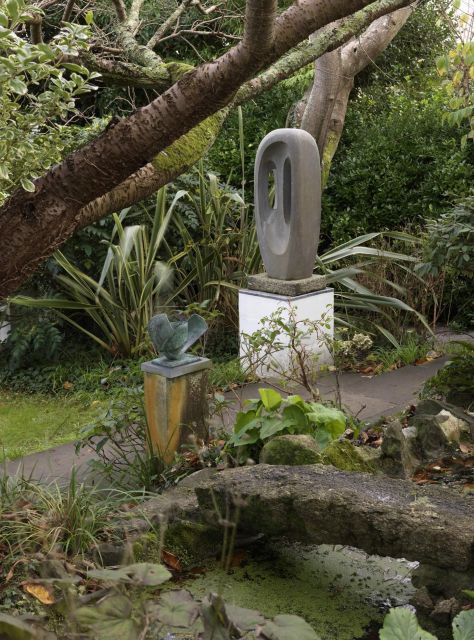
- See Hepworth’s original home and garden: The setting remains largely unchanged from her time in St Ives.
- Start with the archive display: Chronological photographs and objects help place the art within her career.
- View several kinds of work: The indoor collection includes abstract sculptures, paintings, and drawings.
- Walk among larger sculptures outdoors: The sub-tropical garden is part of the experience, not just a backdrop.
- Plan for a compact visit: There is no café, the souvenir selection is limited, and only one toilet is available.
- Arrange wheelchair access ahead of time: Entry is available through a side-street entrance by prior arrangement.
Entering Barbara Hepworth’s St Ives home
The visit begins in the admission area, where archive photographs and objects are arranged in chronological order. This is a useful first stop because it gives you a framework for the rooms and sculptures that follow.
Hepworth’s career covered several decades, and the archive helps you see that her work was not created in isolation. You get a sense of her changing ideas, her life in St Ives, and her connection with fellow artists such as Ben Nicholson.
I recommend taking a few minutes here before heading upstairs. The display is not simply a collection of background notes. It prepares you to look at the works with more care. A sculpture can seem spare at first glance, but photographs and career information give you clues about the period and ideas behind it.
This opening area also helps visitors who are new to modern art. You do not need a detailed art background to appreciate the museum, but the archive makes the visit easier to follow. It gives the collection a human setting before you begin looking closely at the objects themselves.
More museums and galleries in Britain:
- Liverpool: Liverpool Football Club Museum and Stadium Tour
★ 4.8 · 10,764 reviews - Tower of London and Crown Jewels Exhibition Ticket
★ 4.5 · 6,677 reviews - London: Chelsea Football Club Stadium and Museum Tour
★ 4.8 · 4,576 reviews
Upstairs among paintings, drawings, and sculpture
The main indoor display is upstairs in Hepworth’s former living area. Seeing the work in these rooms feels different from seeing a sculpture in a large white gallery. The scale is more personal, and the setting keeps your attention on the artist’s daily life as well as her finished work.
The collection includes abstract sculptures, paintings, and drawings. These different forms matter because they show how Hepworth’s ideas moved across materials. A drawing may give you a clearer sense of line and shape, while a sculpture lets you see how those ideas occupy real space.
I like to take my time with the smaller works before going outside. The indoor pieces are a good counterpoint to the larger sculptures in the garden. They also prevent the visit from becoming only a quick photo stop among outdoor objects.
The rooms are part of the story. You are not simply entering a museum installed in a neutral building. You are seeing art in the former home of the person who made it. The site has been kept close to how Hepworth lived and worked, which gives the display a strong sense of place without requiring a formal guided tour.
The museum is relatively small, so do not expect a huge collection or a full survey of every stage of Hepworth’s career. That is also part of its appeal. You can focus on the works in front of you instead of spending half a day moving through endless rooms.
The sculpture garden and its sub-tropical planting
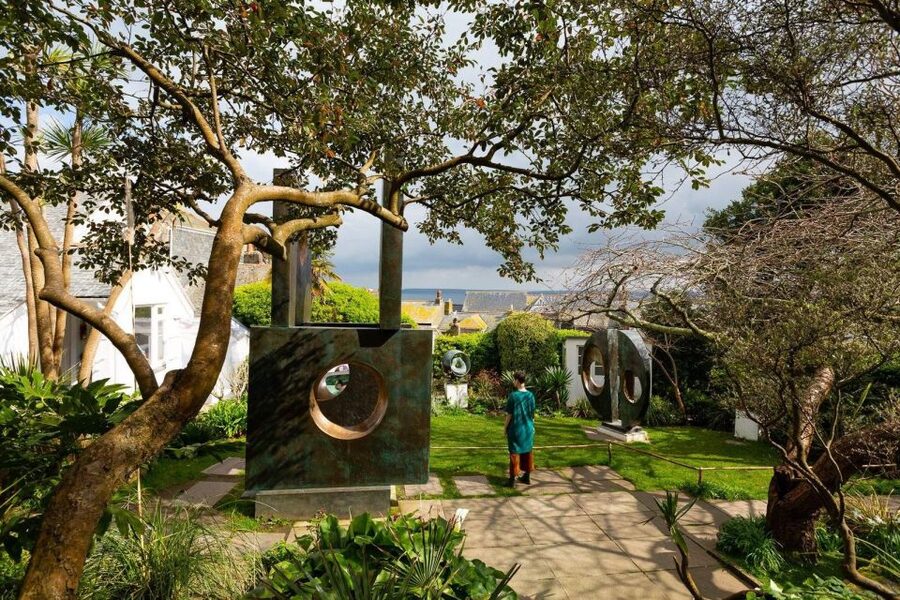
Outside, the visit changes pace. The garden contains further larger-scale works, set among sub-tropical planting. Here, the relationship between sculpture and nature becomes the main subject.
The plants soften the strong lines and solid forms of the sculptures. At the same time, the sculptures give the garden structure. You are not looking at two separate attractions. The garden and the art are designed to be experienced together.
This is where the museum feels most distinctive. In a conventional gallery, you study a sculpture from a set distance. In the garden, you can walk around it and see how changing angles alter the shape. The surrounding planting also changes the way the work feels from one part of the garden to another.
I would not rush through this section. Look at the sculptures from more than one position, then pause to notice how the garden frames them. The sub-tropical setting adds color and texture, but it does not overwhelm the art. The planting works as a quiet companion to the stone, bronze, and abstract forms.
The garden is not presented as a separate botanical attraction. If you are visiting mainly for plants, you may find it smaller than expected. Its value comes from the way the planting supports the sculptures and preserves the atmosphere of Hepworth’s working environment.
Why the unchanged setting matters
The strongest feature of the Barbara Hepworth Museum and Sculpture Garden is the connection between the objects and the place. The home, garden, and views of the studios help you understand that Hepworth’s work was part of an active working life.
You can see where the art was displayed and how it related to the rooms and outdoor space. That connection is especially useful if you have already seen Hepworth’s work in a large public gallery. Here, the pieces have a more intimate setting.
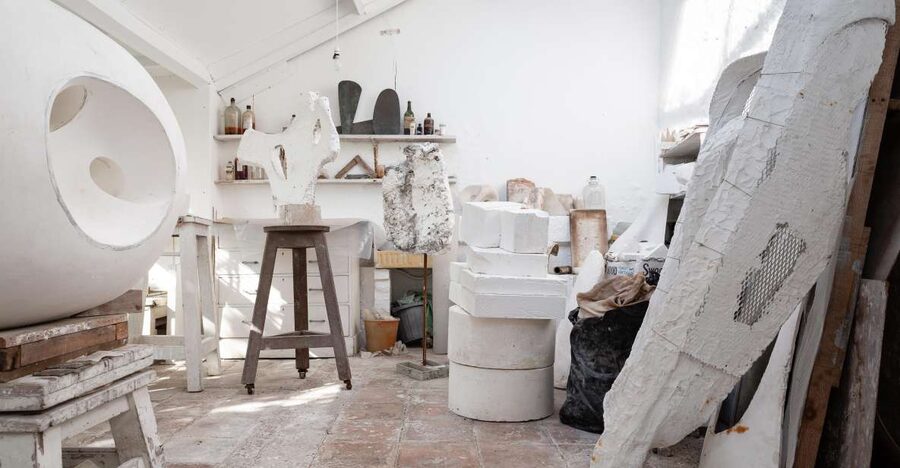
The studios are viewed from the site rather than presented as a separate working tour. Even so, they add important context. You are reminded that this was not only a home with art on the walls. It was a place where ideas were developed and objects were made.
The unchanged quality also means the visit has a restrained feel. The museum does not appear designed for a large crowd or a long list of commercial extras. You will not find a café or a large shop competing for attention. The limited souvenir range may disappoint visitors who want a substantial selection of books and gifts, but it helps keep the focus on the art and setting.
Same city, a very different afternoon:
- London: The London Eye Entry Ticket
★ 4.6 · 35,875 reviews - From London: Harry Potter Warner Bros Studio Tour
★ 4.7 · 26,588 reviews - Magical London: Harry Potter Guided Walking Tour
★ 4.7 · 22,044 reviews - London: Madame Tussauds London
★ 4.6 · 20,915 reviews
How long to allow and how to plan the visit
The admission is valid for one day, and availability should be checked for the starting times offered when you book. The experience information describes the format as a small group, limited to nine participants, though the visit itself is centered on entry to the museum and garden rather than a named guided tour.
A focused visit can fit comfortably into about an hour. That estimate comes from the scale of the site and the time needed to see the archive, indoor rooms, and garden. I would allow more time if you read all the information, study the drawings, or want to sit quietly with the outdoor sculptures.
There is no meeting point to arrange because this is a direct site entry. You should arrive ready to spend the visit inside the museum and garden, as food and drinks are not allowed. The site has only one toilet, so plan accordingly before entering.
Large bags, oversize luggage, and luggage in general are not allowed. Other prohibited items include bikes, skateboards, skates, surfboards, drones, tripods, professional cameras, and speakers. Flash photography is not permitted, and you may not touch the exhibits.
Smoking and vaping are prohibited, as are alcohol and drugs. The rules also cover party groups, unaccompanied minors, climbing, feeding animals, and littering. These restrictions may seem extensive, but they protect a small historic site where visitors move close to the artworks.
Wheelchair access and practical limits
The museum is wheelchair accessible, but wheelchair entry uses a side-street entrance and must be arranged before your visit. This is important to settle in advance rather than assume you can use the standard entrance.
Mobility scooters are not allowed, so anyone relying on one should confirm arrangements before booking. The site has one toilet only, another reason to plan a little ahead.
The compact setting may suit visitors who prefer a short, focused cultural stop. It may be less comfortable for anyone looking for a full-day attraction with places to rest, eat, shop, or spread out. There is no café or refreshment facility, so have food and drinks before or after the visit, while keeping them outside the museum grounds.
Is the $13 admission good value?
At about $13 per person, the ticket offers access to several parts of one place: the former home, archive material, indoor art, outdoor sculpture, garden, and views of the studios. You are not paying only to see a few objects in a room. The setting is a major part of what you are buying.
The value is strongest if you already have an interest in Hepworth, modern art, or historic artist homes. You get a close look at the environment linked to her work, plus an outdoor collection that would be difficult to understand in the same way elsewhere.
The value is more modest if you expect a large museum, a long guided tour, or extensive visitor facilities. The site is small, the souvenir range is limited, and there is no café. Think of it as a focused St Ives cultural visit, not a full-day attraction.
For many people, the combination of art and garden makes the price reasonable. The indoor display gives context, while the garden provides the memorable visual experience. You can take your time without needing to commit an entire day.
Who will enjoy this visit most?
I would recommend the museum first to anyone who already likes Hepworth or modern sculpture. It is also a good choice for visitors who want to understand why St Ives became important to modern British art.
Garden lovers may enjoy the planting even if they are less familiar with Hepworth’s work. The garden is not large, but the way it frames the sculptures gives plant-focused visitors something meaningful to study.
This is also a useful stop for couples or small groups with different interests. One person can focus on the paintings and drawings, another on the garden, and both can find value in the way the two are joined.
Families should note the strict rules. Children must not be unaccompanied, and climbing, touching exhibits, feeding animals, and loud speakers are not allowed. The site calls for careful looking rather than energetic play.
The museum may be less suitable if you need a café, extensive seating, a large shop, or a long list of facilities. It is also not the right choice if you want to take professional photographs, use a tripod, or bring large bags.
Booking flexibility and visitor rules
You can cancel up to 24 hours in advance for a full refund, and the reserve-now, pay-later option lets you keep your plans flexible. That is useful in St Ives, where weather and other plans can affect how you arrange a day.
The ticket is valid for one day, but you should check the available starting times before booking. Entry is for the site, and the information does not name a guide. Staff are available at the museum, and clear archive material helps you follow Hepworth’s story as you move through the rooms.
Assistance dogs are allowed, but other pets are not. Red wine, drinks, coolers, food, and alcohol are prohibited, along with weapons, sharp objects, fireworks, and other dangerous substances.
Should you book the Barbara Hepworth Museum and Sculpture Garden?
Book it if you want to see Hepworth’s work in the home and garden where her St Ives life unfolded. The strongest reasons are the unchanged setting, the outdoor sculptures, and the carefully presented information about her career and connection with Ben Nicholson.
I would especially recommend it for art lovers who value atmosphere over size. The museum is compact, but that makes the visit easy to fit into a day in St Ives and gives the collection a personal scale.
Skip it if you are looking for a large museum, a café stop, extensive shopping, or a long guided experience. At $13, it offers good value for the right visitor, but its appeal depends on caring about the link between sculpture, home, garden, and artist.
FAQ
How much does entry to the Barbara Hepworth Museum and Sculpture Garden cost?
Entry costs $13 per person.
How long is the ticket valid?
The ticket is valid for one day.
What can I see inside the museum?
You can see archive information and images, abstract sculptures, paintings, and drawings in Barbara Hepworth’s former living area.
Can I visit Barbara Hepworth’s original home and garden?
Yes. Admission includes entry to her original home and garden in St Ives.
Are the studios included?
The experience includes views of the work studios.
Is there a café at the museum?
No. The site has no café or refreshment facilities.
Are food and drinks allowed?
No. Food and drinks are not allowed on site.
Is the museum wheelchair accessible?
Yes, but wheelchair access uses a side-street entrance and must be arranged ahead of the visit.
Are pets allowed?
Pets are not allowed, but assistance dogs are permitted.
Can I take photographs?
Photography rules are strict. Flash photography, professional cameras, and tripods are not allowed, and you must not touch the exhibits.
Just added in Britain
- 3-Day Stonehenge*, Glastonbury, Bath & the South West Coast Tour from London★ 4.5 · 32 reviews
- Private Guided Tour of Harry Potter Locations – English/ Italian★ 5.0 · 33 reviews
- 30 Major London Attractions Walking Tour With Photos★ 4.5 · 51 reviews
- Private Tour London Highlights, entries Westminster Abbey, The Tower of London★ 5.0 · 93 reviews
- 2 Hour Walking Tour from Buckingham Palace to Big Ben★ 5.0 · 32 reviews
- City Sightseeing Llandudno Hop-On Hop-Off Bus Tour★ 4.0 · 109 reviews
- 007 Shadow Of Spectre★ 5.0 · 135 reviews
- Private Guided Tour of the British Museum – Tickets Included★ 5.0 · 193 reviews
Museums, compared.

Liverpool Football Club Museum and Stadium Tour
Read our review →
Tower of London and Crown Jewels Exhibition Ticket
Read our review →
Chelsea Football Club Stadium and Museum Tour
Read our review →

Browse the lists this tour appears in