
Reviewed · TOURS IN NORTHERN IRELAND
Official World Famous Belfast Taxi Tour ™
Belfast’s political murals are not just colorful photo stops. They are public history books, and this private taxi tour takes you through both sides of the divide, from the Republican Falls Road to the Loyalist Shankill Road. I like the chance to step out at key sites, and I like hearing local accounts from guides such as Paula, Barry, Billy, Joe, Neil, and Lorraine, several of whom grew up during The Troubles.
The private car saves time and lets your group ask direct questions without a larger crowd listening in. The main consideration is the subject matter: memorial gardens, armed paramilitary murals, killings, hunger strikes, and personal stories can make this a heavy outing, and the pace may feel quick if you want long stretches at each wall.
Key points to know before booking
- Both sides of Belfast: Visit Republican and Loyalist areas, including Falls Road, Divis Street, Clonard, and Shankill Road.
- Local storytelling: Guides share Belfast memories and explain how The Troubles still affect daily life.
- Private taxi format: Your own group travels in an air-conditioned vehicle, with stops for photos and short walks.
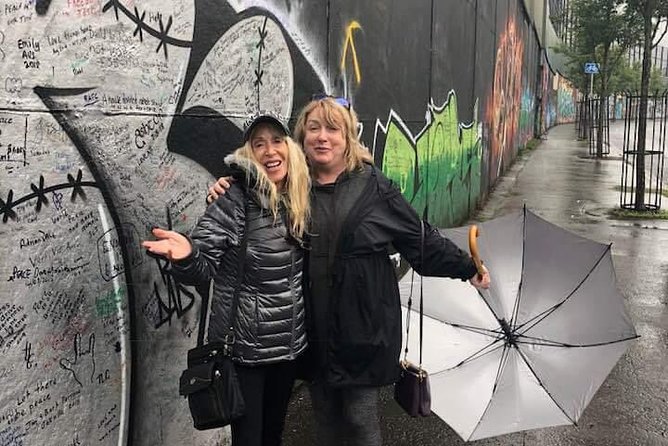
- Peace Wall visit: You can photograph the barrier and write your name or a message of hope on it.
- Strong historical focus: This is a serious tour about conflict, identity, loss, and the unfinished work of peace.
- Pickup details matter: Free pickup and return are offered at the Leonardo Hotel Belfast, while several other pickup points cost extra.
What this Belfast taxi tour is really about
Many Belfast sightseeing trips focus on the City Hall, the Titanic Quarter, or grand Victorian buildings. This one takes a different route. Its subject is the city’s recent political past, seen through streets where murals, memorials, flags, gates, and walls still mark community identity.
You travel in a private taxi for roughly 90 minutes to two hours. The exact length can vary because the tour includes several short stops and opportunities to get out. The driver handles the route while explaining the political background, local geography, and human stories behind the places you see.
I like this setup for a first visit to Belfast because the city’s divided neighborhoods can be hard to understand from a map. A local guide can explain why two streets only minutes apart may carry very different symbols and memories. The tour does not ask you to study a long book before arriving. It gives you a working framework as you see the places themselves.
The experience is educational, but it is not light sightseeing. You will hear about deaths, prison, hunger strikes, bombings, paramilitary groups, and civilian suffering. Some guides also bring personal memories of growing up during The Troubles. That direct connection can make the history more meaningful, but it also means you should arrive ready for difficult material.
Other tours people book in Belfast:
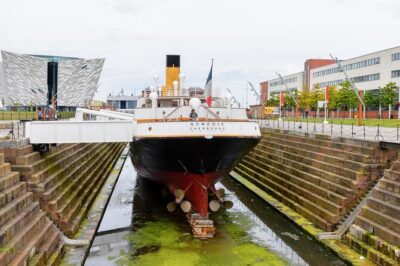
- Titanic Belfast Entrance Ticket: Titanic Visitor Experience Including SS Nomadic
★ 4.5 · 3,698 reviews - Cab Tours Belfast Famous Black Taxi Tours
★ 5.0 · 3,633 reviews - A History of Terror – Belfast City Centre Walking Tour
★ 5.0 · 2,883 reviews
From Bobby Sands to the International Wall
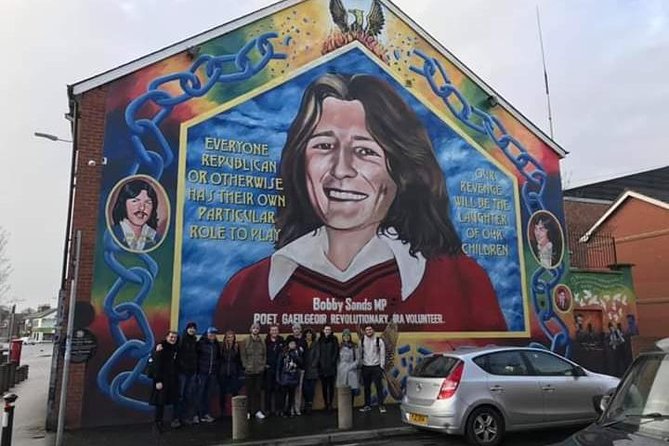
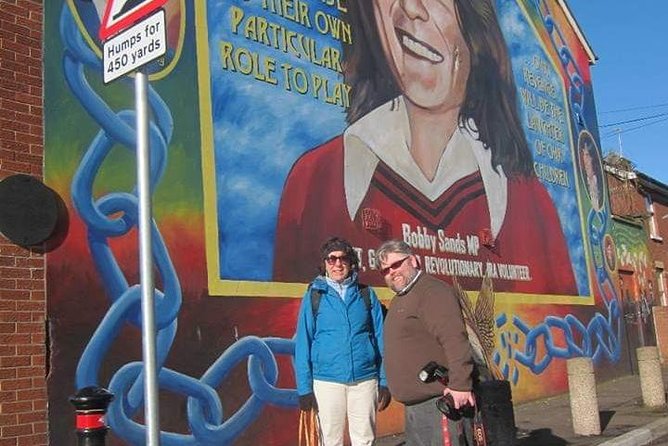
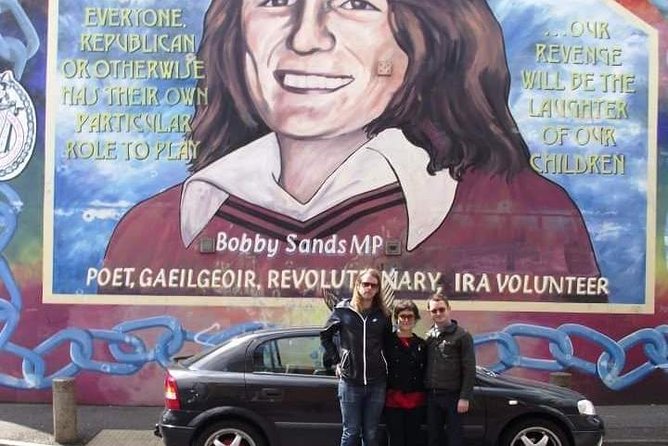
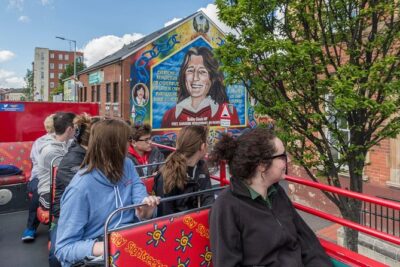
The first major focus is the International Wall and the Bobby Sands mural. Bobby Sands became the best-known figure of the 1981 IRA hunger strike, and his image remains one of Belfast’s most recognized political murals.
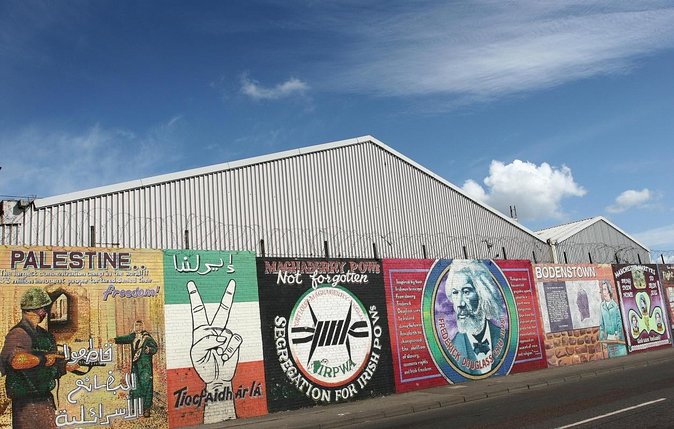
In Republican districts, murals can commemorate the hunger strike, fallen volunteers, civilian victims, imprisoned Republicans, and international struggles. The artwork is not all the same. Some murals are memorials, some are political statements, and some express solidarity with causes outside Northern Ireland.
You normally have time to leave the vehicle, look closely, and take photographs. That matters because these murals contain details that pass too quickly from a car window. Your guide can also explain which images refer to Bobby Sands, which refer to specific events, and which reflect wider Republican identity.
The International Wall on Divis Street is an especially useful place to begin because it shows how murals communicate ideas. Belfast has had roughly 2,000 murals documented since the 1970s, with about 300 considered quality murals in the city at one point. Many have faded or changed, but the surviving examples still reveal what mattered to the communities that created them.
Crossing the Peace Wall at Cupar Way
The Peace Wall is the tour’s most striking physical symbol. These barriers separate mainly Catholic and Republican neighborhoods from mainly Protestant and Loyalist neighborhoods. Some are made from brick, steel, or iron and can reach about 25 feet high.
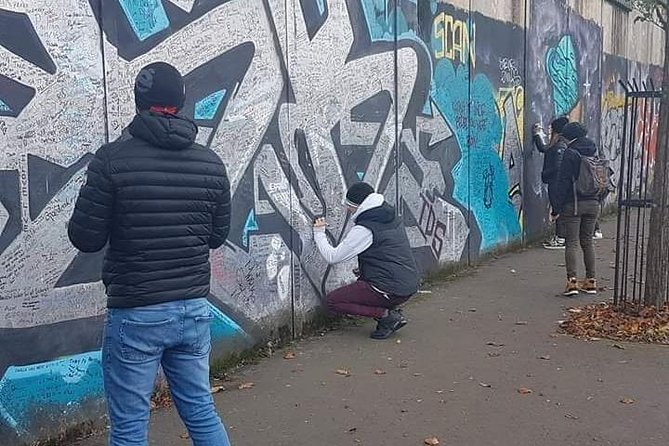
At Cupar Way, you can photograph the wall and write your name or a message of hope. The wall has also carried messages from figures such as Bill Clinton and the Dalai Lama. This small act gives you a personal connection to a place that otherwise can feel remote and abstract.
I would not mistake the name Peace Wall for proof that the division has disappeared. The barriers were built to reduce violence, and many remain in place. Some gates allow passage during the day and close at night. The tour explains this continuing reality without presenting the wall as a simple relic of the past.
One practical point is that the stop may be brief, listed at about five to ten minutes. If writing a message and taking photos matters to you, tell your guide early. One guide, Barry, is specifically noted for making time for visitors to write their names, while another visitor wanted more time at the wall. This is a good example of where a private tour can sometimes adjust to your interests, though the overall route still has a schedule.
Clonard Monastery and the edge of two communities
Clonard Monastery sits in an area that has long been associated with the boundary between communities. The tour points out the monastery and its position in what was once described as no-man’s land.
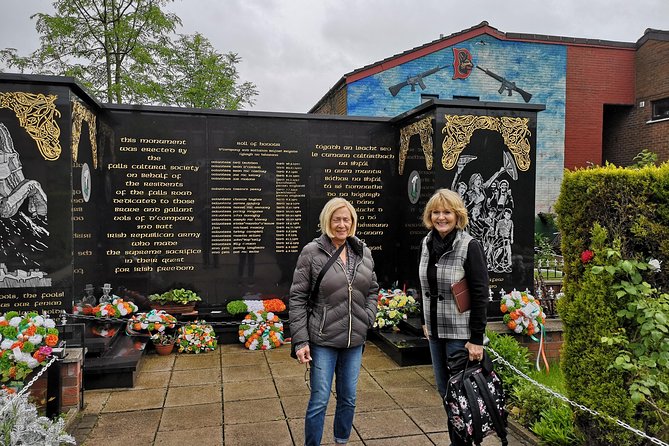
The nearby Clonard Martyrs Memorial Garden on Bombay Street focuses on fallen members of IRA C Company, civilian casualties from Greater Clonard, and Republican prisoners who died between 1916 and 1970. It was commissioned by the Greater Clonard Ex-Prisoners’ Association and unveiled in 2000, with additional plaques added in 2001.
This stop requires care and respect. The garden is a memorial, not a neutral museum display. Your guide’s job is to explain who is remembered and how the memorial fits into local memory. You may not agree with every political message you see, but understanding why a community honors particular people is central to understanding Belfast.
The tour also includes a Garden of Remembrance associated with the IRA Belfast Brigade D Company. Seeing several memorials in different areas helps you compare how each side remembers loss. That comparison is one of the strongest reasons to choose this tour rather than a general city drive.
Same city, a very different afternoon:
- Game of Thrones and Giant’s Causeway Full-Day Tour from Belfast
★ 5.0 · 2,291 reviews - Private Black Taxi Belfast City Tour
★ 5.0 · 2,188 reviews - City Sightseeing Belfast Hop-On Hop-Off Bus Tour
★ 4.5 · 2,012 reviews - Giants Causeway & Castles Tour from Belfast: Guided tour
★ 5.0 · 1,432 reviews
Shankill Road, King Billy, and Loyalist memory
The taxi then crosses to Shankill Road, the main Loyalist area on the route. Here you see murals linked to the Ulster Defence Association and Ulster Volunteer Force, as well as images of William of Orange, often called King Billy, and the Battle of the Boyne.
Loyalist murals are not limited to paramilitary themes. You may also see references to the Battle of the Somme and the 36th Ulster Division. These images connect modern Unionist identity to older ideas of Britishness, military service, and Protestant tradition.
The Bayardo Bar attack is also explained on the Shankill side. On August 13, 1975, a Provisional IRA unit attacked the pub on Aberdeen Street with a bomb and gunfire. Four Protestant civilians and one UVF member were killed, and more than 50 people were injured. Your guide places the event within the pattern of attacks and reprisals that made ordinary streets dangerous.
The Bayardo Memorial Garden gives the story a physical location. You can visit the memorial, take photographs, and hear how the attack is remembered in the Loyalist community. This is a valuable counterweight to a tour that begins with Republican memorials. It also shows why a guide who presents only one side would leave you with a distorted picture.
Saint Peter’s Cathedral and Divis Street
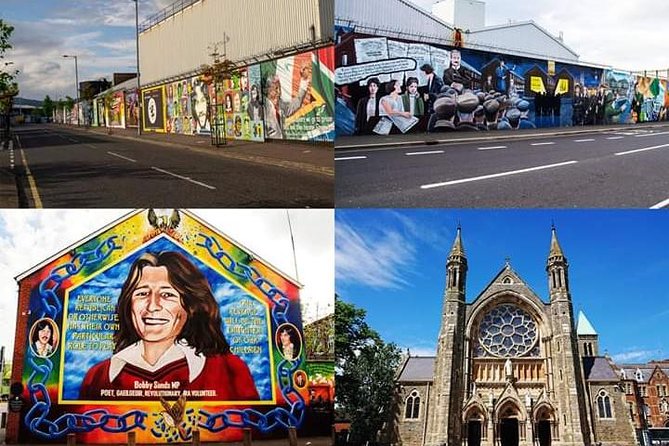
Saint Peter’s Cathedral sits in the Divis Street area near Falls Road. Construction began in the 1860s, and the Roman Catholic cathedral remains the episcopal seat of the Bishop of Down and Connor.
The cathedral is not simply a religious stop. Its location helps explain the geography of the Republican district and the way religious identity became tied to politics and neighborhood boundaries. The tour may not offer a long interior visit, but seeing the cathedral in its setting adds useful context to the murals and memorials around it.
Divis Street also brings you back to some of Belfast’s best-known Republican murals. From here, you can see how the street art, peace walls, memorial gardens, and housing areas fit together. The route becomes more than a collection of famous images. You begin to see how history is built into the streetscape.
Bullets, armed murals, and difficult evidence
The tour includes a stop near 56 Sherbrook Close to photograph armed Loyalist murals. It also offers the chance to see and handle real plastic and rubber bullets used by British Crown forces.
That detail can be powerful, but it should be approached with respect. Objects connected to crowd control and conflict can seem small and ordinary until you understand how they were used. Your guide can explain their place in the story, while the surrounding murals show how violence was represented by the communities involved.
The stops at memorials, murals, and sites connected with shootings are not designed for a quick, cheerful photo album. I would avoid booking this tour if your group wants only light sightseeing. Families with older teenagers may find it useful, but the material and some displays may be too graphic for young children.
Divis Tower and the Welcome Wall
Near the end, the route returns to the Bobby Sands area, including the Welcome Wall and Divis Tower. The tower is linked to the memory of a British Army sniper position, making it another reminder that these streets were once active zones of conflict rather than ordinary sightseeing stops.
The Bobby Sands mural appears more than once in the route because it is such an important marker of Belfast’s Republican identity. Repetition can feel unnecessary if you are expecting a tightly edited city tour. On the other hand, seeing the mural in relation to the surrounding streets, walls, and tower helps explain why it carries such weight.
Your guide may also point out where the IRA held influence and explain how the neighborhood changed after the Good Friday Agreement. The conflict ended as an organized campaign of violence, but the physical and emotional divisions did not vanish overnight. That is one of the clearest lessons of this tour.
Guides, questions, and the personal side of the story
The guides named for this experience include Paula, Barry, Billy, Joe, Neil, and Lorraine. Their approach can vary, but the strongest feature is the local perspective. Several are described as having grown up during The Troubles, and the tour gives you room to ask direct questions.
Paula is repeatedly described as calm, informative, professional, and able to add humor without making light of the subject. Barry is known for an energetic style and strong command of Belfast history. Billy brings personal memories of growing up during the conflict, while Joe is noted for welcoming questions. Neil is described as flexible about stopping for photos, and Lorraine also offers local suggestions for food and drink.
Those personal styles matter. A good guide can explain competing viewpoints without pretending that every memory is identical. You should still listen critically, since any account of a contested past reflects the speaker’s experience. The value lies in hearing local context and then comparing it with museums, books, and other perspectives.
Price, private transport, and what you receive
The listed price is $90.98 per person. That is not the cheapest way to see Belfast’s murals, but it includes a private taxi, an air-conditioned vehicle, a local driver-guide, and a route through neighborhoods that can be difficult to interpret on your own.
The value improves for a small group because the price buys private time rather than a seat on a large coach. Your group can ask questions, pause for photos, and discuss what you are seeing without keeping a busload of people moving. The tour also saves you the effort of planning a route across Falls Road, Divis Street, Clonard, Shankill Road, and Cupar Way.
Free pickup and return are available at the Leonardo Hotel Belfast in the city center. Hotel or Airbnb pickup within Belfast city center can be requested, but extra charges may apply. Pickup or drop-off at the Titanic Museum, Crumlin Road Gaol, or Lanyon Train Station costs an additional £10 in cash. Queen’s University, the Botanic Gardens, and the Ulster Museum also carry an extra £10 charge.
Cruise ship pickup costs £25, and return to the ship costs another £25, paid directly to the guide. If you are arriving by cruise, include these fees when comparing the total price with other options. A Mercedes-Benz V-Class upgrade may also be available for £20, but it is not guaranteed.
Who should book this tour?
I would choose this tour if you want Belfast’s political history explained by a local guide rather than simply photographed from a taxi window. It suits adults, couples, families with older children, and small groups who want privacy and the freedom to ask questions.
It is especially useful early in your Belfast visit. Once you understand the main identities, symbols, and neighborhood boundaries, later visits to museums or independent mural walks will make more sense.
I would choose another activity if you want architecture, food, music, or the Titanic to be the main subject. I would also think twice if anyone in your group is uncomfortable with graphic stories, paramilitary imagery, or memorials to people involved in violence.
Should you book the Official World Famous Belfast Taxi Tour?
Book it if you want a serious, direct introduction to The Troubles and the way that history still shapes Belfast. The private format, local guides, short walks, and access to both Republican and Loyalist districts give you much more context than a simple mural photo stop.
Before booking, confirm your pickup point, budget for any extra transfers, and choose a start time that leaves room for thoughtful conversation. You may not get long at every wall, but you will leave with a clearer understanding of why Belfast’s streets still carry such strong political meaning.
FAQ
How long does the Belfast taxi tour last?
The tour lasts approximately one hour and 30 minutes to two hours.
Where does the tour start?
The standard meeting point is the Leonardo Hotel Belfast on Great Victoria Street, Belfast BT1 6DY.
Is hotel pickup available?
Yes. Belfast hotel or Airbnb pickup and drop-off can be requested within Belfast city center, but extra charges may apply. Pickup and return at the Leonardo Hotel Belfast are free.
Is cruise ship pickup available?
Yes. Cruise ship pickup costs £25, and drop-off back at the ship costs another £25. These fees are paid directly to the guide.
What areas of Belfast does the tour visit?
The route includes Falls Road, Divis Street, Clonard, Shankill Road, Cupar Way, the International Wall, and several nearby memorial gardens and mural sites.
Can I get out of the taxi?
Yes. The tour includes short stops where you can leave the vehicle, take photos, examine murals, and write your name or a message on the Peace Wall.
Is the tour private?
Yes. Only your group participates in the private activity.
Can I cancel for a full refund?
Yes. You can cancel at least 24 hours before the start time for a full refund. Changes or cancellations made less than 24 hours before the start time are not accepted or refunded.
Just added in Belfast
- World Famous Belfast City Centre Black Cab/Taxi Tour 2 Hours★ 4.5 · 177 reviews
- Black Taxi Tour and Crumlin Road Gaol tour Combo★ 5.0 · 170 reviews
- The Troubles and iconic award winning taxi 2hr private cab tour★ 5.0 · 28 reviews
- Belfast Music and Street Art Small Group Guided Experience★ 4.5 · 62 reviews
- 2 hours Belfast Original Drivers The Troubles Black Taxi Tour★ 5.0 · 227 reviews
- Private Shore Excursion From Belfast Cruise Terminal★ 5.0 · 26 reviews
- Iconic Belfast Black Cab Tour★ 5.0 · 449 reviews
- Black Taxi Mural “Tour Like A Local”★ 5.0 · 125 reviews
Tours in Northern Ireland, compared.
Titanic Belfast Entrance Ticket: Titanic Visitor Experience Including SS Nomadic
Read our review →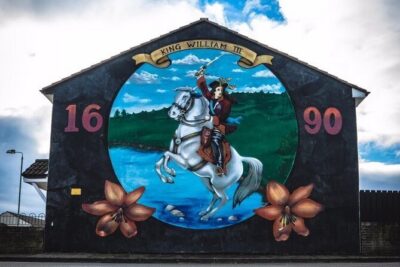
A History of Terror – Belfast City Centre Walking Tour
Read our review →
Game of Thrones and Giant’s Causeway Full-Day Tour from Belfast
Read our review →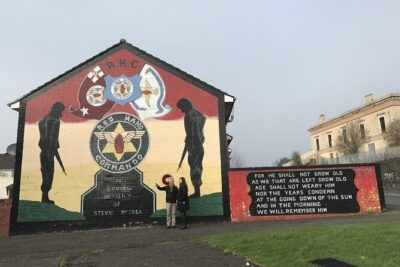
City Sightseeing Belfast Hop-On Hop-Off Bus Tour
Read our review →
Giants Causeway & Castles Tour from Belfast: Guided tour
Read our review →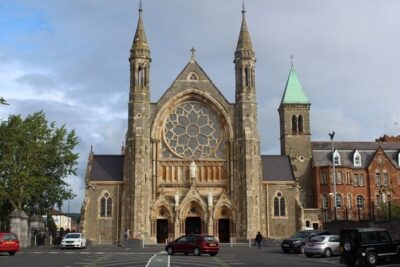
Browse the lists this tour appears in