
Reviewed · JACK THE RIPPER TOURS
London: The Original Jack the Ripper Walking Tour
Jack the Ripper’s crimes still pull you into Whitechapel because the mystery has no neat ending. This two-hour walk uses real streets, old photographs, police evidence, and competing suspect theories to take you back to 1888. Just as important, it shows you the poverty, crowded housing, and social pressures that shaped the East End.
I like the way the tour gives the victims’ stories more attention than the killer’s legend. I also like the strong local setting: Mitre Square, Brick Lane, Spitalfields, and the Ten Bells Pub are not abstract points on a map. They give the case a physical sense of place.
The main drawback is the subject matter. Graphic details and visual material are part of the experience, so this is not a good choice for young children or anyone uncomfortable with murder investigations. The walk is outdoors in all weather, and uneven public paths can make it tiring.
Key points to know before you book
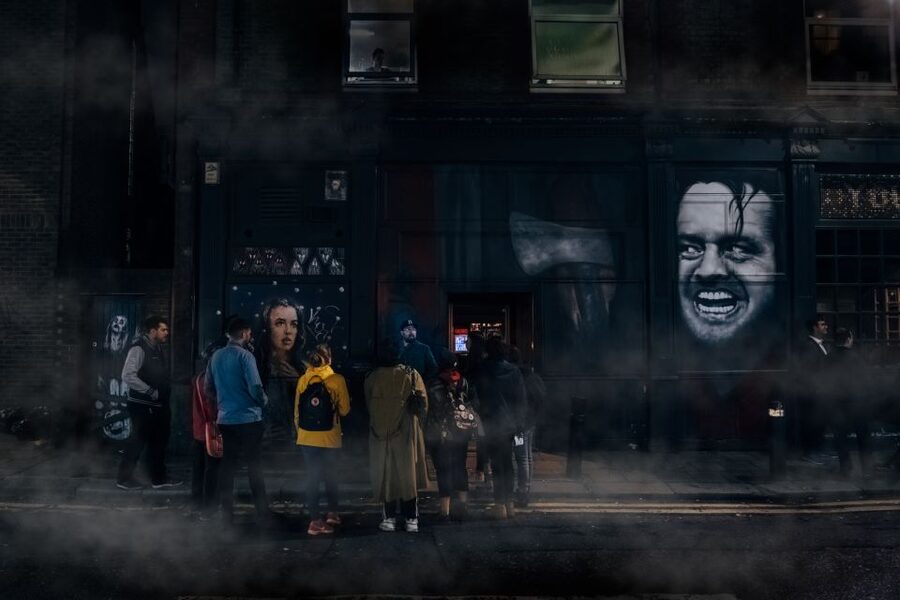
- The meeting point is easy to miss: Find the west entrance to Altab Ali Park, by the large iron arch on White Church Lane and Whitechapel High Street. Look for the blue flag.
- The route connects real case locations: You pass Christ Church Spitalfields, Old Spitalfields Market, Mitre Square, Brick Lane, Petticoat Lane, and the Ten Bells Pub.
- The best guides make the mystery secondary: Guides such as Martin Cheng, Nic, Ivan, Bettina, Anna, Gabby, and Marisol have been praised for clear storytelling, humor, and careful attention to the victims.
- Expect graphic content: The tour includes disturbing details and visual material, with an emphasis on what is documented rather than what is merely legend.
- It is a solid two-hour value: At $25 per person, you get a guide-led walk through a historic part of London without extra food or drink costs.
- You need weather-ready clothing: Wear comfortable shoes and bring layers or rain protection because the entire activity takes place outside.
Starting at Altab Ali Park and Whitechapel
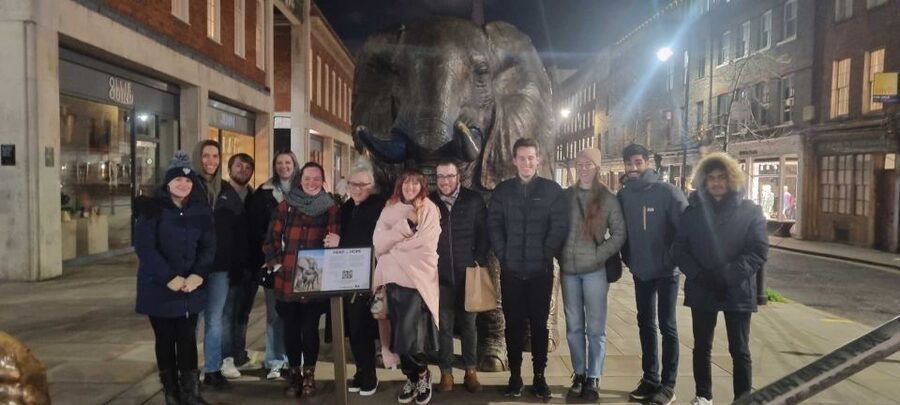
Your meeting point is the west entrance to Altab Ali Park, beside the large iron arch at the corner of White Church Lane and Whitechapel High Street. The closest Underground station is Aldgate East. Give yourself enough time to find the arch, since the park is small and the surrounding streets can feel busy and confusing.
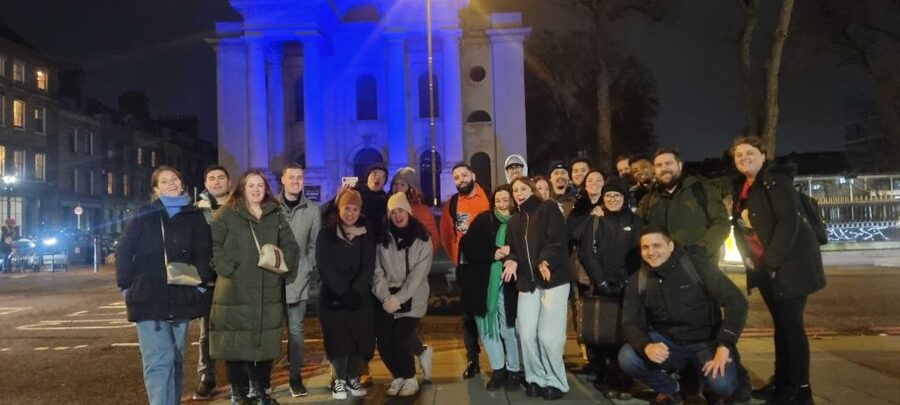
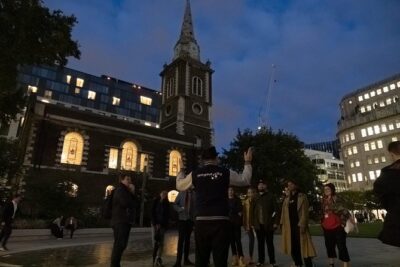
A guide carrying a blue flag should meet you there. This simple marker matters, especially if several groups are gathering nearby. Once the group is together, the guide sets the scene: Whitechapel in the late 19th century, a poor East End district shaped by overcrowding, hard work, limited public services, and sharp class divisions.
That background is one of the tour’s strongest features. You are not simply following a murderer from one location to another. You are learning why Whitechapel became such a powerful setting in the public imagination, and why the investigation drew so much attention in Victorian London.
The guide also places the crimes within the wider culture of the period. One useful thread is the connection between Victorian fears, crime reporting, and fictional figures such as Sherlock Holmes. The tour explains the cultural setting that helped make detective stories so popular, rather than treating Holmes as if he belonged to the same real investigation.
More Walking Tours in London:
- Magical London: Harry Potter Guided Walking Tour
★ 4.7 · 22,044 reviews - Tour for Muggles The Ultimate Harry Potter Walking Tour in London
★ 5.0 · 4,684 reviews - London Jack The Ripper Guided Walking Tour
★ 5.0 · 3,131 reviews
Christ Church Spitalfields and Old Spitalfields Market
Christ Church Spitalfields is passed rather than entered. Its large presence helps you picture the social and religious divisions of the area. The tour does not promise an interior visit, so think of this stop as part of the street setting, not a separate church tour.
Old Spitalfields Market is also passed along the route. Today it is one of East London’s best-known shopping and food areas, but its presence helps show how the district has changed. The contrast between a polished modern market and the harsher Whitechapel described by the guide gives the walk useful perspective.
I appreciate these passing stops because they keep the pace moving. You get local landmarks without losing the central thread of the case. On the other hand, you should not book this expecting extended sightseeing time at each location. The tour is a walking narrative, not a series of long building visits.
This part of the route is also where a good guide can make the difference. Guides including Bettina, Martin Cheng, and Gabby have been praised for answering questions and adding wider London detail. The strongest approach is to treat the guide as a storyteller and interpreter, not just someone reciting dates.
Mitre Square and the evidence trail
Mitre Square is one of the key crime locations on the route. Here, the investigation becomes more concrete. You hear where evidence was discovered, what the police knew, and how investigators tried to make sense of crimes committed in a crowded city with limited forensic tools.
The tour uses photographic material and encourages you to weigh the evidence yourself. You may be asked to consider suspects, motives, and the practical problems faced by investigators. The purpose is not to hand you a tidy solution. The identity of Jack the Ripper remains unresolved, and the guide explains the difference between documented facts and later speculation.
That distinction is especially valuable. The story has attracted generations of exaggerated claims, recycled myths, and dramatic theories. A careful guide focuses on what can be supported and moves quickly past claims that cannot.
Some guides use questions and group discussion to keep the walk active. This can be fun when you already know a little about the case. If you know nothing, you may occasionally need the guide to explain an answer rather than wait for the group to guess it. The tour works best when you treat the questions as prompts, not as a test.
Brick Lane and the changing East End
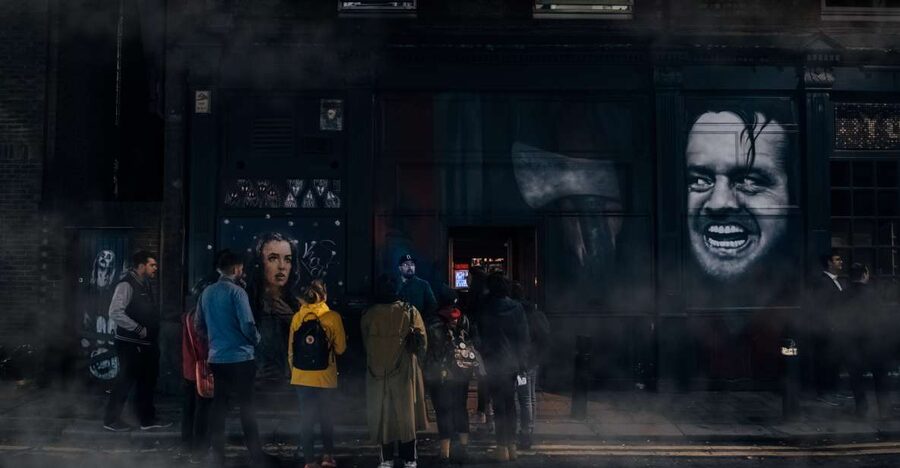
Brick Lane adds a useful modern reference point. It is one of East London’s most recognizable streets, and the route uses it to connect the historic case with the living neighborhood around it.
The area is now known for food, shops, and street activity, but the tour’s focus remains the Victorian East End. You learn about ordinary life in Whitechapel, including the poverty and insecurity that affected the victims and their neighbors. This keeps the walk from becoming a simple hunt for spooky corners.
I like this part because it reminds you that the streets are not frozen crime-set pieces. People live, work, shop, and meet here today. The guide’s task is to explain the past without pretending that modern Brick Lane is unchanged since 1888.
The amount of atmosphere you get depends partly on the guide and the time of day. Several guides, including Nic, Ivan, and Marisol, have been praised for making the setting vivid without turning the victims into a cheap spectacle. That balance matters. The crimes are disturbing enough without theatrical exaggeration.
Other dark-history walks in London:
- London Jack the Ripper Guided Tour with Ripper-Vision
★ 4.5 · 4,840 reviews - London: Jack the Ripper Small Group Tour
★ 4.7 · 3,159 reviews - German Language : Original Jack the Ripper Tour
★ 4.6 · 1,805 reviews - London: Jack the Ripper Walking Tour – Ripper Vision Tours
★ 4.5 · 1,752 reviews
Petticoat Lane and the victims behind the legend
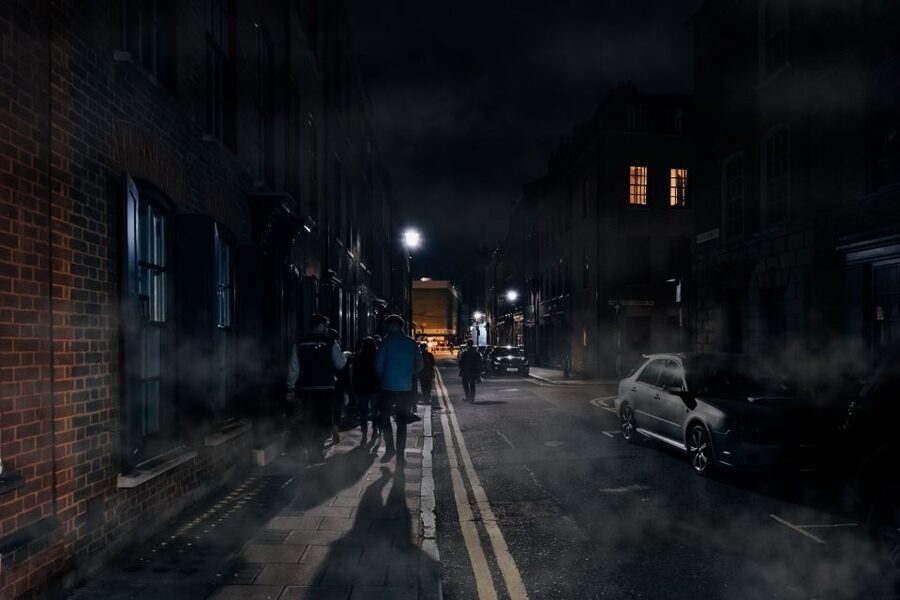
Petticoat Lane is another route stop, and it helps broaden the story beyond the famous name of Jack the Ripper. The guide discusses the victims, their circumstances, and the difficult conditions faced by many women in Victorian London.
This is where the tour gains moral weight. The killer’s nickname is memorable, but the women who died were real people. A respectful presentation gives you more than the usual list of dates and injuries. It shows why their lives deserve attention in their own right.
The visual material can be graphic. You should take the warning seriously, particularly if you are bringing older teenagers. Children under 12 are not suitable for the activity, and anyone under 18 must be with an adult.
The route has no stairs or major climbs, but public paths vary in condition. It is wheelchair accessible, yet people with limited mobility should still be aware of uneven surfaces and the fact that the whole walk takes place outdoors. Comfortable shoes are not optional if you want to stay focused.
The Ten Bells Pub and the final theories
The tour finishes at the Ten Bells Pub in Spitalfields. The pub is closely tied to the Ripper story and makes a fitting final location for the guide’s closing discussion.
Do not expect the ending to reveal a proven killer. Instead, the guide reviews the leading theories and asks how close the police might have come to identifying or catching the murderer. You also hear where evidence was found and why the case remained so difficult to solve.
The final talk is often the part that pulls the separate pieces together. One guide may emphasize suspects, another may focus on police work, and another may spend more time on the victims or wider Victorian society. The exact style varies, but the structure gives the walk a clear finish rather than simply ending on a street corner.
The Ten Bells is also a practical place to end because food and drinks are not included in the tour. If you want a drink afterward, you can make your own plans there, but the activity price covers only the two-hour walk and guide.
The guides and how much they shape the experience

This is a guide-led experience, so the quality of the presentation matters a great deal. The available guides include Martin Cheng, Nic, Ivan, Bettina, Anna, Gabby, Jack, Marisol, Christophe, Marc, and others. You cannot assume which person will lead your departure, but the range of strong guide feedback is encouraging.
The most praised qualities are clear delivery, accurate case details, humor used with care, and the ability to keep a group involved. Martin Cheng has been noted for his atmospheric presentation and strong command of the victims, suspects, and key figures. Nic has been praised for storytelling that makes two hours pass quickly. Ivan is often described as friendly, engaging, and careful about correcting old myths.
You may also encounter a guide who dresses up slightly or adds a few light jokes. That can help create a period mood, but the best presentations do not rely on costumes or shock. They let the evidence and the streets carry the weight.
Language options include English, Spanish, Italian, French, and German. Since the guide’s style can vary by language and departure, choose the option in which you can follow detailed explanations most comfortably.
Is $25 a fair price for two hours?
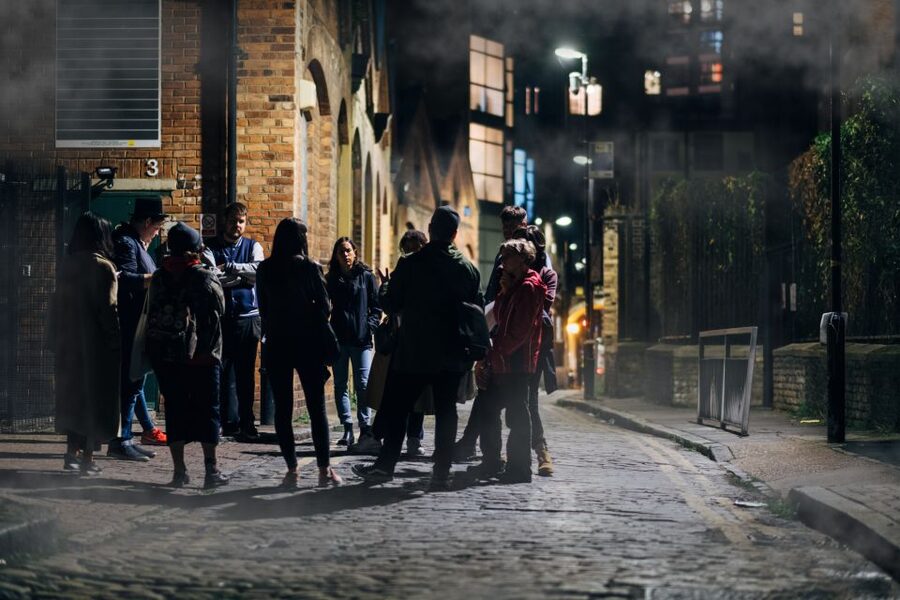
At $25 per person, this is good value if you want a focused history walk rather than a general East London tour. You receive two hours with a dedicated guide, access to the story behind several real locations, and a useful introduction to Victorian London.
The value is not in the number of attractions. Most of the listed landmarks are passed rather than visited inside. You are paying for the guide’s interpretation, the route, the evidence, and the connection between the places.
That price does not include food or drinks. It also does not cover an indoor attraction or transport. Still, compared with a short museum visit or a standard sightseeing walk, the tour offers a clear subject and a strong sense of place.
The schedule varies, so check the available starting times when booking. Free cancellation is available up to 24 hours before the activity, and you can reserve now and pay later. Those options help if your London plans are still shifting.
Who will enjoy this Whitechapel walk?
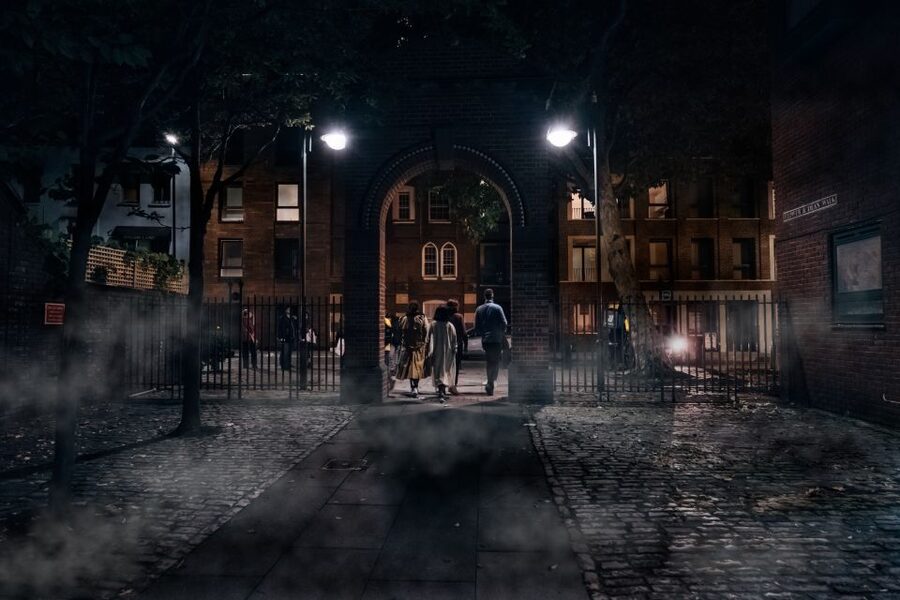
This tour suits you if you enjoy true crime, detective stories, Victorian social history, or guided walks with a puzzle at the center. It works well for couples, families with older teenagers, and visitors who want to see streets beyond the usual Westminster route.
It is also a good choice if you know very little about Jack the Ripper. The guide supplies the context, explains the suspects, and separates fact from rumor. If you already know the case well, you may still learn something from the local setting, victim-focused approach, and competing interpretations.
You should skip it if graphic crime details will spoil your evening. You should also think twice if you want a quiet sightseeing walk, an indoor activity, or a tour with long stops inside major landmarks.
Bring comfortable shoes and weather-appropriate clothing. Cold, rain, traffic noise, and uneven pavements can affect the experience, even when the guide is excellent.
Should you book this tour?
I would book it if you want a carefully guided introduction to Jack the Ripper and the East End streets linked to the case. The strongest reason to go is not the promise of solving the mystery. It is the chance to understand the victims, the investigation, and the Victorian city that allowed so many rumors to grow.
At $25, the walk offers a good evening activity and a useful look at a part of London you might otherwise pass through without understanding. Just keep the graphic content and outdoor conditions in mind. For true crime fans and curious first-time visitors, this is a well-priced, focused walk with enough history to make the mystery feel human.
FAQ
Where does the Jack the Ripper tour start?
It starts at the west entrance to Altab Ali Park, beside the large iron arch at the corner of White Church Lane and Whitechapel High Street.
Which Underground station is closest to the meeting point?
Aldgate East Station is the nearest Underground station.
How will I identify the guide?
The guide will be holding a blue flag.
How long does the tour last?
The walking tour lasts two hours, although the exact starting time depends on availability.
Where does the tour finish?
It finishes at the Ten Bells Pub in Spitalfields.
Which places are included on the route?
The route includes or passes Brick Lane, Christ Church Spitalfields, Old Spitalfields Market, Mitre Square, Petticoat Lane, and the Ten Bells Pub.
Is the tour suitable for children?
Children under 12 are not suitable for this activity. Anyone under 18 must be accompanied by an adult because the tour contains graphic details and visual content.
Is the tour wheelchair accessible?
The activity is wheelchair accessible. It has no stairs or many inclines, but public paths have varying conditions, so people with limited mobility should take that into account.
What languages are available?
The tour is available in English, Spanish, Italian, French, and German.
Just added in London
- James Bond Shooting Locations 2-Hour Walking Tour of London★ 4.7 · 332 reviews
- Camden Pub Crawl in London★ 5.0 · 238 reviews
- Eating London: Twilight Soho VIP Food & Drinks Tour★ 5.0 · 590 reviews
- Heathrow Airport to Central London Private Transfers★ 4.5 · 402 reviews
- London Pub Crawl★ 5.0 · 247 reviews
- Highlights of Royal London Bike Tour including Hyde Park★ 5.0 · 543 reviews
- Shared Arrival Transfer London Airport to Hotel Accommodation★ 4.0 · 446 reviews
- Sherlock: The Official Live Game★ 4.5 · 460 reviews
Jack the Ripper Tours, compared.
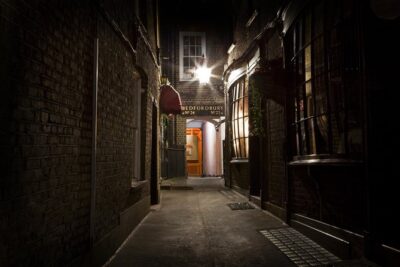
London Jack the Ripper Guided Tour with Ripper-Vision
Read our review →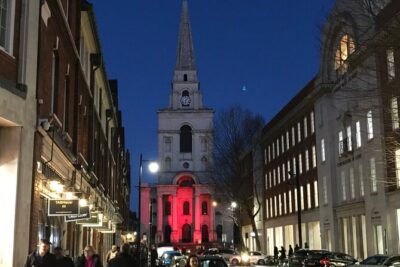
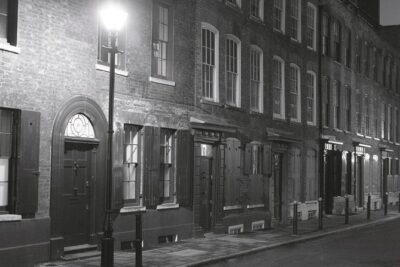

German Language : Original Jack the Ripper Tour
Read our review →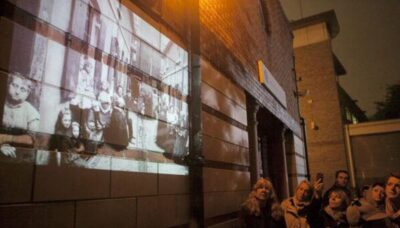
Jack the Ripper Walking Tour – Ripper Vision Tours
Read our review →
Ultimate Jack the Ripper : Guided Tour of London
Read our review →
Browse the lists this tour appears in