
Reviewed · BEATLES TOURS
London: Beatles In My Life Walking Tour with Richard Porter
The best part of this Beatles walking tour is the way it links famous songs and films to ordinary London streets. You start at Marylebone Station, hear about homes, marriages, friendships, and recording sessions, then finish at the Abbey Road crossing. I like the strong sense of place, and I like that the tour includes stories about Jimi Hendrix as well as the Fab Four. The main drawback is pace: two hours covers a lot, and a group of around 20 can be hard to keep together on crowded streets and the Tube.
I also like the guides’ personal approach. Richard Porter, author of Guide to the Beatles London, is known for lively storytelling, photographs, humor, and a seemingly endless supply of facts. Other departures may be led by Ian, Andrew, Ollie, Adam, or Alan, so the style can vary, but the focus stays firmly on London as the Beatles knew it. Bring good shoes, expect rain or shine, and remember that you pay separately for the short Tube trip to St John’s Wood.
Key points at a glance
- Finish at Abbey Road: Save the famous zebra crossing for the end, when the Beatles story has some context behind it.
- Start at Marylebone Station: The meeting point is outside the main archway entrance, where the guide carries Beatles leaflets and a Beatles bag.
- See more than recording studios: The route covers former homes, marriage locations, social spots, and places tied to Lennon, McCartney, Starr, and Hendrix.
- Re-create A Hard Day’s Night: The opening film sequence becomes a playful walking exercise rather than just a story told from a pavement.
- Hear the personal details: Paul McCartney’s demos, John and Yoko’s album photograph, and the writing of I Want to Hold Your Hand give the tour its human scale.
- Plan for a city walk: Comfortable shoes are essential, large bags are not allowed, and the route is not suitable for wheelchair users.
Why this Beatles walk works better than a photo stop
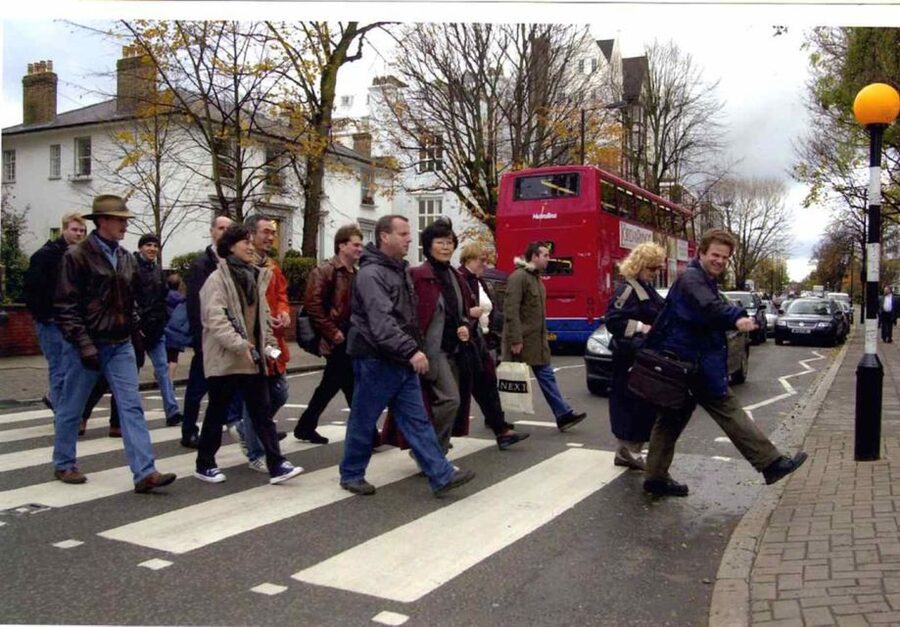
A quick visit to Abbey Road gives you one famous crossing and a busy line of people waiting for the same photograph. This tour gives you the story before you get there. By the time you reach the studio and crossing, you have heard how London shaped the band’s daily lives, work, and public image.
That order matters. Abbey Road is fun, but the crossing itself takes only a few minutes. The walking route fills in the missing pieces: where the musicians lived, where they spent time, where songs took shape, and how the Beatles became part of Swinging London.
I especially like the mix of major and minor details. You get the obvious landmarks, but also the apartment where Ringo Starr lived with his first wife, the house linked to Paul McCartney and Jane Asher, and the place where Paul dreamed the tune for Yesterday. These details make the tour feel less like a list of celebrity addresses and more like a portrait of four young musicians finding their way through the city.
The tour also reaches beyond the Beatles. Jimi Hendrix lived and wrote songs at one of the addresses, and stories about John Lennon’s bigger than Jesus interview explain how a few words could cause a major public reaction. That broader music and social context helps if you are interested in 1960s London, not just Beatles discography.
More Walking Tours in London:
- Magical London: Harry Potter Guided Walking Tour
★ 4.7 · 22,044 reviews - London: The Original Jack the Ripper Walking Tour
★ 4.7 · 7,833 reviews - Tour for Muggles The Ultimate Harry Potter Walking Tour in London
★ 5.0 · 4,684 reviews
Marylebone Station and the first London connections
The meeting point is outside the main archway entrance of Marylebone Station. Look for a guide carrying Beatles walks leaflets and a Beatles bag, and wearing a Beatles shirt or hat. Arrive with enough time to identify the group, since the station area can be busy and the walk begins on foot.
The opening stretch sets the tone. You are not simply shown a building and given a date. The guide explains who lived where, which relationships mattered, and how the Beatles’ personal lives overlapped with their music. You may also see locations connected with marriages involving the group, including places where two Beatles married and where one Beatle married twice.
That material is useful because it shows the band away from the stage. Their London story includes partners, apartments, friendships, and domestic routines. You get a better feel for the people behind the records, even when a building has changed or looks unremarkable today.
Richard Porter’s background adds weight to this part of the walk. He wrote Guide to the Beatles London, and his presentation often includes photographs to show how places looked in the 1960s. Guides such as Ian, Andrew, Ollie, Adam, and Alan have also led departures, with the same route gaining a slightly different voice depending on who takes the group.
Re-creating A Hard Day’s Night
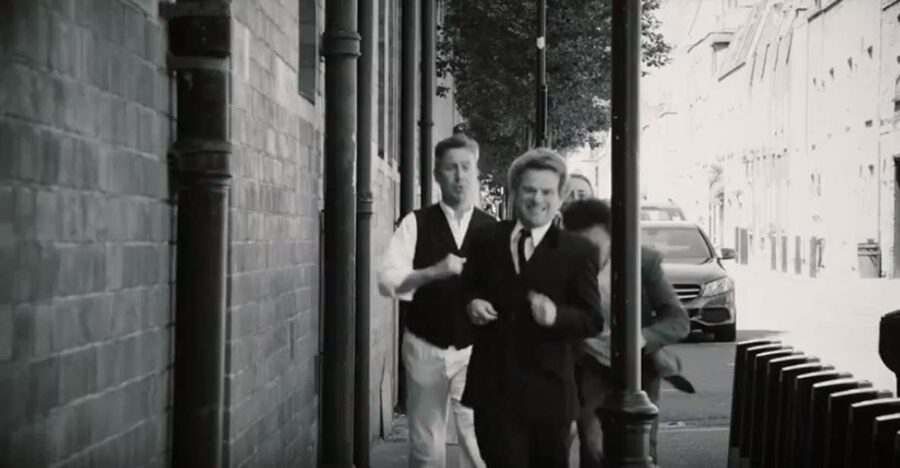
One of the more playful sections asks you to re-create the opening scenes of A Hard Day’s Night. This gives the walk a break from addresses and dates. You are not just listening to film history. You are using the street as a small stage.
The appeal depends on your mood. A committed Beatles fan will likely enjoy the chance to act out a familiar sequence, while a visitor looking for a quiet architectural tour may find it a little theatrical. I think it works because the film is so closely tied to London movement, youthful energy, and the band’s public character.
The activity also helps younger participants stay involved. An 11-year-old joined one departure and remained engaged through the full experience, while a 17-year-old with little previous Beatles interest was drawn in by the stories and presentation. That makes this a good pick for a mixed-age family, provided everyone is happy with a walking tour rather than a museum visit.
Homes, marriages, and the private Beatles
The most rewarding stops are often the places that do not look like attractions. The tour points out where Ringo Starr, John Lennon, and Jimi Hendrix lived, along with other addresses tied to the band’s private lives.
At Ringo’s former apartment, you hear about the period when he lived there with his first wife. At another address, Paul McCartney recorded demos. The Jimi Hendrix connection adds another layer, since the same building is linked with his songwriting and life in London. These stories widen the route from Beatles sightseeing into a look at the musicians who made the city a center of popular music.
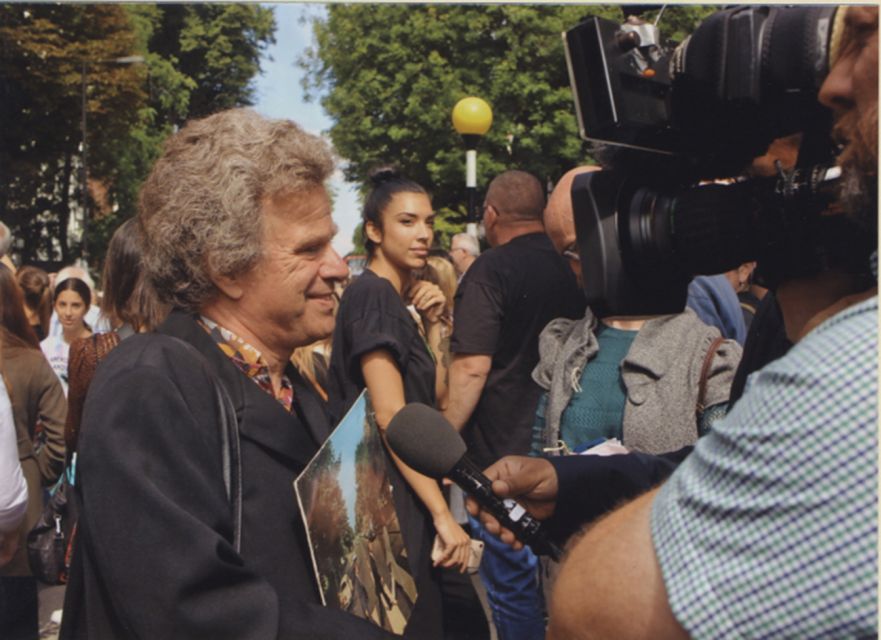
The John and Yoko story is also handled through a specific location: the apartment where their naked album cover photograph was taken. That stop brings up the couple’s public image, artistic choices, and willingness to challenge expectations. It is a good example of how the tour connects a physical room with a cultural moment.
You also visit the house where Paul McCartney lived with Jane Asher. This address is tied to the writing of I Want to Hold Your Hand and to Paul dreaming the melody of Yesterday. For me, these are the details that justify the walking format. A recording can feel timeless and abstract. A house, street, or apartment makes the creative process feel closer and more human.
Other music history in London:
- London: Beatles and Abbey Road Tour with Richard Porter
★ 4.6 · 543 reviews - A Ticket to Ride: Beatles in London Tour
★ 4.6 · 272 reviews - Liverpool and The Beatles Day Tour from London
★ 4.4 · 157 reviews - The Beatles London Walking Tour
★ 4.2 · 147 reviews
Lennon’s bigger than Jesus interview
The discussion of John Lennon’s bigger than Jesus interview is one of the tour’s strongest historical sections. It shows how the Beatles’ fame had moved beyond music and into questions of religion, celebrity, and public responsibility.
The point is not simply to repeat a controversial line. The guide explains the impact it had and why the remark caused such a forceful response. That context matters, particularly if you know the Beatles mainly through their songs and films.
Richard’s approach includes side stories and personal recollections about his long interest in the band. This can make the talk vivid, but it can also stretch the timing. One departure included so many extra anecdotes that a participant felt the guide wandered a little. If you prefer a tightly edited route with no detours, keep that in mind. If you enjoy stories that branch into wider music history, the extra material may be part of the fun.
From Paul’s songwriting to Hey Jude
The route also explores the creative work behind the records. You hear about Paul’s demos and the house connected with I Want to Hold Your Hand and Yesterday. These are not studio exhibits, so the value comes from the explanation and the guide’s ability to connect the location with the song.
The tour then points out the studio where the Beatles recorded Hey Jude. You will see the exterior rather than enter a working recording session, but the stop carries real weight for fans. It links the familiar song to a specific London place and gives you a strong photo opportunity.
Photographs shown by the guide can help here. They provide a visual comparison between past and present, especially when a building has been altered or the street looks ordinary. Good photos also help a group understand what happened at a stop without needing everyone to crowd around a small plaque.
The short Tube trip to St John’s Wood
The route includes a short Tube journey to St John’s Wood for Abbey Road. The fare is not included, so keep an Oyster card, contactless payment method, or suitable ticket ready. The Tube segment is brief, but it adds a practical city component to the tour and helps connect the central London addresses with the final studio stop.
Group management matters here. One departure had about 20 people, which made it harder to stay together on crowded pavements and trains. Traffic noise can also make the guide difficult to hear at times. Richard and the other guides generally keep the pace manageable, but you should stay close, listen for instructions, and avoid lingering too far behind for photographs.
This is not a private tour. If you want long pauses at every address, you may feel rushed. The benefit of a group is the low price and lively shared energy. The cost is less control over the timing and occasional difficulty hearing every word.
Abbey Road Studios and the famous crossing
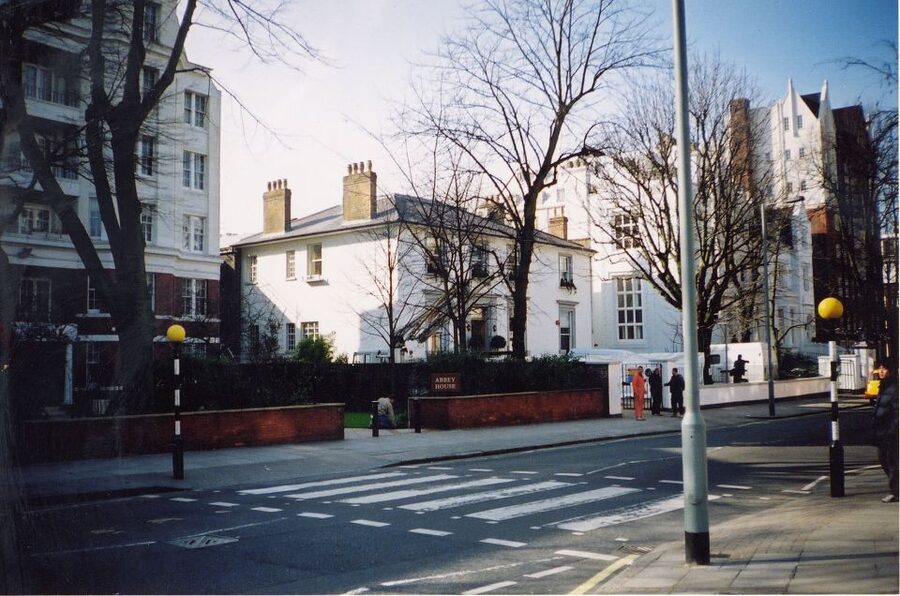
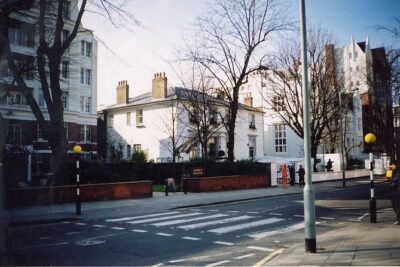
The final section takes you to Abbey Road Studios and the zebra crossing. This is the natural climax of the walk, and saving it for last is wise. You have already heard about the Beatles’ London lives, so the familiar image now has more meaning.
The crossing remains a working public road, not a controlled attraction. You may need to wait for traffic and other people taking photographs. Take your turn, keep aware of vehicles, and do not expect a long, private photo session.
Abbey Road Studios itself is viewed from outside. You do not go inside, but the exterior and nearby crossing provide the photo opportunities most people want. The experience ends in the Abbey Road area rather than returning you to Marylebone Station, so you need to find your own way back by bus or Tube. A guide may help you get your bearings, but plan for that final step.
Is $26 good value?
At $26 per person, this is a strong-value London tour if you want a guide who supplies the stories. The price covers two hours of guiding, the walk, the Tube connection as a tour activity, and photo opportunities. You still pay for the short Tube fare, so allow a little extra.
The value comes from access to information rather than admission tickets. You are paying for the route, the research, the photographs, and the guide’s storytelling. Richard’s long connection with Beatles history is a major reason the tour feels substantial for its price.
It is less good value if you want to enter studios, homes, or private buildings. This is an exterior walking tour. You see places connected with the Beatles and hear what happened there, but you do not get museum displays or interior access.
Who should book this walk?
I would choose it for a serious Beatles fan, a casual fan who wants more context, or a family with older children and teenagers. It works especially well early in a London visit because it introduces neighborhoods you might not otherwise visit and gets you moving through the city.
It is also a good fit for someone who enjoys music history with personal stories. You hear about homes, relationships, songwriting, films, and public controversy, not just album release dates.
I would hesitate if you dislike group walks, have trouble walking for two hours, or need step-free access. The tour is not suitable for wheelchair users, and the route includes streets, a Tube trip, and a final stop away from the starting point. Large bags and luggage are not allowed.
Wear comfortable shoes. The tour runs in rain or shine, so a light waterproof layer is sensible even though weather gear is not specifically supplied. Keep your phone ready for photographs, but stay close to the guide when the group moves between stops.
My verdict: book it for the stories, not just Abbey Road
Book this tour if you want Abbey Road to feel like part of a larger story. The crossing alone is a quick photo stop. The walk adds homes, creative spaces, film locations, marriages, controversy, and the everyday London settings that shaped the Beatles’ lives.
Richard Porter is the main draw, with his book, photographs, humor, and deep subject knowledge. Other guides, including Ian, Andrew, Ollie, Adam, and Alan, have also led engaging departures. The main cautions are group size, street noise, the amount of information packed into two hours, and the need to make your own way home from Abbey Road.
For $26, that is a fair trade. If you want a focused, story-heavy introduction to Beatles London and can manage the walking, I would book it. If you only want one photograph on the crossing, visit Abbey Road independently and save your money.
FAQ
Where does the Beatles walking tour meet?
The group meets outside the main archway entrance of Marylebone Station. The guide carries Beatles walks leaflets and a Beatles bag, and may wear a Beatles shirt or hat.
How long does the tour last?
The walking tour lasts two hours. Check the available start times when booking.
Does the tour include Abbey Road?
Yes. The route finishes at Abbey Road Studios and the famous Abbey Road crossing, where you can take photographs.
Is the Tube fare included?
No. The short Tube journey to St John’s Wood is part of the route, but you pay the fare separately.
Who leads the tour?
Richard Porter is the named tour host and author of Guide to the Beatles London. Other departures may be led by Ian, Andrew, Ollie, Adam, or Alan.
What should I bring?
Bring comfortable shoes. The tour takes place rain or shine, so weather-appropriate clothing is sensible. Large bags and luggage are not allowed.
Is the tour suitable for wheelchair users?
No. The activity is not suitable for wheelchair users.
Just added in London
- 3-Day Stonehenge*, Glastonbury, Bath & the South West Coast Tour from London★ 4.5 · 32 reviews
- Private Guided Tour of Harry Potter Locations – English/ Italian★ 5.0 · 33 reviews
- Private Tour London Highlights, entries Westminster Abbey, The Tower of London★ 5.0 · 93 reviews
- 2 Hour Walking Tour from Buckingham Palace to Big Ben★ 5.0 · 32 reviews
- 30 Major London Attractions Walking Tour With Photos★ 4.5 · 51 reviews
- 007 Shadow Of Spectre★ 5.0 · 135 reviews
- Private Guided Tour of the British Museum – Tickets Included★ 5.0 · 193 reviews
- Bath, Avebury and Lacock Village Small-Group Day Tour from London★ 4.5 · 121 reviews
Beatles Tours, compared.

City & Beatles Tour with Live Guide & Live Music
Read our review →

Private 3-Hour Guided Beatles Classic Tour of Liverpool
Read our review →

Browse the lists this tour appears in