
Reviewed · TOURS IN ENGLAND
The London Pass®: 100+ Things To Do – Includes Tower Bridge
The London Pass turns London into a giant menu of castles, cathedrals, museums, stadiums, boats, gardens, and odd little museums. The best value comes from pairing major sights such as the Tower of London, Westminster Abbey, and St. Paul’s Cathedral with included transport and smaller stops you might otherwise skip.
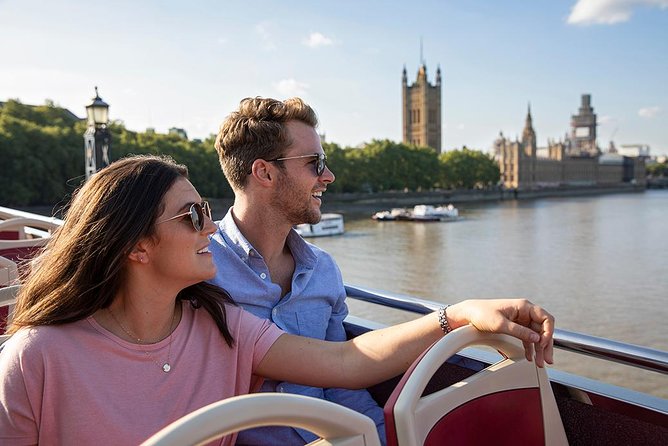
I like the freedom to build your own day, and I like the practical bonus of the Big Bus tour and Thames Clippers River Roamer. The app and maps can help you plan a sensible route, but the pass is not magic. Reservations, opening days, bus delays, and busy attractions can eat into your sightseeing time.
The London Pass is most useful for an energetic first visit, especially if you want several paid attractions each day. It is less useful if you prefer a slow pace, want only one or two major sights, or expect to stroll up to every attraction without checking booking rules.
Six useful things to know before you buy
- The Tower Bridge entry is included: Walk across the high-level glass walkways, learn how the bridge works, and see the Thames from above.
- The pass covers more than headline sights: You can choose from royal homes, art museums, sports grounds, canal trips, gardens, cinemas, and specialist collections.
- Reservations matter: The London Eye, The View from The Shard, Madame Tussauds, Kensington Palace, Hampton Court Palace, Kew Gardens, and several other activities require advance booking.
- The pass uses consecutive calendar days: A three-day pass activated on Monday runs through Wednesday, not 72 hours from the moment you first scan it.
- The best savings require planning: Three or four substantial paid visits in a day can make the pass worthwhile. Wandering into one attraction each day usually will not.
- Included transport is useful but not a private tour: Big Bus and the Thames Clippers help with orientation and movement, but routes can be delayed, diverted, or crowded.
How the London Pass actually works
You choose a duration from one, two, three, four, five, six, seven, or ten days. The pass is valid for one year from purchase, but the clock starts when you visit your first attraction. From then on, it remains active for the number of consecutive calendar days you selected.
The pass is delivered as a mobile ticket through the Go City app. A digital guide and PDF guide are also available. I would download or sync everything before leaving your hotel, then check the current attraction list, hours, and booking instructions each morning.
Each pass carries a maximum credit value based on its duration, and each attraction can be visited once. That matters if you are tempted to use the pass as a general transport card or return to the same museum on several days. It is an attraction pass, not an unlimited admission ticket.
The advertised price is $135.75 per person, though the amount can vary by duration and booking channel. Judge the value by the attractions you will actually visit, not by the headline count of 100-plus options. A day containing the Tower of London, Westminster Abbey, and Tower Bridge has a very different value from a day spent visiting one small museum.
Other tours people book in London:
- From London: Harry Potter Warner Bros Studio Tour
★ 4.7 · 26,588 reviews - Magical London: Harry Potter Guided Walking Tour
★ 4.7 · 22,044 reviews - London: Madame Tussauds London
★ 4.6 · 20,915 reviews
The big London sights: Tower, bridge, abbey, and cathedral
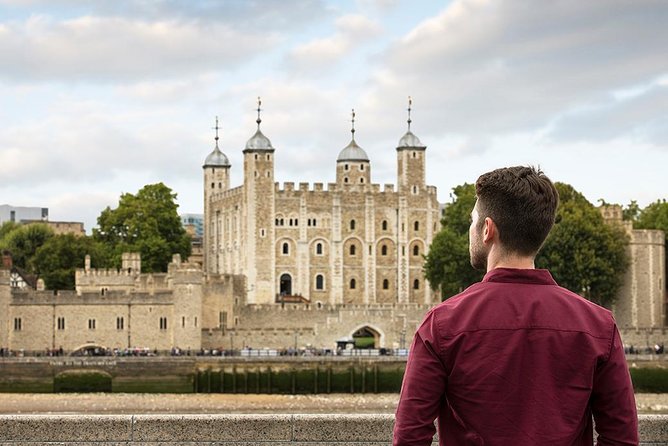
The Tower of London is one of the strongest reasons to consider the pass. Allow about two hours for its fortress walls, royal connections, prison stories, armoury displays, and the Crown Jewels. It is a substantial visit, so put it early in the day rather than trying to squeeze it in before closing.
Tower Bridge is a more compact stop, usually taking about an hour. The high-level walkways give you a clear view along the Thames, and the displays explain the bridge’s engineering and working life. It is an easy pairing with the Tower of London because the two sights are close enough to combine without wasting half the day on transport.
Westminster Abbey takes about an hour and rewards a focused visit. The Gothic church is tied to royal ceremonies, British public life, and major literary figures. Since it is a working place of worship, admission times can be affected by services, so check the day’s schedule before building your route around it.
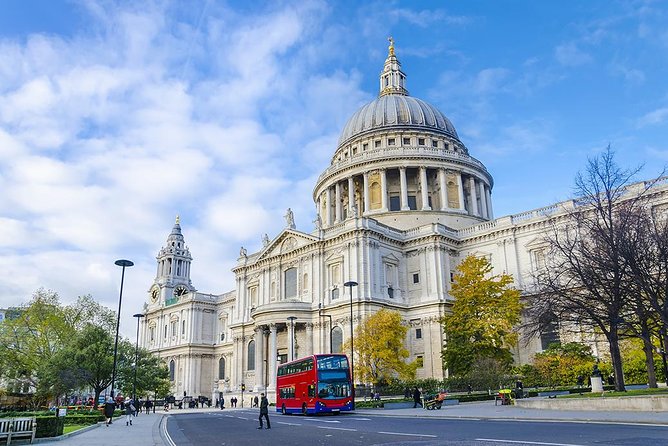
St. Paul’s Cathedral is another excellent use of the pass. Christopher Wren designed the present cathedral after the Great Fire of London, and you can expect an hour-long visit with grand architecture and a strong sense of the City’s long rebuilding story.
The Monument to the Great Fire of London offers a different kind of experience. It is a compact historical stop with city views, but the climb is the point, so it may not suit everyone. Jewel Tower, near Westminster, is another brief historical visit, focusing on a medieval royal storehouse rather than a grand palace.
London from above: The Eye and The Shard
The London Eye is a 135-metre observation wheel with 32 glass pods, each linked to one of London’s boroughs. The ride takes about 30 minutes and gives you a broad view of central London, the Thames, and the city’s modern skyline.
You must reserve a time for the London Eye. This is one of the most important planning points in the entire pass. Admission is included, but an available slot is still required. If your visit falls during a busy period, check the Go City app before activating the pass and do not assume you can walk up at the last minute.
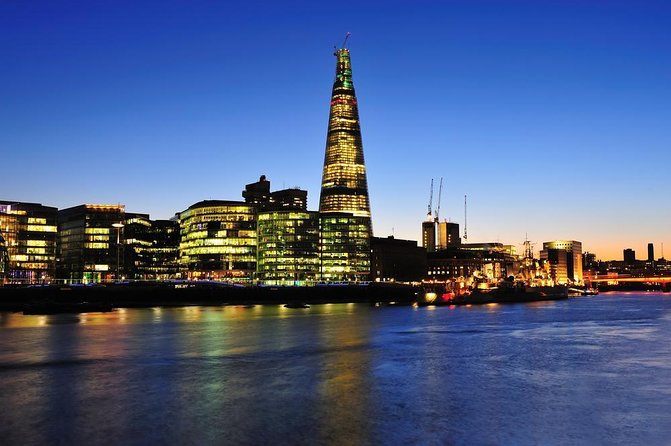
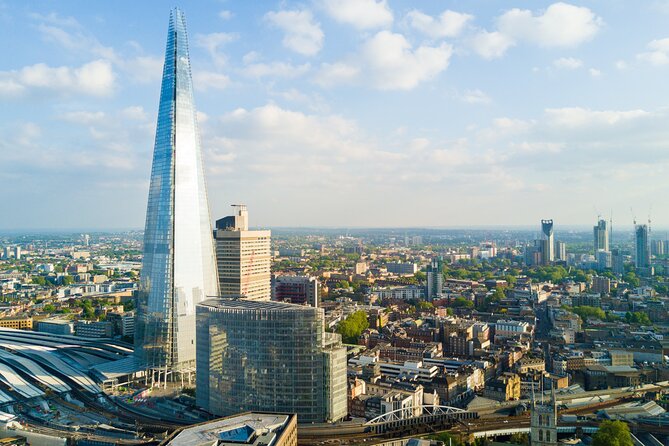
The View from The Shard gives you a different perspective, with indoor viewing areas, an open-air Skydeck on the 72nd floor, a panoramic guide, and four digital photos. Plan about two hours, including the visit and the time needed to enjoy the views.
The Shard has a stricter limitation: pass holders can book daytime visits only, with the last available booking slot listed as 5:15pm. If you want a sunset or evening visit, this pass may not fit that plan. The attraction is included, but the reservation system can make availability more important than the pass itself.
The included bus and boat options
The two-day classic Big Bus tour can be a good orientation tool on a first London visit. I like using a sightseeing bus early in a trip because it gives you a quick sense of where the major districts sit in relation to one another. You can hop off near sights and use the recorded or live commentary as a basic introduction.
Do not treat the bus as a precise taxi. Construction diversions, missing stops, long waits, traffic, and crowded buses can change your plans. A stop may be skipped without clear notice, and a bus that looks close on the map may take a long time in traffic. Keep walking or the Underground as a backup when you have a timed reservation.
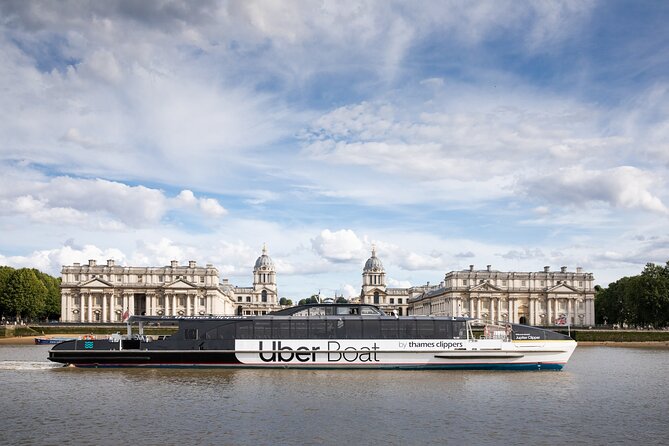
The Thames Clippers option is practical, but it is a river bus rather than a leisurely sightseeing cruise. You can redeem credits for a one-day River Roamer pass and use the service to move between piers, including Greenwich. The views are useful, and the boat can make the river part of your transportation plan, but announcements and sightseeing commentary may be limited.
Greenwich is one of the best areas to use the pass for a full day. The Royal Observatory covers Greenwich Mean Time, the Prime Meridian, and the historic home of British astronomy. Nearby, the National Maritime Museum and Cutty Sark add seafaring stories, while the Fan Museum and Ranger’s House offer smaller, more specialized visits.
Same city, a very different afternoon:
- Stonehenge, Windsor Castle, and Bath from London
★ 4.5 · 18,662 reviews - London: Warner Bros. Studio Tour with Transfers
★ 4.7 · 17,586 reviews - London: Tower Bridge Entry Ticket
★ 4.7 · 15,560 reviews - London: Westminster Abbey Entrance Ticket
★ 4.6 · 11,254 reviews
Royal residences from Kensington to Windsor

Kensington Palace takes about two hours and requires advance reservation. Its exhibitions connect royal residents with the building’s domestic spaces, gardens, and changing displays. It is a natural pairing with nearby museums, but do not count on entering at any time you please.
Hampton Court Palace deserves at least three hours. This former home of Henry VIII offers a larger, more immersive palace visit than Kensington, with enough rooms and grounds to fill much of a day. Its location outside central London means you should group it with other nearby plans rather than treating it as a quick stop between Westminster and the Tower.
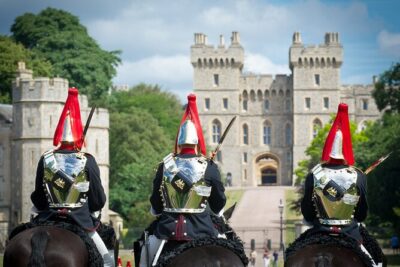
Windsor Castle also requires extra travel outside central London. Allow about two hours at the castle itself, plus your journey time. It is a strong choice if royal architecture is high on your list, but it may not pay off on a short one-day pass unless you are willing to give the castle most of the day.
The King’s Gallery at Buckingham Palace focuses on changing exhibitions from the Royal Collection. It is a good choice for art lovers, while Apsley House offers a more intimate look at the former home of the Duke of Wellington. Wellington Arch adds views toward the parks and surrounding city.
Museums that reward a slower pace
The British Museum can occupy three hours and still leave you wanting more. The pass includes entry with an audio guide arrangement, letting you explore major objects at your own speed. The museum covers two million years of human history and culture, so choose a few rooms rather than attempting the entire building in one heroic sweep.
The Natural History Museum is included with a souvenir guidebook rather than a standard full admission experience as described in the attraction details. Check the current terms carefully before counting it as one of your main paid visits.
The Science Museum offers galleries on the science shaping modern life, with an IMAX option that requires advance booking. The Postal Museum adds a different kind of story, covering communication, Mail Rail, and the Great Train Robbery. It also requires a reservation.
The London Transport Museum explains how transport shaped modern London. It is a particularly useful stop if you want context for the Underground, buses, and the city’s growth. The Charles Dickens Museum, Keats House, Benjamin Franklin House, the Foundling Museum, and the Florence Nightingale Museum offer more focused visits, usually lasting about an hour or two.
For art, consider the Guildhall Art Gallery, Estorick Collection of Modern Italian Art, Frameless, and Moco Museum London. Frameless uses music and large-scale projections to bring works by Van Gogh, Monet, Dalí, Rembrandt, and others into a sensory setting. Moco focuses on contemporary names such as Banksy, Warhol, Basquiat, Kusama, Haring, and Damien Hirst, and includes a gift bag.
Smaller museums and unusual stops
This is where the pass can encourage a more personal London. The Golden Hinde is a full-size reconstruction of Sir Francis Drake’s Elizabethan ship. The Museum of Brands follows packaging and advertising from the Victorian era to today. The Cartoon Museum covers British cartoon art from the eighteenth century onward.
The Freud Museum preserves Freud’s study, psychoanalytic couch, and collection of more than 2,000 antiquities. Chelsea Physic Garden, founded in 1673, focuses on plant research and conservation. The Garden Museum explores gardening and sits near Lambeth Palace.
The London Canal Museum and Jason’s Trip offer a quieter look at London’s waterways. Jason’s Trip uses a 108-year-old canal boat, originally built for cargo work, on Regent’s Canal. The Museum of Water and Steam adds working steam engines, a narrow-gauge railway on weekends, and family exhibits.
These smaller places are not the best choice if your only goal is maximum financial return. They are excellent, though, if you want a break from royal rooms and crowded headline attractions.
Stadiums, film connections, and family choices
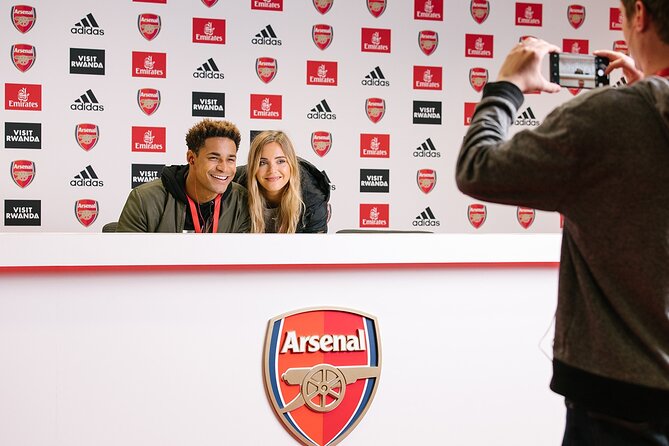
Sports fans have plenty to choose from: Emirates Stadium for Arsenal, Stamford Bridge for Chelsea, Tottenham Hotspur Stadium, Twickenham and the World Rugby Museum, and The Kia Oval for cricket. Most visits take between 90 minutes and two hours, and several require reservations.
The stadium tours are especially useful if you already follow the club. If you do not, they still offer a behind-the-scenes look at changing rooms, pitch areas, and the buildings themselves, but they may not deliver the same value as a historic sight.
Madame Tussauds takes about two hours and requires a reservation. It is built around celebrity figures, royal displays, sports stars, music, and themed rooms. Families and pop-culture fans may enjoy it, but visitors seeking old London may prefer the Tower, Abbey, or a museum.
London Zoo can fill three hours in Regent’s Park. Chessington World of Adventures is a much larger commitment, taking about four hours plus travel outside central London, and requires a reservation. QUEENS combines skating, bowling, an arcade, food, and a bar, making it a useful rainy-day option, with advance booking required.
Film and television walking tours include choices linked to Doctor Who, Harry Potter, James Bond, Sherlock, Paddington Bear, The Crown, Bridget Jones, and Downton Abbey. These tours require booking and are a good fit if a particular show is part of your London plan.
The pass price and the pace you need
At $135.75 per person, the pass can save money, but only if you use it actively. I would aim for two substantial attractions plus one shorter stop on a busy day, or three major admissions if opening times and distance line up.
A realistic high-value day might combine the Tower of London, Tower Bridge, St. Paul’s Cathedral, and a Thames ride. Another could pair Westminster Abbey, the London Eye, the King’s Gallery, and the Big Bus route. You should not attempt every major sight in one day. London traffic, queues, meals, and simple fatigue are real limits.
The pass also offers time savings at some attractions, including skip-the-line access where provided. That benefit can matter as much as the admission price, but it is not universal. A pass does not guarantee immediate entry when a timed reservation is required, and it cannot repair a closed attraction or a delayed bus.
The strongest planning tool is the Go City app. Use it to map attractions by neighborhood, check reservation requirements, and confirm opening hours. The included maps are useful, but you still need a London transport plan. The Underground and walking will often be faster than waiting for a sightseeing bus.
Who should buy the London Pass
I would consider it for a first London visit lasting at least two or three full days, especially if you want the Tower of London, Westminster Abbey, St. Paul’s, Tower Bridge, a river ride, and one or two royal or museum visits.
Families and active sightseers can do well with it because the attraction list gives you options when weather or energy changes. It also suits anyone who likes having a plan and wants to mix famous sights with small museums, gardens, sports venues, and unusual stops.
I would skip it if your London list contains only the British Museum, Buckingham Palace, and a walk through Westminster. Buying individual tickets may be cheaper and gives you more freedom. I would also be cautious with a one-day pass unless you already know the city and have reservations in place.
The pass is a tool, not an itinerary. Plan by neighborhood, reserve the time-sensitive sights first, and use the bus or river service as a bonus rather than your only transport.
Should you book it?
Book the London Pass if you want several major paid attractions and are willing to plan each day around reservations and opening hours. The Tower of London, Westminster Abbey, Tower Bridge, St. Paul’s, Thames Clippers, and the two-day Big Bus option can create solid value.
Do not buy it simply because it lists more than 100 attractions. The pass works best when you choose three or four clear targets per day, keep a backup plan, and accept that some small attractions are included for variety rather than savings. Download the pass before your first visit, check every reservation rule, and leave room for London’s traffic, rain, and the occasional bus that does not appear when promised.
FAQ
How long is the London Pass valid?
You can choose a pass lasting 1, 2, 3, 4, 5, 6, 7, or 10 days. Once activated, it remains valid for consecutive calendar days, not rolling 24-hour periods.
When does the pass activate?
The pass activates when you visit your first attraction. It is valid for up to one year from the purchase date before activation.
Is Tower Bridge included?
Yes. Tower Bridge is listed as an included attraction, with an expected visit time of about one hour.
Do I need reservations?
Yes, some activities require advance reservations. The listed examples include the London Eye, The View from The Shard, Madame Tussauds, Kensington Palace, Hampton Court Palace, Kew Gardens, the Royal Albert Hall, and several tours and museums.
Are food, drinks, and transport included?
Food and drinks are not included unless specifically stated. Transport to and from attractions is generally not included, although the pass includes specified options such as Big Bus Tours and the Thames Clippers River Roamer.
Can I visit the same attraction more than once?
No. Each included attraction can be visited once per pass.
Just added in London
- James Bond Shooting Locations 2-Hour Walking Tour of London★ 4.7 · 332 reviews
- Camden Pub Crawl in London★ 5.0 · 238 reviews
- Eating London: Twilight Soho VIP Food & Drinks Tour★ 5.0 · 590 reviews
- Heathrow Airport to Central London Private Transfers★ 4.5 · 402 reviews
- London Pub Crawl★ 5.0 · 247 reviews
- Highlights of Royal London Bike Tour including Hyde Park★ 5.0 · 543 reviews
- Shared Arrival Transfer London Airport to Hotel Accommodation★ 4.0 · 446 reviews
- Sherlock: The Official Live Game★ 4.5 · 460 reviews
Tours in England, compared.
Stonehenge, Windsor Castle, and Bath from London
Read our review →

Stonehenge, Windsor Castle and Bath with Pub Lunch in Lacock
Read our review →
Oxford University Walking Tour With University Alumni Guide
Read our review →
Tower of London and Crown Jewels Exhibition Ticket
Read our review →
Browse the lists this tour appears in