
Reviewed · CATHEDRAL AND ABBEY TOURS
Canterbury Cathedral: Entry Ticket with Audio Guide
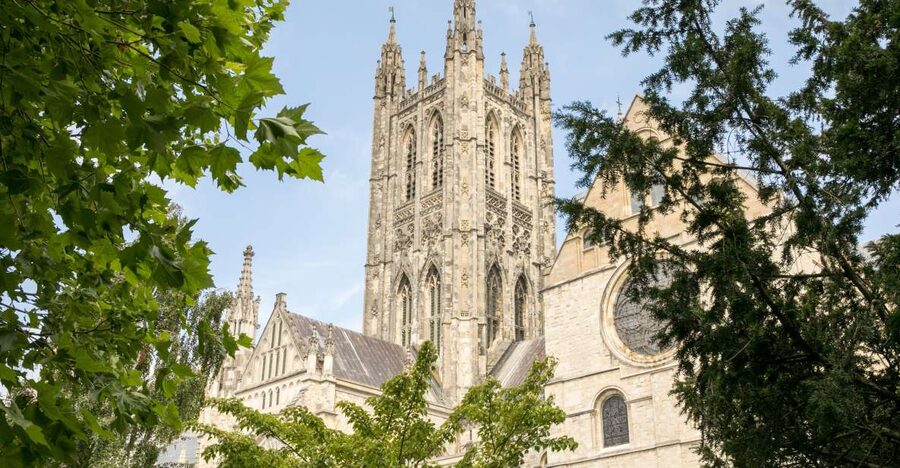
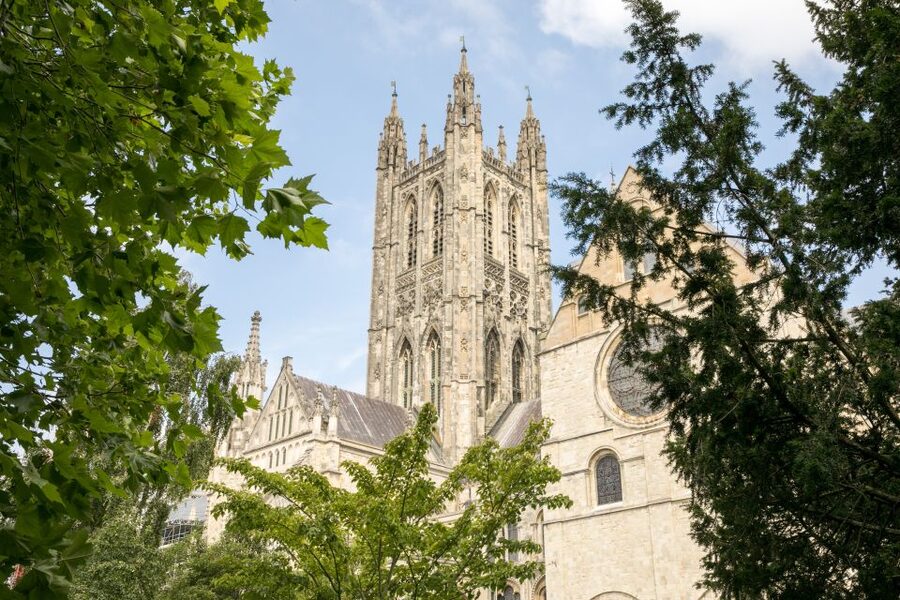
Canterbury Cathedral is not a building you simply walk into, glance around, and leave. It is a living record of England’s religious and political story, from Augustine’s arrival in 597 to the murder of Thomas Becket and the pilgrim traffic made famous by Chaucer. The audio guide gives shape to all that history, helping you notice details that are easy to miss beneath the soaring stonework.
I like the freedom to choose your own route and pause whenever the building demands your attention. I also like that the ticket covers more than the main church: the Great Cloister, Chapter House, gardens, and up to three exhibitions add real value. The main drawback is navigation. The commentary is useful, but the numbered stops can be hard to match to places in the cathedral.
Key points to know before you go
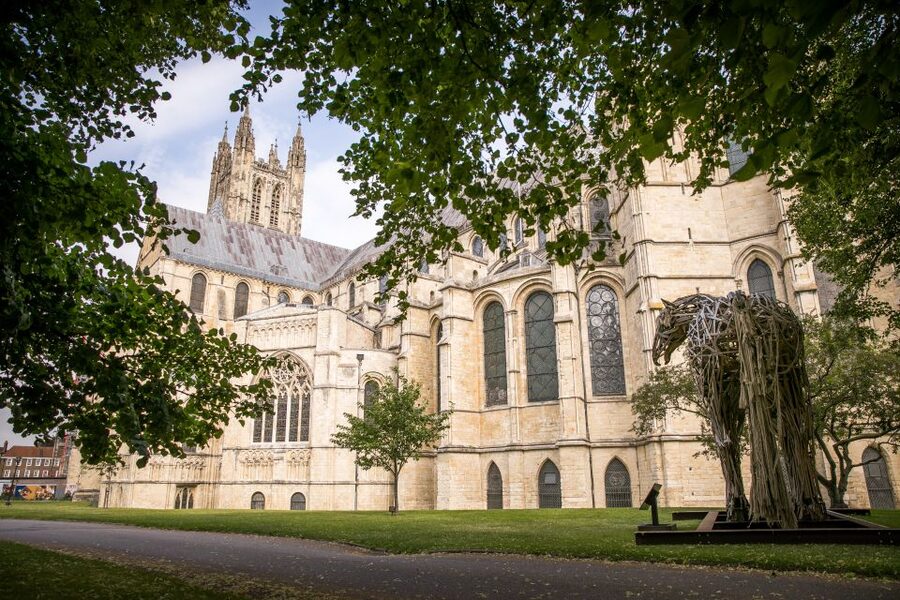
- Fourteen centuries in one visit: Canterbury’s story reaches from Augustine’s mission in 597 to the rebuilding that followed a major fire in 1174.
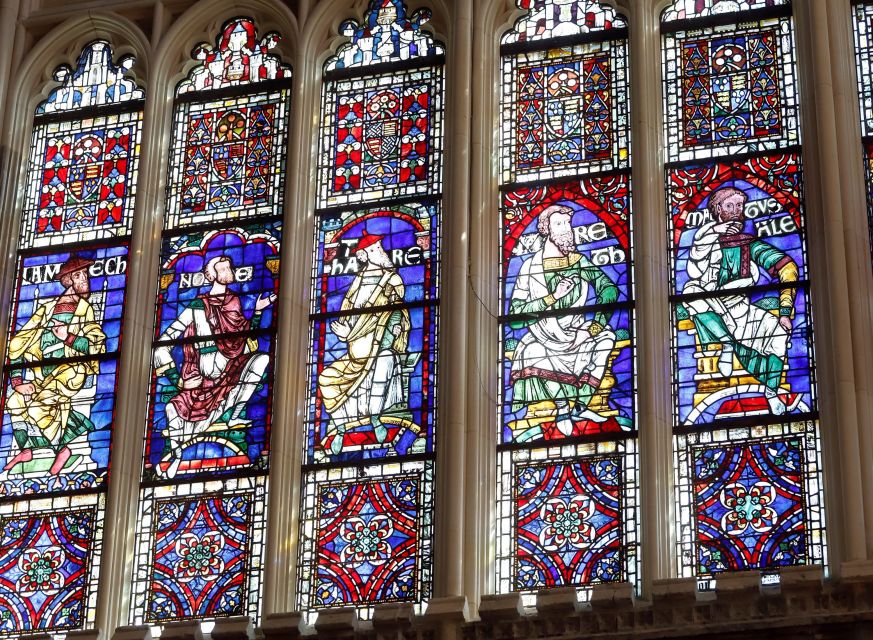
- Ancient stained glass: Some windows rank among the oldest in the world, and they deserve time rather than a quick glance.
- A self-guided visit: You receive a handset and headphones, so you can pause, skip sections, or follow the suggested route.
- More than the cathedral interior: Your ticket includes the Chapter House, Great Cloister, three public gardens, and up to three exhibitions.
- Plan on at least two hours: Three hours gives you time to listen properly and explore the precincts without rushing.
- Navigation takes patience: Audio directions can be unclear, and the cathedral does not always provide obvious matching numbers.
Why Canterbury Cathedral deserves your time
Canterbury Cathedral sits at the center of England’s Christian story. In 597 AD, Pope Gregory the Great sent Augustine to convert the English. Augustine established his seat and monastery here, becoming the first Archbishop of Canterbury. That early foundation still gives the place unusual weight, even before you begin looking at the architecture.
The cathedral also became one of Europe’s major pilgrimage centers after miracles were associated with the site. The murder of Archbishop Thomas Becket in 1170 turned Canterbury into a destination for pilgrims from across the continent, and Geoffrey Chaucer later gave those journeys a literary life in The Canterbury Tales.
You do not need to be religious to appreciate the visit. I find the best reason to come is the way several kinds of history sit together: royal power, medieval devotion, changing architecture, art, music, death, restoration, and ordinary monastic life. The audio commentary helps connect those subjects instead of leaving you with a sequence of impressive but unexplained rooms.
The building itself is the first great exhibit. Canterbury was altered and rebuilt over hundreds of years, so you see several medieval styles in one place. After a fire in 1174, major sections were reconstructed in the new Perpendicular Gothic style. Look up often. The effect comes from the combination of height, stone detail, colored glass, and the changing character of each section.
More cathedrals and abbeys near Britain:
- London: Westminster Abbey Entrance Ticket
★ 4.6 · 11,254 reviews - London: St Paul’s Cathedral Entry Ticket
★ 4.7 · 9,813 reviews - Leeds Castle, Cliffs of Dover and Canterbury Day Trip from London with Guided Cathedral Tour
★ 4.5 · 2,820 reviews
Collecting the handset and getting your bearings
Present your voucher at the cathedral, then follow directions to the desk for the media guide and headset. The equipment is included in the ticket, and the commentary is offered in English, French, German, and Japanese.
The handsets are practical rather than fancy. You plug in the headphones, select the relevant section, and move at your own speed. The format suits this building because you will want to stop often. One piece of glass may catch your eye, a side chapel may invite a quiet pause, or a ceiling may pull you away from the suggested route.
Allow a few minutes at the start to make sure the handset works and the volume is comfortable. Equipment has occasionally needed charging or restarting, and the return process may not be obvious. This is a small inconvenience, but it is better to sort it out before you reach the main interior.
The audio guide is thorough and usually clear. Its main weakness is the route system. You may hear a direction to continue to a particular point, then struggle to identify that point in the building. Discreet matching numbers on walls or pillars would make the experience easier. Until then, use the Where Next prompts as suggestions, not strict instructions.
Inside the cathedral, architecture with a story
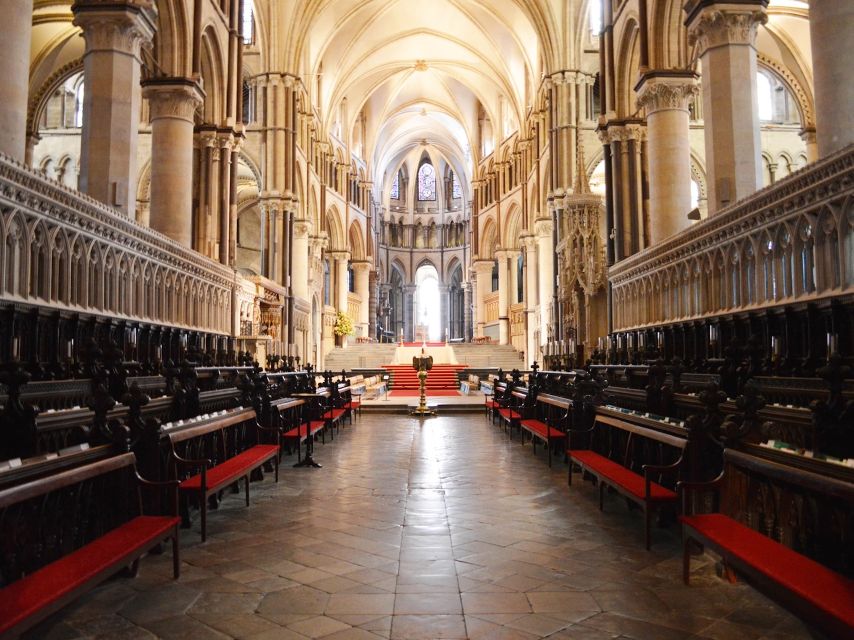
Begin with the broad impression. Canterbury’s scale can be startling, especially when you move beneath its high ceilings and look along the length of the building. The audio guide gives you something useful to do with that first feeling of awe: listen for changes in style, building phases, and the reasons sections look different.
The architecture was not created in one clean campaign. It developed through rebuilding and alteration, with each period leaving its own mark. The result is more interesting than a uniform medieval church. You can trace shifts in taste and technique as you move through the cathedral.
The commentary brings in the people connected with the building, including monarchs, monks, archbishops, pilgrims, and martyrs. That human element matters. Without it, you might remember only arches and windows. With it, the spaces become places where decisions were made, prayers were said, conflicts played out, and visitors came seeking miracles.
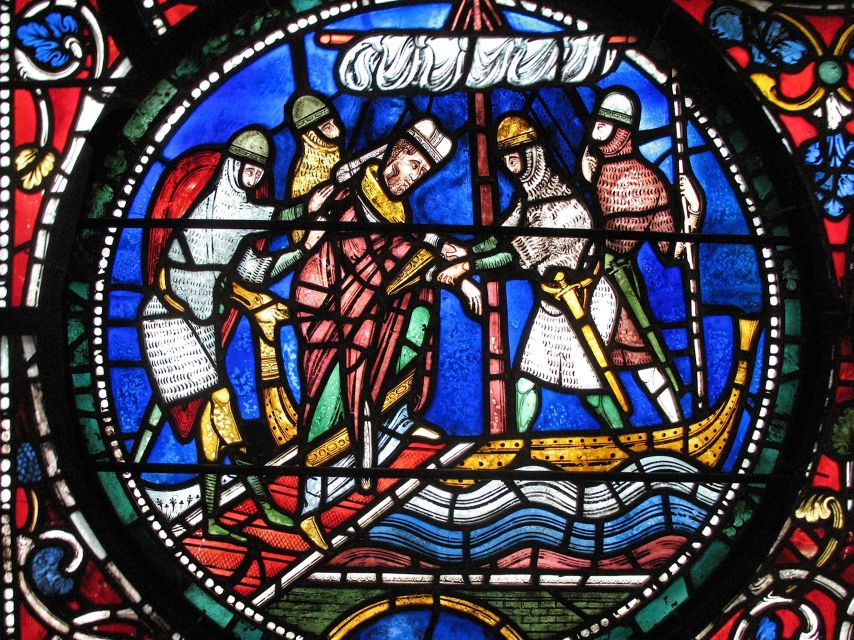
Take your time with the stained glass. Some of the windows are among the oldest in the world, and their color changes as you move around them. The audio guide gives context for what you are seeing, but you should also set the handset down for a moment and look without commentary. A self-guided format lets you do that easily.
The crypt is another important stop when it is open to visitors. It has a quieter, more atmospheric character than the upper church, with lower ceilings and subdued light. Lighting levels vary around the museum and cathedral, so watch your footing, especially where the stone floor is uneven.
The Thomas Becket story and the pilgrimage tradition
Canterbury’s fame cannot be separated from Thomas Becket. His murder inside the cathedral in 1170 made the site one of medieval Europe’s most important pilgrimage destinations. The story is dramatic, but the real value of the commentary is that it explains how one event changed the fortunes and meaning of the entire cathedral.
The pilgrimage connection also explains why Canterbury appears so often in English literature and culture. Chaucer’s pilgrims were heading toward the cathedral, each carrying a story of their own. As you walk through the church, it is worth imagining the movement of people through the precincts over centuries: monks, clerics, nobles, workers, and pilgrims who had traveled long distances on foot.
You will not need to follow every audio segment. The cathedral contains too much for one tidy narrative, and the guide gives you room to choose. History lovers can listen closely to the political and religious material. Other visitors may prefer to focus on the glass, stonework, crypt, or monastic remains.
A few more things to do in Britain worth a look
- London: Emirates Stadium Entry Ticket and Audio Guide
★ 4.7 · 5,513 reviews - London: British Museum Audio Tour & Priority Entrance Ticket
★ 4.5 · 631 reviews - Bath: Roman Baths Entry Ticket with Audio Guide
★ 4.7 · 425 reviews - London: Churchill War Rooms Ticket & Political London Audio
★ 4.6 · 224 reviews
Chapter House, Great Cloister, and the monastic precincts
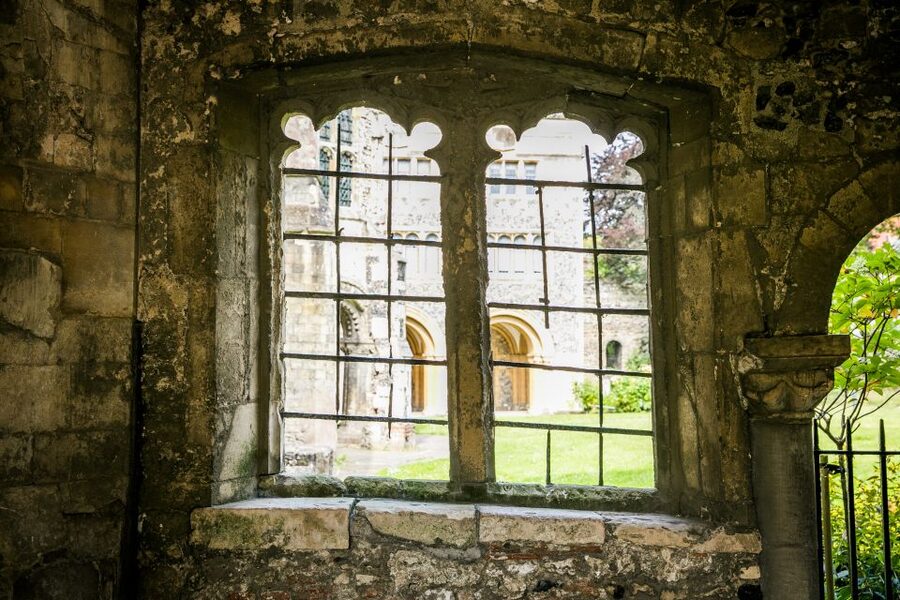
Do not leave after seeing the main church. The Chapter House is one of the ticket’s strongest additions, particularly for its detailed ceiling. This was a working room for the cathedral community, not merely a decorative side space. Its scale and decoration show how important communal decision-making was within the medieval institution.
The Great Cloister has a different mood. Monks walked here for centuries, and the enclosed passages still feel removed from the town outside. It is a good place to pause between the grand interior and the more intimate precincts. Listen to the audio here, but also allow yourself a quiet circuit without narration.
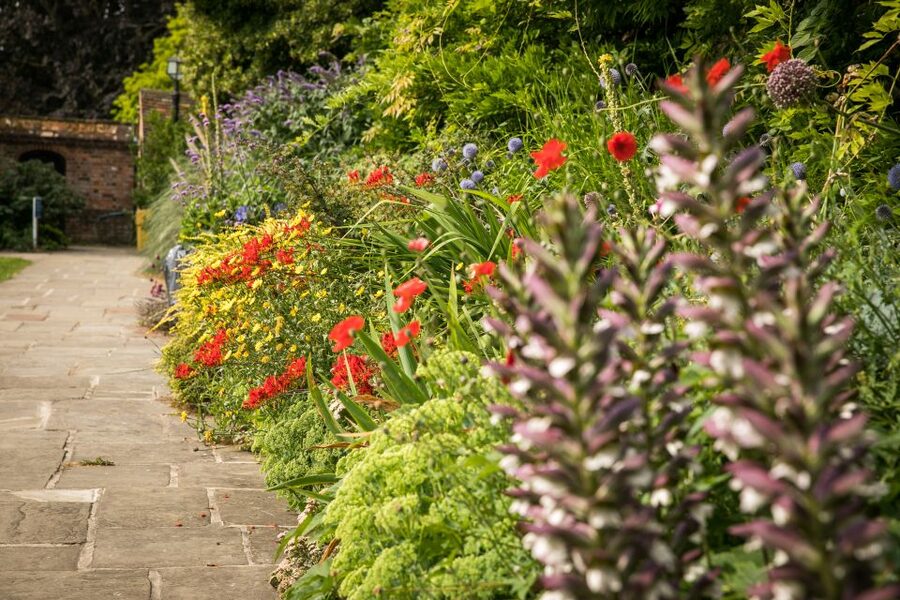
The grounds include three public gardens, one of them a reimagining of a medieval Herbarium. That detail gives the visit a welcome change of pace. The gardens help you picture the practical side of monastic life, where plants had uses connected with medicine, food, and daily work.
The precincts are also useful if the cathedral interior becomes crowded or a service temporarily limits access to part of the building. Areas can close at short notice, and religious services may affect what you can see on a particular day. A return visit may be needed if you want every section.
Exhibitions and the parts easy to miss
The ticket includes access to up to three exhibitions around the site. These can add useful detail to the main visit, especially if you enjoy objects, documents, and smaller stories rather than only monumental architecture.
Treat the exhibitions as part of the experience, not an optional extra you rush through at the end. They can help explain the cathedral’s people, artwork, and changing role. Since the site covers so much ground, use the audio guide to decide which displays fit your interests.
Some of the most memorable details may be outside the grandest spaces. You might notice worn stone, a change in floor level, a fragment of earlier construction, or a view into a quieter precinct. The uneven floors and variable lighting are part of the practical challenge, but they also remind you that this is an old complex rather than a modern museum designed on a single level.
How long should you allow?
The ticket is valid for one day, but you should plan your time sensibly. Two hours is enough for the main cathedral, selected audio stops, and part of the grounds. Three hours gives you a much better chance to include the Chapter House, Great Cloister, gardens, and exhibitions.
Some people spend considerably longer, particularly when they listen to most of the commentary. The self-guided format has no pressure to keep up with a group, and you can pause at any time. I would rather allow extra time than race through the cathedral with an audio track playing in one ear.
A useful approach is to make one complete circuit first, then return to the places that caught your attention. This avoids getting trapped in a detailed section too early. Because directions can be confusing, keep track of where you have been and do not worry about following the suggested order perfectly.
Price, access, and practical limits
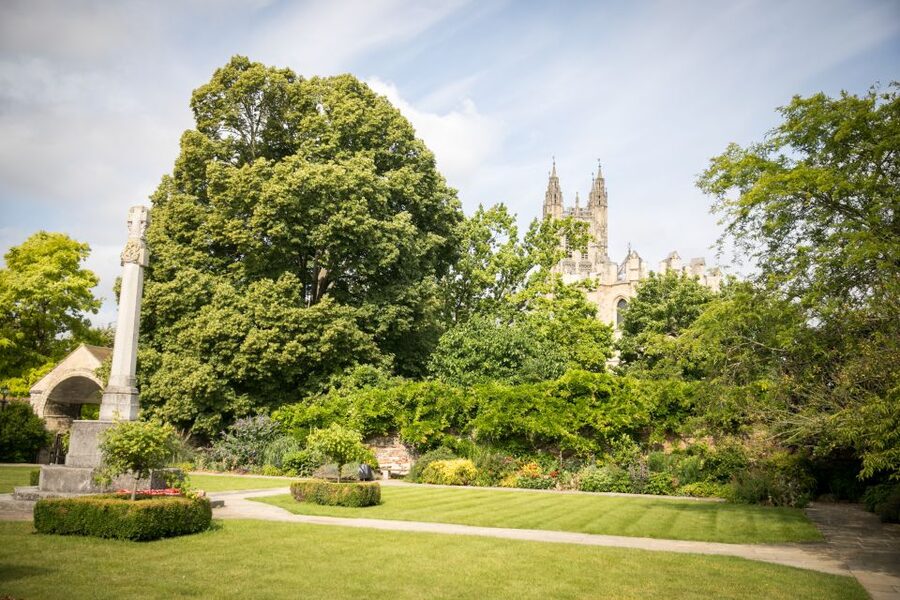
At $31 per person, the ticket is not a budget attraction, but it covers a substantial site and a full-day validity period. The audio guide, Chapter House, Great Cloister, gardens, and exhibitions make the price easier to justify than a basic church admission.
The ticket also skips the ticket line, which saves time at a major historic site. It does not mean every part of the visit will be effortless. You still need to collect the equipment, follow cathedral instructions, and accept that certain areas may close for worship or other reasons.
The cathedral is wheelchair accessible, though the old building has uneven floors, stone steps, and some areas reached by ramps. If you have limited mobility, expect conditions to vary rather than assuming every route is level. Children under 16 must remain with an adult.
Leave large bags and luggage elsewhere. Food, drinks, smoking, pets except assistance dogs, scooters, skateboards, skates, fireworks, weapons, and sharp objects are not permitted. Random bag searches may take place. Photography is restricted, commercial photography is not allowed, and no photography or video is permitted in the crypt.
Parking is available for Blue Badge holders only, subject to availability. Public car parks are located nearby, so plan on using one of those if you are arriving by car.
Who will get the most from this visit?
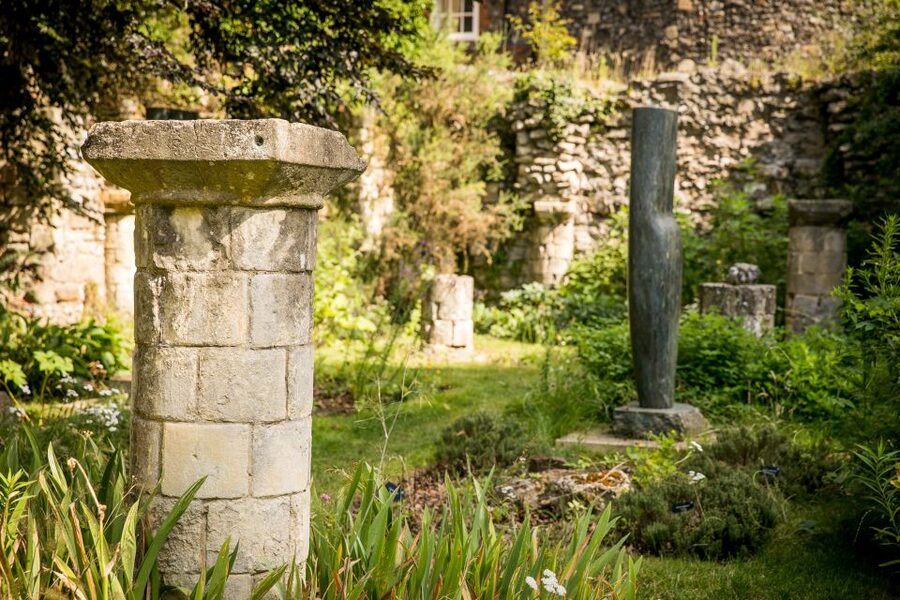
I recommend this experience most strongly to people who enjoy architecture, medieval England, religious history, and museums that reward slow looking. The audio guide is especially useful if you are visiting without prior knowledge of Canterbury. It gives you a basic route and explains why the building matters.
Families can make it work, but young children may not have the patience for the full commentary. The rules require children under 16 to stay with an adult, and sit-on wheeled toys and throwing toys are not allowed.
Independent visitors will appreciate the freedom to choose their own pace. You can listen to every section, select only the major stops, or put the headset aside when you want silence. If you prefer a live guide who manages the route and points to each detail, this may feel less direct. Commentary credited to Phillips Langton has been praised for its clear historical storytelling, but the standard experience described here is based around a supplied audio guide.
Should you book Canterbury Cathedral with the audio guide?
Book it if you want more than a quick look at a famous church. The cathedral is beautiful on its own, but the audio guide explains the people, conflicts, rebuilding, and pilgrimage tradition that give the stonework meaning.
I would also book it if you value flexibility. You can spend two hours or much longer, move at your own pace, and include the cloister, Chapter House, gardens, and exhibitions without arranging separate admissions.
Think twice if you dislike electronic guides or become frustrated by imperfect directions. The audio content is a major strength, but finding the matching location can take effort. For most visitors, that inconvenience is manageable, especially if you allow time to wander and treat the route as a helpful framework rather than a strict set of instructions.
FAQ
How long is the Canterbury Cathedral ticket valid?
The ticket is valid for one day. Check availability for the available starting times.
What does the ticket include?
It includes entry to Canterbury Cathedral, the audio guide, a handset, headphones, the Chapter House, the Great Cloister, three public gardens, and access to up to three exhibitions.
Which languages are available for the audio guide?
The audio guide is available in English, French, German, and Japanese.
Do I need to join a guided group?
No. This is a self-guided visit using a handset and headphones. The activity is also described as a small group with a limit of nine participants, and hosts or greeters may be available in English, French, Japanese, and German.
Can I visit the cathedral without following the audio route?
Yes. You can choose where to go next and explore at your own pace. The audio guide provides suggested routes, but you are not required to follow every section in order.
Is the cathedral wheelchair accessible?
Yes, the cathedral is wheelchair accessible. Some areas have stone steps, while others have access ramps. Floors can be uneven, and lighting levels vary in the museum.
Are children allowed inside?
Yes. Children under 16 must be accompanied by an adult at all times. Children’s sit-on wheeled toys and throwing toys are not allowed.
Can I take photographs inside?
Commercial photography is not permitted. Photography and video recording are not permitted at any time in the crypt.
Can I bring luggage or food?
No. Luggage or large bags, food, drinks, smoking materials, pets except assistance dogs, scooters, skateboards, skates, fireworks, weapons, and sharp objects are not allowed.
Is cancellation available?
You can cancel up to 24 hours in advance for a full refund. You can also reserve now and pay later, subject to the booking terms.
Just added in Britain
- Best of Liverpool Sightseeing Tour by Private Taxi★ 5.0 · 41 reviews
- Liverpool Music Icons Tour with Nasher from Frankie Goes to Hollywood★ 5.0 · 39 reviews
- Liverpool: River Cruise & Sightseeing Bus Tour★ 4.5 · 495 reviews
- Reel Tours: Liverpool Film Location Walking Tour★ 5.0 · 188 reviews
- Best Of Liverpool Heritage, History & Culture Guided Walking Tour★ 5.0 · 539 reviews
- LIverpool beer or prosecco bike tour★ 5.0 · 146 reviews
- Liverpool with a Local: Walking Tour (10:30am)★ 5.0 · 80 reviews
- History Guided Tour of Liverpool and the Beatles★ 5.0 · 408 reviews
Cathedral and Abbey Tours, compared.
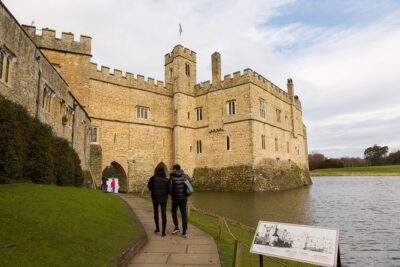
Leeds Castle, Cliffs of Dover and Canterbury Day Trip from London with Guided Cathedral Tour
Read our review →
Westminster Abbey, Big Ben & Buckingham Guided Tour
Read our review →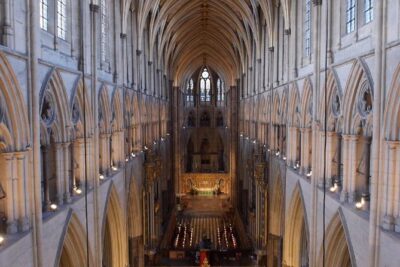
Westminster Guided Walking Tour with Abbey Entry
Read our review →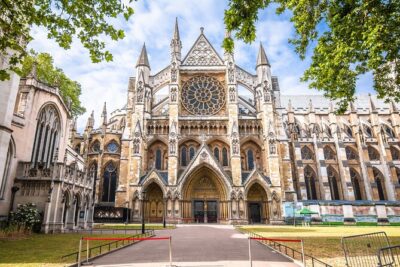
Walking Tour of London Westminster Abbey, Big Ben, Buckingham
Read our review →
Downton Abbey Village, Blenheim Palace and Cotswolds Day Trip from London
Read our review →
Browse the lists this tour appears in