
Reviewed · WALKING TOURS
Bath: The Bad of Bath Walking Tour
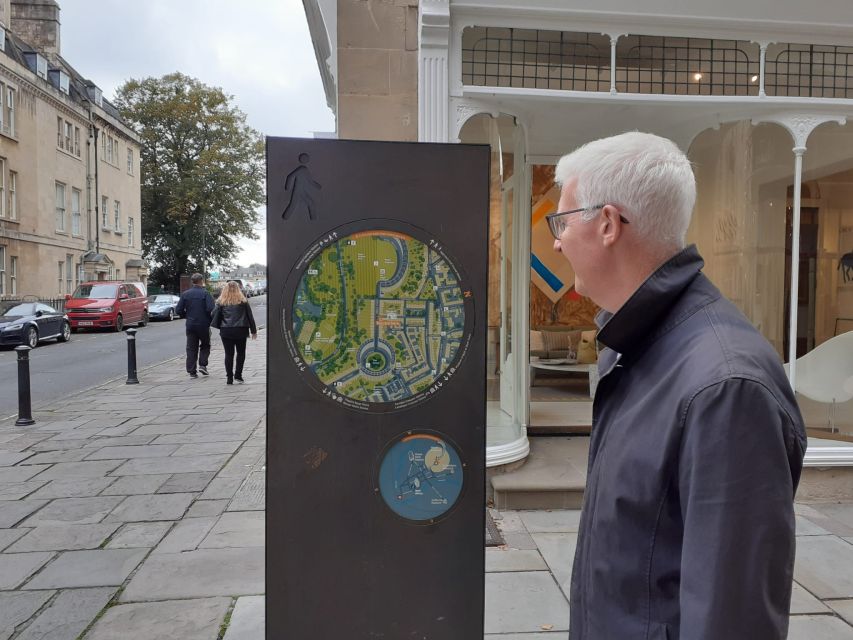
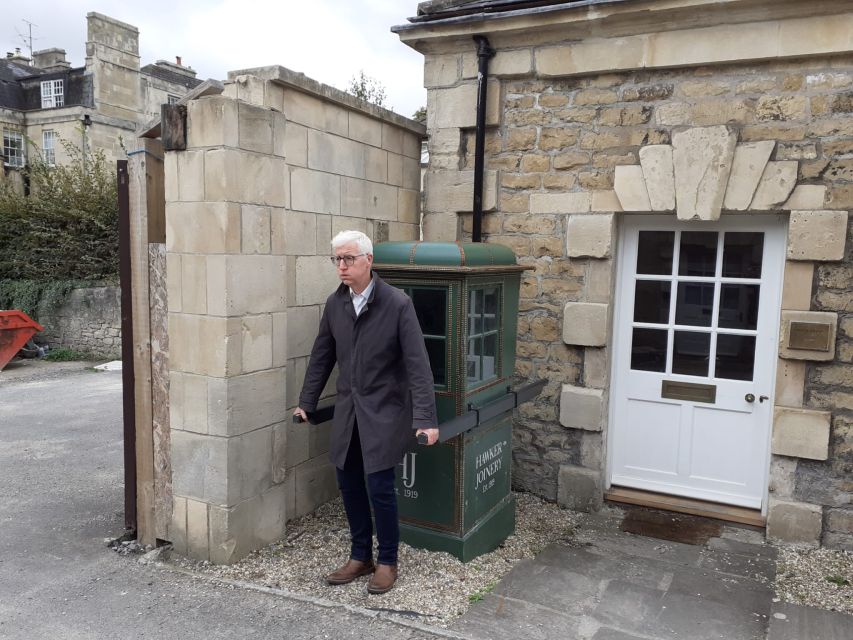
Bath’s polished Georgian streets hide a less polished past. The Bad of Bath Walking Tour puts crime, corruption, gambling, and scandal beside Bath’s famous architecture, showing you how excess and social ambition shaped the city. Guide Simon uses humour, questions, and colourful characters rather than giving you a dry parade of dates.
I like two things here. First, you still see Bath’s essential sights, including The Royal Crescent, The Circus, Pulteney Bridge, and Bath Abbey. Second, Simon adjusts his pace and conversation to the group, making the tour work for teenagers, older visitors, families, and even a solo participant. The one consideration is that the advertised walk is roughly 90 minutes to two hours, but it can run longer when the group is engaged.
Key points at a glance
- Georgian Bath with its manners removed: Hear about thieves, gamblers, scandals, and excess alongside the city’s grand architecture.
- Simon’s personal guiding style: Expect clear explanations, gentle humour, questions, and room to connect one story with another.
- A useful first look at Bath: The circular route begins and ends at Bath Abbey and covers many of the city’s best-known sights.
- Easy walking: The pace is manageable, and the route is described as suitable for prams and wheelchairs.
- Good value at $29: You get a guided city tour lasting about two hours, with no separate attraction admission required for the walk itself.
- Rain or shine: Bring suitable clothing because the tour goes ahead in wet weather.
Bath’s respectable streets have a naughty backstory
Bath is often presented as a city of Roman remains, elegant crescents, Jane Austen connections, and fine Georgian design. This walk takes those familiar sights and asks a more entertaining question: who paid for all this luxury, and what were people doing when the doors closed?
The answer is not a neat tale of good manners. Bath’s Georgian heyday included gambling, social ambition, sexual intrigue, bad behaviour, crime, and public reputations that could collapse quickly. The tour uses those subjects to explain the city rather than treating them as cheap gossip.
That balance matters. You are not being led through a ghost story built on legend. The emphasis is on real people, real social habits, and the consequences of the period’s pursuit of pleasure and status. You still learn about architecture and civic history, but the stories give those grand facades some human mess.
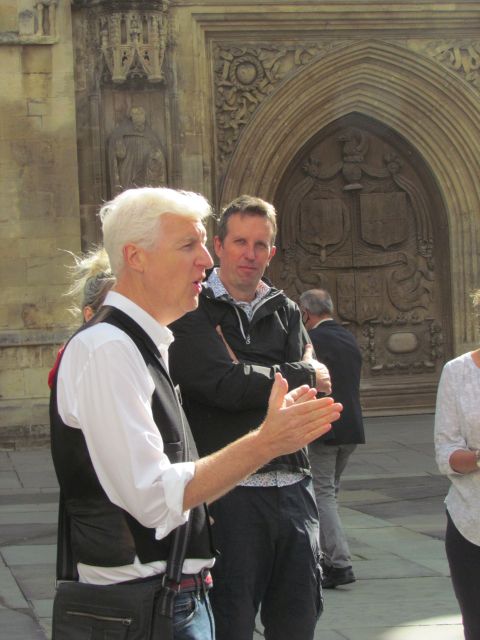
Simon’s approach is central to the experience. He speaks clearly, keeps the mood relaxed, and invites questions. Several groups have found that his humour makes two hours feel much shorter, while his willingness to pause and explain a point helps if English is not your first language.
More Walking Tours in Bath:
- Walking Tour of Bath with Blue Badge Tourist Guide
★ 5.0 · 1,877 reviews - Bath: City Walking Tour with Optional Roman Baths Entry
★ 4.7 · 1,401 reviews - Bath: Guided Walking Tour
★ 4.9 · 1,198 reviews
Starting at Bath Abbey and getting your bearings

The walk begins and ends at Bath Abbey, a practical meeting point in the centre of town. Starting here gives you an immediate sense of Bath’s compact layout, and the circular route means you do not finish in an unfamiliar part of the city.
Bath Abbey also sets up the contrast that runs through the tour. Its religious setting sits close to the city’s pleasures, commerce, and public display. From the beginning, you are looking at Bath as a place where respectable appearances and private behaviour did not always match.
The group then moves through the central streets at a gentle pace. This is not a fitness walk. You should still expect to be on your feet for most of the experience, but the route is designed to be manageable, and the guide keeps the group together.
The exact stopping time at each location can change with the group. Simon has tailored tours for two people, families, and small groups, and he has also continued with a single participant rather than cancelling. That flexibility is useful if you prefer conversation over a fixed speech.
The Roman Baths and the city’s long-running appetite for pleasure
The Roman Baths provide an early reminder that Bath’s appeal did not begin in the Georgian period. You see the city’s famous ancient centre as part of a much longer story about health, status, social life, and entertainment.
The walking tour itself includes guiding rather than entry to attractions. Entrance fees are not included, so you should treat the Roman Baths as a landmark on the route unless you have separately arranged admission. That distinction matters if you want a full visit inside the site.
From the guide’s wider story, Bath’s Georgian identity comes into focus. People came for the waters, but also for company, fashion, gambling, introductions, and the chance to move up the social ladder. The walk uses the contrast between the old Roman setting and the later Georgian city to show how Bath kept reinventing pleasure for new generations.
This is one of the tour’s strengths. Instead of presenting the Roman period, Georgian period, and modern city as separate blocks, Simon links them through the city’s continuing attraction as a place to see and be seen.
Pulteney Bridge and the money behind the elegance
Pulteney Bridge is one of Bath’s most recognisable sights, with shops built across the bridge and the River Avon below. It is also a useful place to think about trade, money, and the practical business of a fashionable city.
The tour’s darker angle is not simply about famous scandals. It also looks at the systems that allowed Bath to thrive: property, commerce, reputation, and the spending habits of people with more money than restraint. The city’s beauty was not accidental. It grew from ambition and investment, as well as from the desire to attract wealthy visitors.
At Pulteney Bridge, you get a strong visual break from the narrow central streets. The bridge and river help you understand Bath’s position as a planned, prosperous city rather than just a collection of attractive buildings.
You might want to take photographs here, but keep listening. The point of the stop is not only the view. It is the story of how a refined public image depended on private appetites and commercial interests.
More walks around Bath:
- Roman Baths and Bath City Walking Tour
★ 4.5 · 762 reviews - Best of Bath Walking Tours – Georgian Tour
★ 5.0 · 449 reviews - Bath: Bridgerton Filming Locations Walking Tour with Music
★ 4.7 · 416 reviews - Bad of Bath fun Walking Tour of Bath
★ 5.0 · 402 reviews
The Circus and Royal Crescent, where status became architecture
The Circus and Royal Crescent are the grandest parts of the walk. Their curved facades and orderly proportions represent the Georgian ideal of taste, control, and social rank. The Bad of Bath theme asks you to look past that calm exterior.
At The Circus, the scale of the buildings makes social ambition visible. This was architecture designed to impress. The people connected with Bath’s fashionable life wanted the right address, the right acquaintances, and the right public image.
The Royal Crescent takes that idea even further. It is one of Bath’s signature views, but it also gives the guide a setting for stories about the people who lived, visited, entertained, and misbehaved within this polished world. The building is elegant. The people behind it were not always so restrained.
This part of the tour is particularly useful if you have already seen the Royal Crescent in photographs. Simon’s stories add context to what might otherwise be a quick stop for pictures. You begin to see the crescent not just as a beautiful row of houses, but as a stage for wealth, competition, and display.
The route does not turn the architecture into a backdrop for endless jokes. The buildings remain important. The humour simply makes their social meaning easier to remember.
Thieves, gamblers, and the people behind Bath’s public image
The tour’s strongest material comes from its people. You hear about scoundrels, colourful figures, gamblers, and those caught up in Bath’s culture of excess. These stories explain how Georgian attitudes toward enjoyment could become destructive.
That focus gives the walk a useful edge. A standard city tour may tell you when a building was designed or who commissioned it. This one asks what happened around the building, who benefited, who took risks, and who paid the price.
You can expect a mix of crime, corruption, personal scandal, and social history. The subject matter is lively, but the tour is suitable for a broad age range. The guide’s tone keeps it informative rather than crude, and he adjusts the material to the people in front of him.
This is also where the interactive format helps. Simon welcomes questions and uses them to connect one part of Bath’s past with another. If you are curious about Georgian attitudes to pleasure, class, or public reputation, you have room to ask rather than simply listen.
The experience does not pretend that Bath was only wicked. It shows the good, the bad, and the ugly together. That is more useful than replacing one idealised story with another.
How Simon guides the walk
Simon is repeatedly praised for his calm delivery, friendly manner, humour, and strong grasp of Bath’s past. The important point for you is not simply that he knows facts. He explains them in a way that keeps the group involved.
He asks questions, welcomes debate, and makes space for different ages and interests. A family group can enjoy the stories, while an adult who wants more social context can ask about the period’s attitudes and consequences.
His style also works well for small groups. With only two people, the tour can feel almost private, and with a larger group he makes an effort to include everyone. One particularly useful detail is his willingness to help someone who arrives late, keep in touch, and quickly cover the missed material.
Simon also brings in relevant modern interests when they help the group connect with Bath. For example, he has added Bridgerton-related details for fans of the series. That does not replace the historical content, but it can make the Georgian setting easier to picture.
You should not expect a formal lecture delivered without interruption. This is a conversational walk. If you prefer to stand silently while a guide recites a fixed script, the interactive style may feel less structured. If you like asking questions and making connections, it is a strong fit.
Pace, access, weather, and the real time needed
The listed duration is two hours, while the walk itself is described as roughly 90 minutes. In practice, you should allow two hours and possibly a little more. Groups have sometimes continued for an extra 30 minutes because the conversation was going well.
That is mostly a benefit, but it affects your planning. Do not book a tight lunch reservation or a train immediately after the advertised finish. The walk is gentle, yet you are still outside for a sustained period.
The route is pram and wheelchair friendly, and the experience is described as wheelchair accessible. Bath’s historic streets can still be busy and uneven in places, so sensible footwear and a little patience are wise, even though the pace is not strenuous.
The tour runs rain or shine. Bring a waterproof layer, especially if you are visiting outside the warmest months. One group continued after being caught in rain and still enjoyed the experience, but weather can affect how comfortable you feel while standing at stops.
There are no food or drinks included, and no attraction entrance fees are part of the price. Plan a café stop before or after the walk rather than expecting refreshments along the route.
Is $29 good value for Bath?
At $29 per person, this is fair value if you want more than directions and building names. You get a roughly two-hour guided walk, a broad route through Bath, and a clear theme that makes the information easier to remember.
The value is strongest for a first visit. You see the city’s major sights while learning how they fit into Georgian social life. You also get practical orientation, since the route starts and finishes at Bath Abbey and covers a large part of central Bath.
It is less useful if you only want to enter the Roman Baths, The Royal Crescent interiors, or another attraction. Admission is not included, and this is a street-level history tour rather than a ticketed museum experience.
I also would not choose it as your only option if your main interest is Jane Austen. Austen may form part of Bath’s wider cultural picture, but the focus here is broader and darker: crime, excess, class, gambling, and the people behind the city’s polished image.
Free cancellation up to 24 hours before the start and the option to reserve now and pay later make the booking relatively flexible. Those terms are useful if your Bath plans are still shifting, but the main value still comes from the guide and the stories rather than the booking conditions.
Who should book The Bad of Bath?
I would choose this tour for a first-time visitor who wants to see Bath’s major sights without hearing the same polished introduction found everywhere else. It is also a good second tour if you have already seen the Roman Baths and want social history, gossip, and Georgian character.
Families can do well here, particularly if older children or teenagers enjoy stories about misbehaviour and real people. The guide’s style has worked for groups ranging from teenagers to pensioners, and the gentle route helps keep the day manageable.
It suits couples, solo visitors, small groups, and people who enjoy asking questions. It is also a practical choice if you are travelling with a pram or using a wheelchair, since the tour is described as accessible.
You may want to choose another experience if you dislike scandal as a theme, need a firmly timed 90-minute walk, or want entry into Bath’s major attractions. The title promises the darker side of the city, and the tour delivers that focus.
Should you book it?
Book The Bad of Bath if you want Bath’s famous architecture with its manners loosened. Simon’s humour, clear storytelling, and willingness to include everyone are the main reasons this works so well. You will see the Royal Crescent, The Circus, Pulteney Bridge, Bath Abbey, and other central sights, but you will also understand the people and appetites behind them.
Allow two hours, dress for rain, and leave space in your schedule in case the conversation runs over. At $29, it is a solid choice for a friendly, accessible introduction to Bath’s Georgian pleasures and misdeeds.
FAQ
Where does The Bad of Bath Walking Tour start and finish?
The tour starts and ends at Bath Abbey. It follows a gentle circular route through the city.
How long does the walking tour last?
The advertised duration is two hours, while the walk is also described as roughly 90 minutes. You should allow about two hours, with the possibility of a longer finish if the group continues talking.
Who guides the tour?
The guide is Simon. He leads the tour in English and uses storytelling, humour, questions, and conversation to explain Bath’s past.
Is the tour wheelchair accessible?
Yes. The tour is described as wheelchair accessible and suitable for prams and wheelchairs.
Does the price include attraction entrance fees or refreshments?
No. The $29 price covers the guided walking tour only. Entrance fees, food, and drinks are not included.
What happens if it rains?
The tour takes place rain or shine. Bring suitable waterproof clothing and footwear for the weather on the day.
Just added in Bath
- Bath Tootbus Hop-on Hop-off Sightseeing Bus Tour★ 4.5 · 247 reviews
- Fun, Flexible Treasure Hunt Around Bath with Cryptic Clues & Hidden Gems★ 5.0 · 208 reviews
- ‘Stonehenge & Secret England’ from Bath for 2-8 curious adventurers★ 5.0 · 54 reviews
- BATH: 2-Hour Bath Walking Tour of Bridgerton Filming Locations★ 5.0 · 99 reviews
- Stonehenge and Bath City Tour – Private tour from Bath★ 5.0 · 33 reviews
- Jane Austen’s Bath And History Trail★ 5.0 · 77 reviews
- Private Day Tour from Bath to the Captivating Cotswolds★ 5.0 · 51 reviews
- The ‘Hidden Cotswolds’ Shared Tour from Bath for 2-8 people★ 5.0 · 83 reviews
Walking Tours, compared.

Magical London: Harry Potter Guided Walking Tour
Read our review →
Underground Vaults Walking Tour in Edinburgh Old Town
Read our review →

Oxford University Walking Tour With University Alumni Guide
Read our review →
Edinburgh Castle: Guided Walking Tour with Entry Ticket
Read our review →
Edinburgh Castle Guided Walking Tour in English
Read our review →
Tour for Muggles The Ultimate Harry Potter Walking Tour in London
Read our review →
University and City Walking Tour with Alumni Guide
Read our review →Browse the lists this tour appears in