
Reviewed · BRITAIN
London: Kew Gardens Admission Ticket
Kew Gardens is far more than a pleasant park. It is a 326-acre plant collection, royal retreat, art center, and open-air science lesson, all wrapped into one easy day from London. The best surprise is the range: you can see giant lily pads, walk through a steamy rainforest, climb 18 meters above the ground, and step into a Georgian palace without leaving the grounds.
I especially like the glasshouses, which make Kew worthwhile even on a cool or rainy day, and The Hive, an unusual bee-inspired structure that teaches you why pollinators matter. The main drawback is size. You need several hours at a brisk pace, and a full day is better if you want to see the major buildings without wearing out your feet.
Key points to know before you go
- 326 acres to explore: Kew is large enough to fill a full day, with gardens, historic buildings, galleries, and long paths between major sights.
- Glasshouses in every season: The Palm House, Waterlily House, and Princess of Wales Conservatory keep the visit rewarding when outdoor weather is poor.
- The Hive is a memorable stop: This 17-meter structure uses 170,000 aluminum parts and 1,000 LED lights to recreate the sights and sounds of a beehive.
- The treetop walkway changes your view: Climb 18 meters above the ground for a broad look across the gardens.
- Kew Palace adds royal history: See princesses’ bedrooms, a small dining room, and restored Georgian kitchens.
- Allow extra money for extras: Food, drinks, and the Explorer train are not included in the admission price.
Why Kew Gardens deserves a full London day
Kew sits in southwest London, about 30 minutes from central London by Underground or Overground train. Victoria Gate is the most convenient entrance from Kew Gardens station, on Kew Road, though you can arrive at any entrance.
The setting feels far removed from central London. Instead of traffic and packed pavements, you get broad lawns, old trees, glasshouses, ponds, art, and winding paths. Kew is still a major tourist sight, but its size spreads people out. You can spend time at a busy glasshouse, then find a quieter stretch of garden a few minutes later.
The admission price is about $32 per person. That is not a cheap park ticket, but it covers enough to make the cost reasonable for a full day. You are paying for much more than flowerbeds: the ticket includes the gardens, Kew Palace, three art galleries, the treetop walkway, and major indoor plant displays.
If you only have two hours, the price may feel steep. If you stay four to six hours, as many people do, the value improves. Some visitors still need a second day to see everything at an easy pace.
A few more things to do in Britain worth a look
- London: The London Eye Entry Ticket
★ 4.6 · 35,875 reviews - London: Tower Bridge Entry Ticket
★ 4.7 · 15,560 reviews - London: Westminster Abbey Entrance Ticket
★ 4.6 · 11,254 reviews
Start with a map and a realistic plan
Pick up the included map and seasonal highlights guide before setting off. Kew is big enough that a casual walk can leave you far from the next sight you hoped to visit.
I would plan around the buildings first, especially if you arrive later in the day. Several indoor sights have closing times, and last admission to Kew Gardens is one hour before closing. After choosing the glasshouses and palace you most want to see, add outdoor areas nearby rather than zigzagging across the grounds.
Free walking tours take place at least twice daily when available. They can help you understand Kew’s layout and plant collections, but availability varies. Ask at the entrance or information point when you arrive.
The Explorer train is another useful option for getting your bearings, especially if you have limited time or tiring feet. It is not included in the ticket, and a recent fare was reported as £6 per person, so check the current price before boarding.
The Palm House brings tropical heat to London
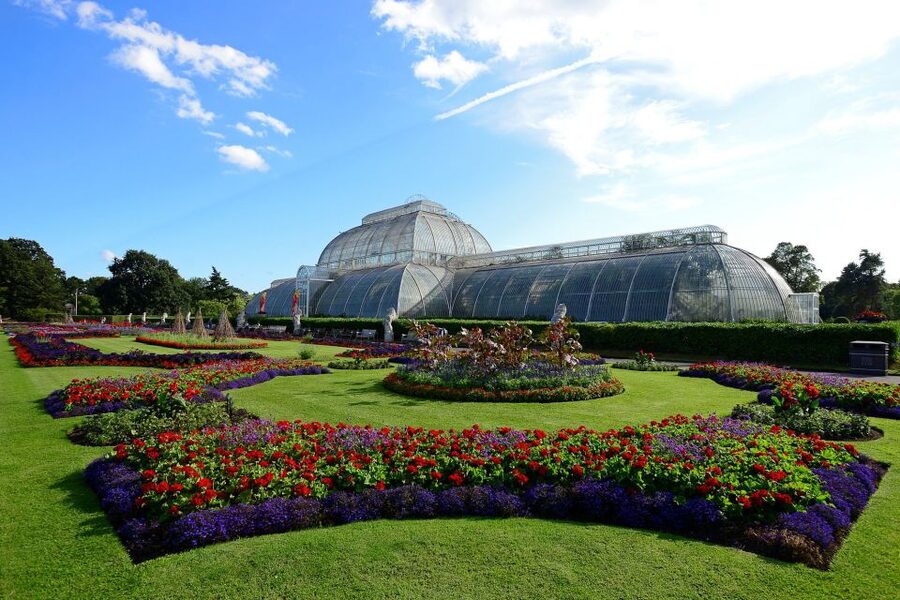
The Palm House is one of Kew’s essential stops. Inside, warm air and thick plant growth create the feel of a rainforest, a sharp change from the open lawns outside.
You can expect tall palms, exotic flowers, and plant displays from several warm regions. The glasshouse gives you a close look at plants that would never survive outdoors in Britain. It also offers a dependable plan on cold days, when the outdoor gardens can be less inviting.
The heat can be intense in warm weather. Take your time, but do not feel you must linger just because it is one of Kew’s famous buildings. If you are visiting on a hot summer day, the indoor climate can feel heavy, especially after a long walk.
Giant lily pads at the Waterlily House
The Waterlily House is smaller than the Palm House but delivers one of Kew’s most distinctive sights. Giant lily pads spread across the pool, with koi visible in the water.
This is a good stop for families and photographers, though it can become crowded around the pool. Look closely at the water and surrounding plants rather than rushing through for one photograph. The controlled environment lets you see water plants at a scale that is hard to appreciate in a normal garden pond.
The Waterlily House is also a useful example of how Kew works. It is not simply displaying pretty plants. The site protects and presents plant life from different climates, giving you a better sense of how varied the plant world can be.
Same city, a very different afternoon:
- From London: Harry Potter Warner Bros Studio Tour
★ 4.7 · 26,588 reviews - Magical London: Harry Potter Guided Walking Tour
★ 4.7 · 22,044 reviews - London: Madame Tussauds London
★ 4.6 · 20,915 reviews - Stonehenge, Windsor Castle, and Bath from London
★ 4.5 · 18,662 reviews
Ten climate zones in the Princess of Wales Conservatory
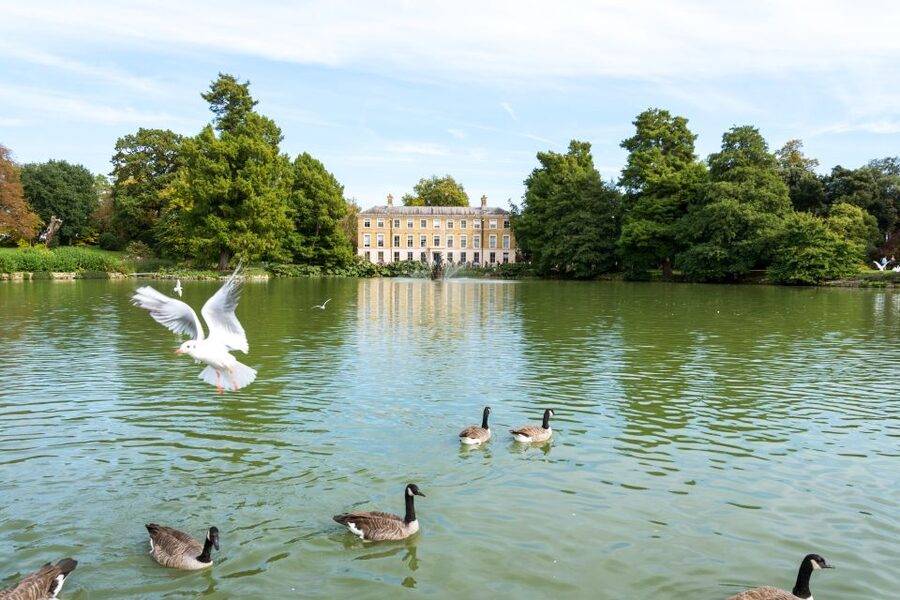
The Princess of Wales Conservatory takes you through ten climate zones under one roof. That makes it one of the most efficient stops in the gardens, since you see a wide range of plant environments without walking between distant parts of the grounds.
Expect unusual flowers, palms, orchids, and other tropical and dry-climate plants. Seasonal displays can change the experience, so repeat visits may feel different. Orchid displays have been a particular draw at certain times of year, but temporary exhibitions are not guaranteed with every ticket.
This conservatory is especially useful in poor weather. Rain may make the outdoor paths less enjoyable, but the glasshouses still give you plenty to see. On a bright day, the glass and filtered light also make the plants especially striking.
The Hive turns a bee colony into architecture

The Hive is one of Kew’s most original attractions. The 17-meter structure is made from 170,000 aluminum parts and 1,000 LED lights, and it uses sound and light effects to suggest the activity of a real beehive.
The point is not just spectacle. The installation explains the life of bees and their role in the health of the planet. It gives children something hands-on to think about, while adults can appreciate the structure as both art and science.
You may find The Hive more memorable than a standard information display because the building itself carries the message. It makes the invisible work of bees feel physical and immediate.
The treetop walkway gives Kew a new angle
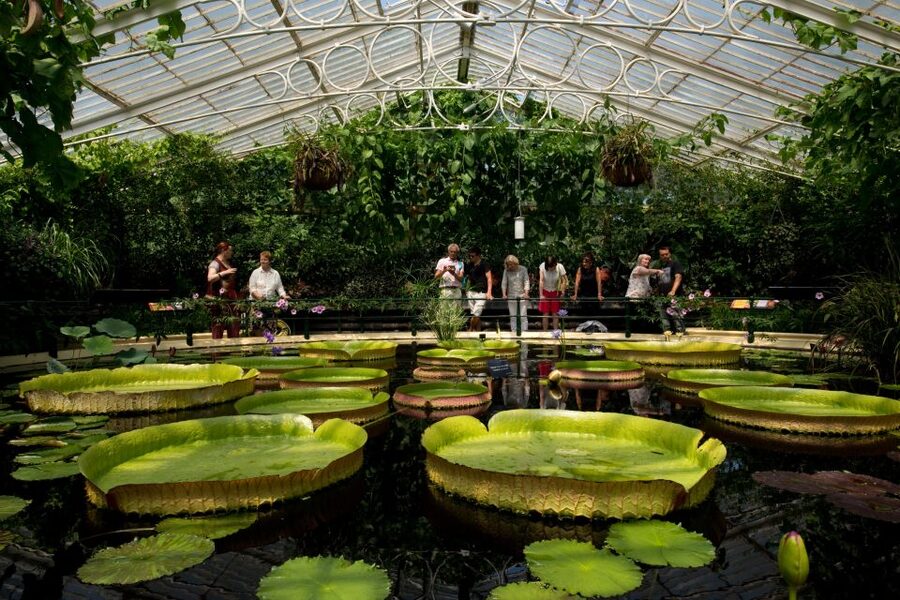
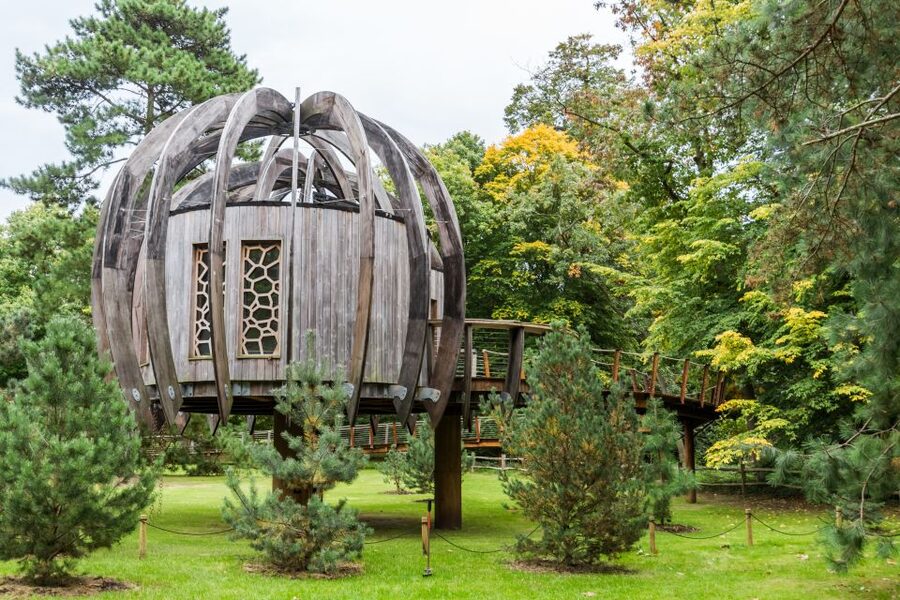
The treetop walkway rises 18 meters above the ground. From up there, you look across the mature trees and see the gardens from a height that ground-level paths cannot provide.
The walkway is worth prioritizing on a clear day. It is one of the few parts of Kew that changes your sense of scale, making the old trees feel like a living ceiling below you.
Access can be more difficult for people with limited movement, despite Kew’s general commitment to wheelchair access. The grounds are wheelchair accessible, and an elevator reaches the upper floors of Kew Palace, but the treetop walkway may require extra care. Ask staff about current access conditions before making it a central part of your plan.
Kew Palace offers an intimate royal stop
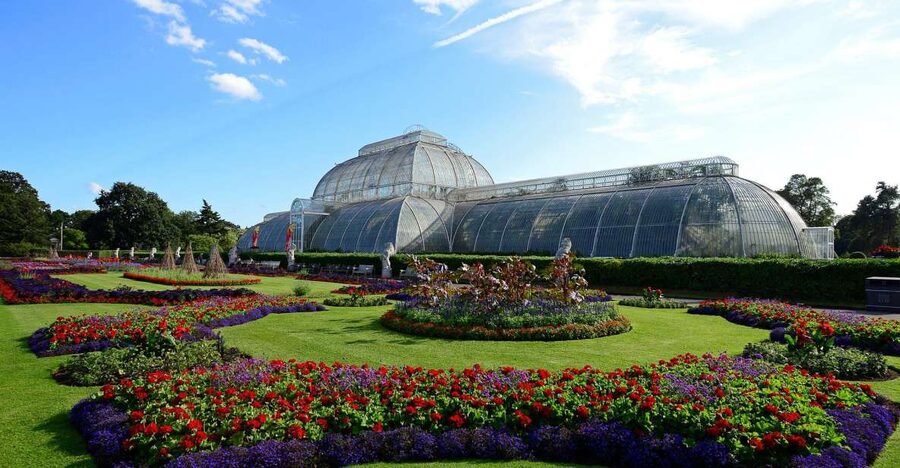
Kew Palace is smaller and more personal than London’s grand royal residences. Inside, you can see the bedrooms of princesses, an intimate dining room, and the restored Georgian Royal Kitchens.
That smaller scale is part of the appeal. You are not moving through vast ceremonial rooms. Instead, the palace gives you a closer sense of daily royal life and domestic routines.
Kew Palace is closed during winter, so check the season before you count on it. If it is open, visit before the end of the day, then use the remaining time for the gardens. The palace is easy to overlook because the outdoor grounds are so extensive.
The Arboretum rewards slow walking
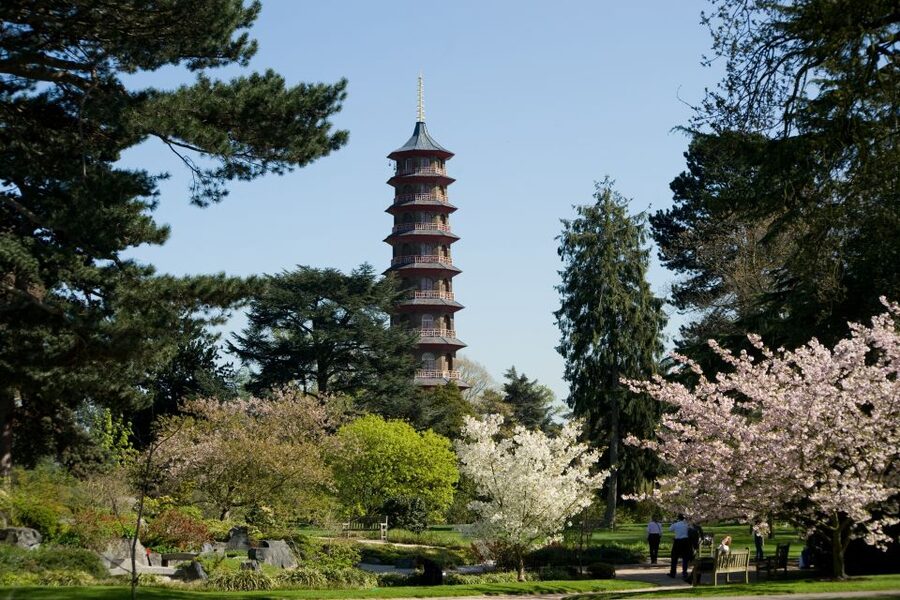
Kew’s Arboretum contains more than 14,000 trees. It is one of the best areas for slowing down after the busier glasshouses and main attractions.
You will not see the whole collection in one short stroll. The point is to walk among trees of different ages and types, read the labels, and notice how much space the gardens give each specimen.
The Arboretum also explains why Kew feels so spacious. The site is not filled with attractions at every turn. Some of its value comes from long paths, open views, and the chance to enjoy large mature trees without a tight schedule.
Bring comfortable shoes. Kew has many benches, but some longer and more remote paths can leave you looking for a place to rest. If you have limited energy, the train or a shorter route may make the day easier.
Art, seasonal displays, and changing reasons to return

Three art galleries are included in admission, and sculptures appear in different parts of the grounds. Temporary exhibitions have included modern art placed among the plants, creating a different sort of garden walk.
Seasonal events can also shape your visit. Orchid displays and other plant exhibitions may be running at certain times, while winter brings fewer open attractions because Kew Palace closes. A December daytime visit can still be attractive, but it is a different experience from a summer visit, with shorter days and less outdoor color.
This is a place that changes with the calendar. Spring brings flowers, summer gives you long hours for walking, autumn favors the trees, and winter makes the glasshouses more important. That makes Kew a strong choice for repeat visits, especially if you live in or near London.
Food, picnics, and the price of convenience
Cafes, restaurants, snack vans, ice cream stops, and afternoon tea give you several ways to eat without leaving the grounds. Hot meals and classic afternoon teas cost extra.
Food quality and price can vary by outlet. Some visitors find the cafe reasonable, while others find food and drinks overpriced. Gluten-free choices may also be limited, so anyone with strict dietary needs should check options before arriving.
There are picnic areas, which can make the $32 admission easier to justify for families or groups. You can also leave the gardens and eat near Kew Road or the station, then return if your ticket allows reentry under the current rules. The nearby area has pubs and eateries, giving you more choice than the onsite cafes alone.
Who will enjoy Kew most
Kew works best for people who enjoy variety. You can combine plants, architecture, royal rooms, art, science, and gentle walking in one outing.
Families have plenty to see, especially The Hive, the lily pads, the glasshouses, and the open space. Older children may enjoy the treetop walkway, while younger children may prefer the tropical plants and wide paths.
It is also a good choice for adults who want a quieter day away from central London. The gardens give you room to set your own pace. You do not need to follow a tour group or keep up with a guide, although the free walks can add useful context.
You should think twice if you dislike walking or have only a short window in London. Kew is not a quick photo stop. It rewards planning and patience.
Practical details that make the day easier
Wear shoes suitable for several hours on foot. Bring water, especially during hot weather, since parts of the grounds have limited shade. A warm day can feel surprisingly demanding because the site is large and some paths are exposed.
Kew is wheelchair accessible, with an elevator to the upper floors of Kew Palace. Assistance dogs are allowed, but other pets are not. Children aged 16 and under must be accompanied by an adult.
The gardens close on December 24 and 25. Opening hours vary, and on March 31 Kew opens at 10:30 AM. Check the current schedule before setting out, particularly in winter or around seasonal exhibitions.
Free cancellation is available up to 24 hours before the visit, and you can reserve now and pay later. Those options are useful if London weather or your wider schedule is still uncertain.
Should you book Kew Gardens?
Book it if you want a full-day London outing with more substance than a simple park visit. The strongest reasons are the excellent glasshouses, the huge Arboretum, The Hive, and the chance to combine botany with royal history and art.
I would choose a clear, cool day if possible, but do not rule Kew out in rain because the indoor displays are so strong. Plan your must-see buildings first, budget separately for food and the train, and expect to walk a lot.
The ticket is fair value when you use it for four hours or more. If you can spare only a short visit, save Kew for another day. If you have a full day and want a calm change from central London, this is one of the better choices near the city.
FAQ
How long should I allow for Kew Gardens?
Allow a full day if you want to see the major glasshouses, Kew Palace, The Hive, the treetop walkway, the Arboretum, and some outdoor gardens. Several hours can cover the highlights, but the grounds are extensive.
How do I get to Kew Gardens?
Kew Gardens is about 30 minutes from central London by Underground or Overground train. The closest entrance to Kew Gardens station is Victoria Gate on Kew Road, though you can arrive at any entrance.
What does the admission ticket include?
The ticket includes admission to 326 acres of gardens, three art galleries, the treetop walkway, Kew Palace when open, the glasshouses, a map, a seasonal highlights guide, and free walking tours when available.
Is the Explorer train included?
No. The Explorer train costs extra. A recent price was reported as £6 per person, so check the current fare before you travel.
Is Kew Gardens wheelchair accessible?
Kew Gardens is wheelchair accessible, and an elevator provides access to the upper floors of Kew Palace. Access to the treetop walkway may be more difficult for some people with limited movement, so ask staff for current advice.
Is Kew Palace open all year?
No. Kew Palace is closed during winter. Check the seasonal opening information if the palace is important to your visit.
Can I cancel my booking?
Yes. You can cancel up to 24 hours in advance for a full refund. You can also reserve now and pay later.
Just added in Britain
- Cornwall: Guided Seal Safari by Boat★ 4.7 · 63 reviews
- Southampton Port: London via Salisbury, Stonehenge & Windsor★ 4.5 · 298 reviews
- The story of Agatha Christie’s extraordinary life★ 5.0 · 333 reviews
- Half-Day Coasteering in Newquay Cornwall★ 5.0 · 239 reviews
- St Andrews: Golf Origins and Old Course History Tour★ 4.7 · 322 reviews
- 30-Minute Raptor RIB Ride Activity in Torquay★ 5.0 · 182 reviews
- Coasteering Experience in Newquay★ 5.0 · 465 reviews
- St Andrews: Top Sights Guided Walking Tour★ 4.7 · 223 reviews