

Reviewed · TOURS IN LONDON
Devon and Cornwall: 5-Day Tour from London
Stonehenge is only the opening act. This five-day journey carries you from Anglo-Saxon Winchester to the granite tors of Dartmoor, then along Cornwall’s cliff roads to Tintagel, Land’s End and St Ives. It is a scenic sweep through southwest England, with enough free time at most stops to wander rather than simply snap a photo and run.
I like the 16-seat Mercedes minicoach, which can use smaller roads and creates an easy small-group mood. I also like the freedom at each stop: your driver-guide, people such as Jack, John, David, June and Neil on different departures, sets the scene and meeting time, then lets you explore on your own. The main caution is pace. Five days cover a lot of ground, and the final ride back to London is long.
Key points to know
- Stonehenge and Tintagel admission included: Two of the trip’s headline historic sites are covered in the price.
- Small group of up to 16: A minicoach makes conversation easier and reaches places large coaches cannot.
- Four nights in local B&Bs: Rooms are en suite, but properties may be outside town centers and vary in quality.
- Short walks meet dramatic scenery: Dartmoor, Boscastle, Porthcurno, Land’s End and St Ives reward good shoes.
- Free time is built in: You choose how to spend time in towns and at many sights instead of following a guide all day.
- A full five-day route: You see a great deal of Devon and Cornwall, but some days involve plenty of road time.
Why this route works in only five days
Southwest England is not a compact museum district. Devon and Cornwall stretch around winding roads, coastal cliffs, moorland and small villages. Reaching the best places from London by public transport takes planning and often several connections.
This tour solves that problem with one vehicle and a driver who handles the roads. You change accommodation only once, moving from Exeter to Falmouth after two nights in each place. That keeps packing manageable, though the daily sightseeing schedule remains full.
The route also mixes major attractions with places that feel more local. You get Stonehenge and Tintagel, but you also stop in Tavistock, Boscastle, Port Isaac and St Ives. That balance is important. Cornwall is not only castles and viewpoints. Its appeal lies in fishing harbors, old mining country, seaside paths and small streets where you can simply wander.
The tour costs about $1,180 per person. That is not a budget trip, but the price includes four nights of accommodation, four breakfasts, minicoach transport, the driver-guide, Stonehenge admission and Tintagel Castle admission. Lunches, dinners, drinks and other entry fees are extra.
I would compare the cost with arranging a rental car, four nights of rooms, fuel, parking and admissions yourself. The tour’s value is strongest if you are not keen to drive on narrow Cornish roads or if you are traveling alone and want company. It is less attractive if you prefer slow mornings, long stays in one town or carefully chosen hotels.
A few more things to do in London worth a look
- 5-Day Isle of Skye, Loch Ness & Inverness From Edinburgh
★ 5.0 · 451 reviews - Scotland in 5 Days Including Jacobite Steam Train from Edinburgh
★ 5.0 · 341 reviews - 5-Day Best of Scotland Tour from Edinburgh
★ 4.5 · 263 reviews
Winchester and Stonehenge open the journey
The meeting point is Stance 3 at Greenline Coach Terminal on Bulleid Way, directly behind Victoria Train Station. It is not Victoria Coach Station, so check the address carefully before departure.
The first stop is Winchester, once the capital of Anglo-Saxon England. The city gives the opening day more substance than a straight run toward Cornwall. You can see the great cathedral and the Norman Great Hall, reminders that England’s political center once sat far to the west of London.
Winchester is also a useful first taste of the tour’s pattern. You receive historical context from the guide, then time to look around independently. The amount of time at each stop can vary with traffic and the group, so do not expect a full museum day here.
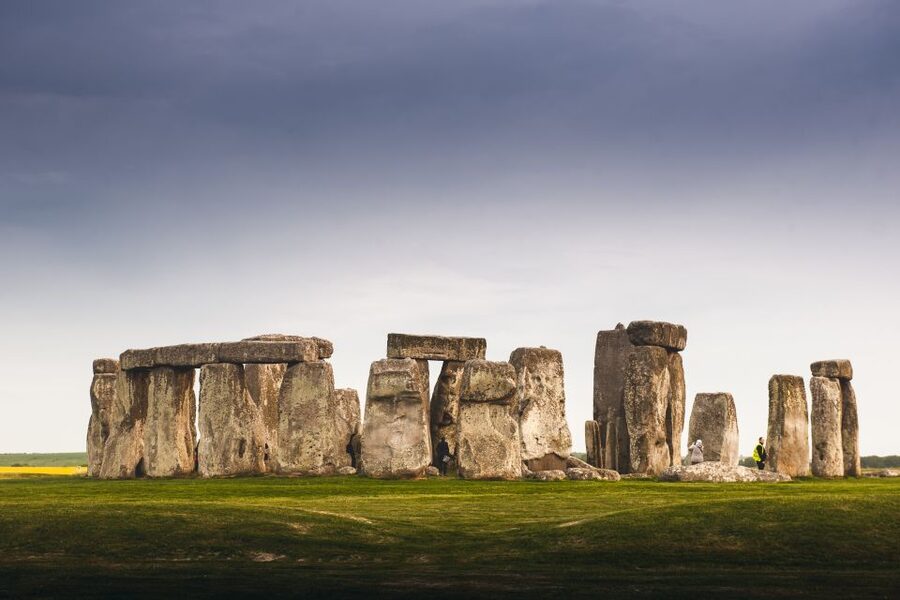
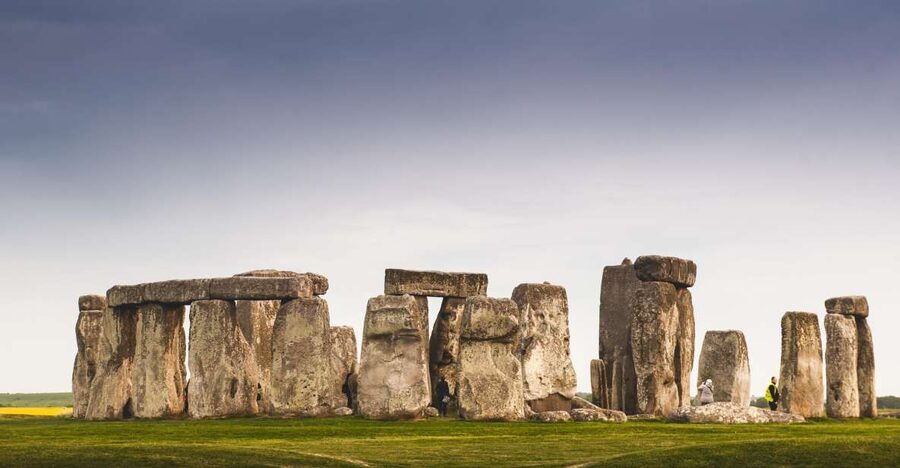
Stonehenge follows. The standing stones need little introduction, but seeing them in person explains their enduring pull. The site is open, exposed and mysterious, with a setting that feels very different from the tidy photographs seen in guidebooks.
Admission is included, which removes one extra cost and lets you focus on the visit. Bring a jacket even in mild weather, since the open setting can feel cool and windy. After Stonehenge, you continue to Exeter, your base for the first two nights.
Exeter adds Roman streets and a cathedral
Exeter began as a Roman fortified settlement and remains one of the best places on this route for seeing how different periods of English history overlap. The city has Roman walls, underground passages and the Royal Albert Memorial Museum.
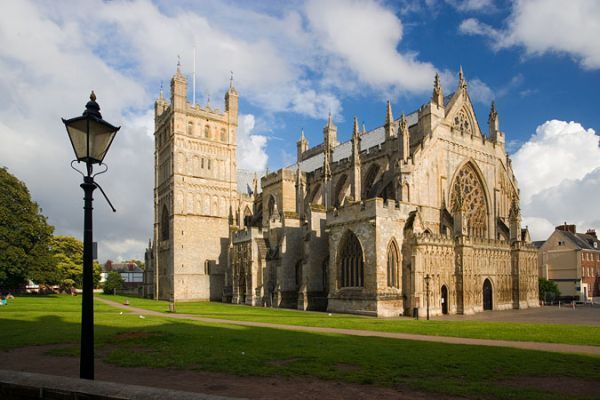
The 12th-century Norman Cathedral is the star attraction. Its scale and detail reward unhurried looking, especially after the open countryside of the first day. The underground passages offer a different kind of visit, but entry fees are not included unless specifically stated, so keep some money aside for optional sights.
Exeter works well as a base because you return here after Dartmoor. That means you can leave your main luggage in the room and spend the second day focused on the moor and the city.
Accommodation is in small, locally owned guesthouses or B&Bs. All rooms are en suite, but the properties are not necessarily in the center. You might walk 20 to 30 minutes to reach a pub or restaurant, and some buildings have stairs without lifts.
That arrangement gives the tour a local, personal feel, but standards can differ. The Townhouse in Exeter has been singled out for its welcoming owner, good breakfast and comfortable room. Other properties have been described as tired or inconveniently located. If your room matters as much as the sightseeing, ask for current accommodation details before booking.
Dartmoor brings moorland, stone bridges and Tavistock
Day two turns to Dartmoor, where open moorland replaces city streets. The scenery is the reason to bring proper footwear. You are not signing up for a long hike, but short walks and uneven ground are part of the experience.
At Postbridge, you see an ancient clapper bridge, a simple stone structure that shows how people once crossed the river. It is a small stop, but it fits the day well. Dartmoor is best understood through these modest details rather than only from a coach window.
Tavistock follows. This historic market town is linked with Sir Francis Drake and offers a change of pace after the moor. You can explore independently, browse local streets and take a break before returning to Exeter.
The afternoon brings more time in Exeter. This is one of the better-designed parts of the route because you are not asked to see the city and Dartmoor in a single rushed visit. Still, the day is active, so do not plan an elaborate evening.
Same city, a very different afternoon:
- From London: Harry Potter Warner Bros Studio Tour
★ 4.7 · 26,588 reviews - Magical London: Harry Potter Guided Walking Tour
★ 4.7 · 22,044 reviews - London: Madame Tussauds London
★ 4.6 · 20,915 reviews - Stonehenge, Windsor Castle, and Bath from London
★ 4.5 · 18,662 reviews
Boscastle and Tintagel show Cornwall at its most dramatic
The third day heads west to the North Cornish coast. Boscastle is an Elizabethan fishing village set around a narrow harbor. The village is a good place for a cream tea, a walk toward the headland or a visit to the Museum of Witchcraft.
You get choices here, which suits the tour’s relaxed style. You can keep moving outdoors, sit down with tea or spend time in a specialized museum. The cliff paths can be exposed, so footwear and weatherproof clothing matter.
Tintagel is the day’s major historic stop. The ruined castle occupies a headland above the sea and is tied to the King Arthur legends. The setting is the main event: steep approaches, open views and broken stone walls create a place that feels made for stories.
Tintagel Castle admission is included. The visit does involve walking and uneven ground, so anyone with limited mobility should ask about the practical demands before booking. The romantic setting is memorable, but do not expect a polished palace. This is a ruin on a rugged headland.
Port Isaac comes after lunch. The old fishing village is known to many viewers as the setting for Doc Martin. Even without the television connection, its harbor, narrow lanes and compact shape make it an enjoyable stop.
The village can feel busy at peak times, and the streets are not designed for large crowds. The minicoach helps by avoiding the scale and parking problems of a full-size bus, though the group still has a fixed departure time.
You then continue to Falmouth, your base for two nights. Falmouth is a working port town, not simply a postcard village. It gives you a useful base for the far western sights and a chance to eat independently.
St Michael’s Mount and the cliffs of the far west
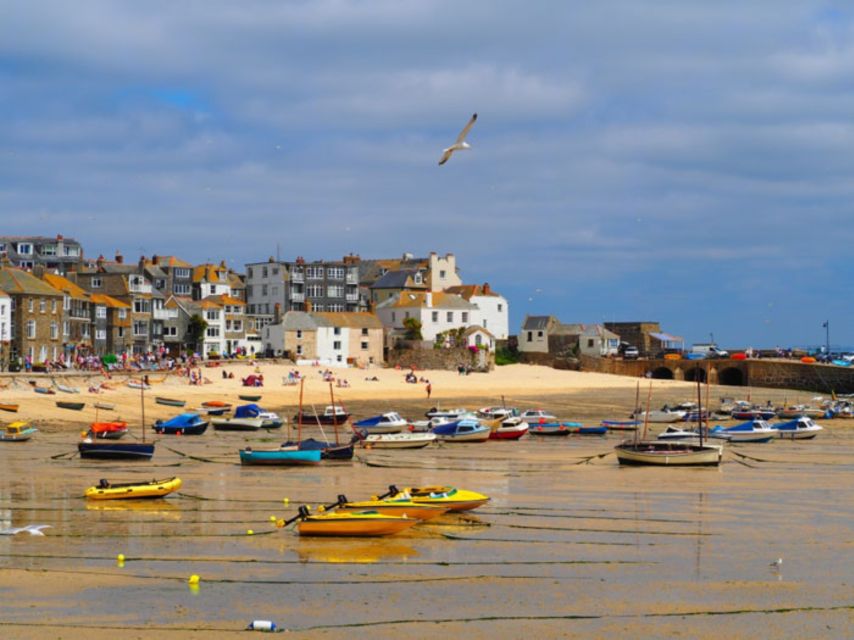
Day four is the biggest scenic day. The route takes you toward St Michael’s Mount, a striking island site linked to the mainland by a causeway. Access can depend on conditions and timing, so treat it as an important photo stop unless the day’s schedule allows a full visit. Entry fees beyond the inclusions are your responsibility.
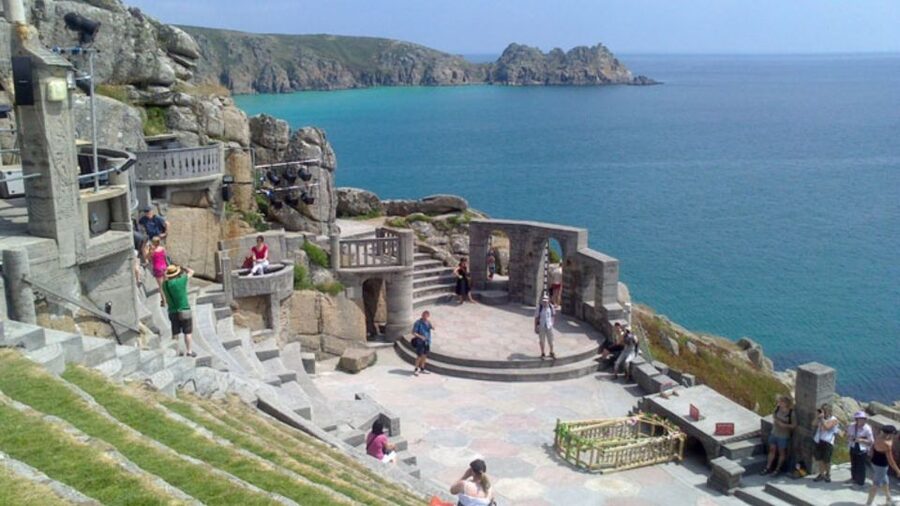
The Minack Theatre is one of the most unusual stops on the tour. Built into the cliffs above the Atlantic, it combines performance space with a dramatic coastal setting. It is worth checking the day’s admission arrangements because the tour includes Stonehenge and Tintagel, not every attraction along the route.
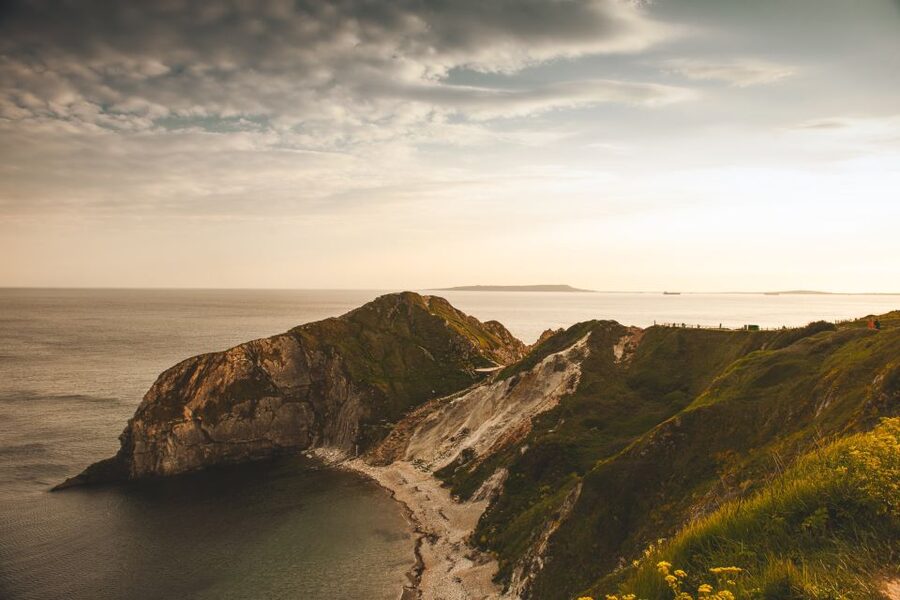
Nearby Porthcurno gives you one of Cornwall’s best beach settings. You can expect a short walk and time to take in the shore and cliffs. The coast is beautiful, but it is not gentle countryside. Wind, steep paths and changing weather are normal, so wear shoes with a firm grip.
Land’s End is the symbolic western tip of England. The view is broad and exposed, and the pleasure comes from standing at the edge of the country rather than from a long list of indoor attractions. Keep your expectations realistic: the setting is powerful, but the surrounding visitor facilities can feel more commercial than the cliffs suggest.
The route then passes old Cornish tin-mining country. Engine houses and mining remains mark an industry that shaped the region for generations. This is also the scenery used for Poldark, so television fans will recognize the rugged coast and mine-studded slopes.
St Ives closes the day with a softer, more artistic mood. Its narrow harbor-side streets hold galleries and shops, and you get time to explore at your own pace. It is a place where you can browse, sit by the water or simply walk without chasing another major monument.
You return to Falmouth for the night. The second evening in the same town is welcome after such a full day, though some accommodation may be a walk from the center.
Bodmin Moor and Glastonbury finish the trip
The final morning crosses Bodmin Moor, an Area of Outstanding Natural Beauty. The moor gives you one last stretch of open countryside before the route turns back toward London.
The timing can make this day feel long. You leave Cornwall, stop at Glastonbury and then continue to London, so much of the day is spent on the road. One useful approach is to treat the minicoach ride as part of the experience, watching the scenery change and listening to the guide’s stories, rather than expecting another packed sightseeing day.
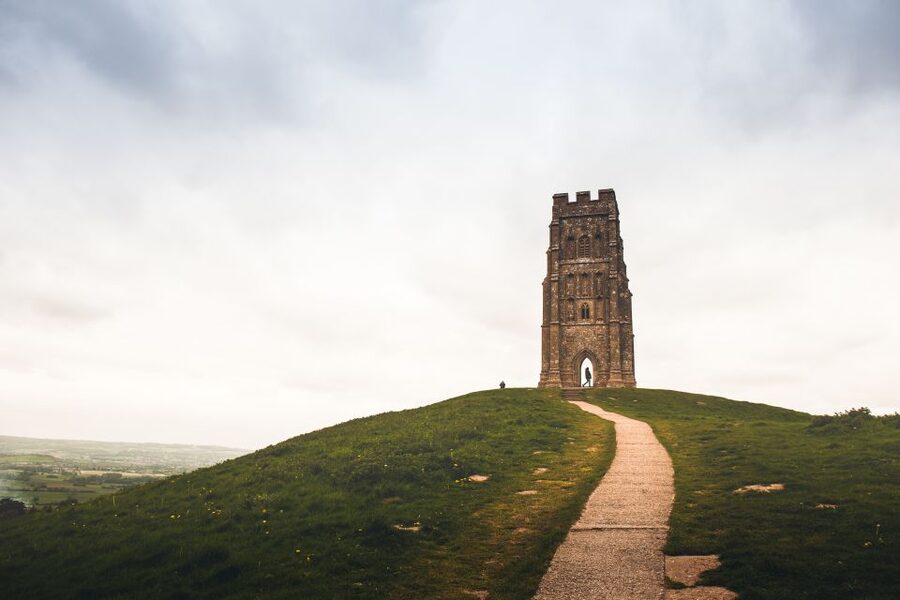
Glastonbury offers several choices. You can visit the ruins of the seventh-century abbey, have lunch or climb Glastonbury Tor for views across five counties. You probably will not have time to do everything slowly, so choose one main activity.
Some people may prefer more time in Glastonbury. Others will be ready to head toward London after four days of sightseeing. The schedule gives you a final historic stop, but the long return journey is the clearest drawback of the route.
The minicoach and guide make the difference
The vehicle is a top-of-the-range 16-seat Mercedes minicoach, with groups limited to 16 people. Actual group size can be smaller, and groups of five, eight or eleven have been reported on different departures.
That scale matters in Cornwall. Narrow roads, small harbors and village approaches are easier in a minicoach than in a large coach. You also spend five days with the same small group, which can make the journey sociable for a solo visitor.
The driver-guide is central to the experience. People such as Jack, John, David, Dan, Kate, Helen, June and Neil have led different departures. The best guides do two jobs well: explain the places as you travel and manage the practical details, including meeting points, timing, food suggestions and changes caused by weather.
You are not escorted through every attraction. The guide usually provides background, drops you near the sight and gives you a return time. That suits independent-minded people who want guidance without a constant commentary.
English is the only listed tour language. If you are fluent but not comfortable with different English accents, keep that in mind. One passenger had difficulty understanding a guide’s accent and even waited at the wrong place for an evening meeting. Ask questions when you are unsure, and write down the pickup point and time.
Food, rooms and what to pack
Breakfasts are included. Lunches, dinners, refreshments and most admissions are not, so budget beyond the $1,180 tour price. Your guide can suggest places to eat, but the group is not tied to one restaurant.
Bring comfortable walking shoes, layers and waterproof clothing. The route includes moorland, headlands, cliff paths, beaches and historic sites with uneven surfaces. Cornwall’s weather can change quickly, and an apparently short walk can feel demanding in wind or rain.
The B&B setup is part of the tradeoff. You get en suite rooms and, at the best properties, a warm local welcome and excellent breakfast. But properties may be spread across town, and quality is not perfectly consistent. A single traveler may also find that separate accommodation locations make it harder to meet the rest of the group in the evening.
Children under five are not accepted, and anyone under 18 must travel with an adult. If stairs are difficult, tell the operator in advance because lifts are not available in these types of guesthouses.
Should you book the Devon and Cornwall tour?
Book this trip if you want to see the major sights of Devon and Cornwall without driving, changing trains or planning every coastal connection. It is especially good for solo visitors, first-time visitors to southwest England and people who enjoy short walks, historic places and changing scenery.
I would also choose it if the idea of a large coach bothers you. The small vehicle, independent sightseeing time and friendly driver-guide style give the tour more personality than a standard bus circuit.
Think twice if you need polished, uniform hotels, dislike early starts or want long stays in each village. The schedule is full, the accommodation can vary, and the final return to London takes time.
For most people, the strongest reason to book is simple: you see an enormous amount of southwest England in five days, while someone else handles the roads. Just pack light, wear good shoes, keep an eye on meeting times and accept that Cornwall’s best scenery comes with a few long rides.
FAQ
Where does the tour leave from in London?
It leaves from Stance 3 at Greenline Coach Terminal, Bulleid Way, Victoria, London, SW1W 9SH. The terminal is directly behind Victoria Train Station and is not Victoria Coach Station.
How large is the tour group?
The group is limited to 16 participants and travels in a 16-seat Mercedes minicoach. Some departures may have fewer people.
What accommodation is provided?
You stay four nights in small, locally owned guesthouses and B&Bs. Rooms are en suite, but properties may be outside town centers and can require a 20 to 30 minute walk to pubs and restaurants.
Are meals included?
Breakfasts are included. Lunches, dinners, refreshments and drinks are not included.
Are Stonehenge and Tintagel Castle admissions included?
Yes. Admission to Stonehenge and Tintagel Castle is included. Other entry fees are not included unless specifically stated.
Is the tour offered in languages other than English?
No. The tour language is English and it is led by an English-speaking driver-guide.
Is the tour suitable for children?
Children under five are not accepted. Anyone under 18 must be accompanied by an adult.
What should I bring?
Bring suitable clothing and footwear for short walks, moorland, coastal paths and changeable weather. If you have difficulty with stairs, tell the operator because the guesthouses do not have lifts.
Just added in London
- 3-Day Stonehenge*, Glastonbury, Bath & the South West Coast Tour from London★ 4.5 · 32 reviews
- Private Guided Tour of Harry Potter Locations – English/ Italian★ 5.0 · 33 reviews
- Private Tour London Highlights, entries Westminster Abbey, The Tower of London★ 5.0 · 93 reviews
- 2 Hour Walking Tour from Buckingham Palace to Big Ben★ 5.0 · 32 reviews
- 30 Major London Attractions Walking Tour With Photos★ 4.5 · 51 reviews
- 007 Shadow Of Spectre★ 5.0 · 135 reviews
- Private Guided Tour of the British Museum – Tickets Included★ 5.0 · 193 reviews
- Bath, Avebury and Lacock Village Small-Group Day Tour from London★ 4.5 · 121 reviews
Tours in London, compared.

Magical London: Harry Potter Guided Walking Tour
Read our review →

Stonehenge, Windsor Castle, and Bath from London
Read our review →


Browse the lists this tour appears in