
Reviewed · BRITAIN
Cornwall: Eden Project Entry Ticket
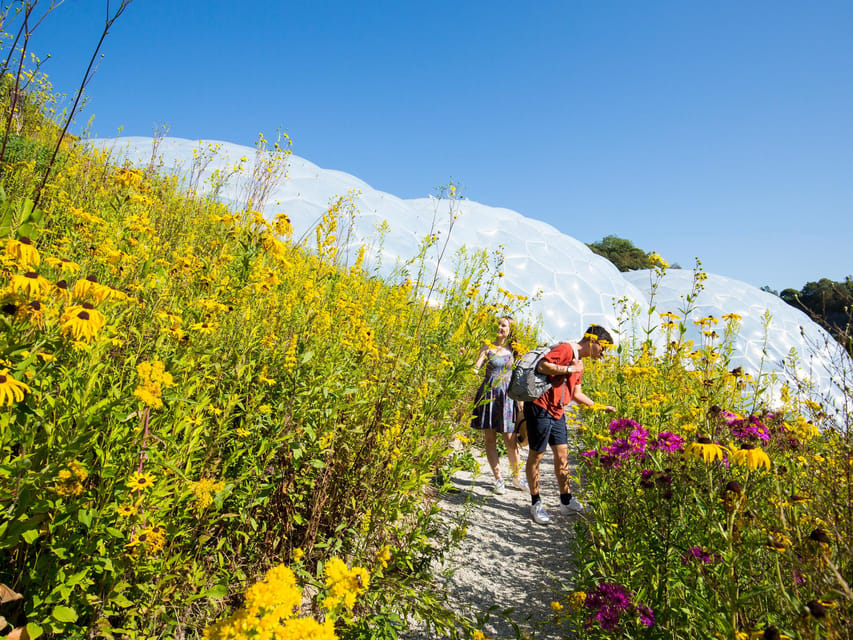
The Eden Project begins with one huge surprise: a former china clay mine now holds enormous silver biomes filled with plants from around the world. Inside, you move from a calm Mediterranean setting into hot, humid rainforest, then out to broad gardens, art, and hands-on exhibits. It is part botanic garden, part science center, and part ambitious environmental message.
I like the chance to see tropical plants in Cornwall, especially from paths that run both below and above the canopy. I also like the way the visit changes with the season, from family activities in school holidays to Christmas light shows.
The main drawback is scale. Four hours is the minimum, and a full day makes more sense if you want the outdoor gardens, food stops, and exhibits without rushing. The $51 price is substantial for a one-day ticket, and long walks, hills, queues, or temporary closures can affect the day.
Key points to know before you go
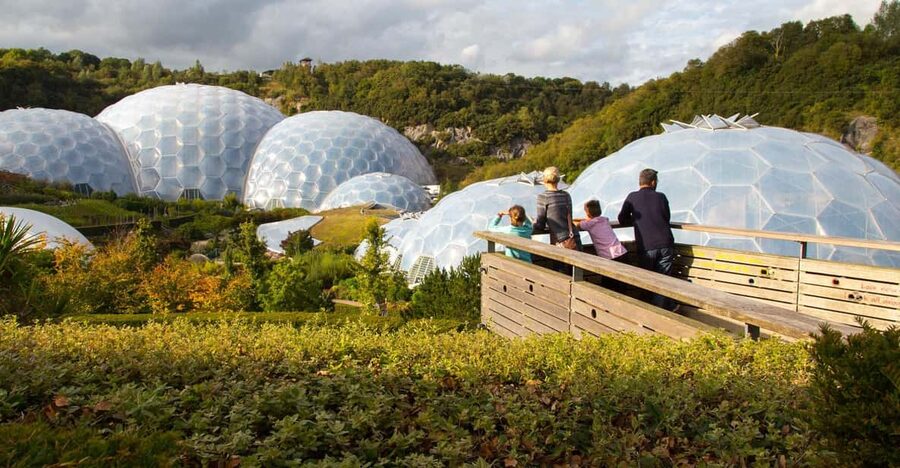
- The biomes are the main event: See tropical rainforest and Mediterranean plants under giant covered domes.
- Plan on four hours at least: A full day gives you time for the indoor and outdoor areas.
- The rainforest is hot and humid: Wear light layers and expect a warm change from Cornwall’s weather.
- Free events change through the year: Check the Eden Project calendar before booking.
- Food is available on site: Pizza, healthy meals, drinks, coffee, and cake are offered, though queues can build.
- The site is wheelchair accessible: Assistance tickets are available through the Eden Project website, and transport around the site may vary.
From clay mine to global garden
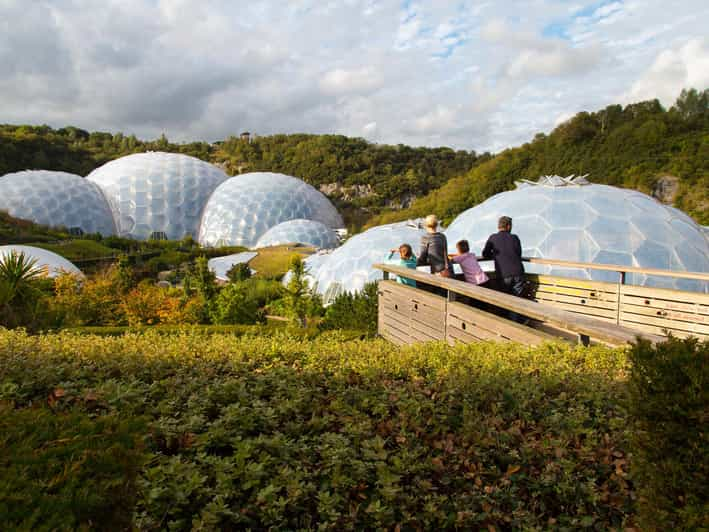
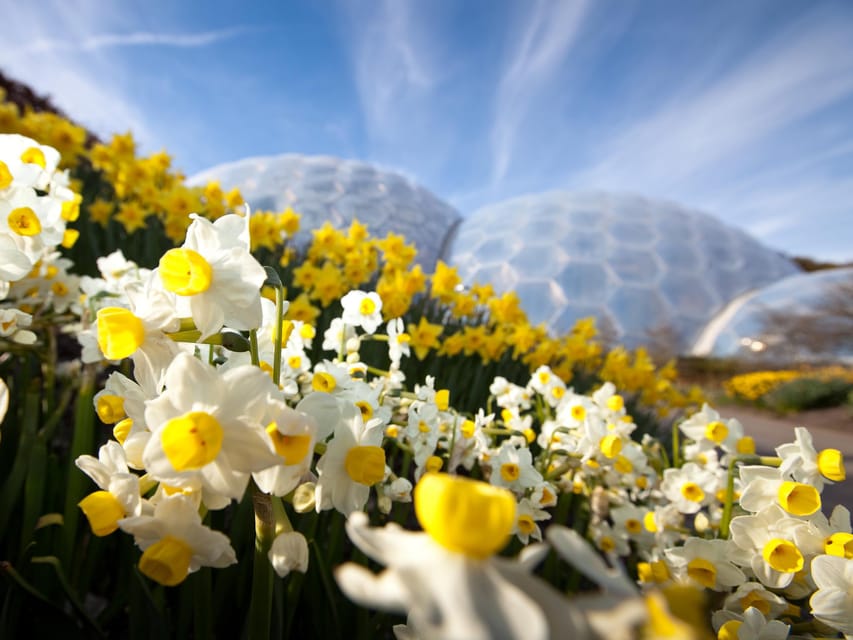
The Eden Project is valuable because the setting is part of the story. This was once a working clay mine, a scarred industrial site rather than a natural garden. The project turned that old pit into a place where you can see the links between plants, climate, food, and human choices.
You do not need a background in botany to appreciate it. The first view of the biomes does much of the work. Their scale makes the project feel less like a standard garden and more like a piece of engineering you can walk through.
I especially like that the message is not separated from the setting. The buildings, plants, exhibits, and former mine all point toward the same question: how can people work with the natural world instead of treating it as an endless supply cabinet?
The tone is hopeful, but the day is not just a lecture. You can pause beside plants, follow paths at your own pace, join a short talk when available, or simply sit and take in the space.
A few more things to do in Britain worth a look
- London: The London Eye Entry Ticket
★ 4.6 · 35,875 reviews - London: Tower Bridge Entry Ticket
★ 4.7 · 15,560 reviews - London: Westminster Abbey Entrance Ticket
★ 4.6 · 11,254 reviews
Inside the Mediterranean Biome
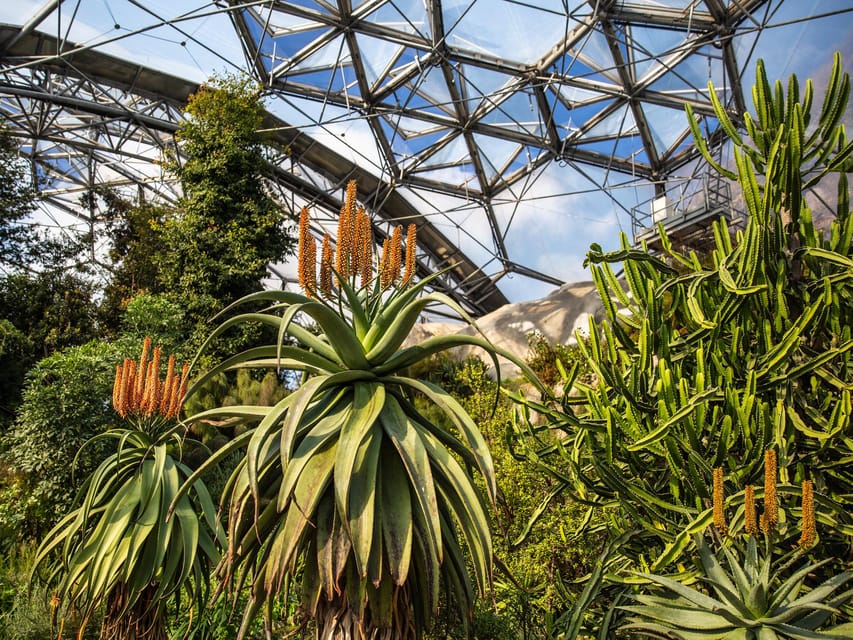
Start with the Mediterranean biome if you want a gentler introduction. This covered space has a more temperate feel than the rainforest, with plants from Mediterranean regions and a calmer atmosphere.
The change in climate is noticeable, especially if the weather outside is wet or cool. You can spend time looking at the plants and displays without the intense heat of the rainforest, making this a comfortable first stop for older visitors and families who need an easier pace.
This area also helps explain how plants adapt to dry, warm conditions. The value is not just in seeing unusual flowers and leaves. You begin to compare growing conditions across the world, which makes the later rainforest visit more meaningful.
Allow enough time to follow the paths instead of treating the biome as a quick photo stop. The site has plenty of places to sit, so you can break up the walking. That matters because the Eden Project covers a large area and the day can become tiring before you realize it.
The rainforest canopy and viewing platform
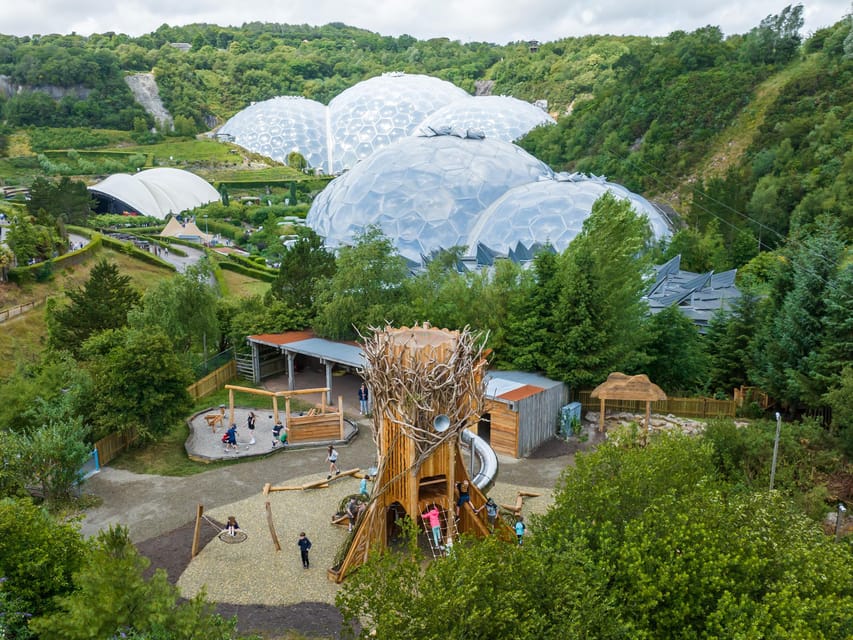
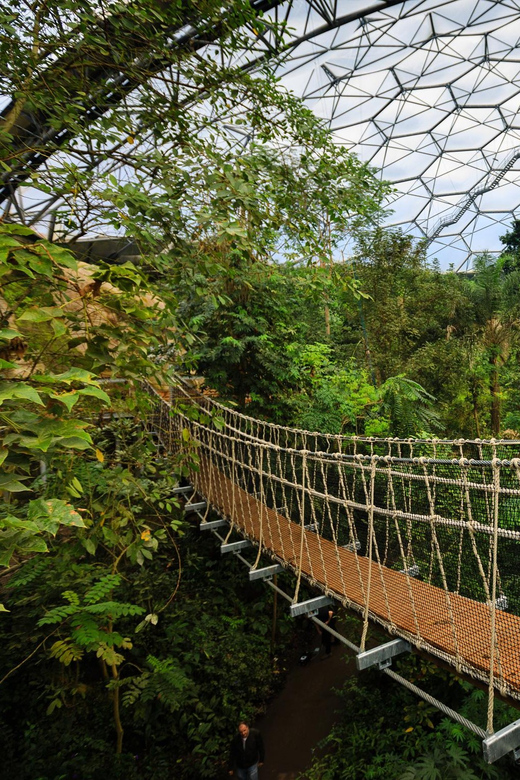
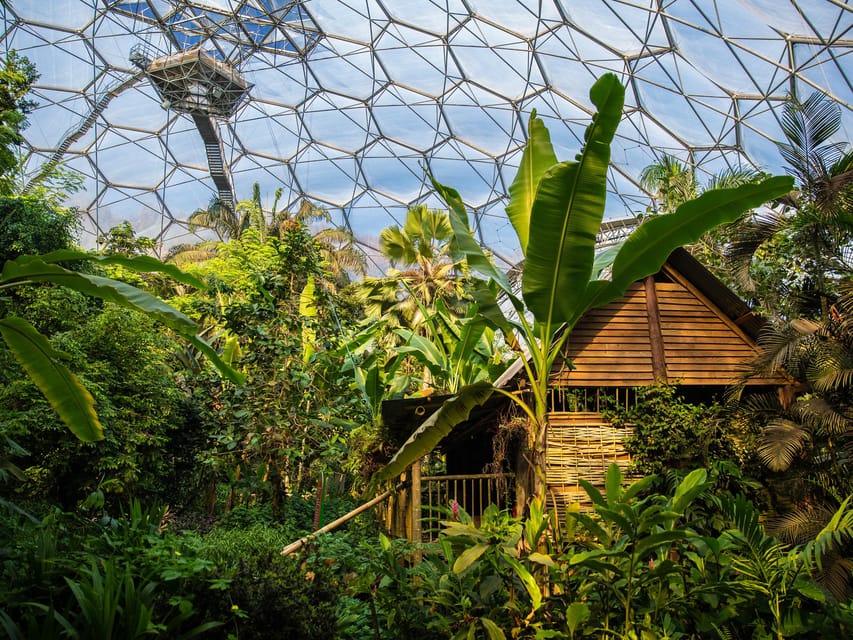
The rainforest biome is the star for most people. Inside, the warm air and heavy humidity create a sharp contrast with Cornwall. You follow paths through tropical plants, including bamboo and banana trees, while displays help explain rainforest life and the role these forests play around the world.
The paths let you see the plants from different levels. At ground level, the vegetation feels dense and close. Higher viewpoints give you a better sense of the canopy and the size of the structure around you.
The high viewing platform can become a slow point during busy periods. One visitor described a queue to reach the top, so do not build your entire schedule around getting up there. The lower paths still provide plenty to see, and you may prefer them if you dislike heights or have limited stamina.
A short talk can add a lot. Emma’s guided talk in the tropical dome was singled out as an engaging and well-informed highlight. Staff talks are not necessarily the same on every date, but check the daily program when you arrive. A few minutes of explanation can turn a striking plant display into something you remember.
Bring a reusable water bottle. Tap water is available at several spots for refills, and you will appreciate it in the warm biome. Drink before you feel thirsty, particularly if you are visiting with children or spending a long time on the upper paths.
Outdoor gardens, art, and the wider site

Do not leave after the domes. The outdoor gardens extend the visit and provide a different rhythm after the heat and humidity inside. You can walk through planting areas, find contemporary artwork, and stop at interactive exhibits.
The outdoor section is at its best on a dry day. In rain, it can be less appealing, especially for anyone who has mobility concerns or simply wants to stay warm. Still, a wet day does not ruin the visit because the biomes and indoor areas can fill much of your time.
The site involves substantial walking, including slopes. There are seats around the grounds, but you should wear comfortable shoes and plan a slower route if you are older, using a wheelchair, or pushing a stroller.
Access is generally good, and the attraction is wheelchair accessible. Transport options around the site can vary, though. Some days have a shuttle or buggy service, while one reported visit found the shuttle unavailable in poor weather. Ask staff about current arrangements when you arrive rather than assuming the walk from the car park will be easy.
Signage has room for improvement. Finding the exit and car parks can be confusing, and some people have found themselves walking in circles. Pick up a map or ask at the entrance, particularly if you have limited time or need to plan around rest stops.
Same city, a very different afternoon:
- From London: Harry Potter Warner Bros Studio Tour
★ 4.7 · 26,588 reviews - Magical London: Harry Potter Guided Walking Tour
★ 4.7 · 22,044 reviews - London: Madame Tussauds London
★ 4.6 · 20,915 reviews - Stonehenge, Windsor Castle, and Bath from London
★ 4.5 · 18,662 reviews
Exhibits, conservation, and changing events
The Eden Project is not only a collection of plants. Interactive exhibits and changing displays explain the natural world in ways that work for children and adults. The exact program changes, so check the official calendar before your visit.
Free events are included with regular admission. During school holidays, you might find family activities. At Christmas, the site can add music and light shows, but special experiences such as the Christmas Lights Experience may require a separate fee.
That distinction matters when you compare prices. The standard ticket covers entry for one day, but it does not automatically include every special event. Check the date-specific details before paying, especially if the seasonal program is your main reason for going.
The educational purpose is one of the strongest reasons to visit. You can enjoy the plants on a simple visual level, but the exhibits also ask you to think about food, climate, habitats, and the relationship between living things. Families can use the site as a practical lesson without making the day feel like school.
A few areas may be closed for maintenance. That is understandable at a large living attraction, but it can disappoint children if a favorite feature is unavailable. The project needs constant care, and some maintenance is unavoidable, so check current notices if you are making a long journey.
Food, water, toilets, and rest stops
You can eat at the Eden Project rather than leave and return. Options include pizza, healthy food, drinks, coffee, and cake. The food is useful because a full visit can last from late morning until closing, and carrying a picnic may not suit everyone.
Queues can be the weak point. Sandwich queues have reached around 20 minutes, and hot-drink lines can be long at busy times. If you need a quick lunch, avoid the busiest window or bring food with you if the rules and weather make that practical.
Food choices may not please everyone. The on-site offer leans toward items such as curry, pasties, pizza, and healthier meals, rather than a wide range of basic fast food. Prices are typical of a major attraction, though some people find drinks expensive.
There are many places to sit, indoors and outside. That makes it easier to take a break without turning the visit into a race. Free tap water is available at several points, so a reusable bottle saves money and reduces waste.
Toilet standards can vary by day. Most facilities are convenient, but one poor report described dirty toilets. If you find a problem, tell staff promptly. The attraction is large, and maintenance issues may not be visible from every part of the site.
Dogs, children, and different activity levels
The Eden Project works well for families because there is plenty to see, changing activity, and room to move. Children can focus on the giant domes, warm rainforest, interactive exhibits, and seasonal programs, while adults can spend more time with the plants and environmental displays.
Do not assume your dog can enter the biomes. Dogs are not allowed inside those covered areas, although one account described water bowls around the site and a dog being accommodated in outdoor areas. Confirm the current dog rules before arrival, especially if your pet is traveling with you.
The attraction also suits couples and solo visitors who like gardens, architecture, or environmental subjects. You can move independently, pause often, and spend more time in one biome if it interests you.
The main challenge is physical effort. A full day includes walking between areas, slopes, standing in queues, and possible heat inside the rainforest. Someone in their seventies may find the amount of walking tiring, even with seating available. If that sounds like you, aim for the most important areas first and ask about transport assistance at the entrance.
Is the $51 ticket good value?
At $51 per person, this is not a casual stop for an hour. The price makes more sense when you treat the Eden Project as a full-day attraction rather than a garden visit.
You are paying for the unusual setting, the large covered biomes, specialist plant collections, exhibits, outdoor gardens, and changing program. The engineering alone gives the visit a scale you will not find at an ordinary botanic garden.
The value is strongest if you can stay six hours or more and enjoy several parts of the site. It is weaker if you plan to see only the domes, dislike walking, or arrive late when queues and limited time will reduce what you can do.
Check the ticket type carefully. The activity described here is valid for one day. Buying directly from the Eden Project may offer different conditions, including longer validity or a year of entry, so compare the terms before you pay. This is especially important if you are visiting with friends who have purchased a different ticket.
The entry ticket is non-refundable, so check the date, event details, and likely weather before booking. Wet weather does not prevent an indoor visit, but it can reduce the appeal of the outdoor gardens.
Practical plan for your day
Arrive with a simple plan, but leave room to wander. I would begin with the main biomes while energy is high, then take lunch before the busiest food queues build.
A useful order is:
- See the Mediterranean biome first.
- Continue to the rainforest biome and check the talk schedule.
- Allow time for the upper viewing level if the queue is reasonable.
- Eat and refill your water bottle.
- Walk the outdoor gardens and art areas.
- Finish with exhibits or a second look at the biome that interested you most.
You should allow at least four hours. I would set aside a full day if you are traveling a long distance, visiting with children, or want to attend an event.
Wear shoes suited to slopes and long walks. Bring a reusable bottle, light layers for the warm rainforest, and waterproof clothing if you want to see the outdoor areas in unsettled weather.
Parking and site transport deserve attention. The walk from the car park can be steep, and shuttle arrangements may change. If anyone in your group has mobility needs, ask staff immediately about the available buggy or bus service rather than waiting until the end of the day.
Who should book the Eden Project?
Book this if you want a major day out with plants, architecture, science, and a clear environmental purpose. It is especially good for families, garden lovers, couples, and anyone fascinated by how a damaged industrial site can be given a new life.
Think twice if you want a compact attraction with little walking, quick meals, and a guaranteed quiet visit. The $51 price needs a full day to feel fair, and temporary closures, queues, rain, or limited transport can affect the experience.
For most people, the biomes justify the journey. Add the outdoor gardens, talks, food, and seasonal program, and the Eden Project becomes a substantial Cornwall outing rather than a short photo stop. Check the ticket terms and event calendar first, then book when you can give the site enough time.
FAQ
How long should I allow for the Eden Project?
You should allow at least four hours, but a full day is recommended if you want to see the biomes, outdoor gardens, exhibits, art, and food areas without rushing.
What does the entry ticket include?
The ticket includes entry to the Eden Project for one day. Special events and experiences, such as the Christmas Lights Experience, may require a separate fee.
Is the Eden Project suitable for children?
Yes. The site is suitable for all ages and offers family activities during some school holidays, along with interactive exhibits and plenty of plant displays.
Is the Eden Project wheelchair accessible?
Yes, the activity is wheelchair accessible. Tickets for personal assistants accompanying a person with disabilities are available through the Eden Project website.
Can I bring a reusable water bottle?
Yes. You are encouraged to bring one, and free tap water is available at multiple locations for refills.
Can dogs enter the biomes?
Dogs cannot enter the biomes. Outdoor arrangements may be available, but you should check the current rules before visiting with a dog.
Are food and drinks available on site?
Yes. The site has places serving food and drinks, including pizza, healthy meals, coffee, cake, and other options. Queues can be longer at busy times.
Is the ticket refundable if I change my plans?
No. This activity is non-refundable, so check the date and event details carefully before booking.
Just added in Britain
- 3-Day Stonehenge*, Glastonbury, Bath & the South West Coast Tour from London★ 4.5 · 32 reviews
- Private Guided Tour of Harry Potter Locations – English/ Italian★ 5.0 · 33 reviews
- Private Tour London Highlights, entries Westminster Abbey, The Tower of London★ 5.0 · 93 reviews
- 2 Hour Walking Tour from Buckingham Palace to Big Ben★ 5.0 · 32 reviews
- 30 Major London Attractions Walking Tour With Photos★ 4.5 · 51 reviews
- City Sightseeing Llandudno Hop-On Hop-Off Bus Tour★ 4.0 · 109 reviews
- 007 Shadow Of Spectre★ 5.0 · 135 reviews
- Private Guided Tour of the British Museum – Tickets Included★ 5.0 · 193 reviews