
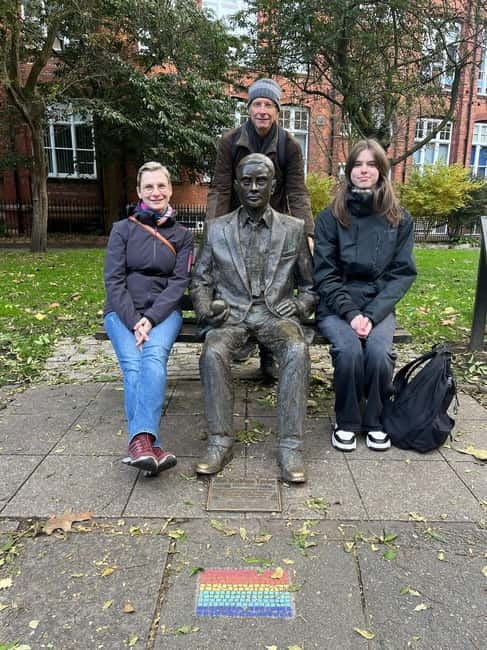
Reviewed · WALKING TOURS
Manchester: Morning or Afternoon City Walking Tour
Manchester’s story is packed into this 1.5-hour city walk, from Roman foundations and medieval lanes to industry, suffragette campaigns, football, street art, music, and LGBTQ+ life. It is a useful first look at a city that rewards curiosity.
I like the way the tour mixes major sights with lesser-seen details, and I like that local guides such as David, Dave, Rebecca, and Sam add personal recommendations rather than simply reciting dates. The main limitation is time: you cover a lot, but you will not explore every district or enter the attractions along the route.
Key points to know before you book
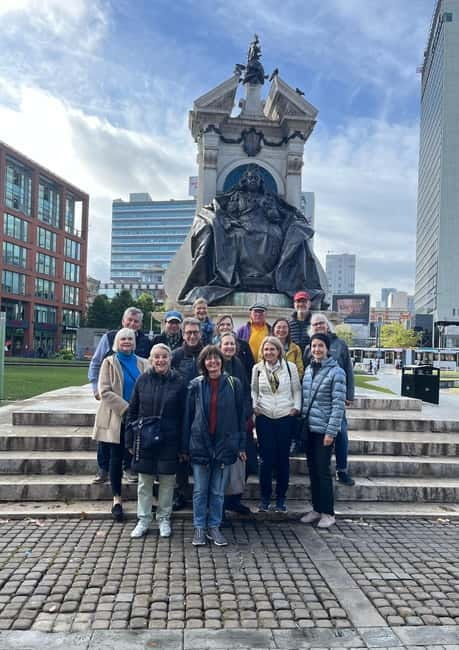
- A fast history lesson: Follow Manchester from Roman beginnings and the industrial boom to women’s rights, music, football, and LGBTQ+ culture.
- A useful first-day walk: The route links St Peter’s Square, the Royal Exchange Theatre, the Mediaeval Quarter, Street Art, the Gay Village, and the Northern Quarter.
- Local guides make the difference: David, Dave, Rebecca, and Sam are among the guides praised for clear stories, humor, patience, and practical tips.
- Good value for a short tour: At $18.86 per person, you get 90 minutes with an English-speaking local guide.
- Plan for Manchester weather: The walk runs rain or shine, so comfortable shoes and weather-appropriate clothing matter.
- Simple access: Meet outside the main entrance of Manchester Central Library and return to the same spot. The activity is wheelchair accessible.
Why this Manchester walk works as an introduction
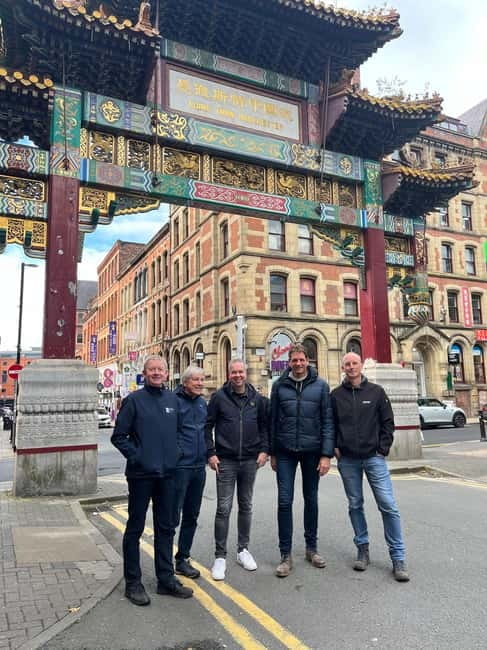
Manchester can feel scattered at first. Its important places sit across several areas, and the city’s character changes quickly from grand civic buildings to canals, theaters, murals, historic streets, and nightlife districts.
This tour gives you a framework. Instead of seeing a town hall or square as a nice photo stop, you hear how Manchester grew, fought, traded, protested, entertained itself, and reshaped its identity. That context helps you make better choices for the rest of your visit.
The walk is especially useful early in your stay. You can note places you want to return to, ask your guide for ideas, and get a sense of how the central districts connect. One good example is the recommendation of John Rylands Library, which one participant followed up on after the walk. The tour itself does not promise an interior visit, but a guide’s local suggestions can point you toward worthwhile next stops.
At $18.86, the price is reasonable for a 90-minute guided introduction. You are paying for a human explanation of the city, not admission to a museum or a long list of included extras. If you want a deep study of Manchester’s industrial past, this will feel brief. If you want a smart orientation before exploring alone, the value is stronger.
More Walking Tours in Manchester:
- Manchester Afternoon Walking Tour
★ 5.0 · 1,033 reviews - Rock and Goal Manchester Walking Tour
★ 5.0 · 587 reviews - Manchester: Media City & The Quays Guided Walking Tour
★ 5.0 · 165 reviews
Starting at Manchester Central Library and St Peter’s Square
Your meeting point is outside the main entrance of Manchester Central Library. Look for a guide wearing a bright orange jacket or an orange lanyard.
This is a practical starting point because St Peter’s Square is one of the city’s key public spaces. The square lets the guide set the scene for Manchester’s civic life and explain how the city’s public identity developed. It also provides an easy place to begin before moving into the surrounding districts.
The tour’s opening history reaches back to Roman foundations. You will not be spending the full 90 minutes on ancient Manchester, but the Roman connection gives the city a useful starting date. From there, the story moves through medieval development, trade, manufacturing, reform, and modern culture.
I like this broad approach because Manchester makes more sense when you see its past as a chain of changes rather than a collection of old buildings. The guide can connect political struggles, commerce, architecture, and popular culture in a way a guidebook map often cannot.
The Royal Exchange Theatre and the city’s trading past
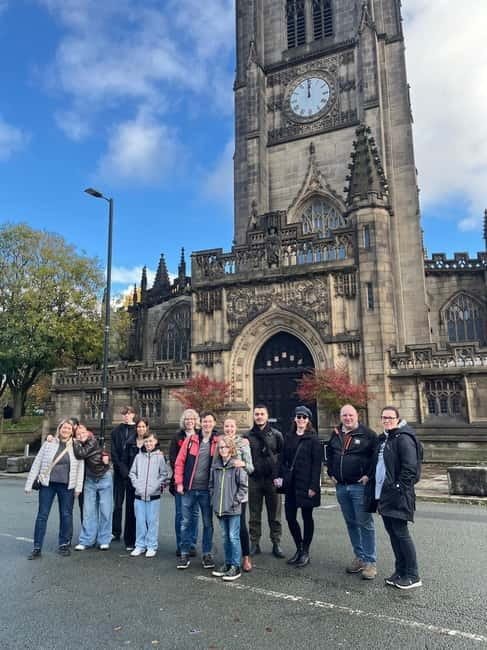
The Royal Exchange Theatre brings another side of Manchester into the walk. It is a reminder that the city is not defined only by factories and warehouses. Commerce, public life, and performance all helped shape the center.
The theater also gives the guide a chance to show how old city spaces can take on new roles. That idea fits Manchester well: the city has repeatedly adapted its buildings and districts as its economy and culture changed.
You should expect an outdoor explanation rather than a theater visit. The tour focuses on seeing the city and hearing its stories, so anyone hoping to sit inside a venue or attend a performance will need to plan that separately.
The Mediaeval Quarter and earlier Manchester
The Mediaeval Quarter brings the route closer to the city’s older layers. Here, the guide can place Manchester before the industrial boom, when the city was smaller and its streets carried a different kind of trade and daily life.
This part is valuable because industrial Manchester can dominate the usual picture. The earlier story shows that the city did not appear suddenly with mills and railways. Roman and medieval roots came first, followed by the commercial and manufacturing changes that made Manchester internationally important.
The exact balance of stops can vary with the guide and conditions, so think of this as a guided overview rather than a full architectural survey. You will get useful context, but not every historic building can receive equal attention in 90 minutes.
More walks around Manchester:
- Four hour walking wine tasting tour of Manchester’s best bars
★ 5.0 · 136 reviews - Manchester: Music-Themed City Walking Tour
★ 4.4 · 109 reviews - Manchester: Food and Drinks Walking Tour
★ 4.9 · 70 reviews - Magical London: Harry Potter Guided Walking Tour
★ 4.7 · 22,044 reviews
St Peter’s Square, reform, and women’s rights
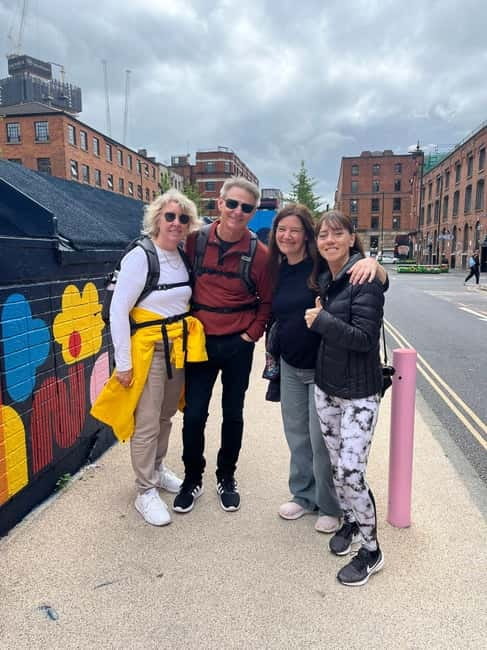
Manchester’s civic story includes the fight for women’s rights, and the walk connects the city’s streets with the suffragette movement. This is one of the tour’s strongest features because it broadens the usual industrial narrative.
You hear about people who challenged political rules and public expectations, not just merchants, factory owners, and famous men. Following the footsteps of suffragettes gives the center a human scale. A square or street becomes part of a campaign, not simply a backdrop for photographs.
I appreciate that the tour includes this subject alongside architecture and local culture. It helps you see Manchester as a place shaped by arguments and pressure for change. The discussion is part of a wider city overview, though, so you should not expect a specialist suffrage tour.
Street art and Manchester’s modern creative side
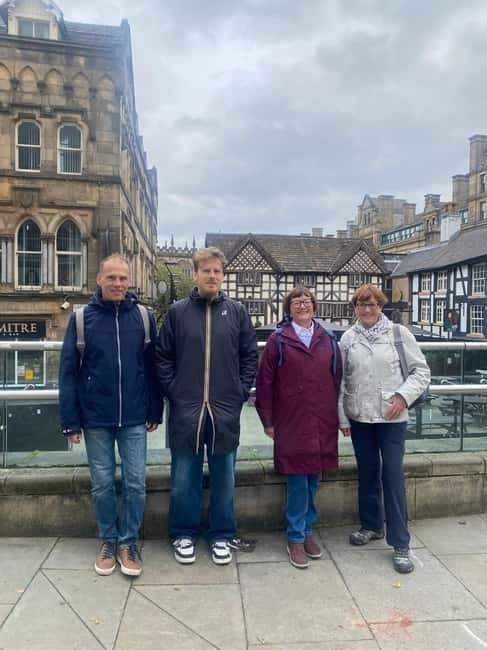
Street art adds color and surprise to the route. It also shows how Manchester’s creative life continues outside formal galleries and theaters.
A local guide is useful here because murals and painted walls can be easy to miss. You might walk past them without knowing why a particular corner matters or how art fits the character of the area. The tour promises hidden treasures along the way, and street art is a natural part of that search.
The route does not promise a fixed list of murals. Street art changes, and the guide may point out what is most relevant or visible on the day. Think of this portion as an introduction to the city’s public creativity, with possible ideas for further exploring on your own.
The Gay Village and LGBTQ+ Manchester
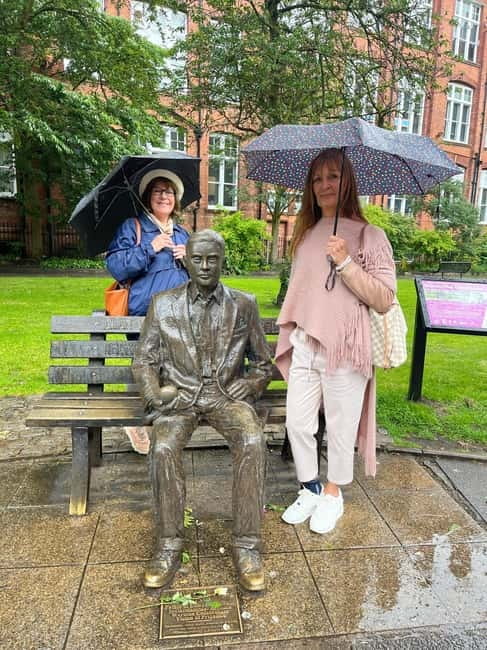
The Gay Village is included as part of the city’s modern cultural story. Its place on the route matters because Manchester’s identity is tied not only to old industry but also to communities that have shaped its nightlife, public life, and sense of self.
A guided visit helps you understand the area in context rather than treating it as a quick photo stop. The guide can connect the district to broader changes in Manchester and explain why it remains an important part of the central city.
The stop is best approached with respect and attention. This is a lived-in cultural area, not a museum display. The tour gives you an introduction, while a return visit lets you decide how much time you want to spend there later.
Northern Quarter, music, and street-level character
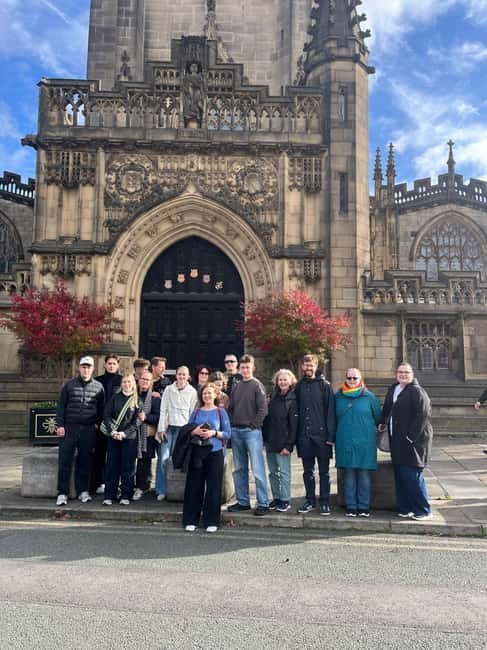
The Northern Quarter brings a different mood to the walk. It is associated with creative businesses, music, independent culture, and street art, and it helps explain why Manchester has such a strong reputation for producing and supporting music.
The tour’s references to legendary street artists and music scenes make this more than a quick walk past shops. You get clues about how the area fits into the city’s current identity. If you are interested in music, design, or independent venues, this may be one of the most useful parts for planning your own evening.
Still, this is an overview, not a dedicated music tour. You will hear about the cultural role of the area, but the supplied details do not promise venue entry, live music, or a particular club or band site.
Football, merchants, and the people behind the city
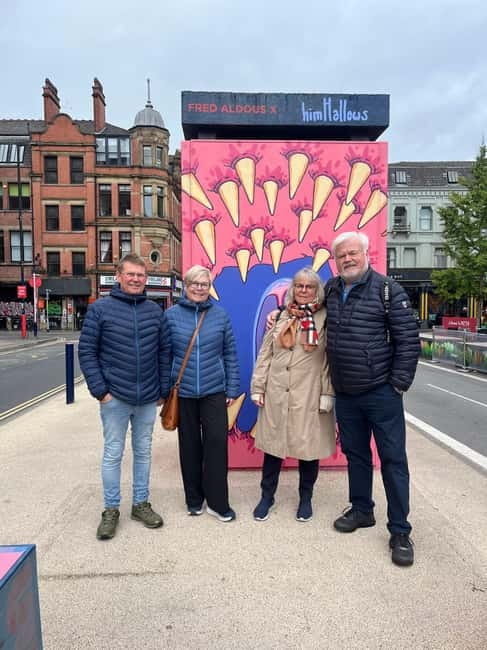
The tour also brings in football icons and pioneering merchants. These subjects help connect everyday Manchester with its wider reputation.
The merchant story explains the city’s drive, trade, and wealth. Football adds the emotional side of local identity. Together, they show why Manchester is more than a set of historic buildings. Its people, loyalties, ambitions, and rivalries matter just as much.
The guide’s delivery is important here. David and Dave are praised for humor, clear explanations, and an approachable manner. Rebecca is described as warm, enthusiastic, and inclusive, while Sam is noted for local recommendations and a cheerful style. Your guide may be someone else, but the experience depends heavily on how that person brings the material to life.
The pace, route, and walking conditions
The activity lasts 90 minutes and returns to Manchester Central Library. That return point makes it easy to continue sightseeing, find lunch, or reach another central destination afterward.
The walk is described as easily manageable, with guides keeping a good pace and making sure people do not fall behind. One useful detail is that a guide helped the group stay safe around heavy traffic. You should still pay attention at crossings and wear shoes you can walk in comfortably.
The tour is wheelchair accessible. Even so, city walking conditions can vary, and the tour takes place outdoors in changing weather. The provider specifically says it runs rain or shine, so bring suitable clothing rather than hoping for a dry forecast.
The route covers several districts and themes in a short time. That is a strength if you want a broad introduction, but it can also feel brisk. One person wished the tour lasted longer to include more of Manchester. I agree with that tradeoff: the route gives you range, but not much time for long pauses.
What the guides add to the experience
The strongest pattern in the guide feedback is not a single landmark. It is the quality of the explanation and personal contact.
David is repeatedly praised for city knowledge, humor, patience, approachability, and good recommendations. One group from Manchester even learned new details about its own home city. That is a useful sign that the tour is not aimed only at first-time visitors.
Dave is described as engaging and funny in his delivery. Rebecca is praised for her positive energy, warmth, and ability to keep a group together at a comfortable pace. Sam is noted for combining historical information with personal suggestions.
A small group can make this kind of tour more rewarding because you have a better chance to ask questions and speak with the guide. One participant specifically appreciated being able to have a personal chat with David. Group size is not specified as a fixed feature, so do not book on the assumption that every departure will be tiny.
Who should book this tour
I would choose this walk if you are visiting Manchester for the first time and want a clear introduction before exploring independently. It also suits people who enjoy social history, city culture, street art, music, football, and LGBTQ+ history in one compact outing.
It is a good fit for families and mixed-age groups who want a manageable walk rather than a full-day excursion. It also works for people with limited time in the city, since the meeting point and finish are both central.
You may want something else if your priority is Roman archaeology, Castlefield, industrial museums, or detailed architectural history. One participant specifically hoped to see Castlefield and hear more about its Roman connections. Those subjects are not promised as central parts of this route.
Booking value and practical details
The cost is $18.86 per person, with a 1.5-hour duration. For that price, the main benefit is the guide’s interpretation and the chance to see several central areas without planning the route yourself.
You can cancel up to 24 hours before the activity for a full refund, and you can reserve now and pay later. Those options are useful if your Manchester plans are still shifting. Starting times vary, so check availability before booking.
The tour is conducted in English. Meet outside the main entrance of Manchester Central Library, find the bright orange jacket or lanyard, and return to the same meeting point at the end.
Should you book the Manchester city walking tour?
Book it if you want a friendly, useful first look at Manchester with history and modern culture given equal weight. The combination of Roman roots, industrial change, suffragettes, street art, the Gay Village, the Northern Quarter, music, and football gives you a strong sense of the city’s range.
The main caution is its short length. You will see many subjects, but you will not study each one in depth or enter every attraction. For most visitors, that is a fair exchange at $18.86. Take notes on the guide’s recommendations, return to the places that catch your interest, and treat this as the opening chapter of your Manchester visit.
FAQ
How long does the Manchester walking tour last?
The tour lasts 1.5 hours, or 90 minutes.
Where does the tour start?
It starts outside the main entrance of Manchester Central Library. Your guide will wear a bright orange jacket, an orange lanyard, or both.
Where does the tour end?
The activity ends back at the Manchester Central Library meeting point.
What language is the tour conducted in?
The tour is conducted in English with a live English-speaking guide.
Is the tour wheelchair accessible?
Yes, the activity is listed as wheelchair accessible.
What should I bring?
Bring comfortable shoes and clothing suitable for the weather.
Does the tour run in bad weather?
Yes. The tour runs rain or shine, so prepare for outdoor conditions.
Can I cancel for a refund?
Yes. You can cancel up to 24 hours in advance for a full refund. You can also reserve your place and pay later.
Just added in Manchester
- Manchester: SEA LIFE Entrance Ticket★ 4.2 · 170 reviews
- Manchester: LEGOLAND Discovery Centre Entrance Ticket★ 4.2 · 99 reviews
- Manchester: Silent Disco Adventure Tour★ 5.0 · 72 reviews
- Manchester: Music-Themed City Walking Tour★ 4.4 · 109 reviews
- Manchester: The Coronation Street Experience★ 4.8 · 563 reviews
- Manchester: Junkyard Golf Club Tickets for 9 or 18 Holes★ 4.6 · 133 reviews
- Manchester: Lake District Tour with Lake Cruise & Train Ride★ 4.6 · 304 reviews
- Manchester: Guided Cheese Crawl with Tastings★ 4.6 · 53 reviews
Walking Tours, compared.

Magical London: Harry Potter Guided Walking Tour
Read our review →
Underground Vaults Walking Tour in Edinburgh Old Town
Read our review →
Oxford University Walking Tour With University Alumni Guide
Read our review →
Edinburgh Castle: Guided Walking Tour with Entry Ticket
Read our review →
Edinburgh Castle Guided Walking Tour in English
Read our review →
Tour for Muggles The Ultimate Harry Potter Walking Tour in London
Read our review →
University and City Walking Tour with Alumni Guide
Read our review →Browse the lists this tour appears in