
Reviewed · HISTORICAL TOURS
St Andrews: Town, Golf, and Old Course History Tour
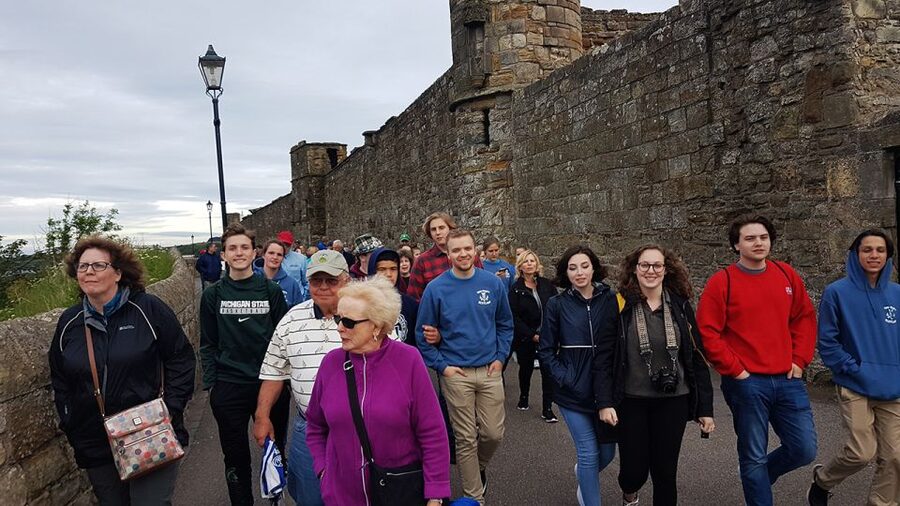
St Andrews makes the most sense when you connect its medieval ruins, university life, and golf in one walk. This tour does exactly that, leading you from T-Squared Social through St Salvator’s College, the cathedral grounds, the Scores, and finally the Old Course.
I like the way the tour works for golfers and non-golfers alike. I also like the guide-led storytelling, especially when Richard or Jim links famous names, local places, and the development of golf into one clear story. The main drawback is pace: you walk for about two hours, and one recent group found that fast walking and traffic noise made some commentary hard to catch.
Key details before you book
- Golf reaches beyond the Old Course: You begin with St Andrews town history, the university, William and Kate, cathedral ruins, and local characters before reaching the famous links.
- The cathedral grounds include golfing graves: You can pay your respects to Old and Young Tom Morris, Allan Robertson, and Jamie Anderson among 124 noted golfers buried there.
- Guides bring strong local knowledge: Richard is a frequent guide, and Jim has also led the tour. Both are described as engaging, clear, and well versed in St Andrews and golf.
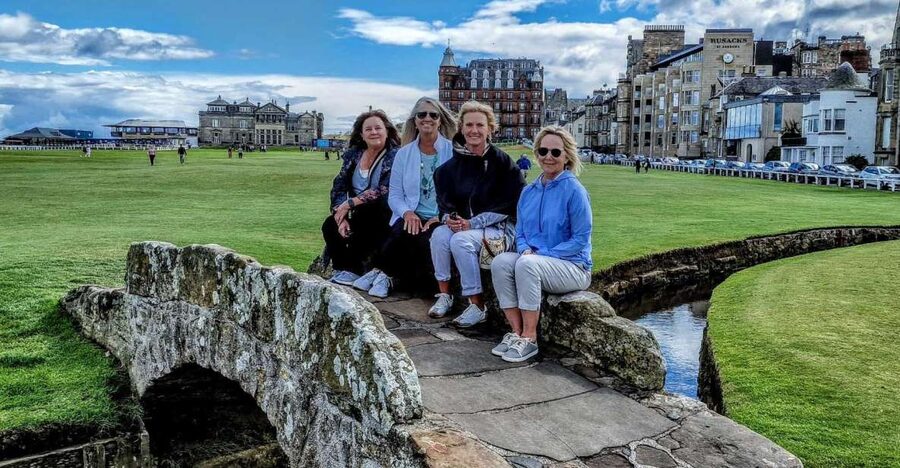
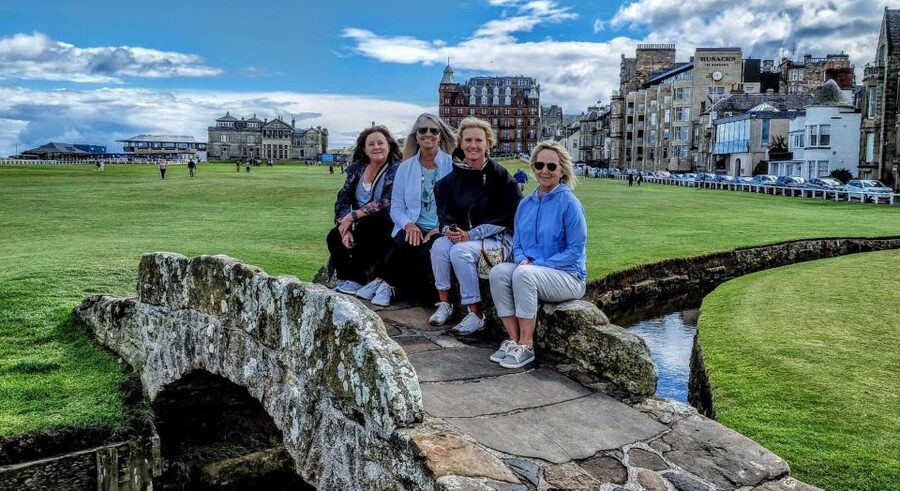
- The Old Course visit is a walking look, not a round of golf: You see the 18th green, 1st tee, first fairway, and the Swilcan Bridge.
- The finish is made for photographs: Bridge photos are included except on tournament days, when access can change.
- Strict timing matters: Meet outside T-Squared Social at least a few minutes early. If you arrive late, you may not be allowed to join.
Why this St Andrews walk works for mixed interests

A golf tour can be a tough sell if one person in your group knows the difference between a links course and a parkland course while another simply wants to see a handsome Scottish town. This experience solves much of that problem by treating golf as part of St Andrews life, not the only subject.
You will hear about the town’s university, royal connections, religious buildings, and famous residents before the walk turns fully toward the Old Course. That balance is why the tour has worked well for couples and groups with one golf fan and one history fan.
The strongest part is the human storytelling. Richard has guided many of the tours and is praised for his humor, clear explanations, and personal experience around St Andrews. Some accounts also note his background as a caddie and his ability to explain the course from an inside perspective. Jim is also described as a guide with a great deal of golf and local history to share.
You should still arrive ready to listen while walking. The tour runs to a schedule, and you may be standing near roads where traffic can drown out a sentence or two. If you need every word, stay close to the guide and politely ask the group to pause when the street gets noisy.
A few more things to do in Britain worth a look
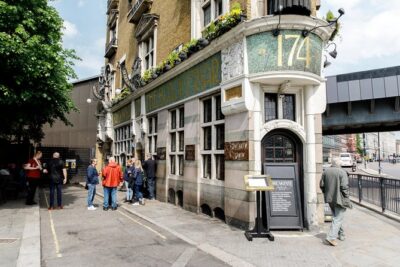
- London Small Group Tour of Historical Pubs
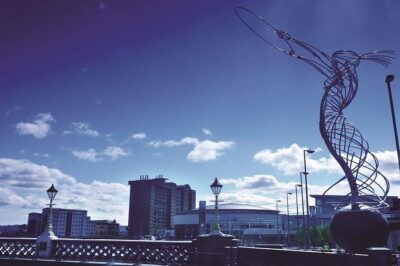
★ 5.0 · 10,422 reviews - A History of Terror – Belfast City Centre Walking Tour
★ 5.0 · 2,883 reviews - Old Town Walking Tour History and Tales in Edinburgh
★ 5.0 · 2,168 reviews
Starting at T-Squared Social on North Street
Your meeting point is outside the main entrance of T-Squared Social, at 117 North Street. The guide begins on time and will not wait, so this is not an activity to join casually after a late coffee.
The opening talk includes the nearby Tiger Woods and Justin Timberlake bar and restaurant, along with a little about the Dunhill Championship. This gives you an early taste of the tour’s approach: local places, famous names, golf events, and current St Andrews life are all folded into the story.
From there, the group walks through town. There is no luggage storage, so do not arrive with suitcases, golf clubs, a stroller, or other bulky equipment and expect the provider to hold it. Comfortable shoes and clothing suited to Scottish weather are sensible choices.
St Salvator’s College and the university story
The route reaches St Salvator’s College and St Salvator’s Chapel, part of Scotland’s oldest university. These stops help explain why St Andrews feels like a working university town rather than a place built only for sightseeing.
The university section also brings in William and Kate, including the place where they spent their first year as students. You will hear about how the Netflix series The Crown came to town as well. These details are useful because they show how the university remains part of modern St Andrews, not just an old collection of buildings.
You may also get a look inside one of the town’s lesser-known interior sights. The precise experience can depend on access and timing, so think of this as a pleasant bonus rather than the central reason to book.
This part of the walk is especially useful for non-golfers. You are not waiting around for golf terminology to make sense. Instead, you are seeing how students, royalty, architecture, and local business fit into the town’s identity.
Cathedral ruins and the graves of golf pioneers
The cathedral grounds are one of the most atmospheric parts of the walk. The cathedral is now a ruin, but its scale still points to the wealth and power once held by the Catholic Church in Scotland.
The tour adds a strong golf connection here. Around 124 noted golfers are buried in the cathedral grounds, including Old Tom Morris, Young Tom Morris, Allan Robertson, and Jamie Anderson. These are not simply names placed into a timeline. The graves give you a physical sense of the people who helped shape St Andrews golf before the modern professional era.
If you care about golf history, this may be the most meaningful stop before the Old Course. You can connect the names heard in stories with actual memorials in the town where they lived and worked.
The tradeoff is time. The whole tour lasts 105 minutes, so the stop is part of a moving route rather than a long cemetery visit. One person specifically wished for more time among the graves and on the course. If that is your priority, you may want to return later on your own.
Same city, a very different afternoon:
- London: The London Eye Entry Ticket
★ 4.6 · 35,875 reviews - From London: Harry Potter Warner Bros Studio Tour
★ 4.7 · 26,588 reviews - Magical London: Harry Potter Guided Walking Tour
★ 4.7 · 22,044 reviews - London: Madame Tussauds London
★ 4.6 · 20,915 reviews
Bishop’s Palace and the old edge of St Andrews
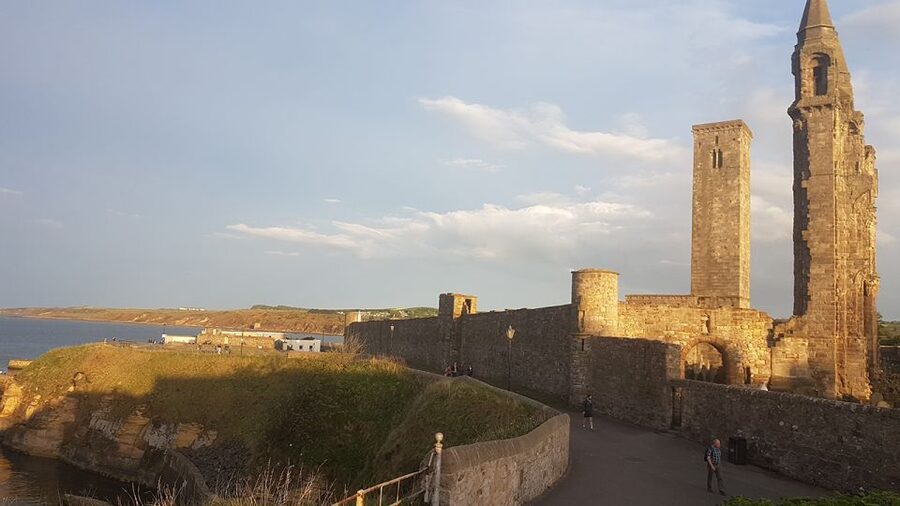
The walk also passes the ruins of St Andrews Castle, with a photo stop and scenic views along the way. You see the Bishop’s Palace too, a striking reminder of earlier Catholic wealth and authority in Scotland.
These ruins add useful context to the golf story. St Andrews did not become important because of golf alone. Its religious buildings and medieval power made it a major place long before the modern game took over its public image.
The tour does not treat these sites as full museum visits. You pass by or pause for views as part of the larger walk. If you want detailed interior exploration, you will need separate time and admission arrangements. Here, the value comes from seeing the remains in sequence with the university, cathedral, and Old Course.
Walking the Scores toward the Old Course
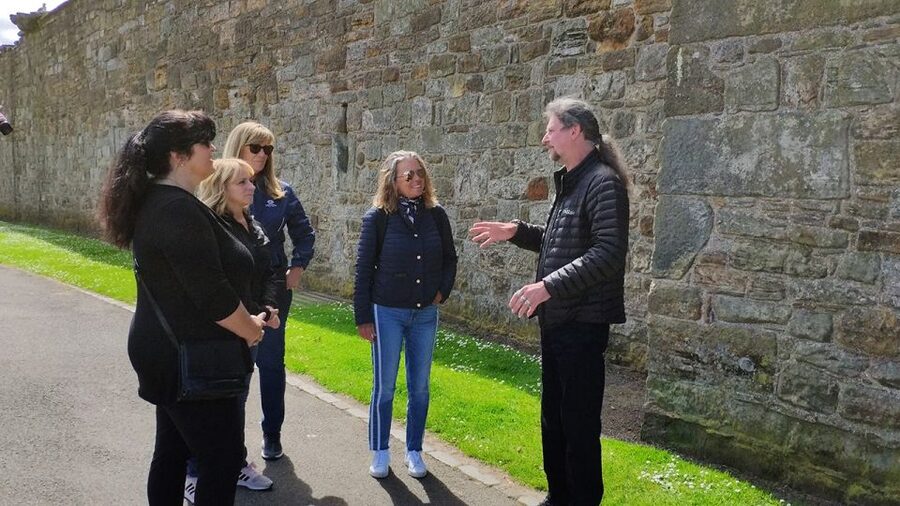
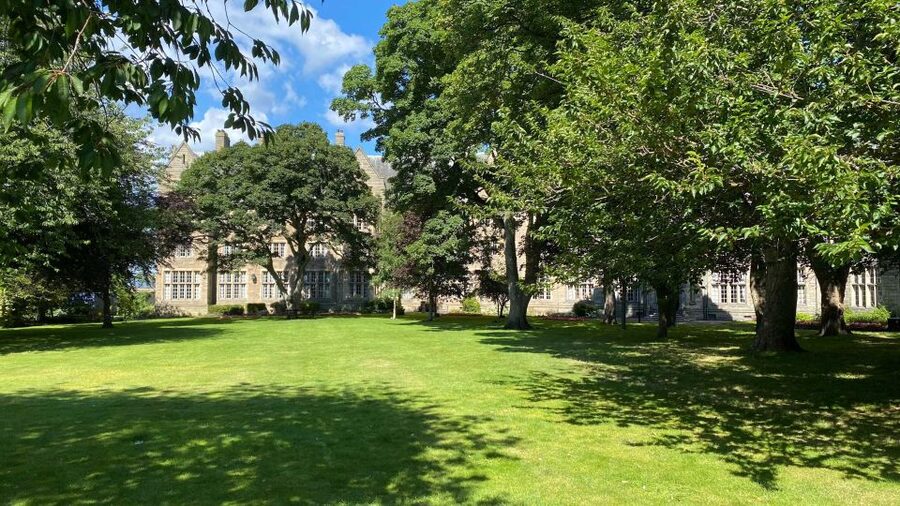
From the cathedral area, the route follows the Scores, where you pass Victorian university buildings, the Principal’s House, and the residence associated with William and Kate’s first year as students.
This is a pleasant stretch because it shifts from ruins to grander, still-used buildings. You also get a feel for the town’s geography. St Andrews is compact enough to cross on foot, but the tour moves from one end to the other, so the walking is real rather than symbolic.
The distance is manageable for people comfortable with a brisk city walk, but this is not suitable for anyone with serious mobility limits. Wheelchair users, people using mobility scooters, walking frames, or crutches are specifically excluded, and strollers and baby carriages are not allowed. Children under 16 need an accompanying adult, while children under five are free. The tour is not suitable for children under two.
Reaching the Old Course and the Home of Golf
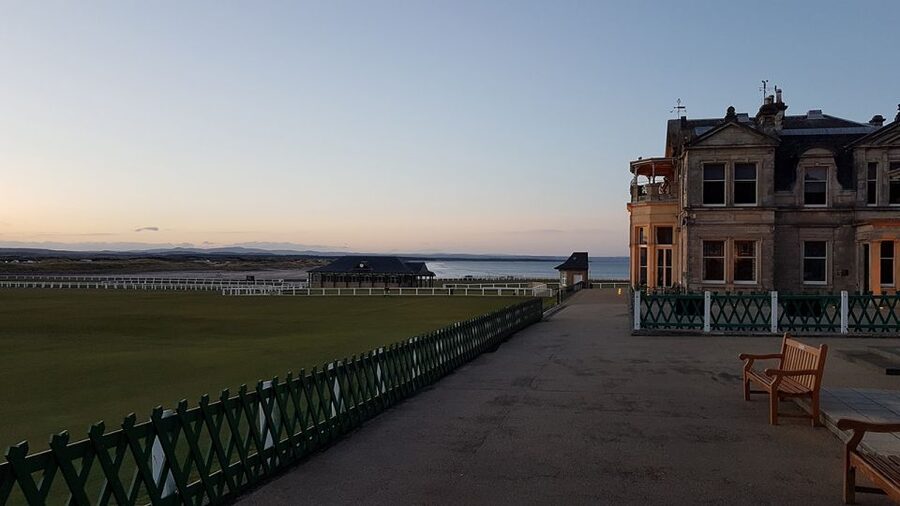
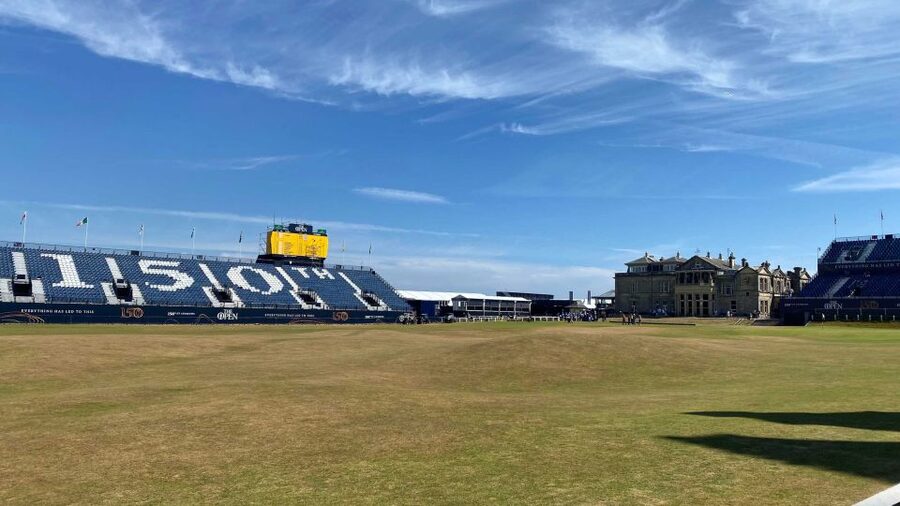
The Old Course is the payoff for golf fans. The guide explains the early Open Championship and how golf developed in St Andrews into what is known as the Home of Golf.
You walk near the 18th green, the 1st tee, and the first fairway. The guide discusses how the course came to have 18 holes, along with quirks of the game and memorable moments connected to the links. You also hear about the buildings overlooking the course.
This is important to understand before booking: you are not playing golf, taking a caddie-led round, or receiving guaranteed access to every part of the course. You are walking around key public-facing points and hearing the story of how they became famous.
You may cross or walk by the first and 18th fairways during live play. This is done at your own risk, and you must watch for golf balls. Follow the guide’s instructions and keep your attention on the course, especially when play is underway.
Some people will want more time here. The Old Course section is the emotional high point for many golf fans, and 105 minutes leaves little room to linger at every location. Still, the tour gives you a useful orientation before you explore the area independently.
Finishing at the Swilcan Bridge
The tour ends at the Swilcan Bridge, the small stone bridge on the Old Course that has become one of St Andrews’ best-known photo spots. The guide takes photos for you, so you do not need to rely on a stranger or a rushed group selfie.
Bridge photos are not available on tournament days. If that photograph matters greatly to you, check the date carefully before booking and keep your expectations flexible during major events.
After the walk, you can continue to the Jigger Inn or the Old Course Hotel. The activity does not include a meal or drink, but the suggested finish gives you a chance to sit down, look back across the course, and absorb what you have just seen. One useful tip is to consider the upstairs bar at the Old Course Hotel for views, if you choose to continue there.
Guide style and group experience
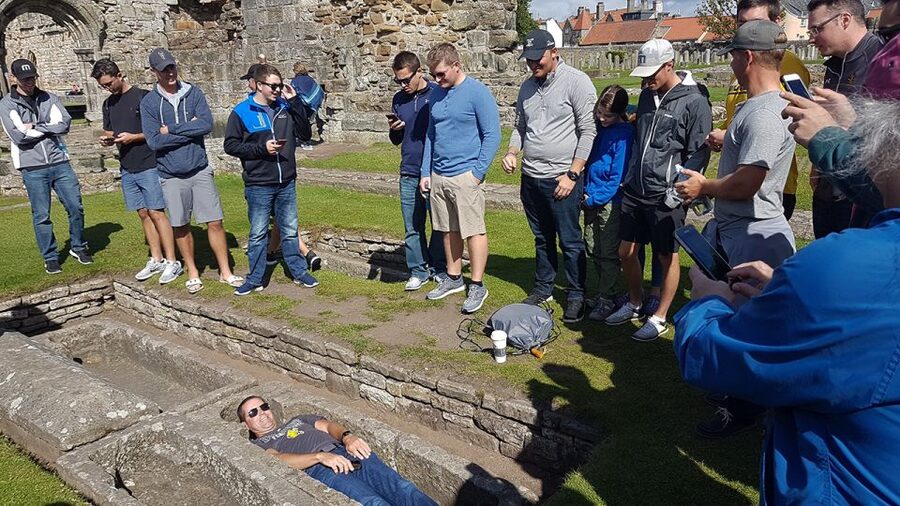
The guide is the heart of this activity. Richard receives repeated praise for his humor, strong local knowledge, clear voice, and willingness to answer questions. He has also been described as considerate about walking speed and able to adjust the depth of his explanations to the group.
Jim is another named guide associated with the experience. He is praised for explaining both golf and St Andrews history in detail. The tone is not meant to be a dry lecture. The guide links dates and places with stories about caddying, playing, royal connections, course traditions, and the town’s development.
Group size can affect the experience. A group of 13 found that fast walking and street noise made it difficult to hear everything. A smaller group, on the other hand, can feel almost private, with more room for questions and photographs. Stay near the guide, especially when crossing busy streets or moving between stops.
English fluency is essential. The activity is conducted in English, and the provider says that speaking slowly or translating does not work for participants who cannot follow the language. This is a story-led tour, so missing the explanations would reduce much of its value.
Price, timing, and practical value
At $27 per person, this is a reasonable price for a 105-minute guided walk that combines town history, university sights, cathedral grounds, golf heritage, and the Old Course. You are paying for a professional historian guide and a route that joins several major St Andrews sights without requiring you to plan the sequence yourself.
The value is strongest if this is your first visit. A good guide gives you a framework for returning to the cathedral, university, Old Course area, or local golf sites later. The tour can also save you from spending your limited time in St Andrews wondering how the town’s religious past connects to its sporting fame.
The value is less clear if you only want a long Old Course visit. The golf section is important, but the experience spends a large part of its time in town. That is a benefit for mixed groups and a possible limitation for serious golfers seeking technical course information.
Cancellation is free up to 24 hours before the start, and you can reserve now and pay later. Those options help if your Scotland plans are still shifting, but they do not soften the late-arrival rule. If you miss the start, there is no guaranteed same-day alternative or refund.
Who should book this walk
I would choose this for:
- A first visit to St Andrews
- Couples with different levels of interest in golf
- Golf fans who want the town’s story, not only course photographs
- History-minded visitors who enjoy ruins, university buildings, and local personalities
- Families with children old enough to manage a long walk and follow instructions
- Visitors who want a guide to take the Swilcan Bridge photographs
I would choose something else if you have mobility difficulties, need a stroller, are carrying luggage, or cannot comfortably follow English commentary. You should also reconsider if your main goal is to play golf or spend a very long time at one course location.
Should you book the St Andrews Town, Golf, and Old Course History Tour?
Book it if you want a well-priced introduction to St Andrews that explains why the university, cathedral, castle ruins, and Old Course belong in the same story. The combination is the main strength, and the guides Richard and Jim add the kind of local detail that is difficult to gather from signs alone.
Skip it if you need a slow-paced walk, a wheelchair-accessible route, or an extended golf-course visit. For everyone else, arrive early, wear solid walking shoes, stay close enough to hear, and treat the Swilcan Bridge photo as a bonus rather than the whole point. The real reward is leaving with a clearer picture of how St Andrews became both an old Scottish town and the modern home of golf.
FAQ
How long does the tour last?
The tour lasts 105 minutes. It involves walking from the town center through university and cathedral areas before finishing at the Old Course and Swilcan Bridge.
Where does the tour begin?
Meet your guide outside the main entrance of T-Squared Social at 117 North Street, St Andrews, KY16 9AD.
Where does the tour finish?
The tour finishes at the Swilcan Bridge on the Old Course. You can then continue independently to the Jigger Inn or Old Course Hotel.
Is the tour suitable for people who do not play golf?
Yes. The tour includes substantial golf history, but it also covers the university, William and Kate, The Crown, cathedral ruins, the Bishop’s Palace, and St Andrews town history.
Is the Swilcan Bridge photo included?
The tour finishes with an opportunity to have your photo taken on the Swilcan Bridge. This is excluded on tournament days.
Can children join the tour?
Children under 16 must be accompanied by an adult. Children under five are free, but the tour is not suitable for children under two.
Just added in Britain
- Cornwall: Guided Seal Safari by Boat★ 4.7 · 63 reviews
- Belfast Political Tour-Conflicting Stories Walking Tour★ 4.5 · 459 reviews
- Afternoon Tea Cruise in North Yorkshire★ 5.0 · 388 reviews
- Journey Through Winchester’s Past★ 5.0 · 341 reviews
- Show Tickets for Viva Decades Rewind! Music of the 80s, 90s & Now★ 4.5 · 386 reviews
- 2 Hour Leeds Highlights Walking Tour★ 5.0 · 206 reviews
- St Andrews Must-Sees Daily Walking Tour (11am & 2pm)★ 5.0 · 478 reviews
- Brighton Bar Crawl★ 5.0 · 377 reviews
Historical Tours, compared.
A History of Terror – Belfast City Centre Walking Tour
Read our review →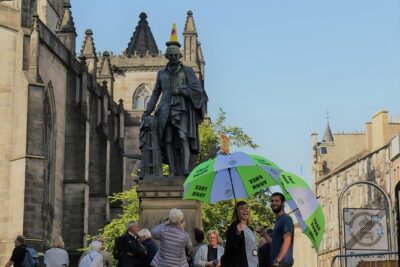
Old Town Walking Tour History and Tales in Edinburgh
Read our review →
Shadows of York: Ghost Walk and Horrible History.
Read our review →
Multi-Sensory Small-Group Historic Vaults Tour in Edinburgh
Read our review →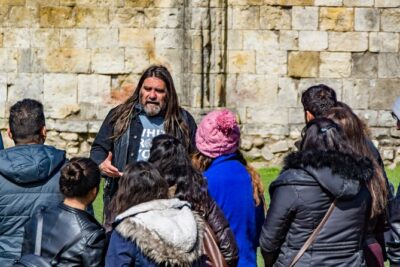
Browse the lists this tour appears in