
Reviewed · WALKING TOURS
London: Brutalist Architecture & History Walking Tour
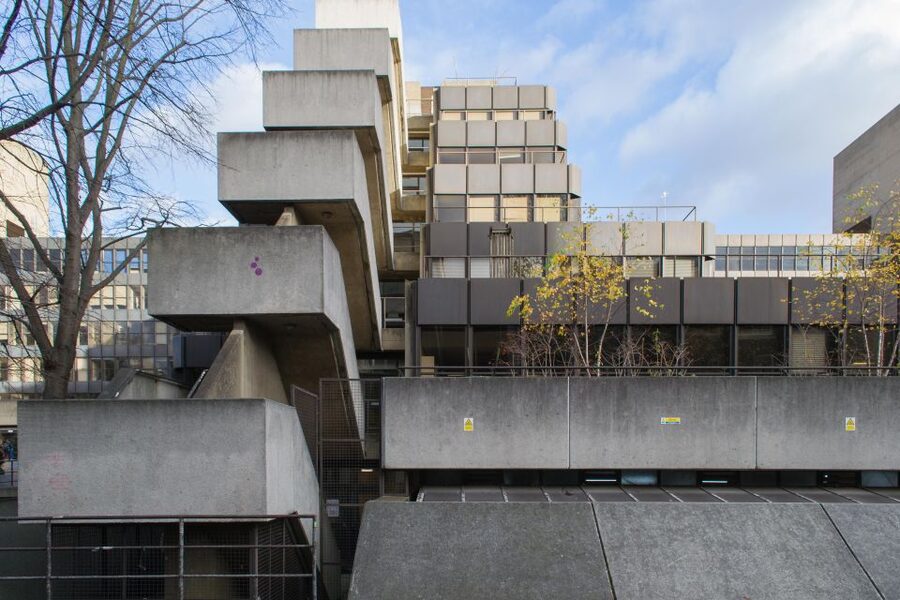
London’s Brutalist buildings are not shy. They rise in rough concrete, broad platforms, deep shadows, and fortress-like shapes, often beside older streets that seem to belong to another city. This 2.5-hour walk with Evan shows you the National Theatre, the Institute of Education, and other central landmarks while explaining why post-war London built in such a bold style.
I like the small group of six or fewer, which gives Evan room to adjust the discussion to your interests. I also like the wider story: this is not just a procession of concrete buildings, but a look at war, politics, public housing, engineering, and changing ideas about progress. The main drawback is that you stay outside, and the tour may be postponed in poor weather. Some people will also want more technical discussion of construction details than the tour provides.
Key points to know before booking
- Meet outside Russell Square Station: The tour begins on the Piccadilly Line in a central London location.
- See major Brutalist landmarks: The route includes the National Theatre and Institute of Education, along with other examples of post-war Modernism.
- Hear the story behind the concrete: Evan explains how global events and social pressures shaped London’s 1960s and 1970s buildings.
- Travel once by tube: Bring enough Zone 1 credit for one short Underground journey. Public transport is not included.
- Expect an exterior-focused tour: You will not enter the buildings, so the experience depends on close viewing, photographs, and discussion from the street.
- Best for older teens and adults: Children under 16 are not accepted, and the walk is not suitable for people with mobility impairments.
Why Brutalism makes a good London walking subject
Most first-time London tours point you toward medieval churches, royal palaces, and Victorian monuments. This one asks you to look at the concrete structures many people hurry past. That change of focus is the whole point.
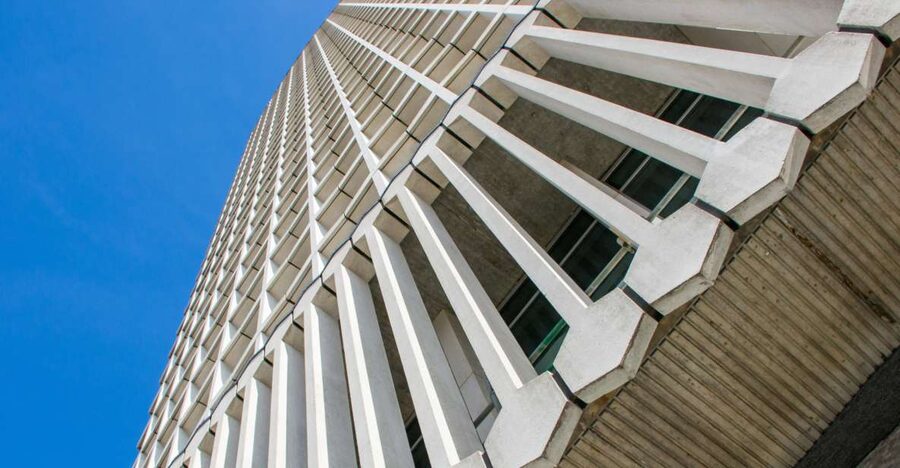
Brutalism grew from Modernist ideas about function, structure, and public life. The word is linked to béton brut, French for raw concrete, though the style is not simply a matter of leaving concrete unfinished. These buildings often use heavy geometric forms, exposed materials, large structural elements, and dramatic relationships between solid walls and open space.
The buildings can look severe. Some feel civic and generous, while others seem defensive or overbearing. You do not need to love every example to get something from the tour. The strongest part of the experience is learning why these forms appeared when they did, and why opinions about them have shifted.
Evan’s approach, based on the experience described by past participants, combines architectural explanation with political and social context. He is particularly praised for his enthusiasm, clear delivery, and ability to adapt the conversation to the group’s level. That matters here. Brutalism can quickly become a stream of dates and architects unless someone connects the buildings to ordinary life.
More Walking Tours in London:
- Magical London: Harry Potter Guided Walking Tour
★ 4.7 · 22,044 reviews - London: The Original Jack the Ripper Walking Tour
★ 4.7 · 7,833 reviews - Tour for Muggles The Ultimate Harry Potter Walking Tour in London
★ 5.0 · 4,684 reviews
Meeting Evan at Russell Square
The tour starts outside Russell Square Underground Station, served by the Piccadilly Line. This is a useful meeting point for a central London walk, though you should leave enough time to find the correct station exit and arrive ready to walk.
The opening section sets up the subject. You learn why concrete became so important after the Second World War, how Modernist architecture spread across Europe and beyond, and which global events influenced London’s rebuilding and public construction.
That background gives the later buildings more meaning. Without it, a concrete facade can look like a visual curiosity. With it, you begin to see questions about housing, education, government, civic pride, cost, and social change in the forms around you.
The group size is one of the practical strengths. With a maximum of six participants, you should be able to hear the guide clearly and ask questions without interrupting a large crowd. Evan has also been praised for tailoring the tour to what participants already know, which is useful if one person in your party is an architecture enthusiast and another is starting from scratch.
The Institute of Education and the language of Modernism
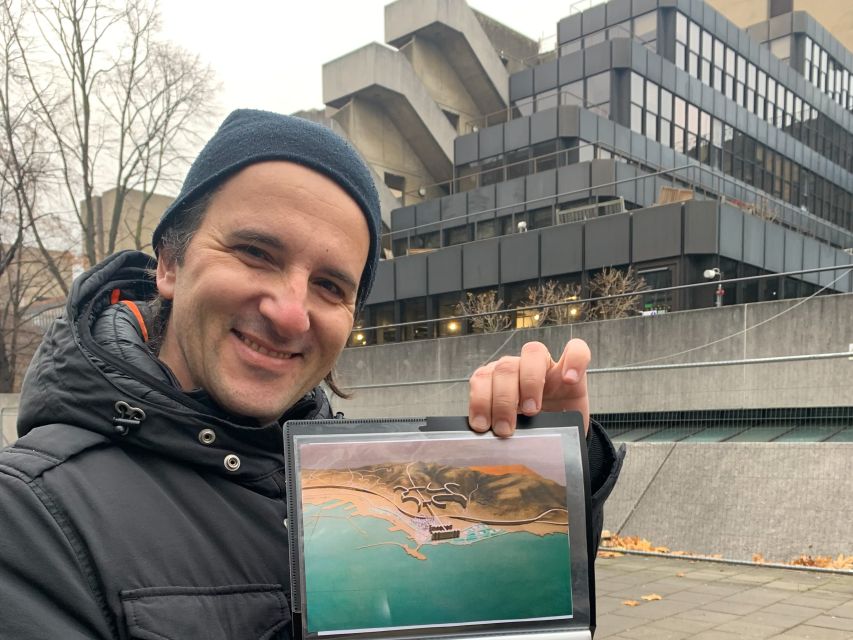
The Institute of Education is one of the tour’s important stops. It gives Evan a chance to discuss how Modernist monumental architecture was used for public and educational purposes, not only for offices or private developments.
Look closely at the relationship between the building’s mass, its openings, and the surrounding streets. Brutalist design often asks you to view a building from several positions rather than from one polished front entrance. A change in angle can alter the balance between weight and openness.
This is also where the discussion can move beyond appearance. The tour considers the cultural, social, and environmental effects of concrete construction. That does not mean you will receive a full engineering lecture, but you will get a framework for thinking about material choices and the compromises involved in large public buildings.
One limitation is worth keeping in mind. You do not go inside the Institute of Education or any other building on the route. If you want interiors, structural tours, or access to upper levels, this is not the right format. You will study the exteriors from public areas and use the guide’s explanation to understand what you cannot see from the street.
The National Theatre and the case for bold public buildings
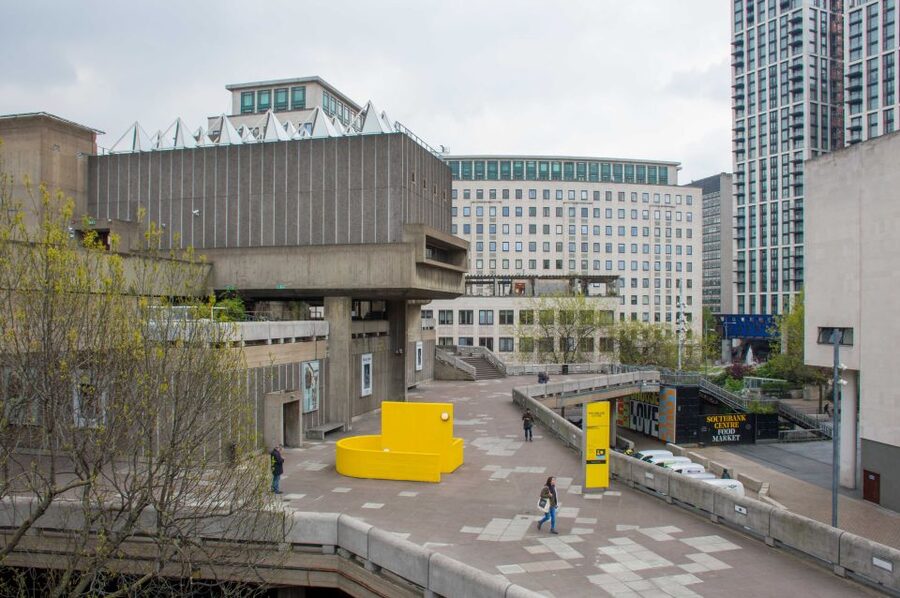
The National Theatre is likely to be the visual high point for many people. Its layered concrete terraces and broad horizontal forms make it one of London’s most recognizable Brutalist buildings. It is also a useful example of why this architecture divides opinion.
Some people see the National Theatre as cold or imposing. Others see a lively public building with generous terraces, strong geometry, and a clear civic presence. The tour does not require you to choose the approved answer. You can admire the structure, recoil from it, or change your mind as you hear more about its purpose and setting.
Evan also connects the building to the political and economic conditions that made such a project possible. That context is valuable because architecture does not appear in isolation. Public buildings reflect decisions about who deserves space, what a city wants to express, and how public money should be spent.
Bring a camera if you enjoy architectural photography. Concrete surfaces, deep shadows, repeated lines, and changing viewpoints offer better photographs than a quick glance suggests. The National Theatre is especially suited to this kind of looking, but the guide’s comments help you notice smaller details that you might otherwise miss.
More walks around London:
- London Jack The Ripper Guided Walking Tour
★ 5.0 · 3,131 reviews - London: Harry Potter Movies Walking Tour (Kids Go Free)
★ 4.7 · 3,071 reviews - Changing of the Guard Guided Walking Tour in London
★ 5.0 · 1,793 reviews - London: The Great British Rock and Roll Music Walking Tour
★ 4.9 · 1,783 reviews
From raw concrete to real construction problems
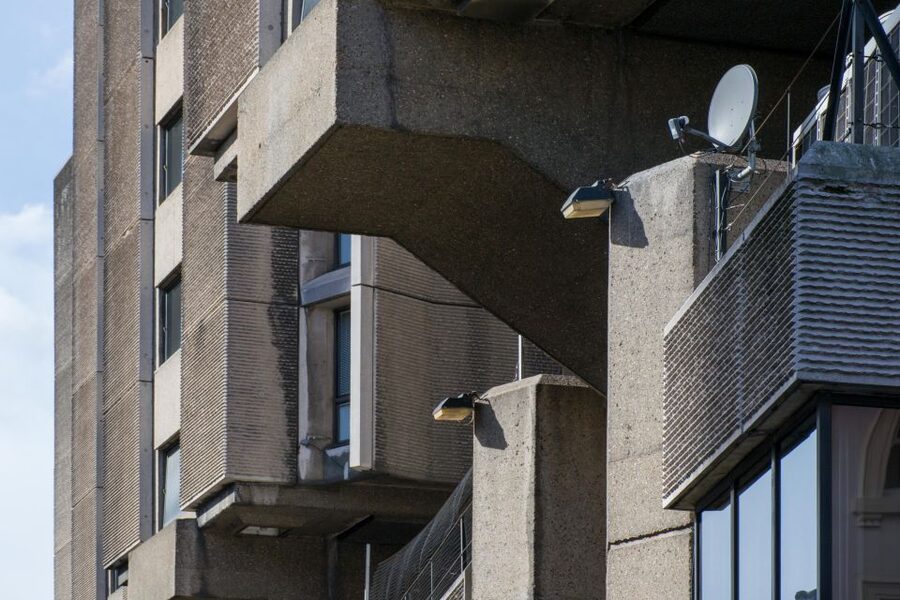
A good architecture walk should explain not only what a building looks like, but also what had to be solved to make it work. This tour introduces the use of concrete in modern engineering and architecture, along with the construction compromises and practical decisions behind the finished forms.
You may find that this is the area where your own interests shape the experience most. The tour gives attention to material and construction, but one past participant wanted more detail on how the buildings were made and how the architects worked around technical limits. If you are a specialist in structural engineering or building conservation, you may want a more technical course.
For most visitors, the broader treatment will be more useful. You learn how concrete allowed architects to create large spans, projecting forms, heavy platforms, and dramatic public structures. You also consider the costs of maintaining these buildings, adapting them for new needs, and protecting them from demolition.
That last question is central to Brutalism today. Local authorities, preservation groups, and residents do not always agree on what should happen to aging concrete buildings. A structure may be expensive to repair, difficult to heat, or unpopular with the public, while still having real architectural value. The tour brings this debate into the open instead of treating old buildings as untouchable museum pieces.
A short tube ride that changes the pace
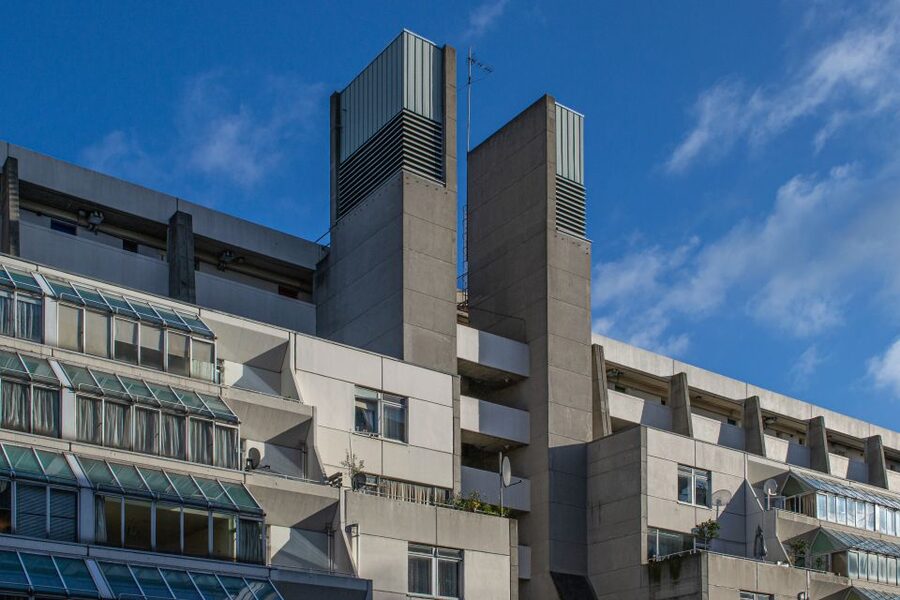
The walk includes one short Underground journey within Zone 1. You pay for this separately, so make sure your Oyster card, contactless card, or other public transport ticket has enough credit for one trip.
The tube ride is a small but useful part of the format. It lets the tour connect more than one central area without turning the entire experience into a long pavement march. At 2.5 hours, the outing has enough time for explanation and photography without taking over your whole day.
You should still wear comfortable shoes and bring water. The tour is a walking experience rather than a building visit, and the route may include standing outdoors while Evan explains a facade or points out a detail. People with mobility impairments should note that the activity is specifically not suitable for them.
Because the walk can be postponed or canceled in unfavorable weather, check conditions before setting out. London rain is not always dramatic, but exposed concrete can be unpleasant to study while you are cold and wet.
What the historical discussion adds
The best reason to book this tour is the connection between buildings and events. Evan discusses the forces that shaped post-war London, including the rise of Modernist thinking, the increased use of concrete, and the social and economic pressures behind major public works.
You also hear about important figures in European Modernism and how ideas traveled across national borders. That wider view prevents the tour from becoming a narrow list of London addresses. It shows the city as part of a larger argument about public architecture and modern life.
The discussion also deals with reception. Brutalist buildings were not universally welcomed when they were new, and their reputation has changed over time. Some once-criticized structures are now treated as important works that deserve protection. Others remain controversial because of their condition, setting, or cost.
This balance is important. You are not asked to accept every concrete building as a masterpiece. Instead, you get tools for making your own judgment. Ask yourself what the building was meant to do, who used it, how it changed the street, and whether its problems can be fixed without destroying its character.
The guide’s strengths and the limits of the experience
Evan is the tour’s main asset. The strongest feedback describes him as enthusiastic, personable, and able to explain both architecture and history in an informal way. Several participants found the tour unusually good value because he shared details they would not have found in a standard guidebook.
That praise is specific rather than vague. Evan has been especially effective at explaining the social, political, and economic circumstances behind buildings such as the National Theatre. He also adapts his explanations to the people in the group, which helps keep the tour accessible to beginners while leaving room for questions.
Still, no guide is perfect, and one participant noted a couple of historical inaccuracies involving window tax and Isaac Hayward. That does not erase the value of the walk, but it is a reason to treat individual claims thoughtfully if you already have advanced knowledge of British political or architectural history.
The tour is strongest as an introduction. If you know little about Modernism and Brutalism, you will gain a useful way to read London’s post-war buildings. If you already study the subject, you may want more building-by-building construction detail and closer attention to technical evidence.
Is $47 a fair price?
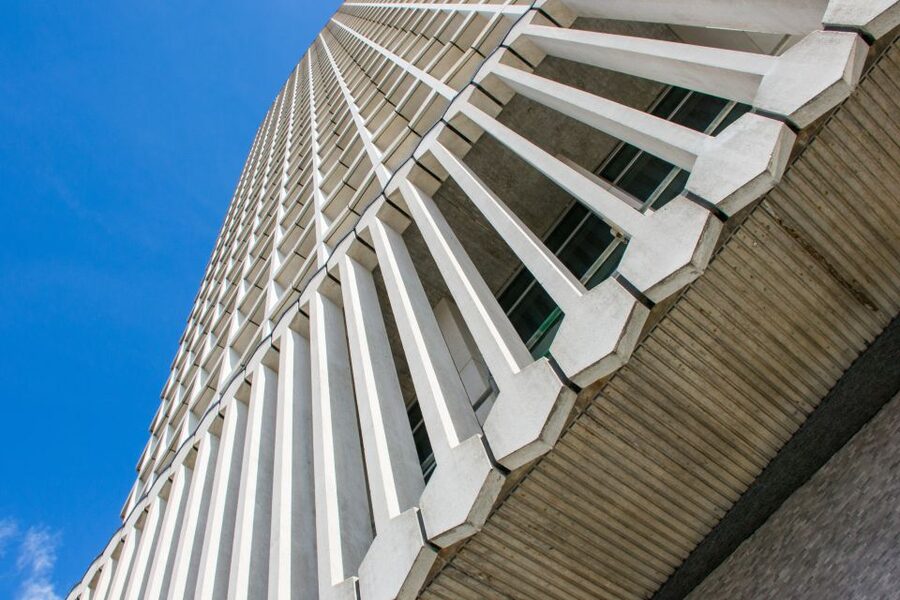
At $47 per person, this is not the cheapest London walking tour. You are paying for a specialist subject, a small group, a live English-speaking guide, and 2.5 hours of focused discussion rather than a general city stroll.
I think the price is fair if you are genuinely interested in architecture, urban planning, public buildings, or post-war history. The small group makes the fee easier to justify because you are not standing at the back of a crowd. Evan’s ability to adjust the discussion also adds value, especially for couples or small parties with a clear interest in the subject.
The value is weaker if you simply want to see London highlights quickly. You will not enter the buildings, public transport costs extra, and the tour concentrates on a style that some people find bleak. A general sightseeing walk will cover more famous attractions.
Reserve and pay later is useful if your plans are still changing, and free cancellation is available up to 24 hours before the start. Those policies reduce the risk of booking a niche tour too far ahead.
Who should book the Brutalist walk?
Book it if you enjoy looking closely at buildings and asking why a city took a particular direction. It suits architecture students, photographers, urban history fans, Modernist design enthusiasts, and repeat visitors who have already seen London’s royal and medieval landmarks.
It also works well for curious beginners. You do not need a background in architecture to follow the discussion, and Evan’s informal style should make the subject approachable.
I would not choose it for young children, anyone under 16, or people who find extended outdoor walking difficult. It is also a poor match if you expect interior access, detailed engineering instruction, or a route focused on London’s traditional sights.
FAQ
Where does the tour begin?
The meeting point is outside Russell Square Underground Station, served by the Piccadilly Line.
How long does the tour last?
The walking tour lasts 2.5 hours.
What language is the tour in?
The tour is conducted in English with a live guide.
How large is the group?
The group is limited to six participants.
Does the price include public transportation?
No. The tour uses the tube once for a short journey, and you need enough Zone 1 credit to pay for that trip.
Do you visit the interiors of the buildings?
No. The tour visits building exteriors only.
Is the tour suitable for children or people with mobility impairments?
Children under 16 are not permitted, and the tour is not suitable for people with mobility impairments.
Should you book it?
Book this walk if you want London to explain its post-war identity through concrete, public buildings, and political choices. The combination of a small group, an enthusiastic guide named Evan, and a focused route makes it a strong choice for anyone who wants more than a quick photograph of the National Theatre.
Skip it if you need indoor access, a technically intensive construction tour, or a general introduction to London. For the right audience, though, $47 buys a fresh way to read central London, including buildings you may once have dismissed as ugly or overbearing.
More Historical Tours in London
- London Small Group Tour of Historical Pubs
★ 5.0 · 10,422 reviews - Soho Music & Historic Pubs Tour
★ 5.0 · 1,993 reviews - London: Historic Pubs of Central London Walking Tour
★ 4.9 · 1,065 reviews - London: Soho Music and Historic Pubs Walking Tour
★ 4.9 · 836 reviews
Just added in London
- 3-Day Stonehenge*, Glastonbury, Bath & the South West Coast Tour from London★ 4.5 · 32 reviews
- Private Guided Tour of Harry Potter Locations – English/ Italian★ 5.0 · 33 reviews
- Private Tour London Highlights, entries Westminster Abbey, The Tower of London★ 5.0 · 93 reviews
- 2 Hour Walking Tour from Buckingham Palace to Big Ben★ 5.0 · 32 reviews
- 30 Major London Attractions Walking Tour With Photos★ 4.5 · 51 reviews
- 007 Shadow Of Spectre★ 5.0 · 135 reviews
- Private Guided Tour of the British Museum – Tickets Included★ 5.0 · 193 reviews
- Bath, Avebury and Lacock Village Small-Group Day Tour from London★ 4.5 · 121 reviews
Walking Tours, compared.

Magical London: Harry Potter Guided Walking Tour
Read our review →
Underground Vaults Walking Tour in Edinburgh Old Town
Read our review →
Oxford University Walking Tour With University Alumni Guide
Read our review →
Edinburgh Castle: Guided Walking Tour with Entry Ticket
Read our review →
Edinburgh Castle Guided Walking Tour in English
Read our review →
Tour for Muggles The Ultimate Harry Potter Walking Tour in London
Read our review →
University and City Walking Tour with Alumni Guide
Read our review →Browse the lists this tour appears in