
Reviewed · TOURS IN ENGLAND
Admission Ticket to Sick To Death in Chester
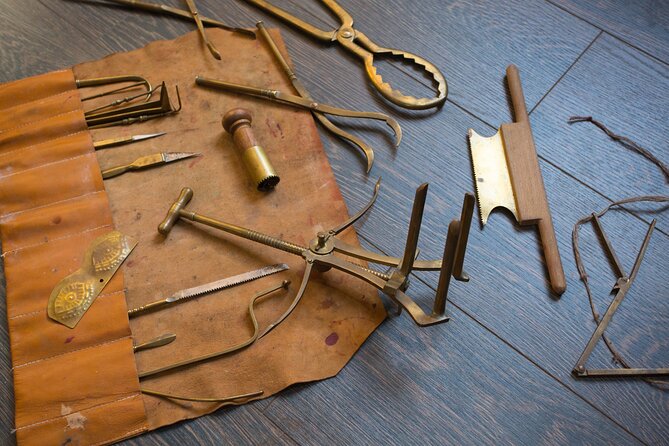
Sick To Death turns the history of medicine into a playground of plague, complete with bad smells, gross gore, magic, and science. Instead of quietly reading glass cases, you move through doors and corridors, stopping to test, touch, smell, and puzzle your way through medicine’s stranger chapters.
I like the self-guided pace, which lets you spend longer on the exhibits that catch your eye. I also like the strong family focus, especially the autopsy quiz and interactive displays. The main caution is simple: some scenes and smells are genuinely creepy, and dim lighting can make certain information panels hard to read.
Key things to know before you go
- Expect a one-hour visit: The exhibition is compact, so it fits neatly into a day exploring Chester.
- Bad smells are part of the fun: Smell-based displays add a memorable, slightly disgusting edge to the medical stories.
- It suits curious children: Interactive features give younger visitors something to do beyond reading signs.
- The subject is unusual: You will learn about plague, Victorian diseases, early medicine, and the development of medical care.
- It is self-guided: You can move at your own speed, but you need to read and interact to get the most from it.
- Book ahead for certainty: Advance tickets help guarantee admission, especially during a busy Chester visit.
A medical museum with a mischievous streak

Sick To Death is not a solemn museum about doctors and hospitals. It presents medicine as a strange, sometimes funny, often unpleasant story shaped by fear, guesswork, experimentation, and gradual discovery.
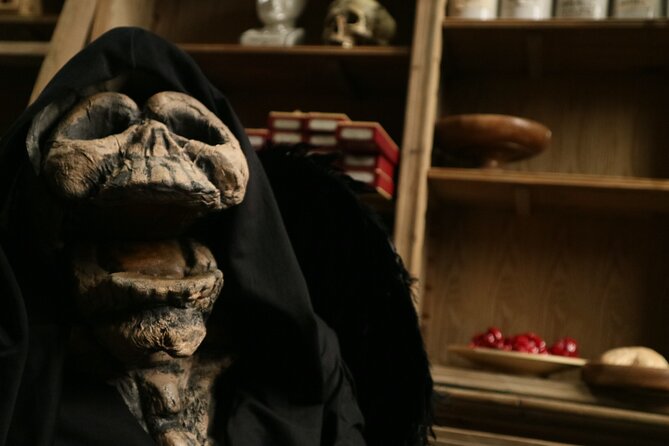
The exhibition’s tone is clear from the start. You are invited into a world of plague, splatter, unusual treatments, and medical mysteries. It is educational, but it does not pretend that the subject is clean or polite. The attraction uses humour and theatrical touches to keep the topic moving.
That approach works particularly well for children who might lose interest in a traditional museum. A display about disease can feel distant when it is only a paragraph on a wall. Add a smell test, a quiz, or an object that asks you to interact, and the same subject becomes easier to remember.
You should still prepare younger children for the atmosphere. This is not a gentle display about butterflies and gardens. The attraction includes creepy material, gross-out details, and references to illness and death. For some families, that is exactly the appeal. For others, especially with sensitive children, it may feel too much.
A few more things to do in England worth a look
- Tower of London and Crown Jewels Exhibition Ticket
★ 4.5 · 6,677 reviews - Thorpe Park Admission Ticket
★ 4.0 · 5,915 reviews - Alton Towers Resort 1 Day Admission Ticket
★ 3.5 · 5,501 reviews
Following the corridors through medicine
The visit is self-guided, with doors and corridors leading you from one part of the exhibition to the next. There is no fixed tour group or stated lecture schedule, so you decide how quickly to proceed.
I like this format for a compact attraction. You can pause at an exhibit without worrying that a group is waiting, and you can move along if a particular display is not for you. It also allows adults and children to use the space differently. A child may head for the interactive feature while you stop to read the medical explanation nearby.
The drawback is that the experience depends on your own attention. You will get more from it if you read the information panels and try the activities rather than simply walking through the rooms. The exhibition is not just a quick photo stop. The details about disease, treatment, and medical change are where much of its value lies.
Some sections may feel visually dark, and the lighting can make reading harder. If you are interested in the historical information, take your time and position yourself carefully at the panels. The self-guided format means you can do this without holding up anyone else.
Plague, disease, and the mistakes of early medicine
One of the strongest parts of Sick To Death is its treatment of the Black Death and the long struggle to understand disease. The exhibition helps you see how frightening illness was when people had limited knowledge of infection, hygiene, and effective treatment.
The attraction does not present medical progress as a straight line from ignorance to modern brilliance. Instead, it shows a past filled with uncertainty, odd ideas, and trial and error. That makes the subject easier to grasp. Medicine developed through observation and testing, but also through plenty of wrong turns.
The Victorian disease material gives the exhibition another useful angle. You may find information about illnesses that shaped everyday life, along with explanations of early medical practice. These displays offer more than shock value, particularly for older children and adults willing to read.
The subject can also prompt good family conversations. You might ask why people once blamed disease on bad air, how doctors identified illness, or what changed as medical science improved. The attraction gives you a starting point rather than demanding specialist knowledge.
The hands-on exhibits and the autopsy quiz
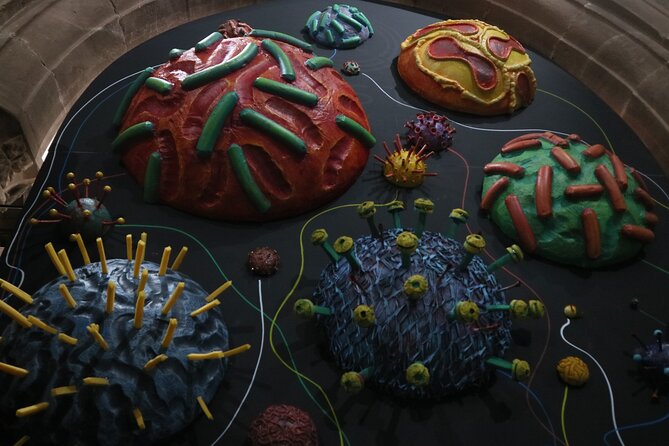
The interactive displays are central to the experience. They give children a reason to stop and think, rather than simply glance at a picture before moving on.
An autopsy quiz is one of the memorable activities. It adds a game element to a subject that could otherwise feel grim. You are not only looking at information. You are being asked to make choices and work something out.
There are also smell this items. These are exactly the kind of feature that people remember after leaving, though the reaction will depend on your tolerance for unpleasant odours. They turn an abstract lesson into something immediate and physical.
This is where the attraction works best as a family outing. Younger visitors can enjoy the gross and spooky parts, while adults can pay attention to the science and historical details underneath. The balance is not perfect for everyone, but it gives the visit more layers than a simple horror-themed attraction.
Some of the displays may look worn or grubby, which can reduce the polish of the experience. That matters if you expect a modern museum with immaculate presentation. If you see the attraction as a hands-on educational exhibit with a deliberately rough medical theme, the imperfections may feel less important, though they are still worth knowing about before you book.
Same city, a very different afternoon:
- Stonehenge, Windsor Castle, and Bath from London
★ 4.5 · 18,662 reviews - London Big Bus Hop-On Hop-Off Tour with Optional River Cruise
★ 3.5 · 10,803 reviews - London Small Group Tour of Historical Pubs
★ 5.0 · 10,422 reviews - Beatles Magical Mystery Tour
★ 5.0 · 9,266 reviews
Chester’s historic Rows add to the setting
Sick To Death is located in Chester city centre, on the city’s historic Rows. That location makes it easy to pair with other sightseeing rather than treating it as a separate full-day outing.
The Rows are a distinctive part of Chester, with shops and businesses arranged on raised walkways above street level. The attraction’s setting suits its subject: you are exploring a medical exhibit within one of Chester’s old urban spaces, then stepping back into the city’s streets for food, shopping, and other sights.
The exhibition itself lasts about an hour. That is long enough to learn something and enjoy the interactive features, but short enough to fit between other plans. I would treat it as one stop in a Chester day, not the main event for an entire afternoon.
The attraction is near public transportation, which helps if you are arriving without a car. Specific parking details are not provided, so you should check your wider Chester travel plans separately if you are driving.
How much value do you get for $11.05?

At $11.05 per person, Sick To Death is priced like a modest city attraction rather than a major museum visit. The value depends on how actively you use the exhibition.
For a family, the price can make sense because several people can spend around an hour with the displays, quizzes, and interactive features. Children who enjoy spooky subjects, science, and unusual facts are likely to get more from it than children who prefer quiet galleries.
Adults should set their expectations correctly. This is not a large institution with extensive collections or a polished national museum presentation. It is a compact, theatrical experience built around a clear theme. If you want a quick, unusual stop with some real medical history, the price is reasonable. If you want a detailed scholarly museum, you may find the visit too small.
The strongest value comes from taking your time. Read the panels, try the activities, and let children lead you toward the features that catch their attention. The exhibition gives back more when you participate instead of rushing through.
The admission also covers the full Sick To Death experience, including the exhibition route and its interactive elements. You do not need to plan a separate guided tour or fixed group session.
The magical shop at the end
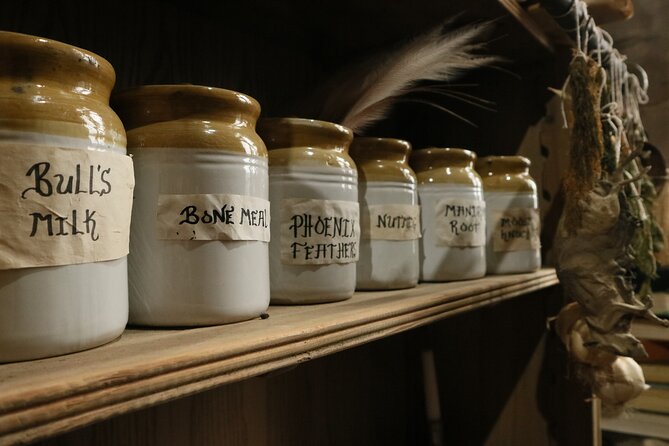
Sick To Death includes a magical shop selling items such as witches’ cauldrons, spell kits, crystals, poison chalices, and creepy toys. This gives the visit a playful ending and extends the attraction’s mix of medicine, folklore, and theatrical oddity.
The shop will appeal most to children who enjoy spooky souvenirs and to adults looking for something more unusual than a standard museum postcard. It also reinforces the attraction’s tone. Sick To Death is not trying to separate medical fact from every bit of fantasy around it. It uses both to create a memorable experience.
You do not need to buy anything to enjoy the exhibition, but children may be tempted. If you are visiting on a budget, set that expectation before entering the shop.
Who will enjoy Sick To Death most?
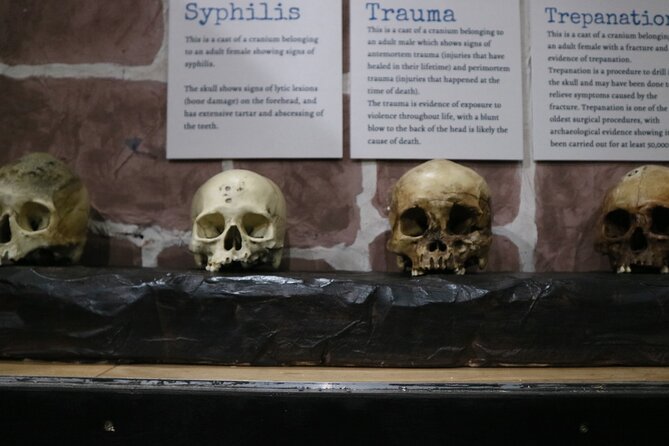
I would recommend Sick To Death to families with children who like science, strange facts, spooky stories, and hands-on activities. It can also work well for adults and older children who enjoy unusual museums and are willing to read the historical information.
It is particularly suitable for:
- Families seeking a short indoor activity in Chester
- Children who enjoy interactive exhibits
- Teenagers interested in medicine, disease, or the macabre
- Adults looking for something different from Chester’s usual historic sights
- Visitors with about an hour between other city-centre plans
You may want to skip it if you dislike gore, bad smells, or creepy displays. You should also think twice if your main aim is a polished, quiet museum experience. Some information is difficult to read in the lighting, and parts of the exhibition may look less than pristine.
The attraction is offered in English, and most people can participate. Because it is self-guided, you are free to spend more time reading or move past material that feels too uncomfortable.
Opening times and booking advice
The stated opening schedule is Thursday through Sunday, from 10 a.m. to 6 p.m. Check the date you plan to visit carefully, since this is not presented as a daily attraction.
Tickets are mobile, which means you can keep admission on your phone. Booking before you travel is sensible if Sick To Death is an important part of your Chester plan. Advance booking is also useful when you are building a tight day around other timed visits.
The attraction is often booked around nine days ahead. That does not guarantee that every date will sell out, but it is a useful sign that booking early is wise during popular periods.
Free cancellation is available if you cancel at least 24 hours before the experience begins. Cancellations made inside that 24-hour window are not refundable, and changes during that period are not accepted. The cut-off uses local time.
Should you book Sick To Death?
Book it if you want an unusual, family-friendly hour that mixes medical history with smells, quizzes, gore, and a little magic. The attraction’s best qualities are its memorable theme, interactive approach, and flexible self-guided format.
I would be more cautious if you are travelling with a child who is easily frightened, or if you expect a large, highly polished museum. The displays can feel worn, and the lighting is not ideal for reading every panel.
For most families and curious adults, $11.05 is a fair price for a distinctive Chester stop. Go in expecting playful grossness rather than a formal museum, take time with the science, and you should leave with a better understanding of how medicine changed, along with a few unpleasant smells you will not soon forget.
FAQ
Where is Sick To Death located?
Sick To Death is in Chester city centre, on the city’s historic Rows.
How long does a visit take?
The experience lasts approximately one hour.
What are the opening hours?
The stated opening hours are Thursday through Sunday, from 10 a.m. to 6 p.m.
Is the exhibition suitable for children?
It is designed as a family-friendly attraction with interactive exhibits for younger visitors. However, it includes gore, creepy material, bad smells, and medical subjects, so sensitive children may not enjoy every part.
Is Sick To Death guided or self-guided?
The exhibition is self-guided. You move through the doors and corridors at your own pace.
What language is offered?
The experience is offered in English.
Can I cancel my ticket?
You can cancel for a full refund if you cancel at least 24 hours before the experience start time. Cancellations made less than 24 hours in advance are not refunded.
Just added in England
- Harrogate Walking Food Tour★ 5.0 · 286 reviews
- Downtown Liverpool Walking Tour – In Spanish★ 5.0 · 591 reviews
- Four hour walking wine tasting tour of Manchester’s best bars★ 5.0 · 136 reviews
- Rock and Goal Manchester Walking Tour★ 5.0 · 587 reviews
- 1-Hour and a Half Walking Guided Tour in Medieval Newcastle★ 5.0 · 87 reviews
- Guided City Walking Tour of Newcastle★ 5.0 · 548 reviews
- Show Tickets for Viva Decades Rewind! Music of the 80s, 90s & Now★ 4.5 · 386 reviews
- Pilgrims’ Path walk across the sands to Holy Island★ 5.0 · 89 reviews
Tours in England, compared.

Stonehenge, Windsor Castle, and Bath from London
Read our review →



Stonehenge, Windsor Castle and Bath with Pub Lunch in Lacock
Read our review →
Oxford University Walking Tour With University Alumni Guide
Read our review →
Tower of London and Crown Jewels Exhibition Ticket
Read our review →
Browse the lists this tour appears in