
Reviewed · TOURS IN ENGLAND
Western Approaches Self Guided Tour
Liverpool’s Western Approaches HQ Museum takes you below the city streets into the secret WWII bunker where British forces tracked enemy ships and protected Atlantic supply lines. The original Map Room remains arranged much as it was when the bunker closed on 15 August 1945, giving you a direct sense of the pressure faced by the people working there.
I like the freedom to move at your own pace, and the included 12-month annual pass adds real value if you are staying nearby or plan to return. The main caution is that the museum relies heavily on written displays, so it may feel less lively than London’s Churchill War Rooms. You will also need to manage steps down into the bunker.
- Original Map Room: See the nerve centre of the Battle of the Atlantic, left in wartime condition.
- Secret city-centre bunker: Enter beneath Liverpool, close to Town Hall and about five minutes from Albert Dock.
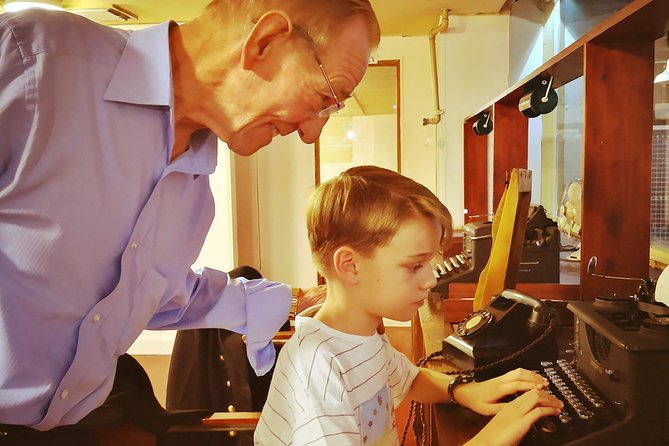
- Hands-on details: Try typewriters and teleprinter machines, sit at desks, inspect uniforms, and view the telephone exchange.
- Women’s wartime roles: Learn about the WRNS and WAAF personnel who worked around the clock in the bunker.
- Flexible visit: Spend roughly one to two hours, with no guide keeping you on a fixed schedule.
- Return value: Your ticket includes free admission for repeat visits within 12 months.
Entering Liverpool’s wartime command centre
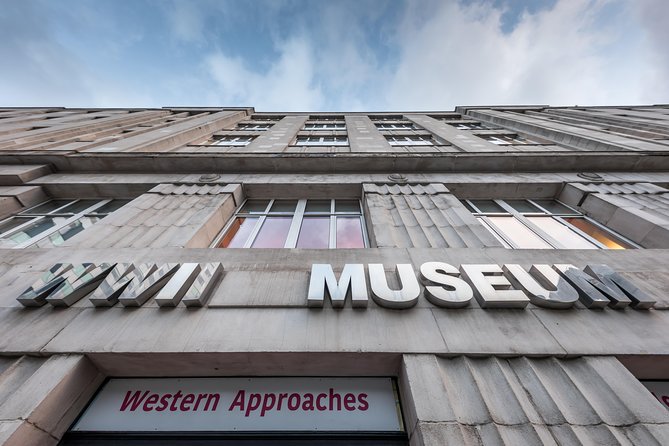
At street level, the entrance can look modest. That is part of the appeal. You are not walking into a grand memorial or a polished modern attraction. You are going down into the working headquarters that helped Britain manage the Battle of the Atlantic.
The bunker sat beneath Liverpool’s city centre, close to the Town Hall. Liverpool was vital to the Allied war effort because ships carrying food, fuel, troops, and military supplies passed through the Western Approaches, the sea routes leading toward Britain’s western coast.
The visit begins with a short film explaining the Battle of the Atlantic. It gives you the basic setting before you enter the rooms, which is useful if you do not already know why Liverpool mattered so much during the war.
After that, you follow the corridors through a series of wartime rooms. The museum is compact, but it is packed with objects and information. I would allow at least an hour, then add more time if you like reading every panel or trying the interactive pieces.
The Map Room and the work behind the maps
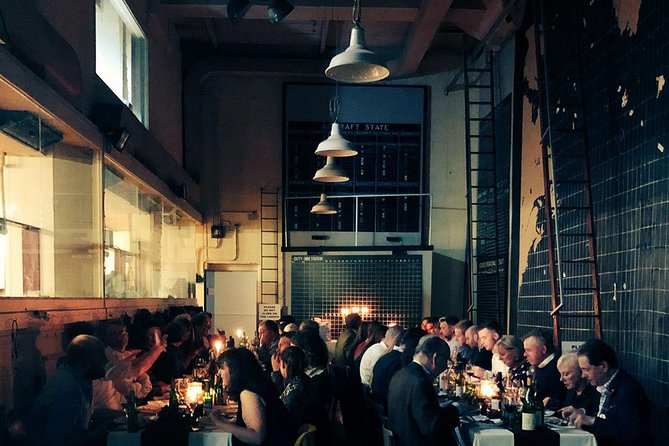
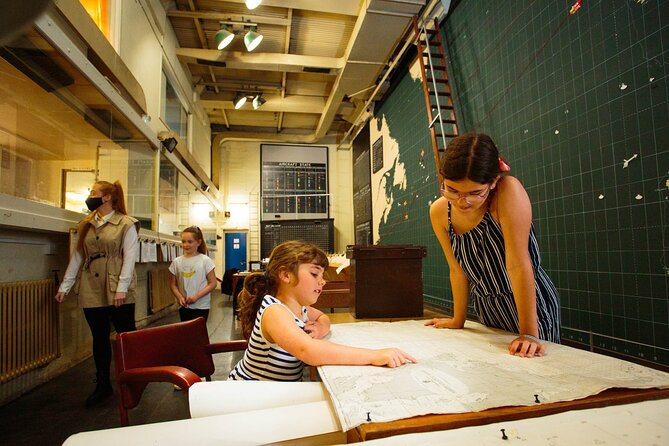
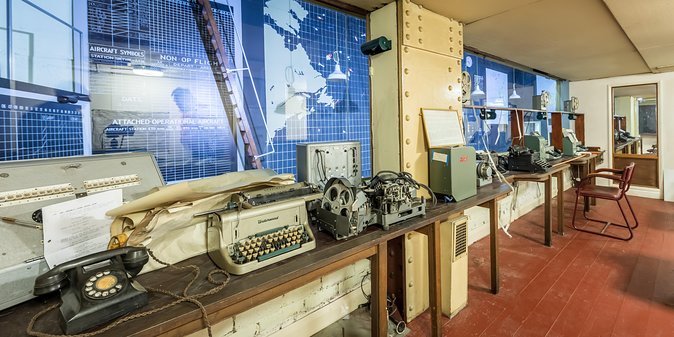
The Map Room is the heart of the visit. Commanders, WRNS personnel, and WAAF personnel worked here day and night, monitoring convoy routes and marking enemy positions on a huge map.
The work demanded exact information. A misplaced ship or incorrect report could send the Royal Navy in the wrong direction. From this room, staff tracked shipping movements and helped pass intelligence to the British government while keeping it from the enemy.
What makes the room effective is its condition. The Map Room has remained as it was when the doors were closed on 15 August 1945. The tables, maps, and working arrangement help you picture the room as a busy operational centre rather than a decorative museum set.
You can also see battle craft information and maps showing vessel positions. Some displays are easier to understand if you take your time and read the explanations carefully. There are no constant dramatic effects telling you what to feel, so the experience depends on your willingness to study the material.
That quiet approach suits the subject. The people who worked here dealt with reports, routes, codes, and decisions that had life-or-death consequences. The rooms communicate that seriousness without turning the visit into a theatrical show.
A few more things to do in Liverpool worth a look
- Liverpool Ghost Hunt: Paranormal Detective Self-Guided Game
★ 4.5 · 26 reviews - London: Emirates Stadium Entry Ticket and Audio Guide
★ 4.7 · 5,513 reviews - London: British Museum Audio Tour & Priority Entrance Ticket
★ 4.5 · 631 reviews
Telephones, typewriters, and wartime office life
The bunker is more than one map room. As you walk through the corridors, you enter offices and working areas where staff handled communications and intelligence.
One of the most striking objects is one of only two surviving wartime telephones with a direct connection to the War Cabinet in London. It is a small object, but its purpose gives it weight. This was not an ordinary office telephone. It linked Liverpool’s command centre directly with the highest level of wartime government.
You can also see the telephone exchange and the tools used to send and receive information. Typewriters and teleprinter machines help explain the steady stream of messages that had to be processed accurately and quickly.
Some parts of the museum invite you to take part. You can sit at desks, try the typewriters and teleprinters, and handle the experience at your own speed. These touches are especially useful for younger visitors, who may find a machine easier to understand than a long panel of text.
Uniforms add another human detail. The bunker was staffed by men and women, and the displays give proper space to the WRNS and WAAF personnel who carried out essential work. The women’s section is an unexpected highlight because it shows how much of the daily operation depended on roles that are often treated as a footnote in wartime stories.
A self-guided visit with room to linger
This is not a fixed guided tour. You receive entry and then make your own way through the bunker. That arrangement works well if your interests are selective.
You might spend several minutes in the Map Room, move quickly through a text-heavy section, then pause at the uniforms or communications equipment. Families can adjust the pace for children, while history enthusiasts can read more without holding up a group.
The lack of a guide also has a downside. If you do not know much about the Battle of the Atlantic, some displays may take effort to piece together. The museum uses static objects, written descriptions, and a limited number of videos. A spoken guide, audio tour, or more interactive explanation could make the information easier to follow.
I would suggest watching the opening film carefully. It gives you the basic framework you need. Then ask yourself how each room fits into the larger task of finding enemy vessels, protecting convoys, and sending reliable intelligence to decision-makers.
The museum’s staff are described as enthusiastic and helpful, and the site is undergoing continued refurbishment. That means parts of the presentation may continue to develop, but it also means the attraction has an active, changing feel rather than the finished polish of a large national museum.
How the visit compares with larger war museums
If you have visited the Churchill War Rooms in London, you may notice the difference. The London museum offers a larger presentation, more extensive interpretation, and a stronger sense of carefully staged storytelling.
Western Approaches is smaller and more basic. It does not match the Churchill War Rooms for scale or interactive presentation. Some visitors may find the displays too dependent on text, especially in rooms where maps and blackboards would benefit from audio or animated explanations.
But the comparison also shows what makes Liverpool’s museum worthwhile. You are visiting the actual operational bunker tied to the city’s role in the Atlantic war. The rooms feel practical and workmanlike. The original Map Room, the wartime phone, and the narrow corridors offer a different experience from a polished national exhibition.
I would not choose this museum instead of the Churchill War Rooms if you have only one day in London. In Liverpool, however, it is a strong choice for anyone interested in naval history, intelligence, wartime communications, or the civilian and military effort behind the Atlantic supply routes.
Same city, a very different afternoon:
- Liverpool: Liverpool Football Club Museum and Stadium Tour
★ 4.8 · 10,764 reviews - Beatles Magical Mystery Tour
★ 5.0 · 9,266 reviews - Liverpool: “Blue Route” – City & Beatles Tour
★ 5.0 · 8,562 reviews - Liverpool: City & Beatles Tour with Live Guide & Live Music
★ 4.8 · 5,249 reviews
Planning your one to two hours underground
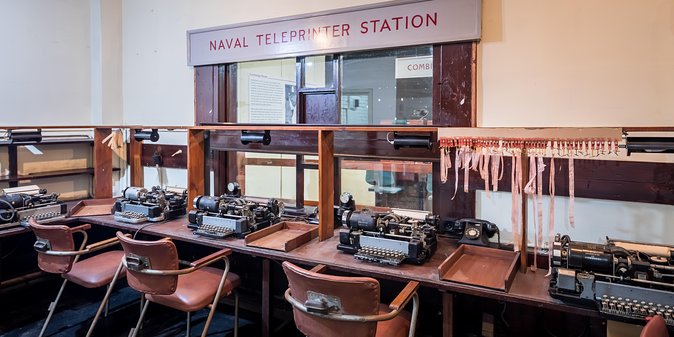
The museum is open daily from 10 a.m. to 6 p.m. under the stated operating dates. A normal visit takes around one to two hours, though it is easy to spend longer if you read closely or make use of the hands-on displays.
The entrance is near Liverpool Town Hall and roughly a five-minute walk from Albert Dock. It can be difficult to spot from the street, so give yourself a little extra time to find the entrance. Once inside, the ticket process is straightforward, and the admission is included with the booking.
You descend by steps into the bunker. The experience requires a moderate level of physical fitness, and anyone who finds stairs difficult should take that into account before booking. Service animals are allowed, and the museum is near public transportation.
The bunker setting also matters for comfort. You are entering an underground wartime site with corridors and rooms rather than a broad, modern gallery. Take your time and avoid rushing from one section to the next.
What the ticket is worth at $24.26
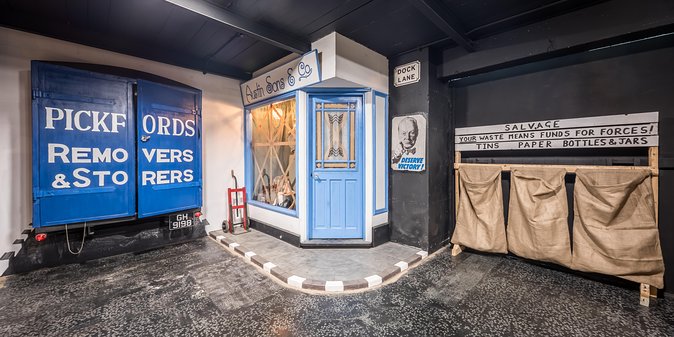
At about $24.26 per person, this is not the cheapest short museum visit, but the price is easier to justify if you value original sites and military history.
The ticket includes admission to the Western Approaches HQ Museum and a free return visit within 12 months. That annual pass changes the calculation. If you are staying in Liverpool for several days, or if you expect to return to the city, you can revisit without paying again.
The self-guided format also gives you control over the length of your visit. You are not paying for a short timed presentation and then being moved along. You can stay for an hour, or closer to two hours, depending on your interest.
At the same time, do not book this expecting a large interactive attraction. The value comes from the original bunker, the preserved Map Room, the wartime objects, and the chance to explore independently. If you prefer modern effects, extensive film content, or a live interpreter, the price may feel less attractive.
There is a small refreshment area at the end, with hot drinks available at wartime prices. Traditional games and a film about life in Liverpool during the war give you a relaxed place to finish the visit.
Who will enjoy Western Approaches most
I would recommend this experience to:
- People with a strong interest in World War II, naval operations, or military intelligence.
- Visitors who enjoy original sites more than large modern galleries.
- Families with older children who like machines, uniforms, maps, and hands-on displays.
- Anyone exploring Albert Dock and looking for a nearby indoor history attraction.
- Visitors who prefer choosing their own pace rather than joining a fixed tour.
- Repeat visitors who can make use of the 12-month return admission.
You may want to choose something else if you dislike reading, find underground spaces uncomfortable, or need a fully step-free attraction. The museum has plenty to see, but you must do some of the interpretive work yourself.
Small details that make the bunker memorable
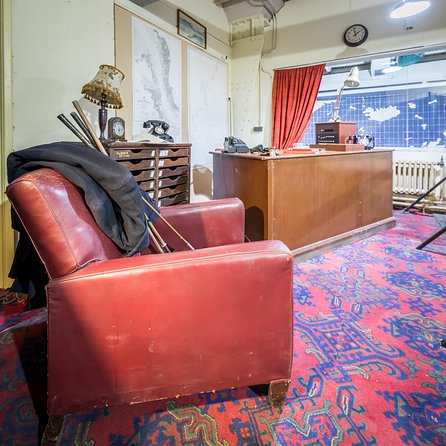
The most memorable parts are not necessarily the largest displays. The direct-line telephone to London gives a vivid sense of the decisions made here. The Map Room shows the scale and precision of the work. The women’s displays remind you that the war effort depended on clerical, communications, and operational roles carried out day after day.
I also like the ordinary objects. Typewriters, teleprinters, desks, uniforms, and the telephone exchange bring the bunker down to human size. They show how major military decisions depended on people recording, checking, sending, and updating information.
The bunker itself is part of the collection. The corridors and rooms retain the feel of a working headquarters. You are not simply looking at a map removed from its setting. You are seeing it where staff once used it to follow shipping and enemy movements.
Should you book the Western Approaches Museum?
Book it if you want a focused, authentic Liverpool history experience and you are willing to read, look closely, and set your own pace. The preserved Map Room and underground command centre are the main reasons to go, while the 12-month return admission makes the ticket more useful than a one-time entry.
Skip it if you expect the scale and polish of the Churchill War Rooms, or if stairs and text-heavy displays would make the visit tiring. For most history-minded visitors in Liverpool, though, this is a worthwhile stop, especially when paired with Albert Dock or the Town Hall area.
FAQ
Where is the Western Approaches HQ Museum?
The museum is beneath Liverpool’s city centre, close to Liverpool Town Hall. It is about a five-minute walk from Albert Dock.
How long does the self-guided tour take?
The visit takes approximately one to two hours. You can move at your own pace and spend longer in the rooms that interest you most.
What are the museum’s opening hours?
The stated opening hours are daily from 10 a.m. to 6 p.m.
Is admission included with the booking?
Yes. The booking includes entry to the Western Approaches Museum.
Can I return to the museum after my visit?
Yes. Admission includes free return visits within 12 months.
Is this a guided tour?
No. This is a self-guided museum visit, so you explore the bunker independently.
What is the most important room to see?
The Map Room is the central highlight. It was the nerve centre of the bunker and has been left as it was when the site closed on 15 August 1945.
Are there steps into the bunker?
Yes. There are steps down from the street-level entrance into the bunker.
Are service animals allowed?
Yes. Service animals are allowed.
Can I cancel for a full refund?
You can cancel for a full refund if you cancel at least 24 hours before the experience start time. Changes or cancellations made less than 24 hours in advance are not accepted for a refund.
Just added in Liverpool
- Fun, Flexible Treasure Hunt Around Liverpool with Cryptic Clues & Hidden Gems★ 5.0 · 141 reviews
- Beatles Ticket To Ride Half Day Tour Small Groups★ 5.0 · 60 reviews
- Half-Day Liverpool Electric Beatles Bike Tour★ 5.0 · 146 reviews
- Lake District from Liverpool including Lake Cruise★ 4.5 · 49 reviews
- Small-Group: Experience Local Food Tour in Liverpool★ 5.0 · 32 reviews
- Anfield Abseil with Free Entry to the LFC Museum★ 5.0 · 171 reviews
- Royal Liver Building 360 – Tower Tour and Experience★ 5.0 · 526 reviews
- Private Beatles Car Tour, Penny Lane, Strawberry Field & childhood homes★ 5.0 · 118 reviews
Tours in England, compared.

Stonehenge, Windsor Castle, and Bath from London
Read our review →

Stonehenge, Windsor Castle and Bath with Pub Lunch in Lacock
Read our review →
Oxford University Walking Tour With University Alumni Guide
Read our review →
Tower of London and Crown Jewels Exhibition Ticket
Read our review →
Browse the lists this tour appears in