Reviewed · WALKING TOURS
Walking tour of Lancaster – Execution Slavery Industry
Lancaster’s past is not tidy, and that is exactly what makes this walk worthwhile. Executions, witchcraft, royal intrigue, slavery, murder, and industry all appear as you move from the castle to the quay, streets, canal, and civic buildings. Guide Barrie delivers the material with humor and plenty of unusual detail, so this is not a dry march from one plaque to the next.
I like the easy castle-front meeting point and the way the route gives you a quick working map of Lancaster. I also like the serious treatment of the city’s links to the international slave trade, balanced with stories of ordinary institutions, local industry, education, and charity. The main drawback is simple: you will be outside for about three hours, with plenty of standing, and there is little shelter if the weather turns cold or wet.
Key points before you book
- Lancaster Castle sets the tone: Begin with prisoners, trials, executions, and the castle’s wider role in local history.
- Saint George’s Quay adds difficult context: See the old harbor and learn how Lancaster was connected to the international slave trade.
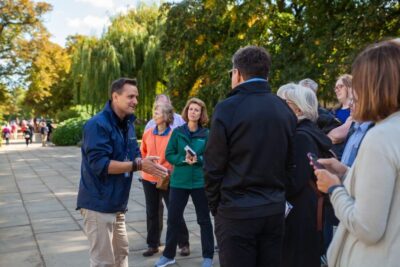
- Barrie is the central attraction: His storytelling mixes researched facts, humor, questions, and local anecdotes.
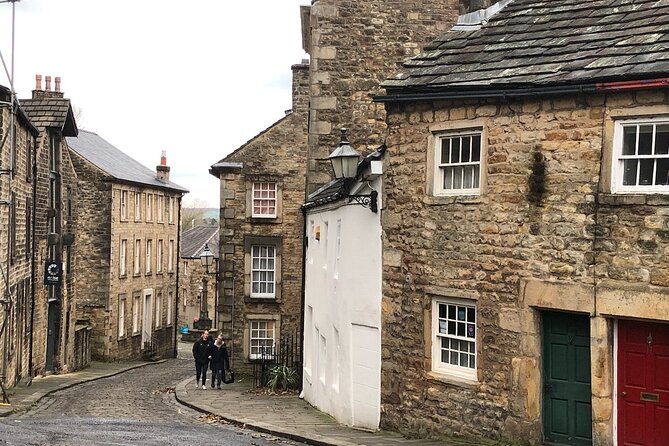
- The route covers more than famous sights: Judges’ Lodgings, Church Street, Dalton Square, Penny’s Almshouses, and The Storey all add different pieces.
- Plan for outdoor walking: The pace is described as gentle, but you will stand at many stops and need to dress for changing weather.
- Small groups help: The maximum group size is 20, enough for conversation without turning the walk into a crowd.
Why this Lancaster walk covers more than a castle
Many visitors see Lancaster Castle, admire the outside, and move on. This tour asks what happened there, who was held inside, how justice worked, and why the building matters beyond its stone walls. That opening gives the walk a clear purpose from the start.
The title points toward execution and slavery, but the route is wider than those subjects alone. You will also hear about kings, missing princes, witchcraft, forensic science, industrial families, public education, and charitable housing. I like that mix because it shows how a city is built from competing stories, not one polished version of the past.
The tour costs $20.81 per person. For roughly three hours, that is good value if you want a guide to connect the places rather than simply identify them. You are paying for interpretation and local context, not admission tickets, since the listed stops are visited without an additional entry charge.
More walks around England:
- Oxford University Walking Tour With University Alumni Guide
★ 5.0 · 6,905 reviews - Tour for Muggles The Ultimate Harry Potter Walking Tour in London
★ 5.0 · 4,684 reviews - London Jack The Ripper Guided Walking Tour
★ 5.0 · 3,131 reviews
Starting at Lancaster Castle
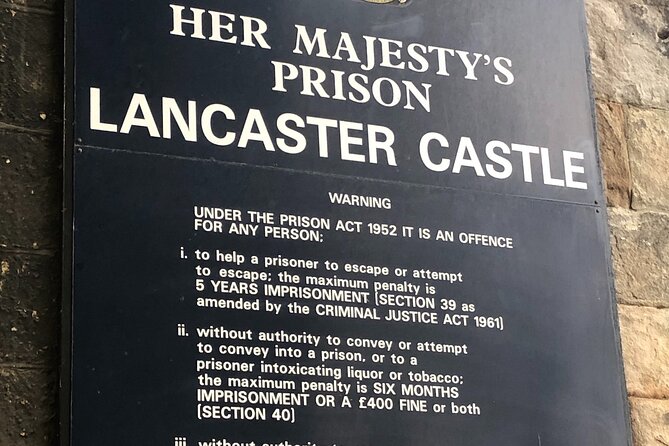
Meet at Castle Approach, Lancaster LA1 1YN, with the castle as the visual landmark. This is a useful starting place if you are new to the city, since the meeting point is easy to identify and the tour finishes back there.
The castle section lasts about 20 minutes. Barrie covers its famous and less famous prisoners, trials, and executions, while also asking what else the castle represents. That wider question matters. A building used for punishment can also tell you about law, authority, fear, and the social order of its time.
You should expect to stand outside while listening. The tour does not list castle admission, so do not assume this walk includes an interior visit. If you want to go inside the castle afterward, the guide’s opening discussion can help you decide how to spend more of your day.
The castle is also a practical place to begin because the route then moves into the city. I would book this early in a Lancaster visit. The walk points out places you may want to return to, and it gives you a sense of how the central streets connect.
Saint George’s Quay and Lancaster’s slave-trade links
Saint George’s Quay is one of the most important stops on the route, even though the scheduled talk is only about 15 minutes. This eighteenth-century harbor on the River Lune connects Lancaster’s waterfront to international trade and to the city’s involvement in slavery.
That subject deserves attention because it complicates the picture of Lancaster as only a pleasant historic town. The quay helps you picture the commercial activity that once took place along the river, while the guide explains the people and trade networks connected with the area.
I appreciate that this part of the tour is not treated as a decorative waterfront pause. You are asked to consider how money, shipping, and local prosperity were tied to a brutal system far beyond Lancashire. The stop also gives the walk an important change of mood after the castle’s punishment and courtroom stories.
Bring a coat even in mild weather. Waterfront conditions can feel colder, and the route is built around outdoor explanation rather than a long indoor visit. One of the strongest aspects of the experience is the way the guide joins a physical place to an uncomfortable question: who benefited from the trade conducted here?
Judges’ Lodgings, witchcraft, and the oldest house
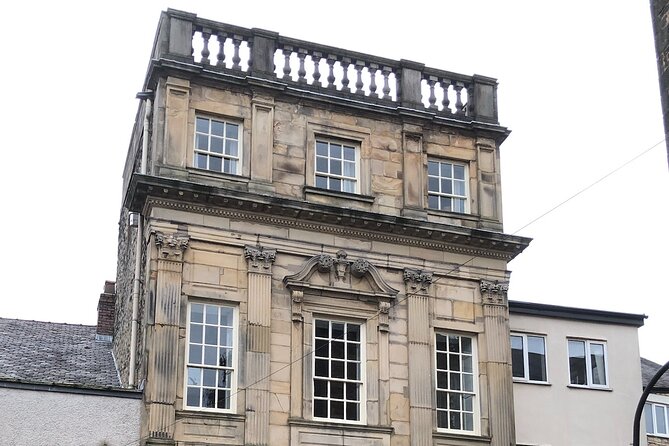
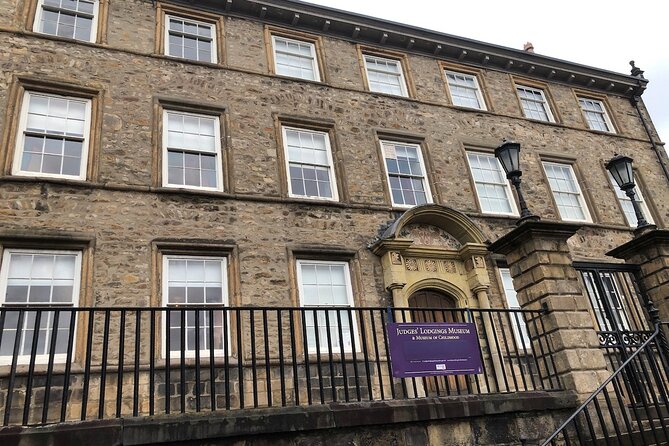
The next stop is Judges’ Lodgings, described as Lancaster’s oldest house. The scheduled explanation lasts about 10 minutes and focuses on ownership and the building’s connection with witchcraft.
This is a good example of the tour’s method. Instead of treating an old house as a pretty facade, Barrie uses it to introduce the people who owned it and the beliefs that shaped local justice. Witchcraft stories can easily become cheap entertainment, but here they sit alongside the tour’s larger interest in trials, punishment, and authority.
The short stop also keeps the walk moving. You are not spending half an hour inside one building. You are building a chain of connections between the castle, the courts, local families, and the city streets.
Same city, a very different afternoon:
- Stonehenge, Windsor Castle, and Bath from London
★ 4.5 · 18,662 reviews - London Big Bus Hop-On Hop-Off Tour with Optional River Cruise
★ 3.5 · 10,803 reviews - London Small Group Tour of Historical Pubs
★ 5.0 · 10,422 reviews - Beatles Magical Mystery Tour
★ 5.0 · 9,266 reviews
Royal stories on Church Street and Market Street
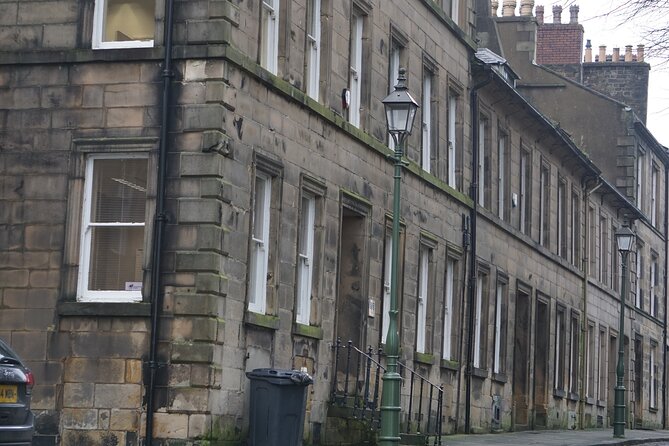
Church Street brings a royal mystery into the route: a prince goes missing, with stories about a possible king of England. The scheduled talk is about 10 minutes.
Market Street follows with another royal episode. One prince raises a banner, while another loses a shoe, and the two stories are separated by about 300 years. These moments provide a lighter change from executions and slavery, but they still serve a purpose. They show how national events can leave traces in an ordinary city street.
I like the variety here. A walking tour focused only on grim subjects could become heavy, while a tour focused only on royalty would feel detached from daily life. Lancaster’s streets allow the guide to shift between national politics, local memory, and small details that make big events easier to remember.
You will want to listen closely at these stops because the subjects are story-based rather than obvious monuments. If you walk past alone, you might see a street and a building. With the explanation, the same place becomes a setting for questions about succession, power, and public loyalty.
Dalton Square and the first murder solved by forensic science
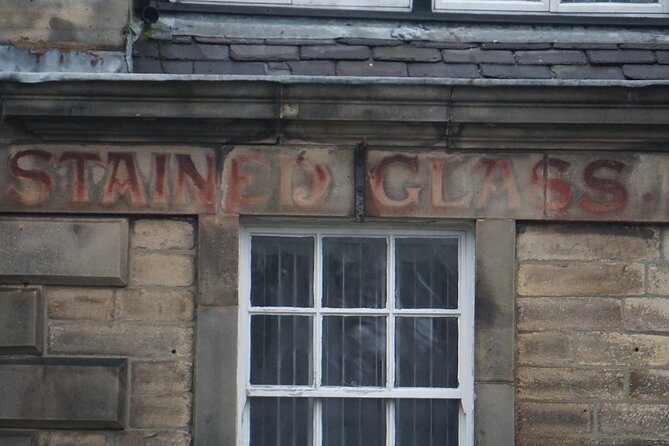
Dalton Square brings the tour back to crime, but with a modern turn. Here you learn about a murder described as the first solved by forensic science, along with the government bonus paid to slave owners.
That pairing is striking. One story concerns scientific investigation and the development of criminal evidence. The other exposes the financial arrangements that followed the end of slavery, including compensation directed to slave owners rather than the people who had been enslaved.
The stop asks you to hold two kinds of history together: changing methods of justice and the lasting financial effects of slavery. It is a useful reminder that progress in one area does not erase injustice in another.
The talk lasts about 10 minutes, so expect a focused explanation rather than a long seminar. If you enjoy history that links local places to wider systems, this should be one of the more memorable points on the route.
The Lancaster Canal and the Storey brothers
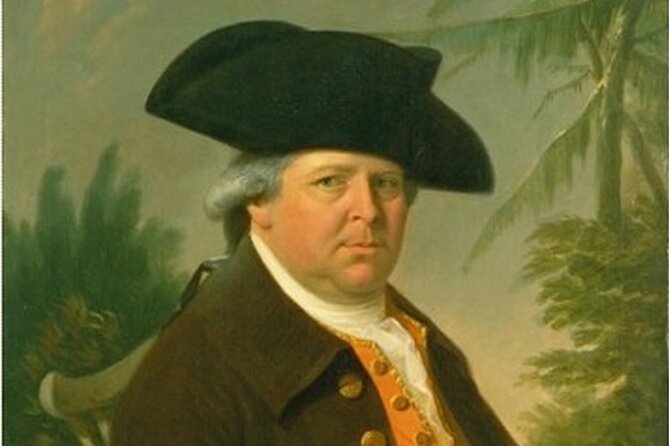
At the Lancaster Canal, the focus shifts to transport, mills, and business. The stop includes White Cross Mill, the canal, and the Storey brothers, whose work is tied to the canal’s most active period.
This is where the tour shows how Lancaster functioned as a working city. Harbors and canals were not just scenic features. They carried goods, supported mills, shaped employment, and helped local families build fortunes.
The canal stop lasts around 10 minutes. You will hear about the heyday of this coastal canal and the role of the Storey family, then continue through the city. I find this kind of stop valuable because it explains the economic framework behind the buildings you have already seen.
The route is not a museum visit, so the experience depends on the guide’s explanation and your ability to picture earlier activity in the same space. Barrie’s style, with anecdotes and humor mixed into the facts, is especially useful here. Industrial history can feel abstract, but a story about a local family gives it a human scale.
Penny’s Almshouses and a living charitable tradition
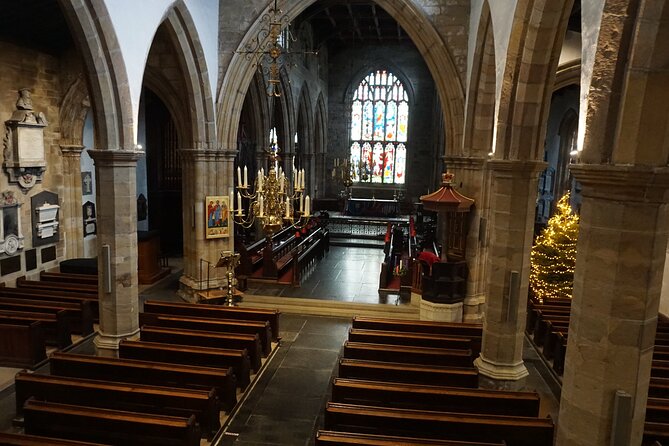
Penny’s Almshouses offers another change of subject. The tour looks at an almshouse that is still functioning today, asks who founded it, and explains how it was financed.
This stop is valuable because it brings social welfare into the story of Lancaster. The tour is not only about criminals, merchants, and rulers. It also considers how people funded housing and support for others, and how those institutions continued over time.
You will spend about 10 minutes here. The focus is on the foundation and funding, not on an extended interior visit. Be respectful, since the almshouse remains in use.
For me, this is one of the details that makes the walk feel grounded. You see how charitable intentions became bricks, rooms, rules, and a continuing institution. It adds a quieter human note after the more dramatic stories of crime, royalty, and slavery.
The Storey and Lancaster’s educational ambitions
The final listed stop is The Storey, an educational institute founded through donations. The tour explains how it became a forerunner of the city’s university tradition.
This gives the walk a fitting ending. You begin with punishment and confinement at the castle, pass through trade and industry, and finish with education and civic investment. The story suggests a city changing over time, with public ambition expressed through institutions as well as buildings.
The stop lasts about 10 minutes. It is not simply a final landmark identification. It helps you understand how Lancaster’s identity developed through private donations, education, and local effort.
Afterward, the walk returns to the meeting point. That makes the tour convenient if you have left a bag, parked nearby, or need to continue from a familiar part of the city. It also means you can use the route as an introduction, then revisit the places that caught your interest.
Barrie’s storytelling style and the pace of the walk
Barrie is the guide named for this experience, and the strongest praise centers on his delivery. His approach combines local facts, amusing anecdotes, and plenty of detail. He also welcomes questions, which matters on a route covering such a wide range of subjects.
The pace is described as gentle, but do not confuse gentle with effortless. You will cover a good part of central Lancaster and stand at many points of interest. One account specifically notes plenty of walking and standing, while another says the group was tired by the end despite the manageable pace.
The group can include up to 20 people. That is small enough for a guide-led walk to feel personal, though not so small that you should expect a private tour. You receive a mobile ticket, and the tour is offered in English.
The route requires good weather. If poor weather cancels it, you are offered another date or a full refund. I would still bring waterproof clothing and comfortable shoes, since even a dry forecast can change the feel of an outdoor walk. Service animals are allowed, the route is near public transportation, and most people can participate, but the amount of standing is worth considering if you have mobility concerns.
Who will get the most from this tour?
I would choose this walk if you have limited time in Lancaster and want one activity to connect the main historic areas. It also works well as an add-on to a wider Lancashire visit, especially if you want local context before exploring alone.
It suits you particularly well if you enjoy:
- Dark history handled alongside social and economic subjects
- Local stories about people, families, and institutions
- Walking tours with humor and questions
- Seeing places that are easy to pass without understanding
- A broad introduction before choosing which sites to revisit
I would think twice if you dislike outdoor standing, want a private experience, or prefer to spend most of your time inside museums. The tour moves at a steady pace and covers a lot of ground. Its value comes from the guide’s connections between places, not from long visits inside each stop.
The tour is also a strong choice for repeat visitors. Even if you know Lancaster’s center, the guide may show you details you have missed and explain how familiar buildings fit into the city’s story.
Booking, cancellation, and value
At $20.81, the price is modest for about three hours of guided walking. Since the route includes nine stops and no separate admission charges are listed, the main value is the time and research put into the explanations.
You can cancel up to 24 hours before the start for a full refund. Changes or cancellations made less than 24 hours ahead are not accepted for a refund. The tour also needs a minimum number of participants, so a cancellation for that reason brings an alternative date, another experience, or a full refund.
The experience is booked, on average, 19 days ahead. That does not mean you must book that far in advance, but it is a useful sign that you should not leave it until the last hour during a busy visit.
Should you book the Lancaster walking tour?
Book it if you want Lancaster explained as a working, political, and sometimes uncomfortable city, not just a collection of old buildings. The combination of the castle, slave-trade connections at Saint George’s Quay, royal stories, forensic crime, canal industry, almshouses, and education gives you a useful sense of how the city developed.
I would especially recommend it near the beginning of your stay. You can then return to the castle, quay, canal, or other sites with a clearer idea of what you are seeing.
Skip it if three hours outdoors sounds tiring or if your main goal is a guided interior visit. For everyone else, the low price, central route, and Barrie’s lively storytelling make this a practical way to get oriented and hear the stories that signs alone rarely tell.
FAQ
How long does the Lancaster walking tour last?
The tour lasts approximately three hours and finishes back at the meeting point.
Where does the tour begin?
It begins at Castle Approach, Lancaster LA1 1YN, UK, in front of Lancaster Castle.
Where does the tour finish?
The activity ends back at the starting point.
What language is the tour offered in?
The tour is offered in English.
How large is the tour group?
The maximum group size is 20 people.
What happens if the weather is poor?
The experience requires good weather. If it is canceled because of poor weather, you will be offered a different date or a full refund.
Just added in England
- 3-Day Stonehenge*, Glastonbury, Bath & the South West Coast Tour from London★ 4.5 · 32 reviews
- Private Guided Tour of Harry Potter Locations – English/ Italian★ 5.0 · 33 reviews
- Private Tour London Highlights, entries Westminster Abbey, The Tower of London★ 5.0 · 93 reviews
- 2 Hour Walking Tour from Buckingham Palace to Big Ben★ 5.0 · 32 reviews
- 30 Major London Attractions Walking Tour With Photos★ 4.5 · 51 reviews
- 007 Shadow Of Spectre★ 5.0 · 135 reviews
- Private Guided Tour of the British Museum – Tickets Included★ 5.0 · 193 reviews
- Bath, Avebury and Lacock Village Small-Group Day Tour from London★ 4.5 · 121 reviews
Walking Tours, compared.

Magical London: Harry Potter Guided Walking Tour
Read our review →
Underground Vaults Walking Tour in Edinburgh Old Town
Read our review →
Oxford University Walking Tour With University Alumni Guide
Read our review →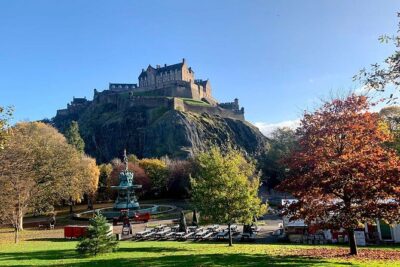
Edinburgh Castle: Guided Walking Tour with Entry Ticket
Read our review →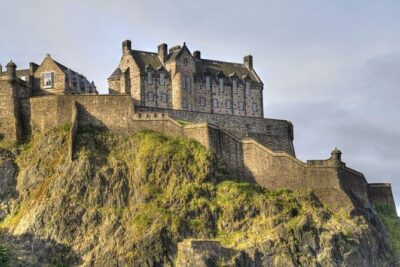
Edinburgh Castle Guided Walking Tour in English
Read our review →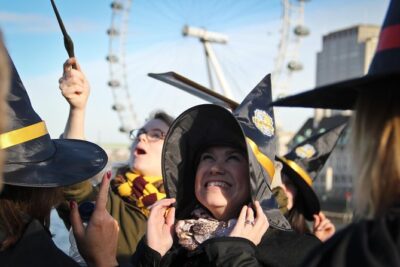
Tour for Muggles The Ultimate Harry Potter Walking Tour in London
Read our review →