
Reviewed · HISTORICAL TOURS
Jane Austen’s Bath And History Trail
Bath makes a fine Jane Austen classroom because the city itself explains so much of her world. On this 2.5-hour walking tour, you move from elegant Georgian streets to Bath Abbey, the Roman Baths, Assembly Rooms, and several places tied directly to Austen’s short stays in the city.
I like the way guide Ulrich Wenske links architecture, social customs, and Austen’s novels instead of treating her life as an isolated story. I also like the small group limit of 10, which gives you room to ask questions and, on quieter dates, may make the walk feel almost private. The main caution is simple: this is a real walking tour, with uphill sections and steps, so comfortable shoes matter.
Key things to know before you book
- Austen’s Bath homes: See the former residences at No. 4 Sydney Place and No. 13 Queen Square, with details about her brief time in the city.
- A citywide route: The walk covers Pulteney Bridge, Great Pulteney Street, the Circus, Royal Crescent, Bath Abbey, the Roman Baths area, and the Assembly Rooms.
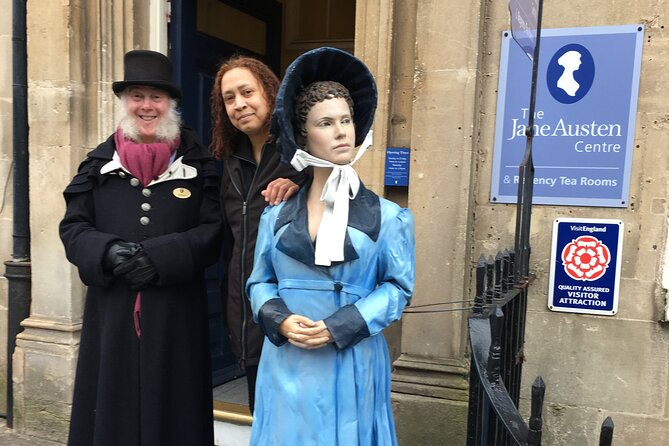
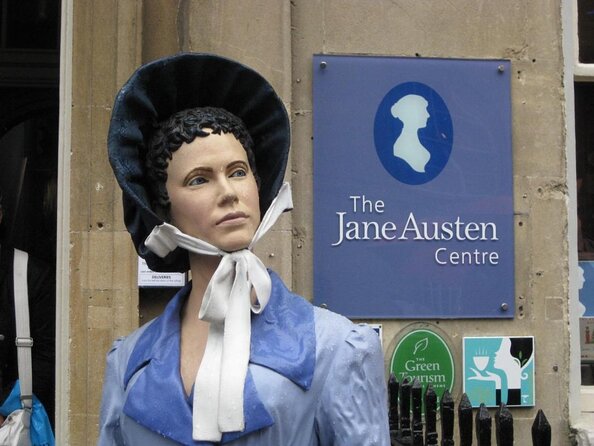
- Free Jane Austen Centre access: You can enter the centre and visit its book shop, but the centre’s internal tour is not included.
- Optional paid museums: Entry to No. 1 Royal Crescent, Bath Abbey, and the Roman Baths is extra.
- Steady pace, some hills: Plan for plenty of walking, uphill stretches, and occasional steps.
- Small-group setting: The tour accepts no more than 10 people and ends where it begins, at Pulteney Bridge.
Starting at Pulteney Bridge and Great Pulteney Street
The meeting point is the Pulteney Bridge Coffee Shop at 17 Pulteney Bridge. This detail matters. The Jane Austen Centre is not the starting point, and it is roughly a 20-minute walk away, so check the meeting address and map before setting out.
Pulteney Bridge is one of Bath’s most distinctive sights. Designed in 1769, it crosses the River Avon with shops built along both sides, recalling Florence’s Ponte Vecchio. It is a useful first stop because it introduces the grand scale and ambition of Georgian Bath without requiring you to enter a museum.
From here, the route continues along Argyle Street toward Laura Place and Great Pulteney Street. The broad street is lined with elegant town houses and offers a clear look at the city’s 18th and 19th-century social world. You also get a view toward the Holburne Museum of Art, although museum entry is not part of the walk.
The first section takes about 20 minutes, including the walk toward Sydney Place. At No. 4 Sydney Place, a plaque marks one of Jane Austen’s Bath homes. You will not enter the residence, but seeing the actual address gives Austen’s time in Bath a useful physical setting. You are no longer thinking of Bath as a backdrop. You are looking at the streets she knew.
A few more things to do in Bath worth a look
- Bath: Local Pubs & Historic Sights Walking Tour (3h)
★ 5.0 · 31 reviews - Bath: Local Pubs & Historic Sights Walking Tour (3h)
★ 4.9 · 29 reviews - London Small Group Tour of Historical Pubs
★ 5.0 · 10,422 reviews
Jane Austen Centre and the reality of Regency Bath
The Jane Austen Centre provides a focused look at the author’s life and the Regency period. The tour includes entry to the centre and its book shop, but not the centre’s own internal guided presentation. If you want the full museum experience, you need to arrange that separately.
That distinction is important when you compare the price with a museum-based visit. At about $40.24 per person, the fee pays mainly for the guided walk and the interpretation connecting Bath to Austen. It does not cover every major attraction along the route.
The centre is still valuable as a stop because it helps explain how living in Bath affected Austen’s writing. She spent only a short time here, but the city’s social rituals, public promenades, balls, assemblies, and concern with rank appear clearly in Northanger Abbey and Persuasion. The walk gives you more context than simply seeing a plaque or taking a photograph.
Ulrich’s style is conversational. You can ask questions along the way, and the tour has received strong praise for its mix of Austen material and general Bath history. His German accent may take a moment to adjust to, and one comment noted that he sometimes spoke quickly or was hard to hear. Staying near the guide is wise, especially on busy streets.
No. 1 Royal Crescent and Bath’s grandest address
The Royal Crescent is one of Bath’s major architectural statements. Thirty terraced houses form a sweeping curve, joined by giant Ionic columns. Construction began in the second half of the 18th century, when Bath was reshaping itself as a fashionable resort for wealthy visitors.
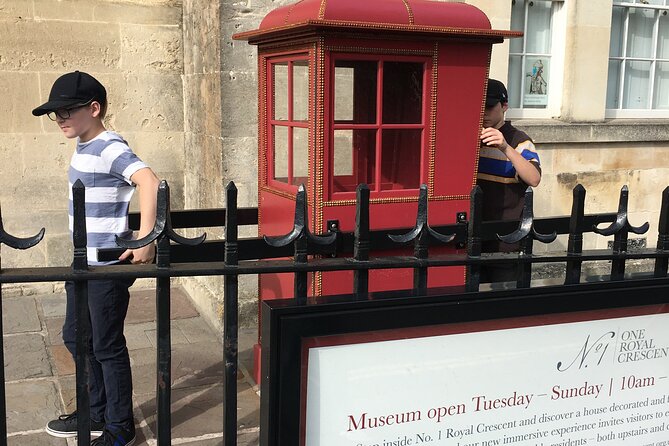
No. 1 Royal Crescent is now a museum showing how one of these grand houses might have looked inside. The museum is not included in the tour price, so you can decide if it suits your schedule and budget. I like having that choice. You see the exterior with the guide, then choose another visit later if you want a longer look at Georgian interiors.
The stop itself lasts about 15 minutes. That is enough time to understand the building’s design and role in Bath, but not enough for a detailed museum visit. If you have a strong interest in period rooms, plan extra time before or after the walk.
The Royal Crescent also helps balance the Austen focus. You are not only following her movements. You are seeing the setting that shaped the social pressure in her novels: impressive houses, careful appearances, and a city designed for being seen.
Bath Abbey, thermal springs, and Queen Square
Bath Abbey brings a different period into the walk. The medieval church was begun in the early 12th century, restored under Bishop Oliver King in 1499, and completed under Elizabeth I in 1611. It is known for memorials, wall plaques, and its connection with the coronation of Edgar in 977.
The tour includes an explanation of the Abbey and allows you to visit its interior, but the supplied information lists entrance fees separately. Confirm the current arrangement when booking, since opening conditions and entry charges can change.
The Abbey matters here because Bath’s identity is layered. Roman foundations, medieval religion, Georgian society, and Austen’s literary world all occupy the same compact centre. A good guide helps you see those periods as connected rather than as separate sightseeing stops.
The route also explains Bath’s thermal springs, including the Hetling Spring, Cross Spring, and King’s Spring. Their origins are described as reaching back 10,000 years. The modern thermal bathing option is presented as the only place in Britain where you can swim in natural thermal water, with a rooftop pool kept at about 35 degrees Celsius and open in summer and winter.
That bathing experience is not part of this walking tour. Think of it as useful planning information for another part of your Bath visit. The walk explains the springs and their place in the city’s story, while a separate booking would be needed if you want to enter a thermal pool.
At Queen Square, you hear more about Austen’s brief stay at No. 13 in 1799. It is a modest detail, but exactly the sort of detail that makes the literary connection feel real. Austen’s Bath life was not a long residency. It was a series of short stays and familiar streets, which makes the city’s influence all the more interesting.
Same city, a very different afternoon:
- Walking Tour of Bath with Blue Badge Tourist Guide
★ 5.0 · 1,877 reviews - Bath: City Walking Tour with Optional Roman Baths Entry
★ 4.7 · 1,401 reviews - Bath: Guided Walking Tour
★ 4.9 · 1,198 reviews - Bath: Guided Ghost Tour
★ 4.8 · 1,036 reviews
The Circus and the logic behind its circle
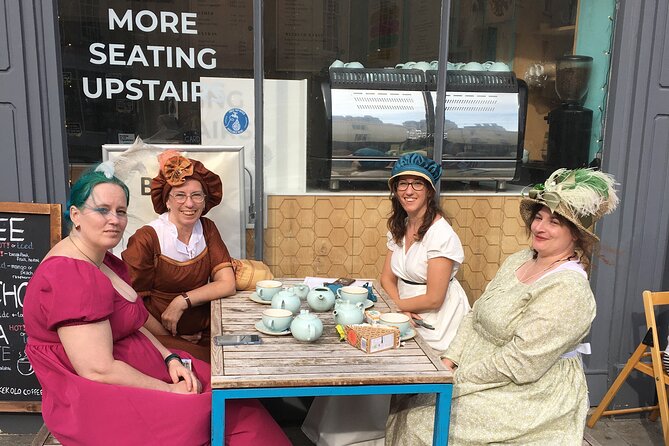
The Circus is one of the most enjoyable parts of the route for anyone interested in buildings. Work began in 1754, and the design is linked to the John Wood architects’ interest in prehistoric stone circles. It was also intended to echo the Colosseum in Rome.
The three curved blocks form a powerful urban space. The guide explains how the buildings work together and why the design is more than a collection of attractive façades. You get a look at the planning ideas behind Georgian Bath, not just another stop for photographs.
This is also where Ulrich’s personal storytelling can add flavor. One tour included an aside about seeing the Beatles perform in Hamburg before they were famous. That is not the main subject, but it shows the relaxed, question-friendly tone you may encounter.
The Circus stop takes about 20 minutes and is free. You may hear about the unusual echoing effect around the central trees, a small feature that gives the stop a playful moment after so much architectural detail.
Assembly Rooms and Austen’s social world
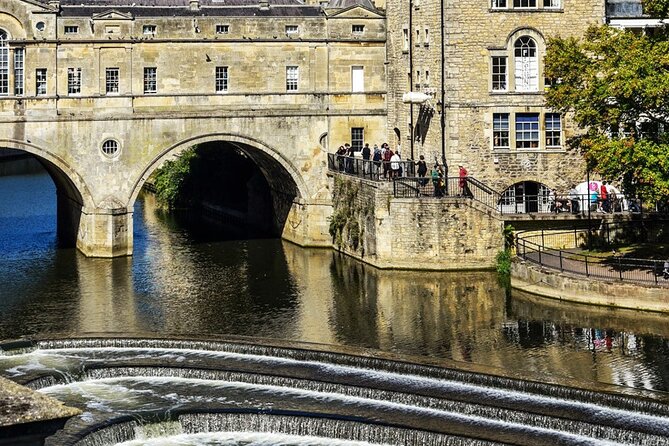
The Assembly Rooms were built for fashionable social life during the Regency period. Their ballrooms, octagon, card room, and tea room hosted the rituals of meeting, dancing, watching, and being watched.
This stop is especially useful if you have read Northanger Abbey or Persuasion. Austen’s Bath is not only a place of pretty streets. It is a place where social opportunity and social judgment meet. The Assembly Rooms make that world easier to picture.
Entry is not included. The building may also host events, so access can vary. The tour gives you the setting and the historical explanation, while a separate visit lets you decide if you want to see the rooms in detail.
The stop lasts about 15 minutes. That is enough for orientation, though anyone keen on Regency interiors should allow extra time outside the tour.
Roman Baths and the Pump Room
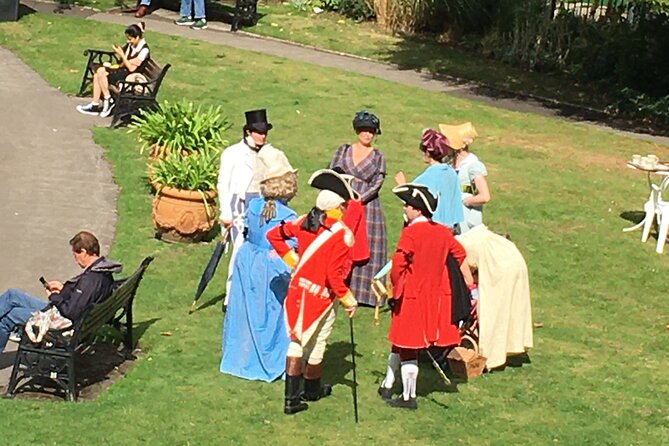
The Roman Baths area is the final major sight in the route. Dating from the 1st century AD, the site includes the temple of Sulis Minerva and the ancient pools. It is one of Bath’s defining attractions, but admission and the audio tour are separate.
Booking the Roman Baths audio tour before or after the walk is recommended in the supplied information. That is good planning advice because the walking route can explain the site, but it cannot replace the time and detail of the museum visit.
Next door, the Pump Room represents Bath’s Georgian golden age. Fashionable society came here for balls, tea, and the ritual of taking the waters. In Northanger Abbey, Catherine and Isabella meet in this setting, which gives the location a direct literary link.
The walk ends back at the Pulteney Bridge meeting point. That is convenient for continuing into central Bath, finding lunch, or returning to a railway or bus connection. Since the tour begins and ends in the same place, you do not need to arrange a second pickup point.
What the $40.24 price really buys you
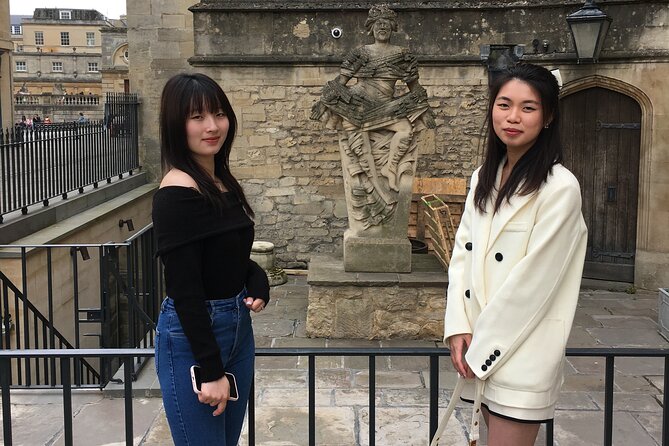
At $40.24, this is best viewed as a guided orientation walk rather than an all-inclusive attraction pass. You are paying for roughly two and a half hours of local explanation, route planning, and links between Jane Austen, Bath’s buildings, and the city’s long history.
The value is strongest if you are new to Bath or want the Austen connection explained as you walk. The route covers many central landmarks in one go, which can save you time and help you decide which museums deserve a separate visit.
The value is weaker if you expect entry to every major sight. The Roman Baths, No. 1 Royal Crescent, Assembly Rooms, and some Abbey arrangements require extra payment. Keep that in mind when setting your day’s budget.
The small maximum of 10 is a real advantage. It is easier to hear a guide, ask questions, and stay together than on a large city tour. Some dates may have only one or two people, creating a more personal walk, though you should not assume that will happen on your chosen date.
Walking conditions, weather, and timing
Wear comfortable shoes and bring water. The route includes a fair amount of walking, some uphill sections, and steps. It is generally slow-paced, but it is not a short stroll between two nearby buildings.
The experience requires good weather. If poor weather cancels the tour, you are offered another date or a full refund. Light rain may not necessarily stop the walk, and Ulrich has continued in poor conditions when people chose to proceed, with shelter or a virtual alternative discussed as options. Still, bring weatherproof clothing and do not plan it as an indoor activity.
The tour is offered in English or German. Most people can participate, and the route is near public transportation. If you arrive late, do not rely on the group waiting indefinitely. One missed departure resulted from arriving at the Jane Austen Centre instead of the stated Pulteney Bridge meeting point.
Free cancellation is available up to 24 hours before the start time. Changes or cancellations inside that window are not accepted for a refund, and times are based on Bath’s local time.
Who should book this Bath walk?
I would choose this tour if you want Jane Austen tied to real streets, buildings, and social settings rather than a stand-alone museum visit. It also suits a first day in Bath because the route gives you a useful map of the city and points out where to return later.
It is a good fit for readers of Northanger Abbey and Persuasion, architecture fans, and anyone who enjoys history explained through places. It also works for couples, solo visitors, and small groups who prefer questions and conversation over a scripted presentation.
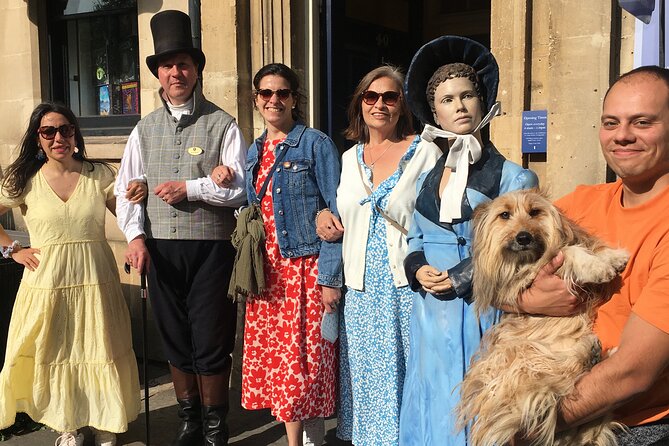
You may want a different plan if you dislike walking, need a fully indoor activity, or want all admission fees included. And if a period-costumed guide is important to you, this is not that kind of experience. Ulrich Wenske presents the tour as an informed local walk, not a theatrical performance.
Should you book Jane Austen’s Bath and History Trail?
Book it if you want a well-priced introduction to Bath with Austen as the thread running through the city. The strongest features are Ulrich’s broad knowledge of Bath and Austen, the small group size, the number of landmarks covered, and the chance to see several Austen addresses in one outing.
Before booking, mark the Pulteney Bridge Coffee Shop on your map, wear shoes suited to hills, and budget separately for the Roman Baths or other museums. With those expectations in place, this is a useful, friendly way to understand why Bath mattered to Jane Austen and why the city still feels made for walking.
FAQ
Where does the tour start?
It starts at the Pulteney Bridge Coffee Shop, 17 Pulteney Bridge, Bath BA2 4AY, UK.
Where does the tour finish?
The activity ends back at the Pulteney Bridge meeting point.
How long does the tour last?
The tour lasts approximately 2 hours and 30 minutes.
What language is the tour offered in?
The guide is available in English or German.
Is entry to the Jane Austen Centre included?
Entry to the Jane Austen Centre and its book shop is included, but the centre’s internal guided tour is not included.
Are museum admission fees included?
No. Entrance fees for museums, including No. 1 Royal Crescent, are not included. Admission to the Roman Baths and other attractions also requires separate planning and payment.
How many people can join the tour?
The tour has a maximum group size of 10 people.
Can I cancel for a refund?
You can cancel up to 24 hours before the experience for a full refund. Cancellations or changes made less than 24 hours before the start time are not accepted, and poor-weather cancellations offer either a different date or a full refund.
Just added in Bath
- Bath Tootbus Hop-on Hop-off Sightseeing Bus Tour★ 4.5 · 247 reviews
- Fun, Flexible Treasure Hunt Around Bath with Cryptic Clues & Hidden Gems★ 5.0 · 208 reviews
- ‘Stonehenge & Secret England’ from Bath for 2-8 curious adventurers★ 5.0 · 54 reviews
- BATH: 2-Hour Bath Walking Tour of Bridgerton Filming Locations★ 5.0 · 99 reviews
- Stonehenge and Bath City Tour – Private tour from Bath★ 5.0 · 33 reviews
- Private Day Tour from Bath to the Captivating Cotswolds★ 5.0 · 51 reviews
- The ‘Hidden Cotswolds’ Shared Tour from Bath for 2-8 people★ 5.0 · 83 reviews
- Headphoned Tour: Discover Bath & Bridgerton with Music★ 5.0 · 133 reviews
Historical Tours, compared.
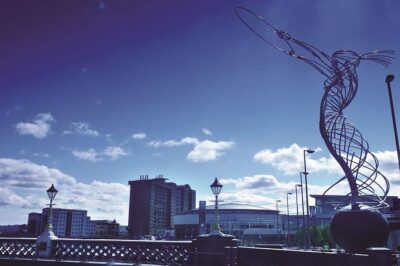
A History of Terror – Belfast City Centre Walking Tour
Read our review →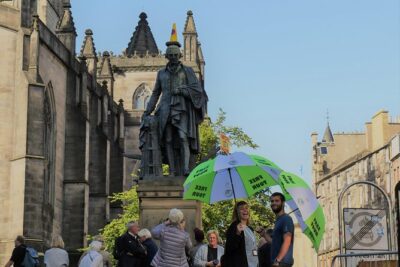
Old Town Walking Tour History and Tales in Edinburgh
Read our review →
Shadows of York: Ghost Walk and Horrible History.
Read our review →
Multi-Sensory Small-Group Historic Vaults Tour in Edinburgh
Read our review →
Browse the lists this tour appears in