
Reviewed · HISTORICAL TOURS
St Andrews: Golf Origins and Old Course History Tour
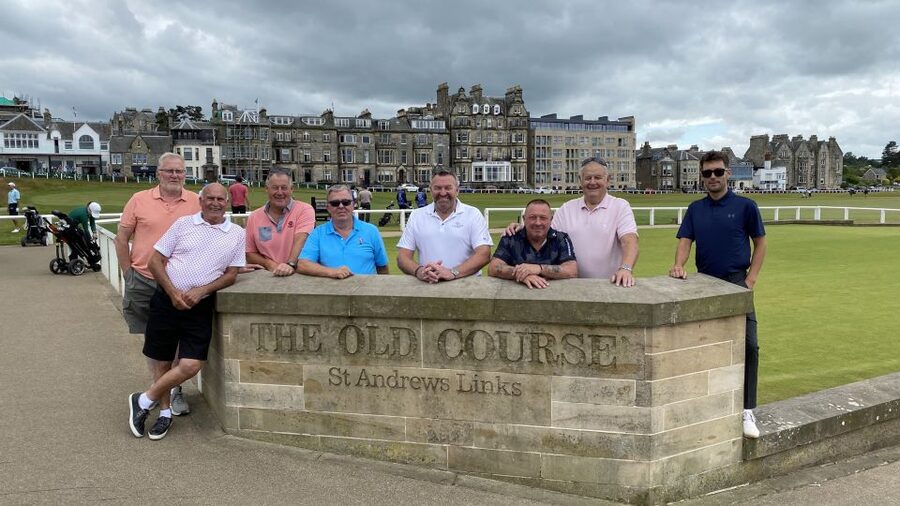
The best part of this 75-minute St Andrews tour is that it puts the story of golf in the very place where so many of its familiar features took shape. You walk beside the Old Course, cross parts of the 1st and 18th fairways, look toward the Royal and Ancient clubhouse, and finish at the Swilcan Bridge, where the classic photograph becomes possible outside tournament days.
I like two things especially: the guide’s use of rare historic photographs, including an image showing how high the bridge once was, and the mix of golf history with stories about St Andrews itself. Guides such as Richard, a former caddie and local golf historian, add useful first-hand detail and usually help take photos at the key spots.
The main consideration is the pace and access. You need fluent English, comfortable shoes, and the ability to walk without crutches, a frame, wheelchair, scooter, or other walking aid. The first part may feel slow if you want only photographs, and one guide has been noted for speaking quickly.
Key points at a glance
- Walk across the 1st and 18th fairways: You get close to the Old Course rather than simply viewing it from a roadside.
- See the Swilcan Bridge outside tournament days: This is the tour’s signature photo stop, with your guide helping take pictures.
- Learn how golf developed: The tour connects the Old Course’s layout and traditions with the game played today.
- Hear stories from a former caddie: Richard’s course experience gives the history a practical, personal angle.
- Finish at the Jigger Inn: You can continue the visit with a drink or snack overlooking the 17th fairway, at your own cost.
- Pay about $20 per person: For a short, focused walking tour in St Andrews, that is a fair price if golf history interests you.
Why the Old Course tells the story of golf so well
St Andrews is not simply a place where golf is played. It is where many parts of modern golf developed over time, and the Old Course gives you a physical way to understand that change.
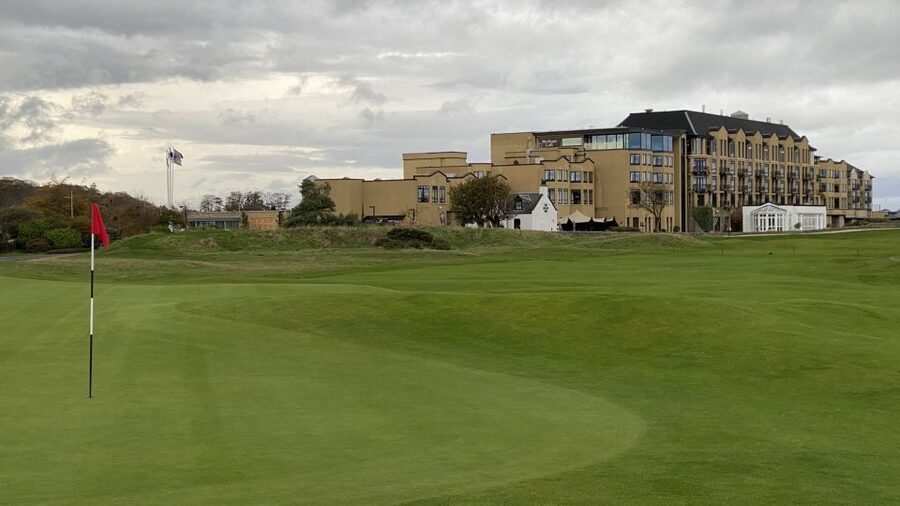
This tour begins with a broad view of the links area and its six courses, four of them on links land. That opening matters because it gives you scale. You are not just looking at a famous 18-hole course. You are seeing a whole setting shaped by golf, the town, the sea, old religious connections, clubs, tournaments, caddies, and generations of players.
Your guide explains how the Old Course evolved and how certain features of the game became established. The aim is not just to point at famous holes. You learn why the course looks and plays as it does, how the Open fits into its story, and which people helped shape the game.
I like this approach because you do not need to be a serious golfer to follow it. The history has plenty of human detail, and the guide uses stories, photographs, and humor to make the technical points easier to grasp. One person who went along with a golf-loving spouse found the tour engaging despite having little interest in golf, which is a useful sign for couples with mixed enthusiasm.
A few more things to do in Britain worth a look
- London Small Group Tour of Historical Pubs
★ 5.0 · 10,422 reviews - A History of Terror – Belfast City Centre Walking Tour
★ 5.0 · 2,883 reviews - Old Town Walking Tour History and Tales in Edinburgh
★ 5.0 · 2,168 reviews
Starting outside Hotel du Vin
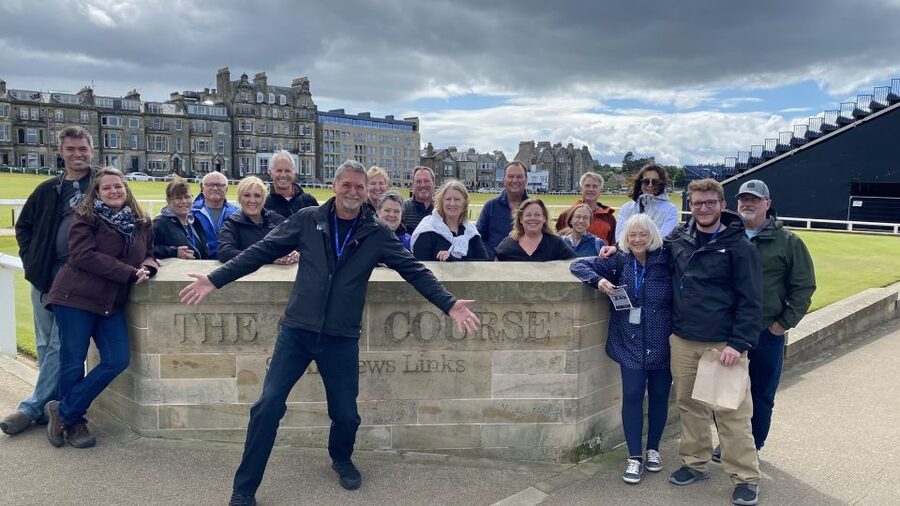
The meeting point is outside Hotel du Vin at 40 The Scores, St Andrews, KY16 9AS. Tours leave promptly, and the guide does not wait for late arrivals, so arrive early enough to find the spot without rushing.
The Scores is a useful starting area because it is close to the Old Course and gives the tour a proper sense of place from the beginning. You are not being driven to a distant attraction or dropped beside a single photo point. The walk starts in town and then moves toward the course, linking St Andrews’ civic story with its golfing past.
The guide opens with important background about St Andrews and addresses some of the myths surrounding golf and the Old Course. That part can feel less dramatic than standing on a fairway, but it helps explain what you are about to see. One person found the first 15 minutes a little slow before the tour picked up, so I would treat the opening as a history briefing rather than expect instant photo stops.
The tour is conducted in English, and fluent English is essential. Speaking slowly or translating during the walk is not considered workable, so this is not a good choice if you need regular interpretation.
Panoramic views across the six courses
The first major view takes in the links area and its six golf courses. Four are on links land, giving you a clear picture of how much of St Andrews is tied to this form of golf.
This wide view is valuable because the Old Course can seem like a collection of famous names when you first arrive: the 1st tee, 18th green, Road Hole, Swilcan Bridge, and Jigger Inn. From a broader position, the course begins to make sense as part of a larger stretch of land rather than an isolated attraction.
Your guide also brings in the history of the town and surrounding locations. Several people found that the tour added local details beyond golf, including religious connections and stories tied to the community. That makes the walk more useful if you have only a short time in St Andrews and want an introduction to the town as well as the course.
Do not expect a museum visit or an indoor presentation. Most of the value comes from listening while walking outside, looking at the course, and comparing the current scene with the historic photographs your guide shows you.
The 18th green and 1st tee
The walk continues toward two of the Old Course’s most recognizable points: the 18th green and the 1st tee.
The 18th green is one of the places where the scale of the course becomes clear. You are close to the final stretch of play, yet the setting is also part of everyday St Andrews. The tour explains the importance of the hole and connects it with the Old Course’s wider development.
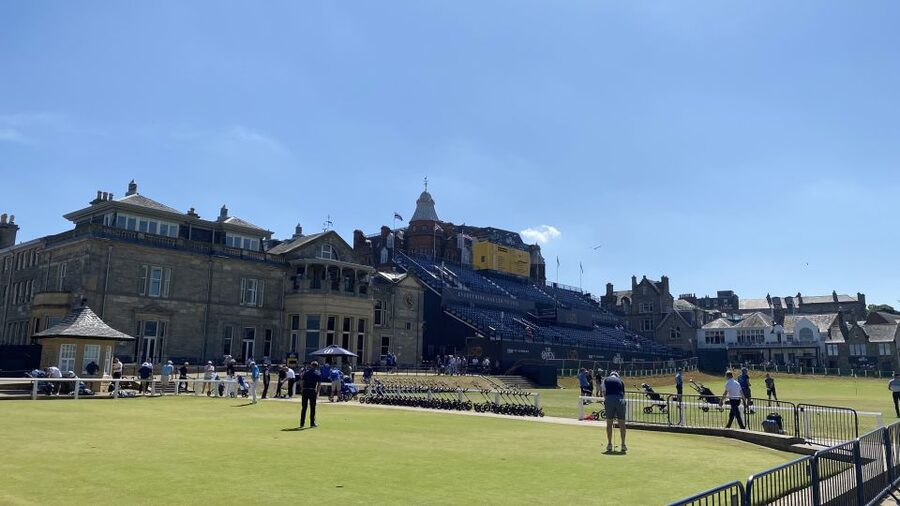
At the 1st tee, the Royal and Ancient clubhouse provides the backdrop. This is a particularly strong stop for photographs because it joins the course with one of the most recognizable buildings in golf. You can see where play begins while hearing how the course’s traditions grew around it.
The walk also takes in the 1st and 18th fairways. This is more than a quick look from the edge. You may walk across portions of both fairways, at your own risk, while golf is in play. Keep your eyes open for golf balls and follow the guide’s directions. The chance to walk on these areas is one of the tour’s most memorable features, but it also means you should not treat the course like a closed museum site.
Same city, a very different afternoon:
- London: The London Eye Entry Ticket
★ 4.6 · 35,875 reviews - From London: Harry Potter Warner Bros Studio Tour
★ 4.7 · 26,588 reviews - Magical London: Harry Potter Guided Walking Tour
★ 4.7 · 22,044 reviews - London: Madame Tussauds London
★ 4.6 · 20,915 reviews
The fairways, the Road Hole, and the details you miss from a distance
The Old Course is famous for its large-scale history, but much of its character lies in details that are easy to miss during a quick visit.
The guide discusses Road Hole memories and the features that make this part of the course so well known. Historic photographs help you compare earlier versions of the course with what you see today. One particularly unusual image shows the original height of the Swilcan Bridge, a small detail that helps explain how the site has changed.
This visual material is one of the strongest reasons to choose a guided walk instead of simply taking your own photographs around the course. A photograph of the fairway gives you a record of the view. A historic photograph, paired with an explanation of what changed and why, gives you a better sense of time.
The tour also addresses the evolution of the Open and the people who influenced the game. You will hear stories about figures connected to St Andrews and golf, with the guide adding the kind of practical detail that does not always appear on a sign or plaque.
Richard is especially well suited to this format. He has worked as a caddie, and his course experience allows him to explain the Old Course from the viewpoint of someone who understands how it functions on the ground. His humor and willingness to answer questions are often part of the experience, so you can expect a conversational walk rather than a formal lecture.
The Swilcan Bridge photo stop
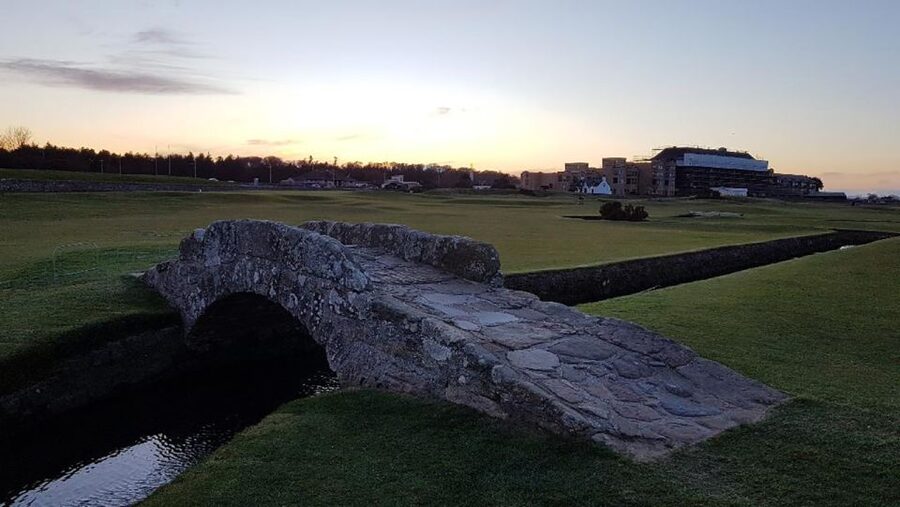
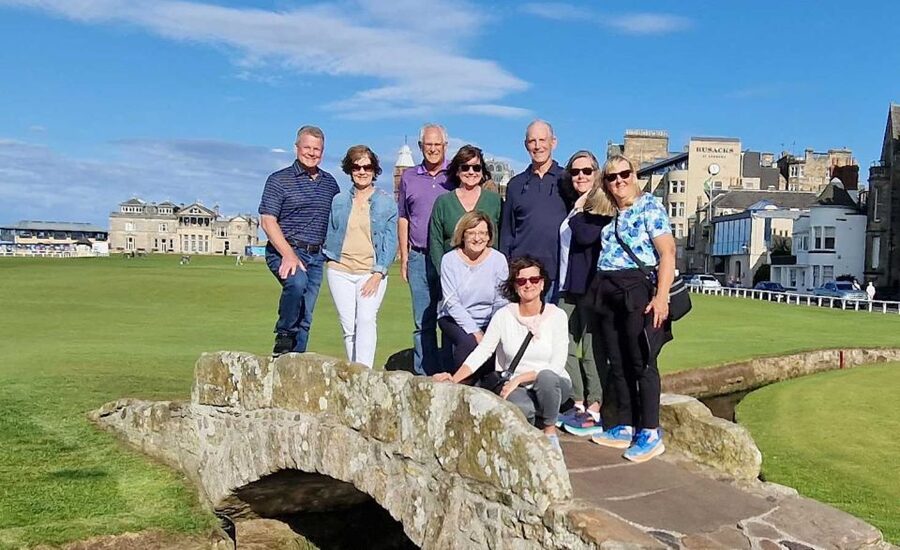
The tour finishes at the Swilcan Bridge, the small stone bridge that has become one of St Andrews’ most familiar symbols.
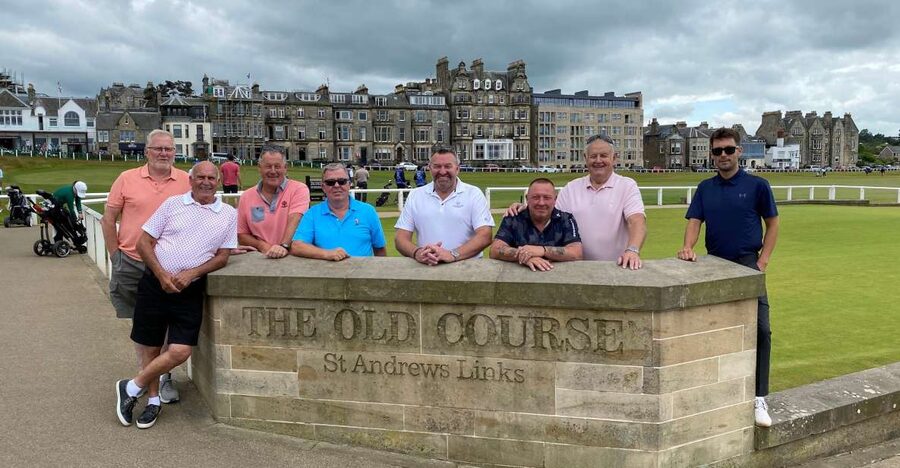
This is the moment when the history becomes a personal souvenir. Your guide can take photographs of each person or group, giving you a better chance of getting a proper picture without asking a stranger to frame it. Several people especially valued the guide’s help with photos at iconic locations.
The stop is available outside tournament days. During tournaments, access and movement around the course can change, so do not book this walk assuming the bridge photo is guaranteed on every date.
The bridge itself is a good example of the tour’s approach. You get the famous image, but you also hear about its earlier form and see rare material that adds context. It is a short stop, yet it ties together the course’s age, changing design, golf traditions, and public image.
If you are carrying a phone or camera, make sure it is easy to reach. The guide may take several photographs, but you should still keep your own device ready and check that you have enough battery.
Finishing at the Jigger Inn
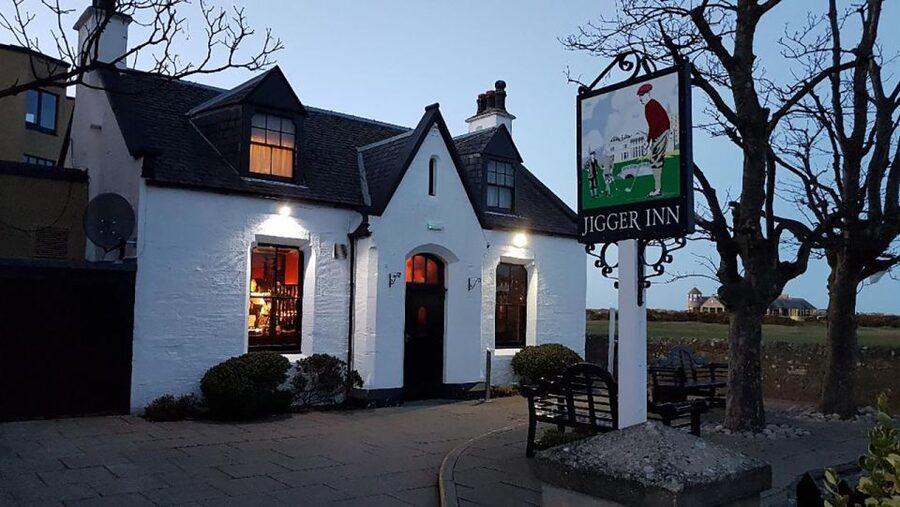
The walk ends at the Jigger Inn, a well-known spot beside the Old Course. Refreshments are not included, but you can choose to stay for a drink or something to eat while looking toward the 17th fairway.
This ending works well because it gives you time to continue the conversation after the walking portion. You can review the photographs, ask a final question, or simply sit with the view. The stop is optional in practical terms, since your tour finishes there and any food or drink is your own expense.
If you have a tight schedule, you can leave after the tour. If you want the full St Andrews golf experience, allow extra time for the Jigger Inn rather than planning another immediate appointment.
What $20 gets you
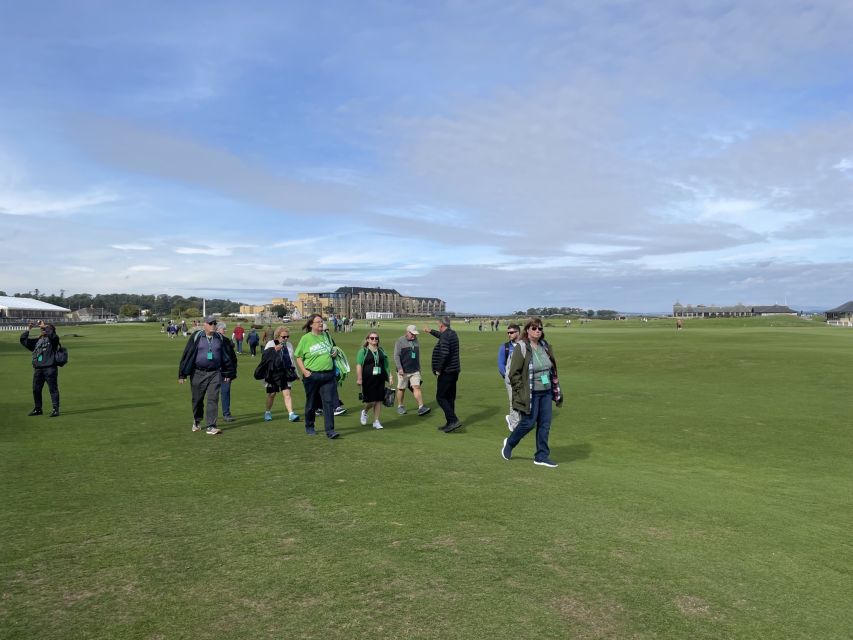
At $20 per person, this tour offers good value for a focused introduction to the Old Course. You get 75 minutes with a local professional guide, access to viewpoints and fairway sections, historic photographs, course stories, and help with photos at the Swilcan Bridge.
The price is most worthwhile if you value explanation. You can see the 1st tee, the 18th green, and the bridge without paying for a tour, but you will not automatically understand how they connect to the development of the game. The guide turns a collection of famous locations into a story.
It is not a substitute for playing the Old Course, and it does not include a round, refreshments, luggage storage, or a full visit inside every nearby building. If you want to play golf, this is a separate kind of experience. If you want context before or after playing, the tour makes a sensible addition.
The strong rating of 4.7 from 322 bookings fits the experience described here: the guide’s stories, humor, course knowledge, and help with photographs receive the most consistent praise. The main criticism is not about the content, but about delivery. One person found the guide spoke too quickly, and the outdoor setting can make it harder to hear in wind or a large group.
Who will enjoy this walk most
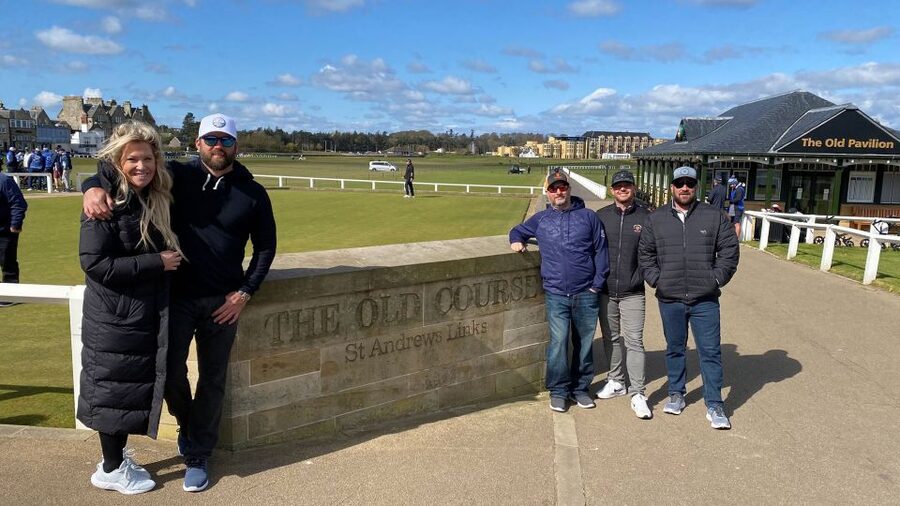
You will get the most from this tour if you are interested in golf history, the Open, famous courses, or the story of St Andrews. It is particularly useful for a first visit, since it helps you identify the important course landmarks before you explore the town on your own.
Golf fans should consider it a priority. Former caddie experience, stories about course development, and the chance to walk across parts of the 1st and 18th fairways make this more than a generic sightseeing walk.
Non-golfers can also enjoy it, especially if they like local history, old photographs, or walking tours with a strong sense of place. I would still avoid booking it for someone who has no interest in golf and dislikes outdoor history talks, since golf remains the central subject.
The walk is not suitable for children under five, and children under 16 must be with an adult. It is also not suitable for people with mobility impairments, wheelchair users, those using crutches, walking frames or mobility scooters, or anyone who needs a stroller. Comfortable shoes are important, and the activity is not recommended if you have a cold or hearing impairment.
Practical tips for a better visit
Arrive before the scheduled time at Hotel du Vin. The group leaves promptly, and missing the start could mean missing the entire walk.
Wear shoes you can walk in comfortably. This is a 75-minute outdoor tour, not a short stop beside the course, and the surface may require steady walking.
Dress for Scottish weather. One group enjoyed the walk despite a passing shower, while another found that even bitter cold did not ruin the experience. That said, a waterproof layer and warm clothing will help you listen and enjoy the views.
Pay close attention while crossing the fairways. Golf balls may be in play, and you are responsible for watching where you walk. The access is memorable precisely because you are near an active course, so take the safety warning seriously.
Finally, ask questions. Guides such as Richard are happy to connect the Old Course with your interests, your hotel, or other places in St Andrews. The tour can become more useful when you treat it as a conversation rather than simply following a route.
Should you book this Old Course tour?
I would book it if you want to understand why St Andrews is called the Home of Golf, especially if this is your first visit. The combination of fairway access, rare historic photographs, course stories, and the Swilcan Bridge photo makes the $20 price easy to justify for golf fans.
I would skip it only if you need wheelchair access, interpretation, a slower walking format, or a tour conducted in another language. Also check your date if the Swilcan Bridge photograph is essential, since tournament days can change access.
For most visitors who can walk comfortably and follow fluent English, this is a compact, useful way to meet the Old Course before spending more time around St Andrews.
FAQ
Where does the tour begin?
The tour begins outside Hotel du Vin, 40 The Scores, St Andrews, KY16 9AS, United Kingdom.
How long does the tour last?
The walking tour lasts 75 minutes.
What language is the tour conducted in?
The tour is conducted in English, and participants need a fluent command of English.
Does the tour include the Swilcan Bridge?
The tour includes a visit and photo stop at the Swilcan Bridge, except on tournament days.
Can the guide take photographs?
Yes. The guide can take photographs for participants at key locations, including the Swilcan Bridge.
Does the tour include food or drinks?
No. Refreshments at the Jigger Inn are not included, though the tour finishes there and you can purchase your own refreshments.
Is the tour suitable for children?
Children under five are not permitted. Children under 16 must be accompanied by an adult.
What should I bring?
Bring comfortable shoes. You should also be prepared to walk outdoors and watch for golf balls when crossing the 1st and 18th fairways during live play.
Just added in Britain
- Cornwall: Guided Seal Safari by Boat★ 4.7 · 63 reviews
- The Wandering Bard’s Valley Tour or the Swansea Bay Tour.★ 5.0 · 394 reviews
- 1-Hour and a Half Walking Guided Tour in Medieval Newcastle★ 5.0 · 87 reviews
- Chester: City Sightseeing Hop-On Hop-Off Bus Tour★ 4.6 · 274 reviews
- Admission Ticket to Sick To Death in Chester★ 4.5 · 384 reviews
- Guided City Walking Tour of Newcastle★ 5.0 · 548 reviews
- Bristol: Air Raid Shelter & St. Nicholas Market Walking Tour★ 4.8 · 320 reviews
- Torquay Coastal RIB Seafari★ 5.0 · 410 reviews
Historical Tours, compared.
A History of Terror – Belfast City Centre Walking Tour
Read our review →
Old Town Walking Tour History and Tales in Edinburgh
Read our review →
Shadows of York: Ghost Walk and Horrible History.
Read our review →
Multi-Sensory Small-Group Historic Vaults Tour in Edinburgh
Read our review →
Browse the lists this tour appears in