
Reviewed · WALKING TOURS
Royal London: from Saxons to Tudors & Stuarts Walking Tour
London’s royal past comes alive through places tied to real drama, not just a list of kings. In two hours, you follow the story from Saxon rulers through the Tudors and Stuarts, stopping where Henry VIII married Anne Boleyn, Charles I lost his head, and Shakespeare first presented his plays.
I like the six-person limit, which leaves room for questions, and I like the guide-led storytelling. Natalie is praised for her broad command of British history, while Nichole is described as friendly, funny, and insightful. The main drawback is simple: this is an outdoor history walk, not an entry ticket to royal buildings.
Key points to know before you book
- Six people maximum: The small group makes it easier to ask questions and follow the guide through central London.
- Two hours on foot: You will walk outside for the full tour, so comfortable shoes and water matter.
- A royal story with room for lesser-known rulers: The guide looks beyond the famous television kings and queens.
- Major Tudor and Stuart moments: The route covers Anne Boleyn’s marriage, Charles I’s execution, and Shakespeare’s performances.
- English-language guiding: Guides such as Natalie and Nichole bring humor and historical context to the walk.
- Outdoor access only: The tour visits sites from the street and does not include entry into attractions.
Why this royal walk is different from a palace visit
Many London history tours focus on grand buildings. This one focuses on the events that happened around them, including political struggles, royal marriages, religious change, public executions, and the growth of the monarchy.
That makes the experience useful if you want a broad introduction before visiting places such as the Tower of London, Westminster Abbey, or other royal sights on your own. You get the connecting story first, then you can decide which buildings deserve your time and admission fee.
The tour covers a large span of British history in a short period. You will hear about Saxon rulers, William the Conqueror, Edward the Confessor, the Tudor dynasty, and the Stuart period. The guide also explains why the Tudors matter so much, rather than treating them as a parade of famous names.
I especially like that the walk is not limited to the rulers most often shown in dramas. One of the useful points raised by the guide is that popular films and television series can give you a partial picture of English history. The tour aims to fill in some of the gaps, including rulers and political events that receive less screen time.
You should not expect a university lecture. The format is faster, more visual, and tied to the streets around you. The best moments come when a familiar name, such as Henry VIII or Shakespeare, is connected to a precise London location.
More Walking Tours in London:
- Magical London: Harry Potter Guided Walking Tour
★ 4.7 · 22,044 reviews - London: The Original Jack the Ripper Walking Tour
★ 4.7 · 7,833 reviews - Tour for Muggles The Ultimate Harry Potter Walking Tour in London
★ 5.0 · 4,684 reviews
Meeting at Trafalgar Square
The meeting point is at the entrance to Waterstones bookshop in Trafalgar Square, postal code WC2N 5EJ. Give yourself enough time to find the correct entrance, since Trafalgar Square is busy and has several prominent landmarks competing for your attention.
Your guide is described as a short woman with a quirky personality. Guides named Natalie and Nichole have led this experience, though the person assigned to your walk can vary. Natalie is particularly praised for answering questions and for presenting a wide sweep of British history. Nichole is described as friendly, funny, and thoughtful.
The Trafalgar Square meeting point is practical because it is easy to recognize and central. It also gives the group a clear starting place before moving into the royal story. Toilets are available in Trafalgar Square, but opening hours can change, so use them before setting off if needed.
A two-hour walk sounds manageable, and it is not described as especially strenuous. Still, you will be outside for the entire time. Wear shoes you can comfortably walk in, carry water, and bring an umbrella. The walk goes ahead in rain or shine.
Starting with Saxons, William the Conqueror, and Edward the Confessor
The opening section sets up the monarchy before the Tudor period takes over the popular imagination. You will consider Edward the Confessor and William the Conqueror, along with the question of what William actually conquered and how the Norman takeover changed England.
This beginning matters because the later royal stories make more sense when you know how the monarchy developed. The crown was not simply passed from one famous family to the next. Conquest, succession, religion, law, and political power all shaped the institution.
The guide also brings in the site where the largest royal palace once stood. That detail gives the walk a useful sense of scale. London’s royal center has changed dramatically, and a location that may look ordinary today once belonged to a far larger royal complex.
Because the tour is outdoors, you will not tour the palace remains as an indoor attraction. Instead, you will hear how the site fitted into the royal story while standing in the surrounding city. I find that kind of setting helpful, though anyone hoping to walk through preserved royal rooms should book a separate attraction.
The Tudor section: marriage, power, and royal drama
The Tudor material is likely to be the main draw for fans of The Tudors, Becoming Elizabeth, The White Queen, Gunpowder, or Mary & George. The walk also appeals to anyone who has watched Outlander and wants to put royal politics into a London setting.
The focus is not simply on Henry VIII’s six wives. You learn where Henry married Anne Boleyn, a location that gives one of the best-known royal relationships a physical setting. The marriage was not just a romantic event. It was bound up with succession, religion, power, and Henry’s break with Rome.
A stop connected with Anne Boleyn works well because it turns a familiar television storyline into something more concrete. You are not just hearing that the marriage happened. You are standing in the area where it took place and considering what the union meant for the English crown.
The route also asks you to think about royal love stories more broadly. The question of the greatest royal love story of all time is part of the walk’s appeal, but the guide does not appear to treat monarchy as a simple romance. Expect a mixture of affection, ambition, public duty, and political pressure.
The Tudor section should suit you if you already know the broad names but want the connections between them. It also works for a newcomer because the guide provides a general outline rather than assuming specialist knowledge.
More walks around London:
- London Jack The Ripper Guided Walking Tour
★ 5.0 · 3,131 reviews - London: Harry Potter Movies Walking Tour (Kids Go Free)
★ 4.7 · 3,071 reviews - Changing of the Guard Guided Walking Tour in London
★ 5.0 · 1,793 reviews - London: The Great British Rock and Roll Music Walking Tour
★ 4.9 · 1,783 reviews
Shakespeare and the Stuart setting
One of the most appealing stops is a Stuart-era location linked with Shakespeare’s first performances of his plays. The setting is important because it connects royal London with theater, public life, and culture rather than focusing only on battles and executions.
You will hear why this place mattered during the Stuart period and how Shakespeare’s work fit into the city around it. The information provided does not promise entry to the theater or any other attraction, so treat this as an exterior visit and storytelling stop.
That limitation is worth noting. Shakespeare fans may want a fuller theater experience elsewhere, while history-minded visitors may appreciate the chance to connect literature with the political world of the monarchy. The walk gives you context, not a performance or behind-the-scenes tour.
The Stuart portion also helps the route move beyond the Tudors. That is useful because London’s royal story did not end with Henry VIII, Elizabeth I, or the dramas of the sixteenth century. The next period brought its own conflicts over religion, Parliament, royal authority, and the future of the crown.
Charles I and the darker side of monarchy
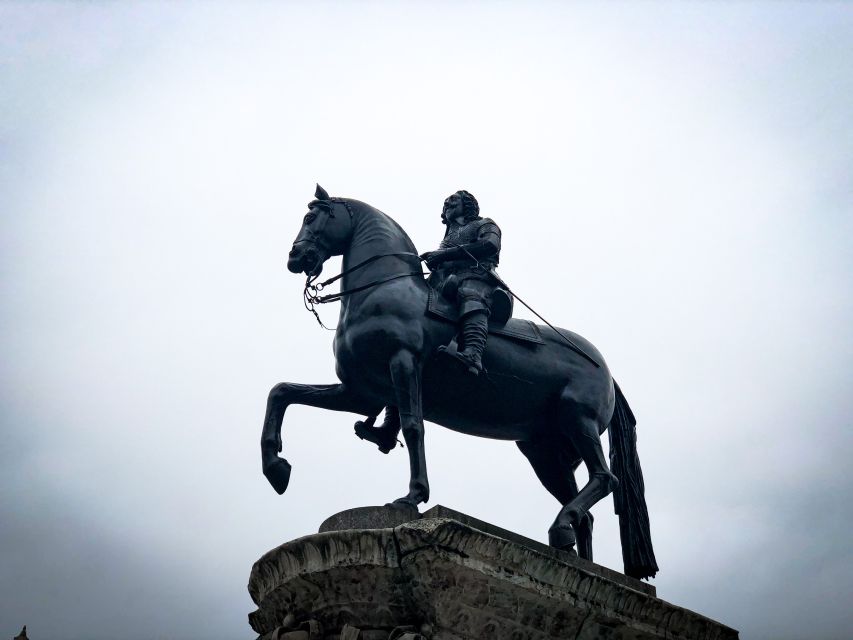
The walk follows the story of Charles I, the love-torn king who was eventually executed. You learn where Charles I lost his head, a direct and sobering reminder that royal power in seventeenth-century England had limits.
This is one of the strongest historical contrasts on the route. Earlier stops show the monarchy through marriage, ceremony, and cultural life. The Charles I stop shows what happened when the king’s authority collided with political opposition and wider national conflict.
The site itself is visited from outside, but the story gives the location weight. You are not simply checking off another royal address. You are considering how a king could move from supreme authority to public execution.
The phrasing around Charles as a love-torn king points to the personal side of the story, but the tour also places him within the wider Stuart struggle. That balance is important. A purely personal account can make royal history feel like soap opera, while a purely political account can lose the human detail that makes the events memorable.
How the guide shapes the experience
A small walking tour succeeds or fails with its guide. Here, the strongest praise is directed at the delivery: broad historical understanding, humor, confidence, and a willingness to answer questions.
Natalie is noted for giving a wider view of English royal history, including figures who are not often shown in films and television. She also has a podcast, which may appeal if you want more history after the walk. Nichole is described as warm, funny, and insightful.
The six-person limit is a real advantage. In a large group, it can be hard to hear a guide on a busy street, and questions often get lost. With six people, you should have a better chance to follow the explanation and ask about a king, marriage, or location that catches your attention.
The guide’s tone appears conversational rather than stiff. That matters on a history walk covering a thousand years. The material could become a blur of dates and royal names, but humor and sharp stories help the timeline stay in your head.
The rating is 4.9 from 31 reviews, which supports the view that the guide is the main strength. Still, remember that a small walking tour depends on the particular guide assigned that day and on your own interest in history.
What the two-hour format gives you
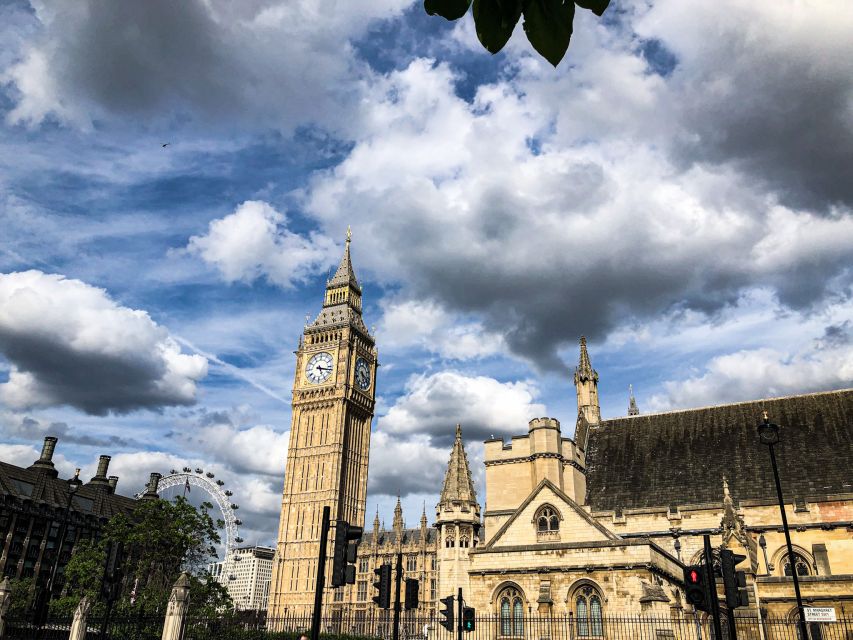
Two hours is enough for an overview, but not enough for a full treatment of every monarch. You will get a fast route through Saxon, Norman, Tudor, and Stuart history, with emphasis on places tied to major events.
The short format suits a first day in London or a morning before a booked attraction. You can gain context without giving up half a day. It also makes the price easier to assess: at $29 per person, the tour is reasonably priced if you value a live guide and a small group.
The value is lower if you want to enter historic buildings. Admission is not included, and the walking tour stays outside. You are paying for interpretation, local orientation, and the chance to ask questions, not for access to royal interiors.
I would treat it as a historical introduction rather than a complete royal sightseeing day. Afterward, you may have a better idea of which sites deserve a separate visit. That can save time and help you avoid paying for attractions that do not match your interests.
Comfort, weather, and mobility
Bring comfortable shoes. The tour is not described as particularly strenuous, but two hours outdoors is long enough for poor footwear to become a nuisance.
Carry a bottle of water, especially in warm weather. An umbrella is also sensible because the tour runs in rain or shine. There is no indoor backup promised, so check the forecast and dress for the conditions.
This experience is not suitable for wheelchair users or people with mobility impairments. Children under 13 cannot join. Those limits matter because this is a continuous walking route through central London, with no promise of adapted access or a seated format.
The group size can help the experience feel personal, but it does not change the physical nature of the tour. If standing and walking outside for two hours would be difficult, choose a different way to explore royal London.
Who should book this tour
I would recommend this walk to you if you enjoy royal dramas but want to separate television invention from historical context. It is also a good match if you are curious about how the monarchy developed across several dynasties rather than focusing on one famous king.
It works especially well for:
- First-time visitors who want a clear introduction to royal London.
- History fans who enjoy political stories, royal marriages, and succession disputes.
- Shakespeare fans who want to connect his work with a real London setting.
- Visitors who prefer a small group to a large guided crowd.
- People planning to visit other royal attractions and wanting background first.
I would be more cautious if your priority is entering palaces, churches, theaters, or museums. You will see important locations from the outside, but the tour does not include attraction admission.
The experience also may not suit young children. The subject matter includes execution, religious conflict, and complicated succession stories, and the minimum age is 13.
Should you book Royal London: from Saxons to Tudors and Stuarts?
Book it if you want a lively two-hour overview led by a guide who can connect obscure rulers with the famous Tudors and Stuarts. The small group, $29 price, and strong focus on real locations make it good value for a history-minded visitor.
Skip it if you want a palace interior, a museum visit, or a slow architectural tour. The best reason to book is the storytelling: you walk through central London while learning where royal marriages, executions, and Shakespearean performances fit into the long story of the British monarchy.
FAQ
Where does the walking tour meet?
Meet at the entrance to the Waterstones bookshop in Trafalgar Square, London, WC2N 5EJ.
How long does the tour last?
The tour lasts two hours.
How much does the tour cost?
The listed price is $29 per person.
Is the tour conducted in English?
Yes. The tour has a live English-speaking guide.
How large is the group?
Each walk is limited to six attendees.
Does the tour include entry to royal buildings or other attractions?
No. The experience takes place outside and does not include visits inside places of interest.
What should I bring?
Wear comfortable shoes, bring water, and carry an umbrella because the walk takes place rain or shine.
Just added in London
- 3-Day Stonehenge*, Glastonbury, Bath & the South West Coast Tour from London★ 4.5 · 32 reviews
- Private Guided Tour of Harry Potter Locations – English/ Italian★ 5.0 · 33 reviews
- Private Tour London Highlights, entries Westminster Abbey, The Tower of London★ 5.0 · 93 reviews
- 2 Hour Walking Tour from Buckingham Palace to Big Ben★ 5.0 · 32 reviews
- 30 Major London Attractions Walking Tour With Photos★ 4.5 · 51 reviews
- 007 Shadow Of Spectre★ 5.0 · 135 reviews
- Private Guided Tour of the British Museum – Tickets Included★ 5.0 · 193 reviews
- Bath, Avebury and Lacock Village Small-Group Day Tour from London★ 4.5 · 121 reviews
Walking Tours, compared.

Magical London: Harry Potter Guided Walking Tour
Read our review →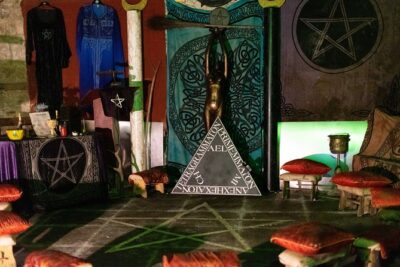
Underground Vaults Walking Tour in Edinburgh Old Town
Read our review →
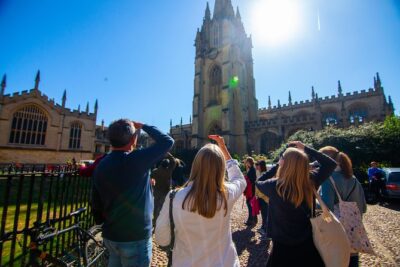
Oxford University Walking Tour With University Alumni Guide
Read our review →
Edinburgh Castle: Guided Walking Tour with Entry Ticket
Read our review →
Edinburgh Castle Guided Walking Tour in English
Read our review →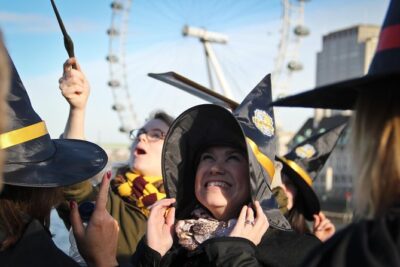
Tour for Muggles The Ultimate Harry Potter Walking Tour in London
Read our review →
University and City Walking Tour with Alumni Guide
Read our review →Browse the lists this tour appears in